Flat 50% OFF sitewide!
NOW & ON BLACK FRIDAY!


4-Prong vs 6-Prong: Which Setting is Better for Engagement Rings?
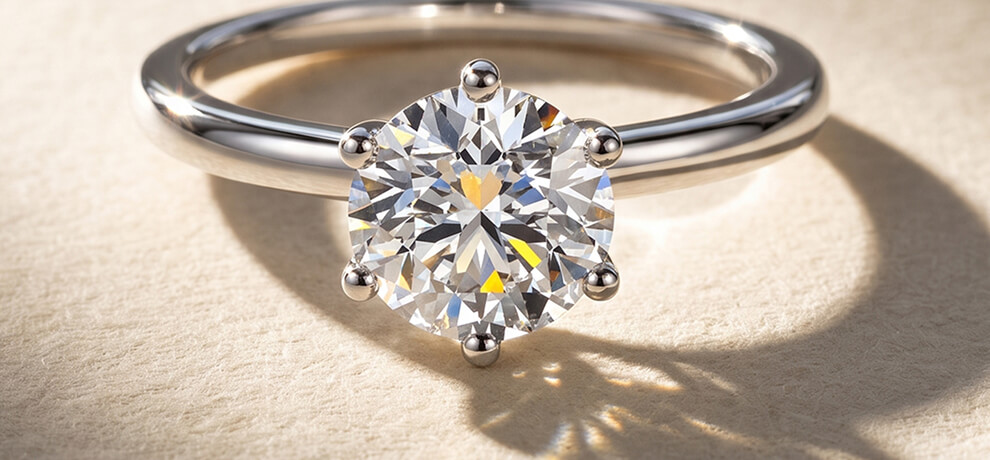
When Tom from Leicester set out to buy an engagement ring for her fiancée, his entire focus was on the diamond. But the staff at the store recommended that he also look at the setting. When asked why this is important, she gave an important reason. The choice of prong setting can affect the appearance of the ring, the brilliance, and the security of the ring.
Do you want to know the best ring setting for you? Then you are in the right place. So let’s get started.
Table of Content
- What Are Prong Settings in Engagement Rings?
- How a 4-Prong Setting Works
- How a 6-Prong Setting Works
- Difference Between 4-Prong vs. 6-Prong Setting
- Which Setting Holds a Diamond More Securely?
- Which is the Right Prong Setting for Your Ring?
- Which is the Right Prong Setting for Your Diamond?
- Which is the Best Setting for Everyday Wear?
- Why You Need to Plan Your Ring Setting
- Conclusion
What Are Prong Settings in Engagement Rings?
You may have seen many rings that feature a claw-like support around the diamond, similar to tiny fingers holding the diamond in its place. These are the prongs or claws of the ring. Most diamond rings in the UK have four or six prongs around the centre stone.
How a 4-Prong Setting Works
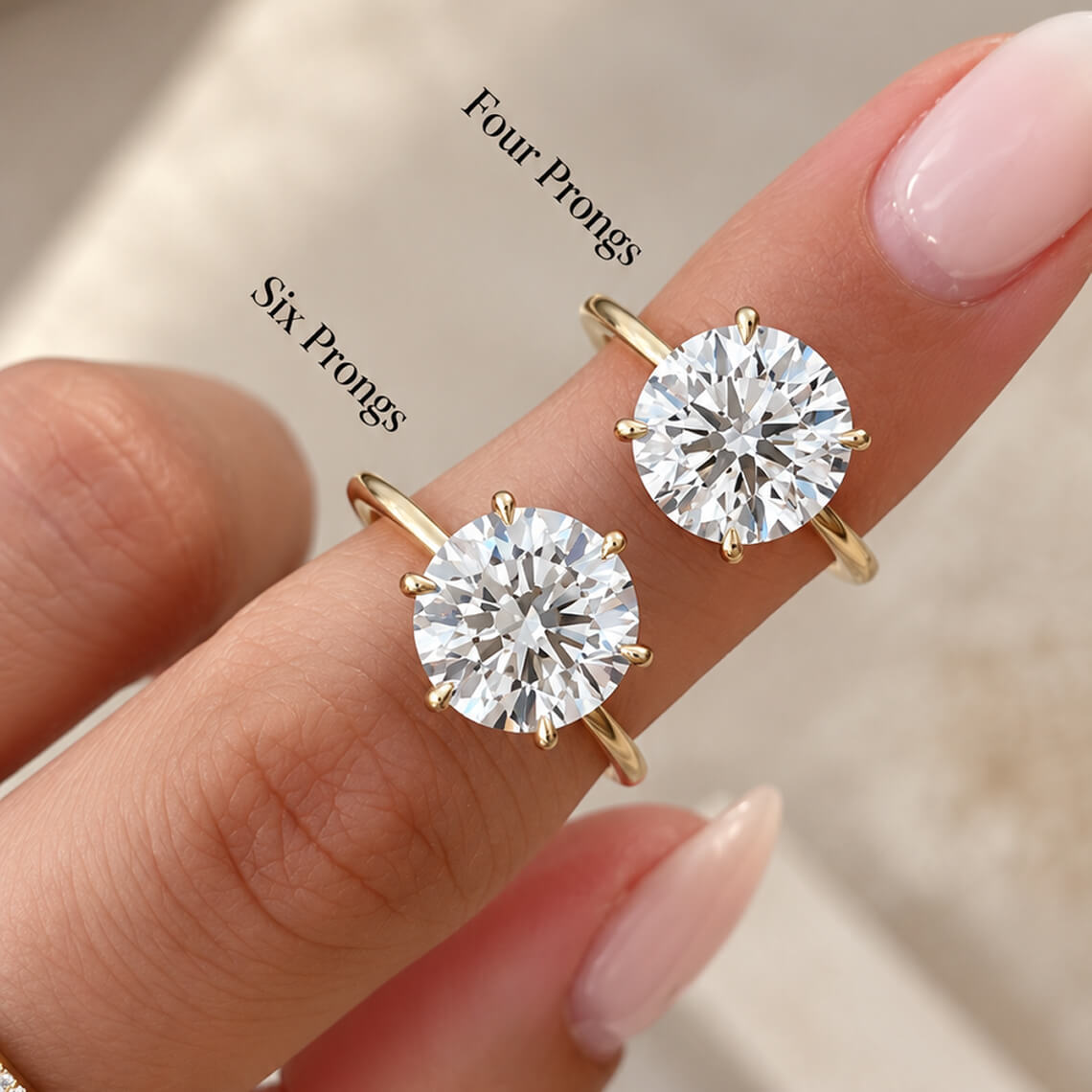
Some engagement rings have four prongs to securely hold the diamond in place. It ensures that more of the stone’s surface is visible. If you are thinking about modern solitaires or diamonds with square or rectangular shapes, then this setting will be a good choice.
How a 6-Prong Setting Works
With this type of setting, the diamond is surrounded by 6 contact points. It creates a rounded appearance when securing the diamond. Jewellers prefer this setting in case of larger diamonds or for busy lifestyles.
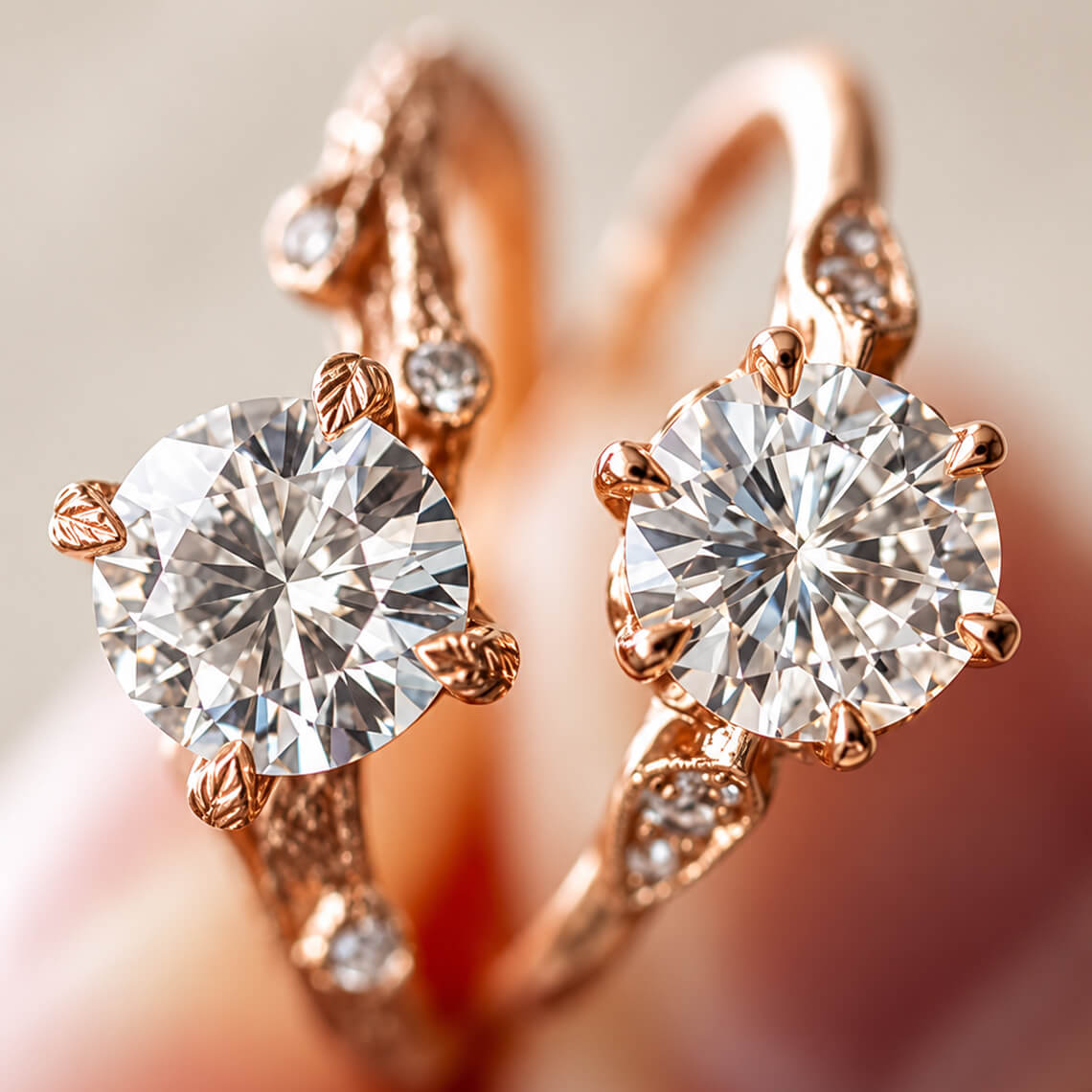
Difference Between 4-Prong vs. 6-Prong Setting
|
Design |
Four claws |
Six metal claws |
|
Appearance |
Open and minimal |
Classic and rounded |
|
Visibility of diamond |
More of the outline is visible |
Slightly more metal visible |
|
Brilliance |
Cut quality impacts sparkle |
Cut quality impacts sparkle |
|
Security |
Secure when well made |
Better security |
|
Cost |
Often slightly lower |
May cost a bit more |
However, it is important to note that the number of prongs does not solely determine the brilliance of the diamond. But sparkle, in fact, is determined by the cut and clarity of the stone, not the number of prongs.
Which Setting Holds a Diamond More Securely?
If a diamond’s security is top of your mind, then 6 prongs are a better choice. The other prongs will still hold the stone in place if one of the claws breaks off.
But you should know that the number of prongs will not guarantee protection. Metal thickness, positioning, and regular maintenance work to keep the stone securely fixed on the ring.
Which is the Right Prong Setting for Your Ring?
Four prongs will show more of the diamond’s visible area. But the additional claws of the 6-prong setting will show more metal over the stone.
You can decide based on the ring’s design as well. Halo and hidden halo designs already have additional detailing, so there, a 4-prong setting would be better. Side stone and three-stone engagement rings can do well with both prong settings.
Make sure to see how they complement the look overall before selecting one of the two settings.
Which is the Right Prong Setting for Your Diamond?
Here, you need to know about the shape of the diamond and its size. They will be the primary factors when you want to choose between 4-prong vs 6-prong settings.
Coming to the diamond shape, here are some important notes.
-
Round diamonds will work with both types of settings. Both will complement the contours of the stone.
-
Princess, cushion, emerald, and radiant cuts work better with four prongs. If we talk about the princess cut specifically, the V-shaped four prongs will be great. It will protect its pointed corners well.
-
Oval diamonds can go with both setting types.
-
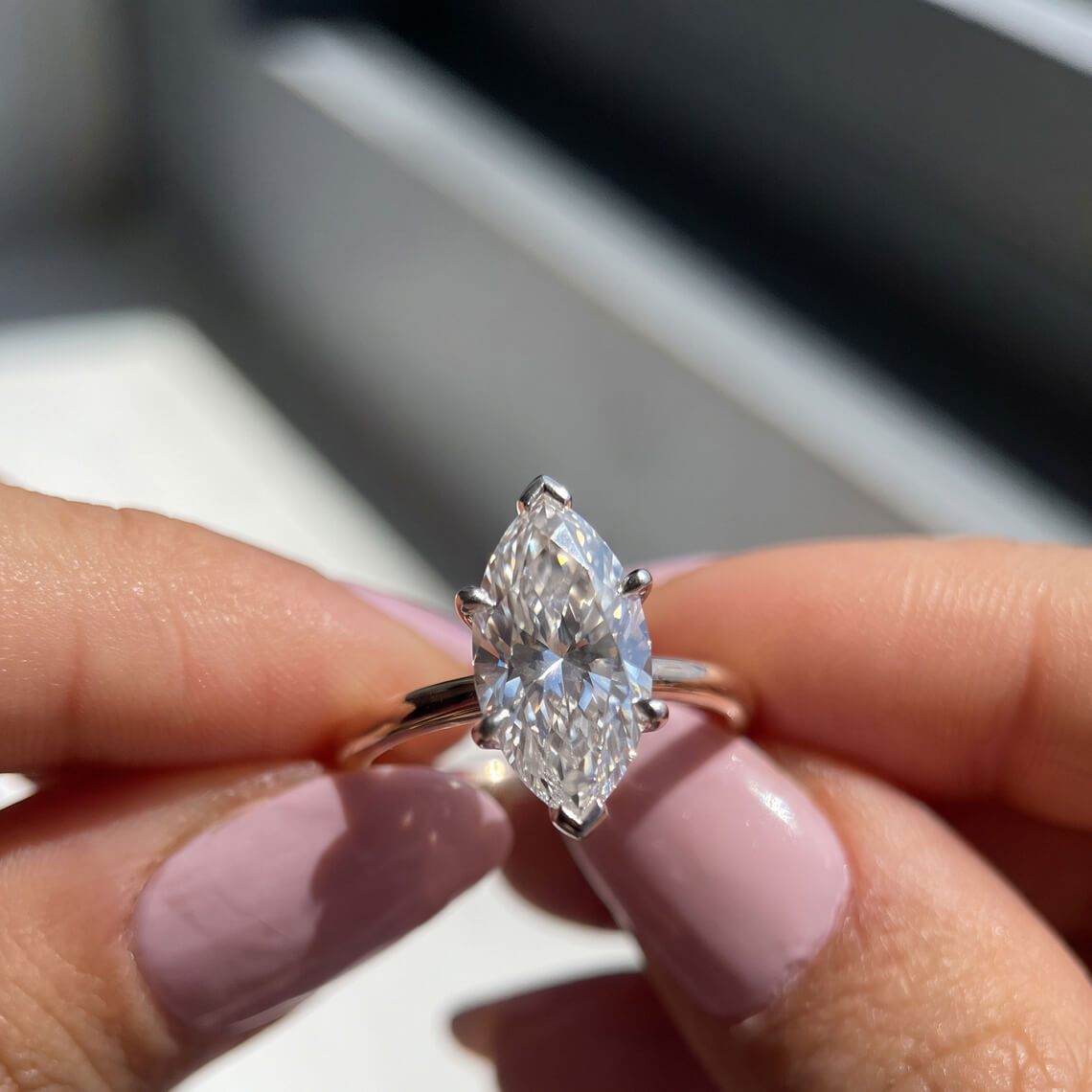
Pear and marquise need suitable protection at their pointed ends. A V-shaped 6-prong setting should support both pointed tips and along the sides.
If we consider carat size, this is a useful reference table worth checking out.
|
Diamond carat weight |
Recommended setting |
Reason |
|
Below 0.50 carat |
4 prongs |
Does not cover too much of the smaller diamond with metal! |
|
0.50–0.99 carat |
4 prongs |
Provides a neat finish and adequate security if well designed. |
|
1.00–1.49 carats |
4 or 6 prongs |
Both can work. Decide by looks, location for construction, and security. |
|
1.50–1.99 carats |
6 prongs preferred |
More contact points make for a more secure centre stone for a larger centre stone. |
|
2.00 carats and above |
6 prongs generally preferred |
Offers extra protection, especially for larger diamonds that are worn on a daily basis. |
Please note that this is not a fixed rule but broad guidance.
Which is the Best Setting for Everyday Wear?
Depending on your daily activities, you can select the appropriate setting.
Lifestyle and Maintenance
It is crucial to check the setting for people who handle clothes regularly, wear gloves or use their hands at work. You must check the claws and the setting's height.
A high-set diamond will catch on fabrics with both types of settings. A comfortable and well-finished claw, as well as a balanced setting, can help to improve comfort.
Maintenance and regular checkups
Both settings need to be frequently cleaned to eliminate oils and residue. If possible, clean the ring with warm water, a soft brush, and mild dishwashing liquid.
Also ensure a professional check-up for worn and loose claws if required. It is advisable to stop wearing the diamond if it wobbles or suddenly catches on fabric.
Why You Need to Plan Your Ring Set
Think about your wedding band before you decide on the engagement ring. Both should fit snugly on your fingers without any hassle. Some lower-set styles don't allow a straight solitaire ring to lie level with the engagement ring.
To avoid this scenario, you may compare the two rings side by side. A curved wedding band could be a better fit with your engagement ring.
Conclusion
If you're looking for an open and subtle look, opt for four prongs to flaunt the shape of the diamond. But if you are more concerned with added safety and a traditional appearance, then six prongs would be better. Both can be visually stunning if the diamond, metal, and setting are carefully coordinated.
FAQs
What is the right prong size for my solitaire engagement ring?
Do six prongs make a diamond look smaller?
Which setting will hold a fancy-shaped diamond better?
Does the choice of prong setting affect my ring’s price?
What colour should the prongs be for my yellow gold diamond ring?