Flat 50% OFF sitewide!
NOW & ON BLACK FRIDAY!


Are Lab-Grown Diamonds Worth It? Pros, Cons & Value
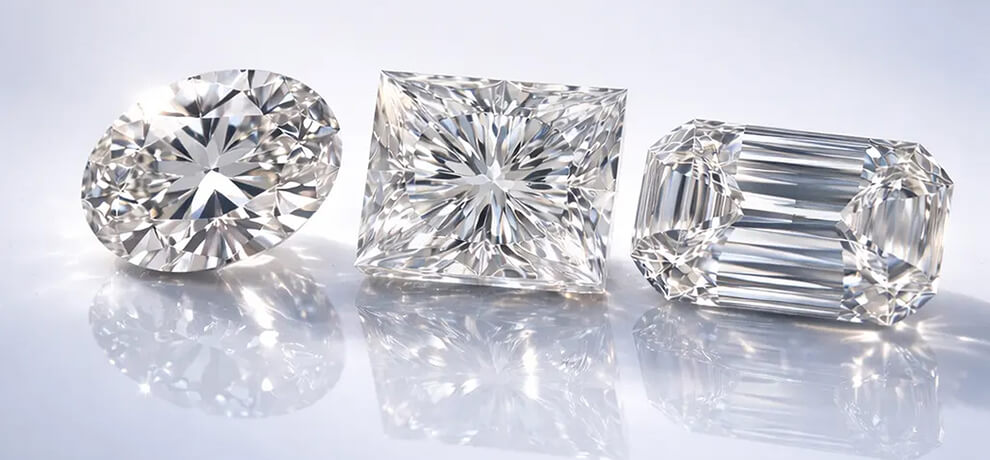
The same brilliance, same characteristics, same composition as natural diamonds at a fraction of the price. We say, yes. Lab-grown diamonds are absolutely worth it. That said, buyers are often skeptical when choosing a lab diamond over a natural diamond for their jewelry. Questions like “Is this even a real diamond?” or “Will it last?” enter the mind. This guide will answer all your questions and help you make an informed decision as to whether lab-grown diamonds are the right choice for you.
Table of Content
- What Are Lab-Grown Diamonds?
- Is a Lab-Grown Diamond Really a Diamond?
- Should You Go for Lab-Grown Diamonds?
- Lab Diamonds: Pros and Cons
- How to Buy Lab-Grown Diamonds in the UK
- Conclusion
What Are Lab-Grown Diamonds?
The laboratory-grown diamonds have been grown in artificial settings through a number of processes. As opposed to natural diamonds that take geological ages underground, lab-grown diamonds can be grown within a period of a few weeks.
The following are two processes through which lab-grown diamonds are made:
High Pressure High Temperature (HPHT): Forms diamond crystals using high temperature and pressure.
Chemical Vapour Deposition (CVD): Forms diamond crystals by depositing carbon atoms on a diamond seed in a chamber.
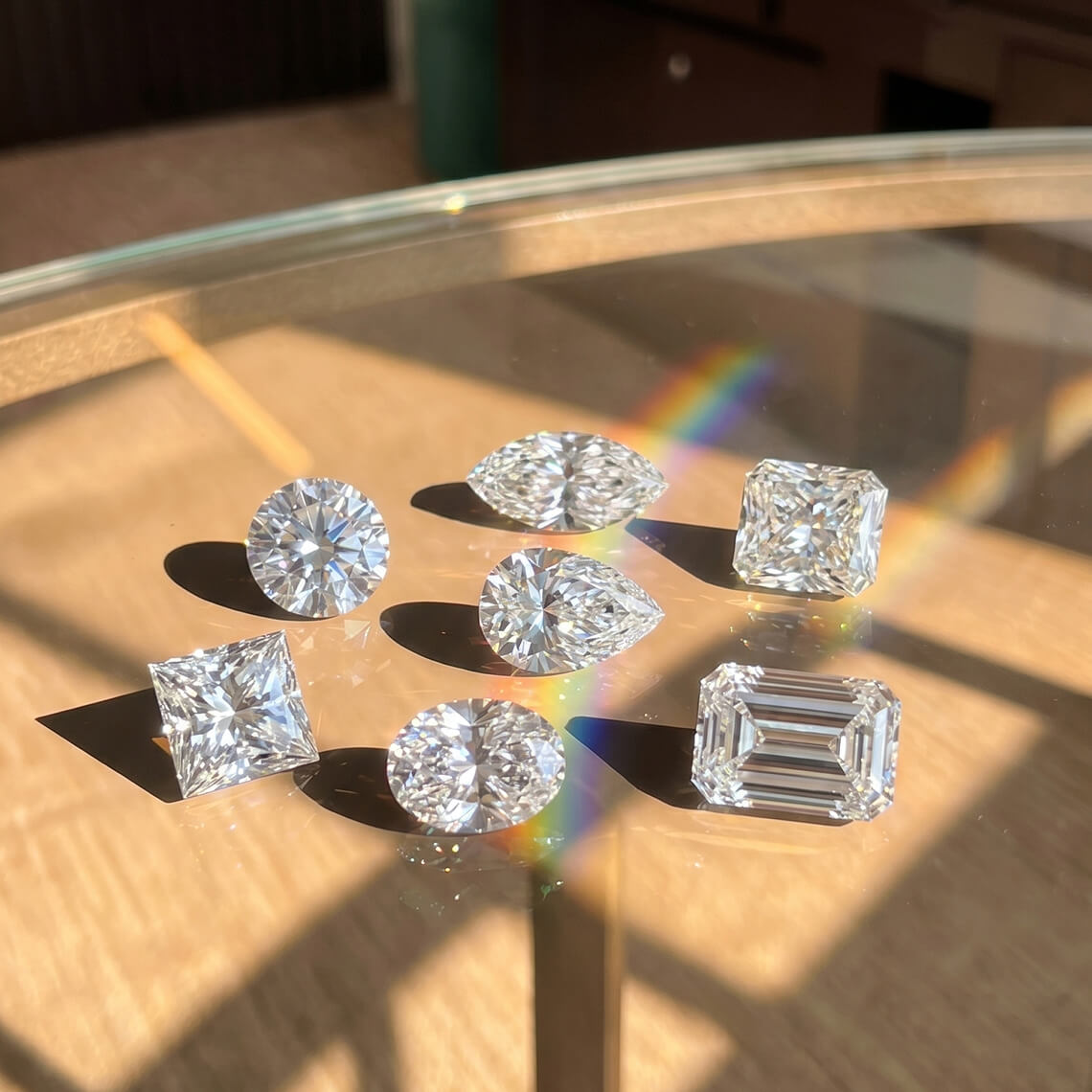
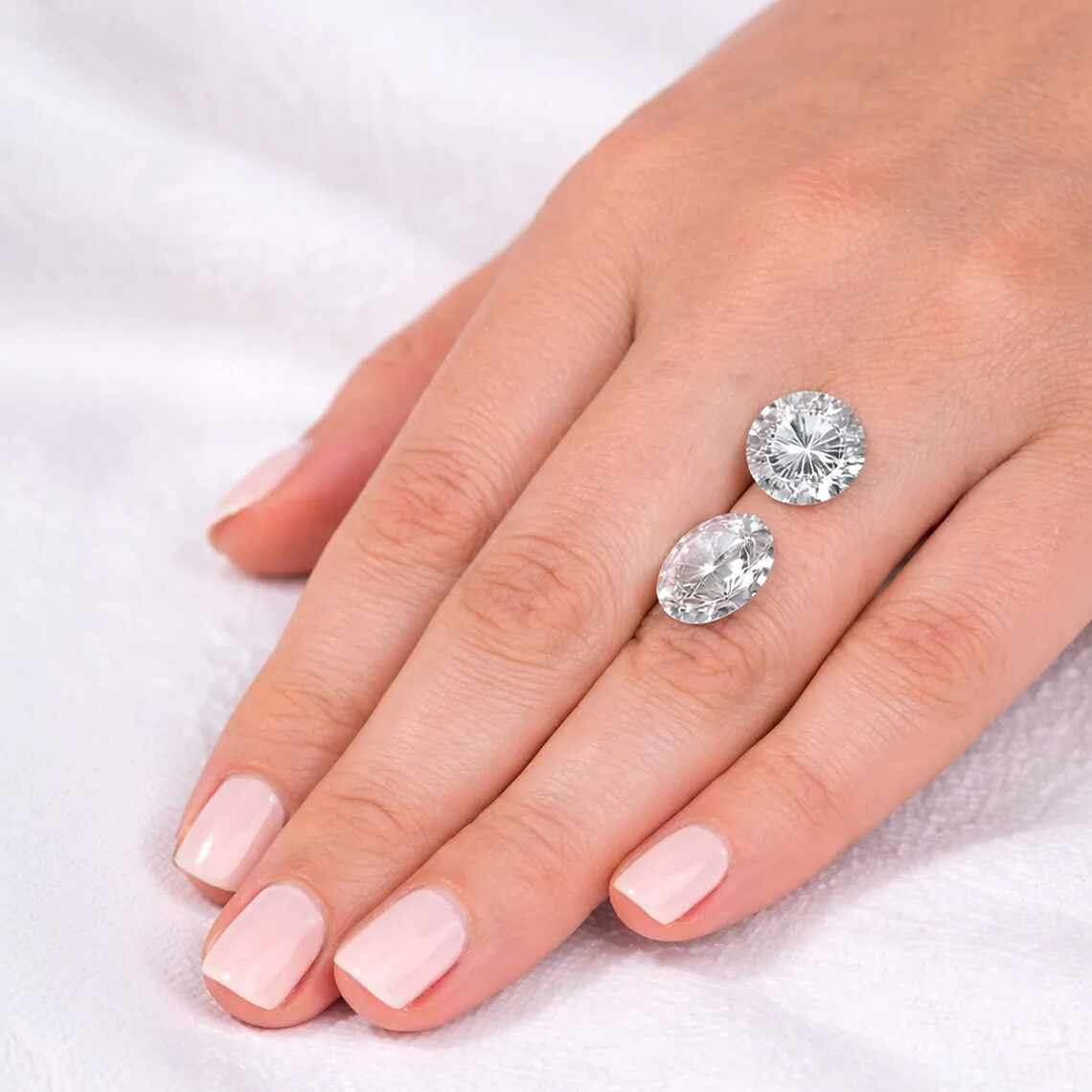
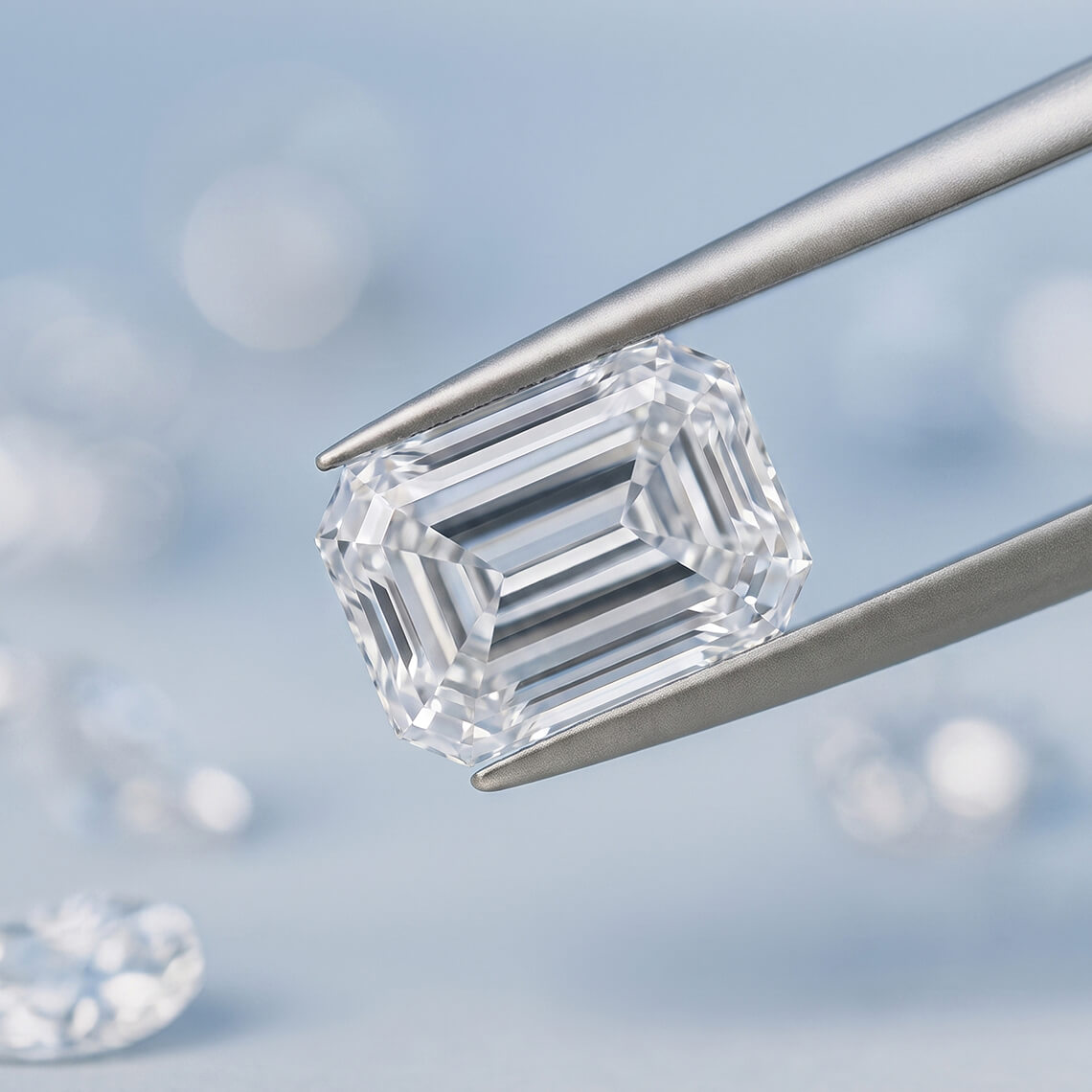
The outcome is that the stones can be cut and polished into various forms, like natural diamonds, including rounds, ovals, and emerald cuts.
Is a Lab-Grown Diamond Really a Diamond?
Yes. Lab-grown diamonds have the same composition and crystal structure as natural diamonds. They both comprise mostly crystallised carbon, the material that gives them their sparkling nature and extreme hardness.
Composition, appearance and durability
A lab-grown diamond is equally good for jewellery as a natural diamond. Both are rated 10 on the Mohs scale of hardness, but hardness does not make either diamond immune from being damaged. A strong shock can cause chipping, and a loose setting can expose the diamond to risks. The appearance of a diamond will vary according to its own characteristics. If you are going to buy lab diamonds for comparison, consider the following:
-
Cut: This influences how well the diamond reflects light.
-
Colour: It tells about the colourless state of the diamond based on its grade.
-
Clarity: This indicates any inclusions and blemishes in the diamond.
-
Carat: This tells the weight of the diamond.
Lab-grown diamonds vs. simulants
Cubic zirconia and moissanite are two such alternatives that have a diamond-like appearance but are made from other substances. Lab-grown diamonds have the same chemical and crystalline structure as natural diamonds. Simulants do not have these properties.
It is difficult to differentiate a lab-grown diamond from a natural diamond on the basis of appearance. It becomes essential to use specialised gemological equipment to establish the source, and this is why documentation is vital.
Should You Go for Lab-Grown Diamonds?
Let us suppose that you have a budget for an engagement ring. You can use that money to purchase a smaller natural diamond or go for a lab-created one, which will give you more freedom to opt for a bigger carat, a better colour, or even a more intricate setting.
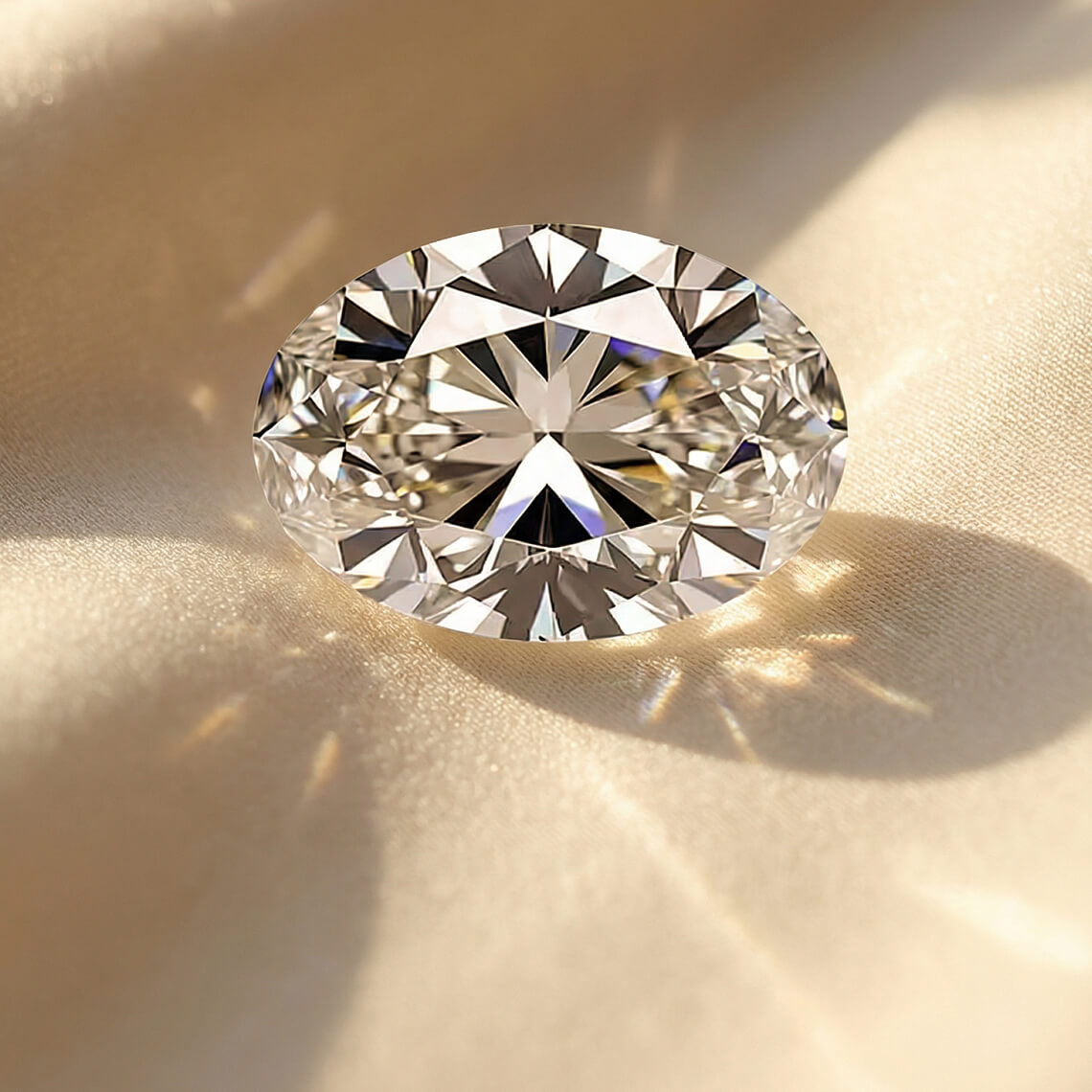
This freedom is real and especially useful when a buyer already has a certain design in mind. For instance, a buyer who likes elongated ovals may find it easier to focus on the proportionality of the diamond without overspending the budget. Another buyer may prefer a smaller natural diamond and put extra money on the platinum band.
It should be noted that size and grading are not all there is to a diamond. Some people like the idea that their diamonds were created deep in the Earth millions of years ago. Others want to pay less money for a diamond that has the same physical properties.
Lab Diamonds: Pros and Cons
|
Pros |
Cons |
|
Lower cost |
Lower resale potential |
|
More options under a fixed budget |
Less rare from a geological perspective |
|
Same physical and chemical properties as natural diamonds |
Prices may be affected by changes in the supply. |
|
Graded by IGI or GIA |
Origin may be important for some consumers |
How to Buy Lab-grown Diamonds in the UK
Now that you know which category will be best for you, it is better to focus on comparing stones themselves rather than their weights or advertised discounts.
Get the grading report
Ensure that the grading certificate is issued by a reputable gemological laboratory like the Gemological Institute of America (GIA) or the International Gemological Institute (IGI). Make sure that the diamond is listed as laboratory-created and look at its dimensions, carat weight, colour, clarity, and cut details. The grading report describes the features of the stone but does not guarantee its worth.
Comparing the complete ring
Before you buy lab diamond rings, make sure you do a comparison between similar diamonds and measure their dimensions, as well as consider their weights. Even stones with equal weights can vary in appearance once mounted, and it is the cut that will influence the sparkle of diamonds. Keep in mind that it is not only the diamond and the cost that you should consider but also the ring setting, the type of metal and the making of the jewel.
Check the retailer's policies
Friendly Diamonds provides customers from the UK with both IGI, GIA and GCAL certified diamonds as well as the opportunity to have their own ring made through selection of the setting and diamond. Among other published customer policies, Friendly Diamonds offers a 30-day return guarantee and free ring resizing within the specified period of eligibility, as well as a lifetime warranty against manufacturing defects.
Conclusion
So, what’s your verdict: are lab-grown diamonds worth it? If you're looking for a diamond and wish to invest the funds into making the stone or ring look better, this is a fantastic choice. If geological rarity and authenticity matter to you, then perhaps a mined diamond could hold more significance for you.
Look at the certified diamonds, be realistic about the resale value, and make your choice based on what will matter to you while wearing the ring.
FAQs
Can the value of lab-created diamonds decrease?
Is it possible to distinguish lab-made diamonds from natural diamonds?
Will lab-made diamonds last a lifetime?
Are lab-created diamonds more affordable in the UK?
Are lab-created diamonds profitable investments?