Flat 50% OFF sitewide!
NOW & ON BLACK FRIDAY!




Are Tennis Bracelets Worth It? Price, Value And What UK Buyers Should Know
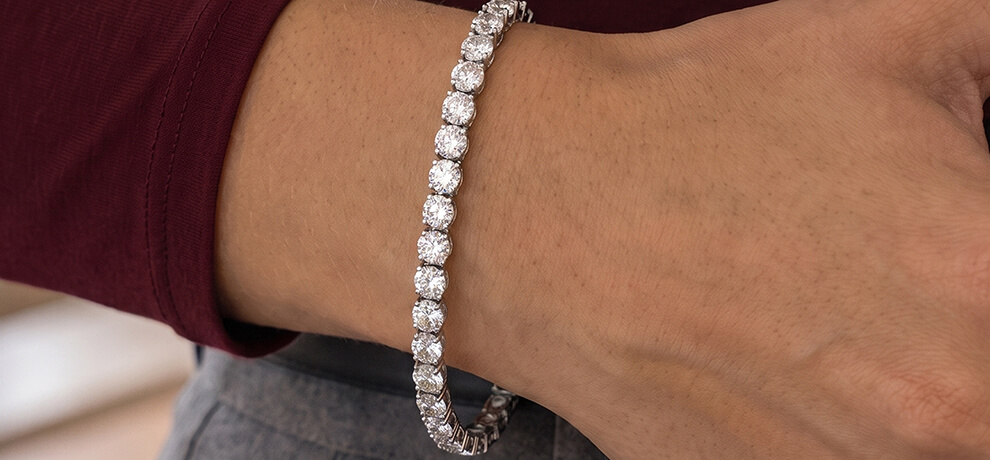
The timeless style of tennis bracelets paired with dazzling diamonds makes them one of the most sought-after accessories today. But with prices running between £1,000 and a few thousand pounds, a typical question that arises among many UK customers is: Are tennis bracelets worth it? Whether or not they are will depend on the purpose you have in mind when buying this piece of jewellery. This blog will shed some light on the cost and the quality of tennis bracelets in the UK.
Table of Content
- Is a Tennis Bracelet Worth Buying?
- How Much Does a Tennis Bracelet Cost in the UK?
- Why Are Tennis Bracelets So Expensive?
- Tennis Bracelet Pros and Cons
- Lab-Grown vs. Natural Tennis Bracelets: Which Is Better Value?
- Can You Wear a Tennis Bracelet Every Day?
- Do Tennis Bracelets Hold Their Value?
- Do People Still Wear Tennis Bracelets?
Is a Tennis Bracelet Worth Buying?
Yes, for most people, certainly, as daily jewellery and not investment jewellery. The tennis bracelet will provide classic styling, sparkling diamonds, and enough versatility to be able to wear it with casual, business, and formal attire.
It is a good purchase if you want to buy something that you will wear all the time rather than saving it for specific times only. However, you should ensure that the price, diamond quality, metal, and construction suit you.
A tennis bracelet is worth buying if:
-
You need a flexible diamond bracelet that can match different types of clothing.
-
You like timeless jewellery that is not influenced by passing trends.
-
You need a unique gift for your anniversary, birthday, or other important events.
-
You appreciate the look of diamonds, but you do not mind selecting between natural and lab-grown diamonds.
-
You are ready to invest in jewellery just for yourself.
It may not be worth buying if:
-
You assume that the bracelet is an asset whose value increases over time.
-
You do not wear bracelets, or you love lightweight accessories.
-
It would stretch your budget.
-
You want an accessory that requires minimal maintenance.
One of the top reasons for purchasing one is because you love wearing it. Its sustained value derives from its style and functionality, rather than its investment qualities.
How Much Does a Tennis Bracelet Cost in the UK?
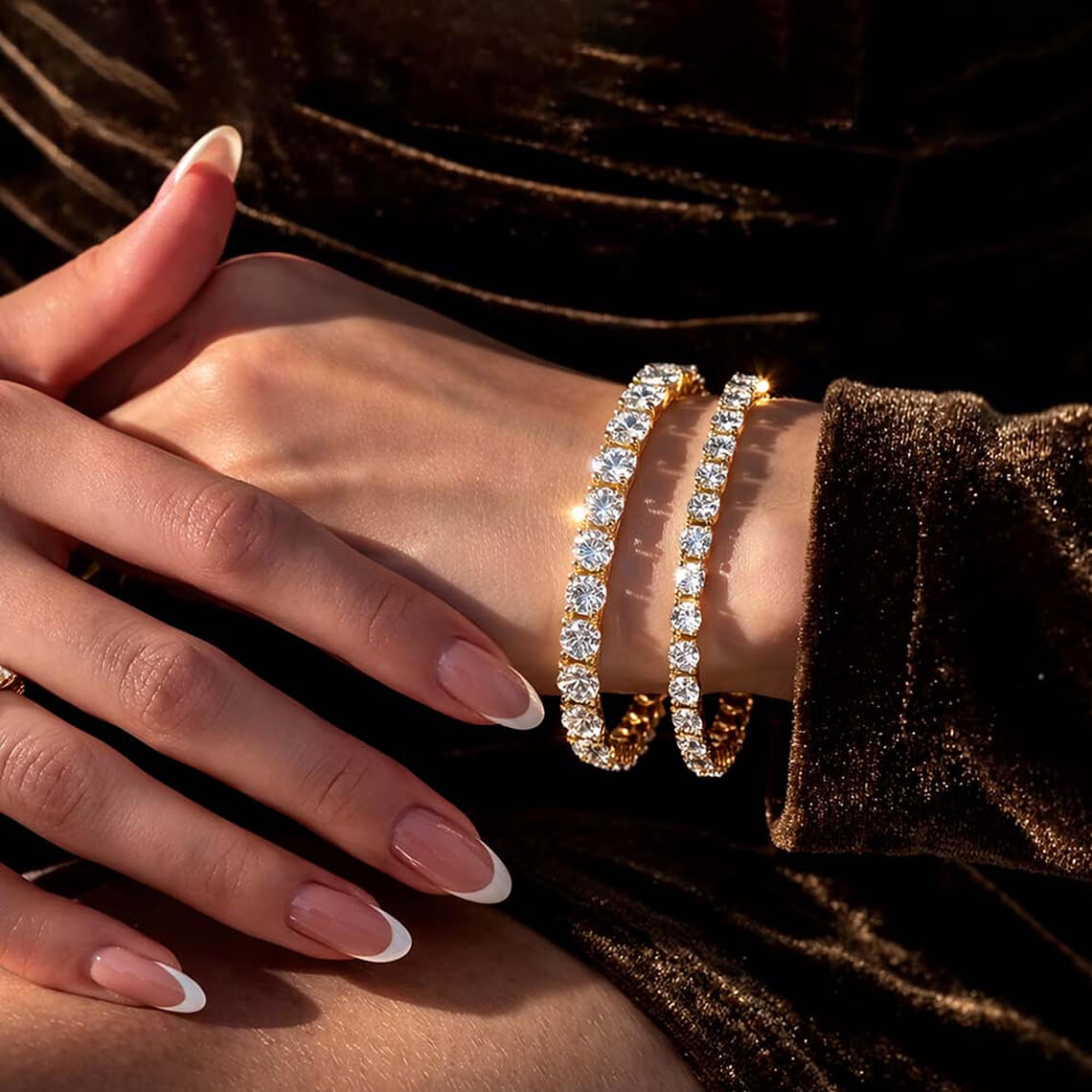
A tennis bracelet may be priced anywhere between £1,000 and a few thousand pounds, depending on the diamond carat weight, diamond source, metal, and workmanship. A natural diamond bracelet can cost more than its lab-grown counterpart.
Friendly Diamonds' British collection offers good examples of lab diamond prices.
Friendly Diamonds' price examples as of 13 November 2026:
|
Bracelet Example |
Metal |
Total Carat Weight |
Displayed Price |
|
Darcy Round |
Gold options |
Collection listing starts at 2ct |
£1,100 |
|
Aldea Oval |
Gold options |
3ct and above available |
£1,415 |
|
Serene Pear |
9ct white gold |
10ct |
£2,905 |
|
Serene Pear |
14ct white gold |
10ct |
£3,955 |
Prices are based on advertised promotional prices and not permanent standard prices. Collection and individual item pages might have varying offers, so please confirm the metal and carats used before buying.
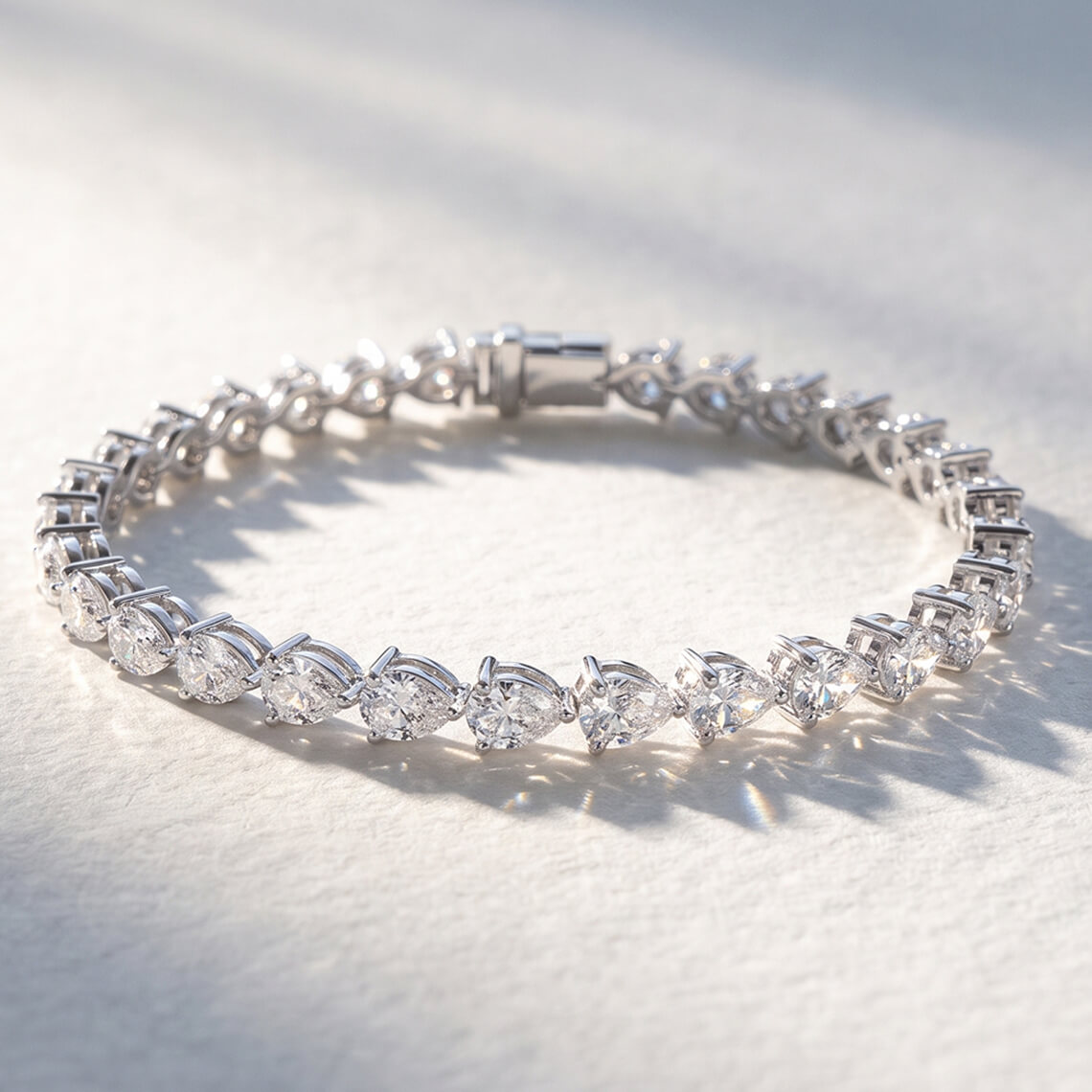
Take, for instance, the 10ct Serene Pear bracelet, which goes for £2,905 in 9ct white gold and £3,955 in 14ct white gold. This shows the impact of metal on the cost of the final product despite having the same diamond design and total carats.
How much should you spend on a tennis bracelet?
There is no set figure that determines whether tennis bracelets are worth it. This depends on how often you would be wearing it and the look that you desire.
-
£1,000 - £1,500: A basic range for selected small total carat lab-grown bracelets.
-
£1,500 - £3,000: More choices in diamond carats, cuts, and setting styles.
-
Over £3,000: Larger total carat weights, bigger designs, and higher-quality metals.
Why Are Tennis Bracelets So Expensive?
A tennis bracelet is studded with many diamonds, which must all be carefully chosen, paired, and fitted securely into a flexible metallic frame. These factors determine the cost of the bracelet.
1. Total diamond carat weight
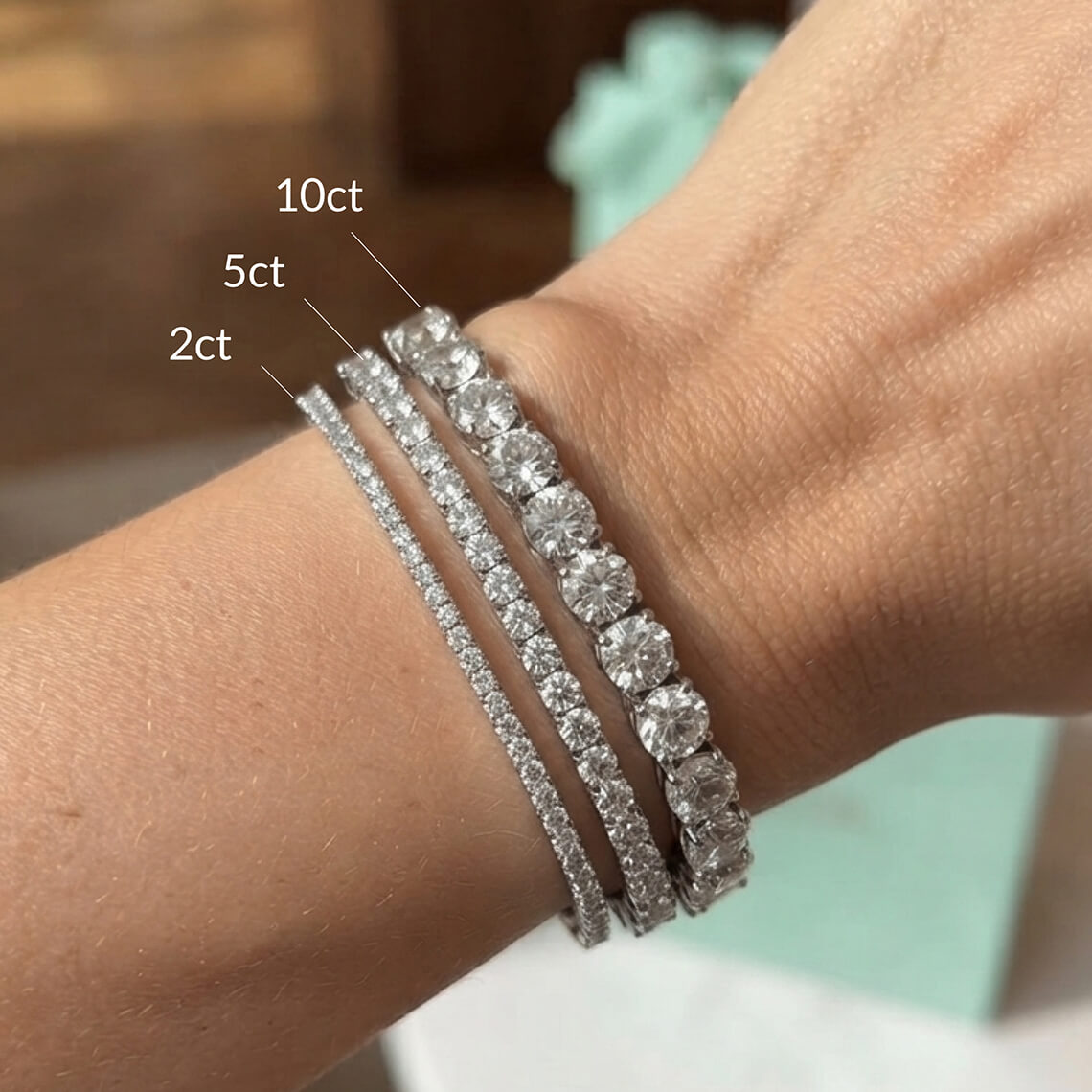
Total carat weight (TCW) is the total weight of all the diamonds in the bracelet rather than a single diamond.
A 5ct tennis bracelet may have many small diamonds whose total weight equals 5 carats. An increase in the total carat weight usually involves the use of either bigger or more diamonds and, therefore, raises the price.
2. Matching of diamond quality
The diamonds should have a similar look on the bracelet. Inconsistency in terms of colour, clarity, cutting, and other factors can make the row appear uneven.
Selecting diamonds to match in order to achieve a good finish is an important process. Diamond grade may also affect the price.
3. Precious metal
Metal plays a role in the overall look and price of the jewellery item.
-
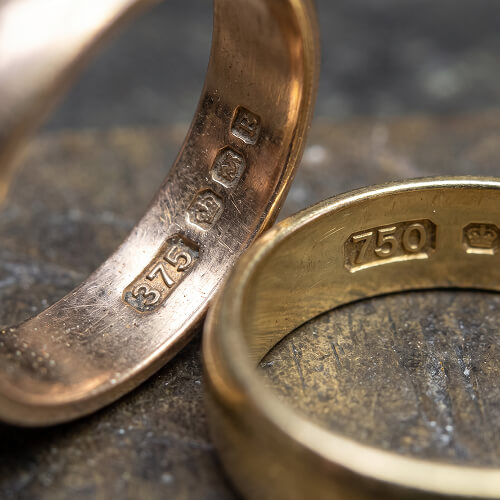
9ct gold is 37.5% pure gold and the most affordable option.
-
14ct Gold contains 58.5% purity.
Platinum is a naturally white precious metal, which, however, is usually more costly in comparison with its gold counterparts of the same designs. Also, different colours (white, yellow, rose gold) have to be considered.
4. Type of setting and clasp construction
Each gemstone must have a proper setting that allows for free movement when the bracelet is worn on the wrist. Different setting styles are available: prongs, bezel, and channel settings provide different looks and degrees of security for the stones.
Another crucial element of design is a clasp. A box clasp with a safety mechanism can ensure that the bracelet will not open accidentally. Links, flexibility, and joints are important aspects of construction.
Tennis Bracelet Pros and Cons
|
Pros |
Cons |
|
Classic design that works with different outfits |
Good-quality designs can be expensive |
|
Suitable for casual and formal styling |
Multiple diamonds require regular setting checks |
|
Available in natural and lab-grown diamonds |
Individual stones can become loose or damaged |
|
Different metals, shapes, and carat weights are available |
A damaged bracelet may need professional repairs |
|
Can be worn alone or stacked with other jewellery |
Not ideal for every physical activity |
The tennis bracelet can be versatile, although its flexible nature requires proper maintenance. The diamonds might be tough, but the setting and the metal chain are still susceptible to wear and tear.
Lab-Grown vs. Natural Tennis Bracelets: Which Is Better Value?
Natural and lab-grown diamonds possess the same chemical, physical, and optical properties. The only difference is where these diamonds originate and their cost.
Lab-grown diamonds are formed in laboratory conditions, whereas natural diamonds are formed below the ground. This difference influences the cost of purchasing these diamonds.
|
Comparison |
Lab-grown tennis bracelet |
Natural diamond tennis bracelet |
|
Diamond origin |
Created in a laboratory |
Formed naturally underground |
|
Appearance |
Same fundamental diamond properties |
Same fundamental diamond properties |
|
Durability |
Diamond hardness and durability |
Diamond hardness and durability |
|
Purchase price |
Generally more affordable |
Generally more expensive |
|
Diamond availability |
More flexibility in larger sizes within a budget |
Larger total carat weights can cost considerably more |
|
Resale prospects |
Generally weaker resale demand |
More established secondary market |
|
Best suited to |
Buyers prioritising appearance and budget |
Buyers who prefer natural origin and established natural-diamond demand |
Is a lab-grown tennis bracelet worth it in the UK?
Yes, especially if you would like a bigger diamond bracelet without having to spend on natural diamonds. The lab-grown variety enables the buyer to use more of their money on carat weight, metal, and design.
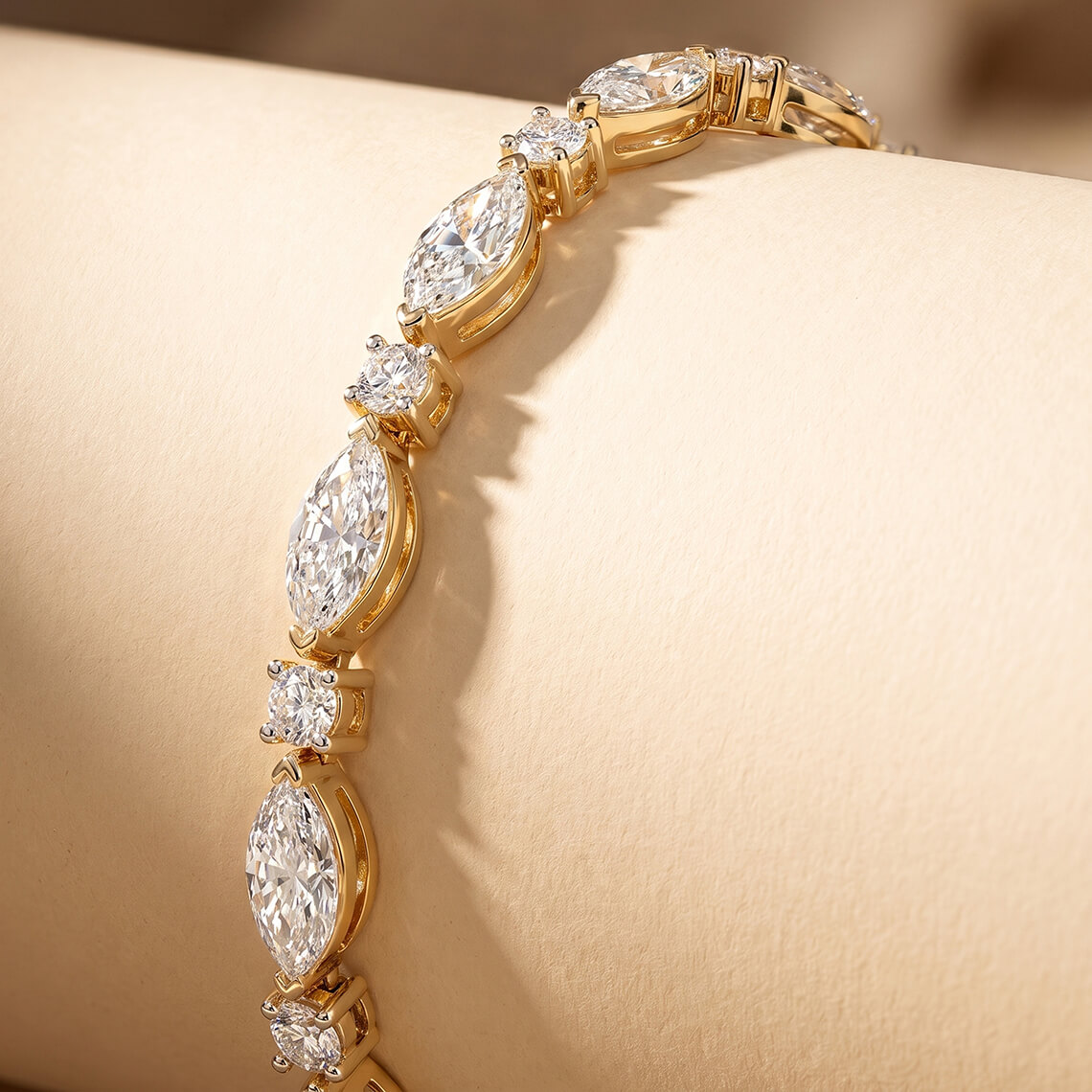
Friendly Diamonds offers lab-grown tennis bracelets in 9ct gold and 14ct gold with varying diamond shapes and total carat weight.
The natural diamond might suit the buyer who appreciates geological formation and a more secure resale market. But neither one is a sure investment.
Can You Wear a Tennis Bracelet Every Day?
Yes, an effective tennis bracelet can be worn frequently. Diamonds are the hardest known natural substance based on the Mohs scale of hardness. Nevertheless, being hard does not imply that they cannot get damaged.
If a diamond encounters a strong impact, it can break or chip. The metal chain, as well as its parts, may wear off.
How to Protect a Tennis Bracelet
-
Clasp: Verify that the clasp and safety catches function well before putting it on.
-
Settings: Check whether there are any loose diamonds, bent or damaged prongs, and settings around them.
-
Remove it during exercise: Take it off before engaging in any physical activities.
-
Protect it from impact: Bumping into the bracelet against anything hard may cause damage to its settings and diamonds.
-
Cleaning: Clean it with mild soap water and use a brush as advised by the jeweller.
-
Storage: Store it separately from other diamond jewellery so that it does not get scratched.
The GIA advises checking the settings of your jewellery, since worn-out and damaged prongs may let the diamonds fall off.
Do Tennis Bracelets Hold Their Value?
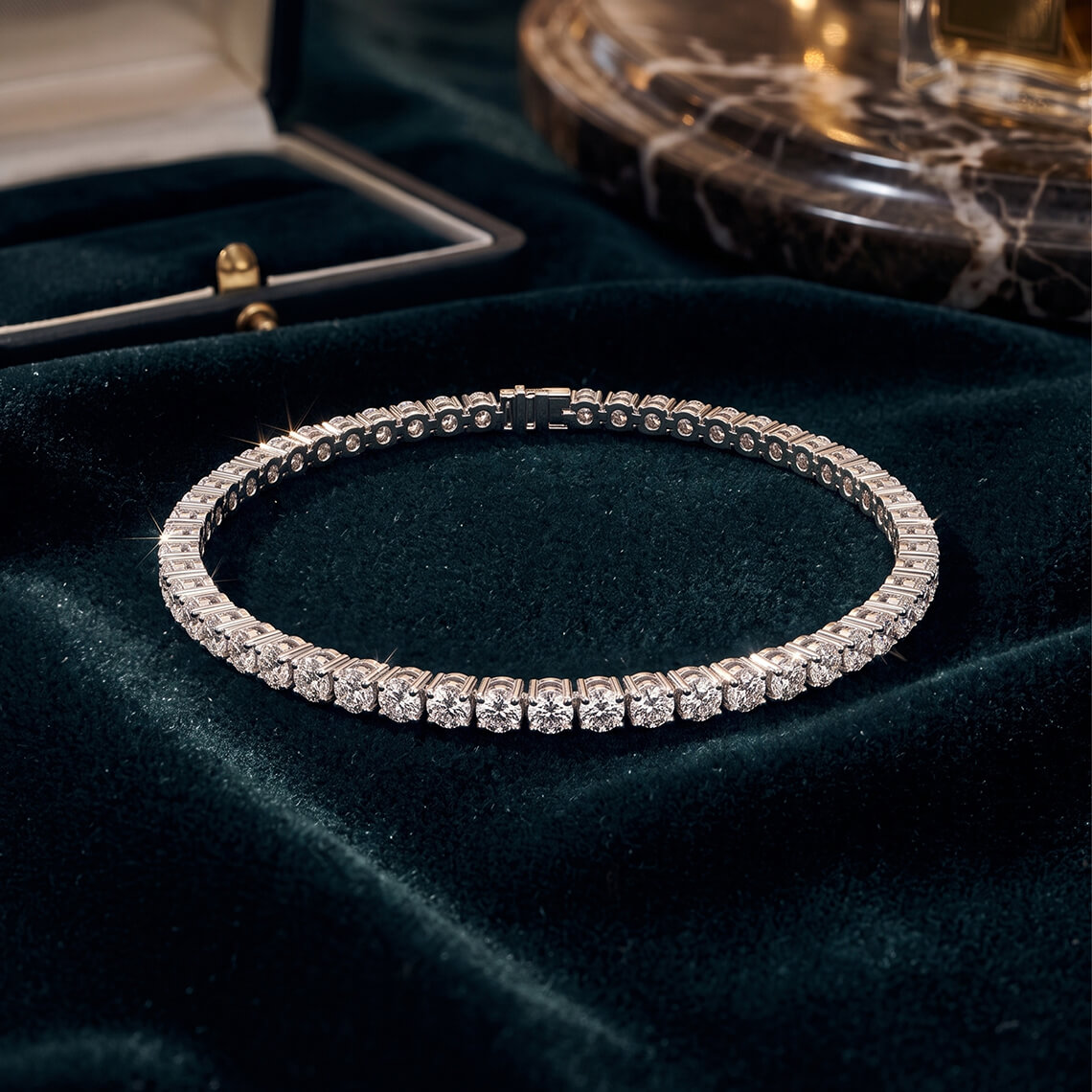
Tennis bracelets are not known to maintain the same retail price upon resale. The resale value of a tennis bracelet is determined by diamond source, quality, carat, metal, condition, paperwork, and the current buying trends.
A tennis bracelet with a natural diamond tends to be more in demand on the resale market than one with lab-created diamonds. Nonetheless, this does not imply that a natural diamond bracelet can always recover the initial purchase price.
Lab diamonds have less resale potential since their production may lead to an increased supply while retail prices have dropped over the years.
Resale and trade-in value are two different things. There are jewellers who give trade-in offers, although these are subject to individual policies.
Friendly Diamonds, for example, provides lifetime trade-in value for its tennis bracelet range. Buyers should check the relevant trade-in value instead of taking this as an assurance of cash resale at the original purchase price.
If your main concern is resale value, you might want to compare the second-hand market value before buying. Otherwise, if you want a tennis bracelet for personal use, then the design, quality, and price should take precedence.
Do People Still Wear Tennis Bracelets?
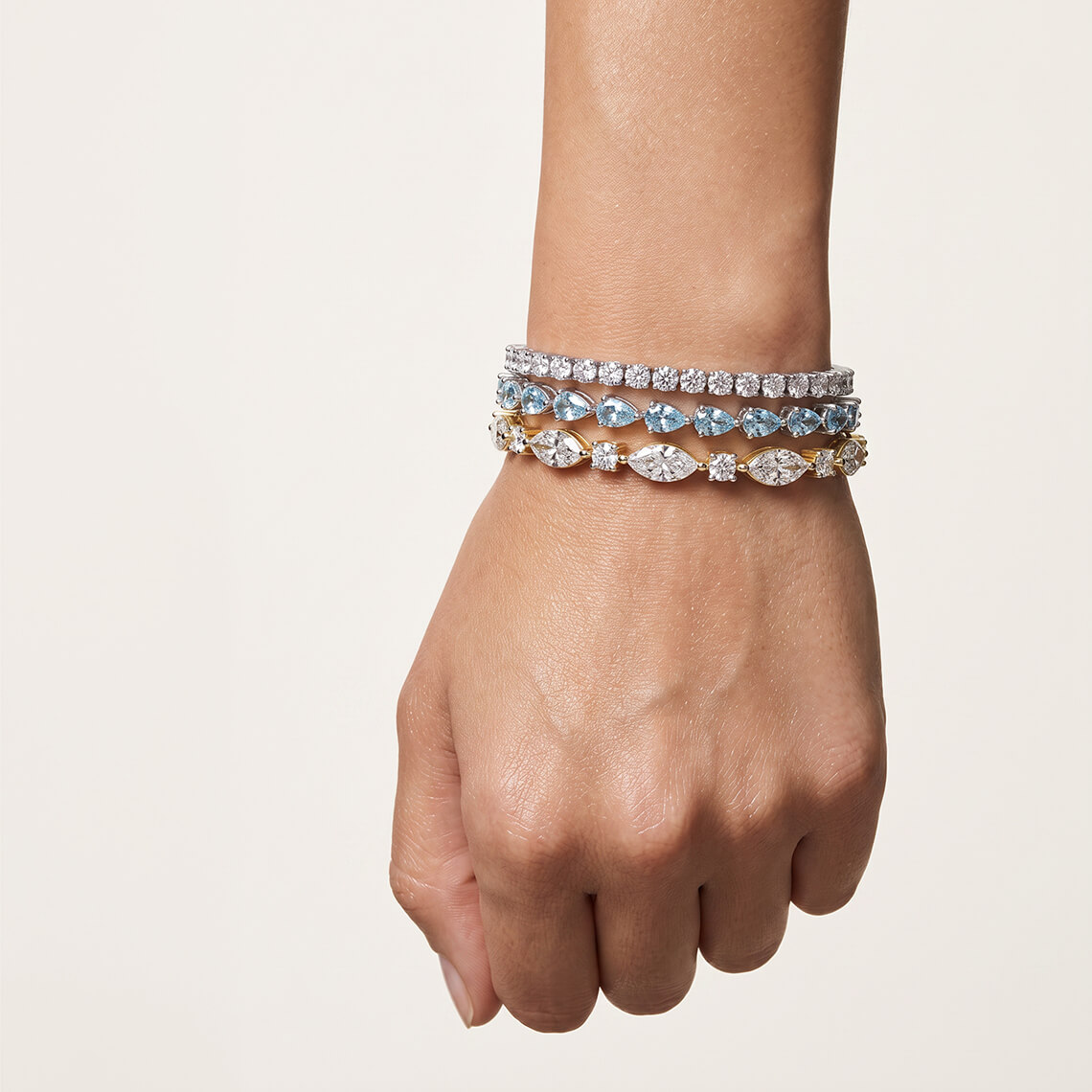
Absolutely. Tennis bracelets continue to be very popular due to the timeless nature of the design that blends well with any classic and contemporary jewellery designs. These pieces have also been given a new lease of life by celebrities and the popularity of tennis fashion and Wimbledon.
In particular, the Wimbledon season of 2026 has made the design fashionable once again, as the stars have been seen wearing diamond and coloured stone pieces at the tournament.
How to Style a Tennis Bracelet
-
With a watch: It is suitable to wear it along with a watch to make an elegant combination.
-
With other bracelets: Stack it with a thin gold bangle or chain bracelet.
-
With casual clothes: Team a delicate style with a shirt, knitwear, or plain dress.
-
On formal occasions: Wear it without any other jewellery so that the diamonds can create a continuous sparkle.
Tennis Bracelets for Men
Tennis bracelets are not only for ladies' jewellery. Men can use them as standalone accessories or pair them up with watches and other metal bracelets.
Larger sizes, dark metals, black diamonds, and more discreet settings can cater to individual preferences. It really depends on wrist size, comfort, and the look one wishes to achieve.
FAQs
Are tennis bracelets a good gift?
What carat tennis bracelet is the best value?
Do tennis bracelets break easily?
Are tennis bracelets worth it for men?