Flat 50% OFF sitewide!
NOW & ON BLACK FRIDAY!




Lab-Grown Diamond Resale Value: What UK Buyers Should Know
When it comes to diamonds, one question that often comes to mind is: What if I decide to sell this diamond later? Would I get a good price for it? In the case of lab-grown diamonds, the answer is fairly simple: they generally have low resale value in the open market. This does not mean that lab-grown diamonds are a bad purchase. Their growing popularity reflects increasing consumer interest, but it does not necessarily translate into strong second-hand demand.
Table of Content
- What Does “Value” Mean for a Lab-Grown Diamond?
- Lab-Grown Diamonds Resale Value in the UK
- Why Lab-Grown Diamonds Lose Value
- Lab-Grown vs. Natural Diamond Resale Value
- What Affects Lab Diamond Resale Value?
- Is a Lab-Grown Diamond Worth Buying If Resale Is Low?
What Does Value Mean for a Lab-Grown Diamond?
If you hear someone mention diamond value, they could be talking about the retail price of the diamond, the resale value, the insurance value, or the wearing value. Each value is different and equally significant.
-
Retail Price
The retail price of a diamond refers to the price paid by the buyer to the retailer at the time of purchase. This price fluctuates as per market demand, production scale, and ongoing discounts with different retailers.
-
Resale Value
The lab-grown diamond resale value refers to the price a buyer will pay you at the time of resale. This value is generally lower than the original retail value.
-
Insurance Value
Insurance value refers to the estimated cost of replacing the diamond in case of theft, loss, or damage. This value is generally higher than resale value as it considers the cost of buying a similar diamond at retail.
-
Wearing Value
Wearing value is the value or enjoyment you receive from wearing your jewellery. This value is subjective and differs from person to person.
Do Lab Grown Diamonds Have Resale Value in the UK?
The short answer is yes, lab-grown diamonds do have resale value in the UK. However, finding a buyer may prove to be a difficult task. In case you do find a buyer, the chances of getting a good price, or anywhere near the retail price of the diamond, are lower.
What UK buyers actually offer
The resale value you can fetch for a lab-grown diamond may vary from buyer to buyer. Some jewellers may refuse to buy, and others may offer a fraction of the price. One way to find the resale value for a lab-grown diamond is to do a quote test.
Share the characteristics of a diamond with multiple buyers and get a quote. For a fair comparison, share all the essential diamond information with the prospective buyers. This includes:
-
Diamond Shape
-
Carat Weight
-
Clarity
-
Colour
-
Cut of the Diamond
-
Grading Report
-
Date of Purchase
The resale value of a lab-grown diamond can vary significantly depending on its specifications, condition, and current market demand. Some buyers may offer only a small fraction of the original purchase price, while others may not be willing to buy it at all. Getting quotes from multiple buyers is the best way to understand what your diamond may be worth on the resale market.
Why lab diamonds are hard to resell
There are several reasons why lab-grown diamonds are hard to resell.
-
Falling Prices for Lab-grown Diamonds
As production scales up, the cost of manufacturing lab-grown diamonds decreases, making new stones more affordable. According to Bain & Company's Global Diamond Report 2018, estimated lab-grown diamond production costs fell by approximately 90% between 2008 and 2018.
As new lab-grown diamonds become more affordable, pre-owned stones may find it harder to compete with newly purchased ones, making them less appealing to potential buyers.
-
The Second-hand Market is Limited
Only some jewellers have a buyback or trade-in policy for lab-grown diamonds. If the jewellers have a buyback policy, the price is less than the original purchase price.
Some jewellers, including Friendly Diamonds, offer a lifetime trade-in policy where you can trade in your current diamond for a new one.
-
Original price Covers More Than the Diamond
The price of a piece of jewellery includes more than just the diamond. It may also account for the setting, craftsmanship, design, and taxes. When reselling the piece, buyers generally assess the diamond and the metal setting separately rather than considering the original retail price of the entire piece.
Why Lab-Grown Diamonds Lose Value
We have now established the fact that lab-grown diamonds lose value over time. Let’s find out why.
Increase in Production Scale
Advancements in technology have made lab-grown diamonds easier and less expensive to produce. As production has increased, the prices of new lab-grown diamonds have declined over the years. This makes it harder for pre-owned stones to compete with newly purchased ones, reducing their appeal in the resale market.
Lack of a Rarity Factor
Natural diamonds form over millions to billions of years beneath the Earth's surface, making their supply limited. This geological rarity contributes to their appeal among certain buyers and supports demand in the natural diamond market. Lab-grown diamonds, on the other hand, can be produced in controlled environments, making their supply less constrained by natural formation. As a result, they may not carry the same rarity appeal for buyers who value natural origin.
Lower Prices of New Lab-Grown Diamonds
Lab-grown diamonds are generally more affordable than comparable natural diamonds. This makes buying a new lab-grown diamond an accessible option for many shoppers. Since new stones are readily available at competitive prices, buyers may have little incentive to purchase pre-owned ones, especially considering the affordability.
Retail Mark-up and VAT
The jewellery does not consist of the diamond itself. The piece accounts for the setting, craftsmanship, tax, and design as well. When you are reselling, buyers assess the piece based on the current market value, and the VAT and retail markup do not automatically carry over.
Lab-Grown vs. Natural Diamond Resale Value
|
Factor |
Lab-grown diamonds |
Natural diamonds |
|
Purchase price |
Generally 75–85% more affordable than comparable natural diamonds, according to the Natural Diamond Council, although the price difference varies by specifications and retailer. |
Significantly higher due to natural rarity and established market demand |
|
Typical resale value |
Often very low; some sellers may receive little to no offer from jewellers |
May retain a portion of the original diamond price, especially for larger, desirable stones |
|
Second-hand demand |
Limited, with fewer established resale and buyback options |
More established resale market, particularly for desirable certified stones |
|
Investment status |
Not considered an investment; prices have fallen significantly as production has expanded |
Also not a reliable investment; select rare stones may hold value better, but most lose value when resold |
Do natural diamonds hold their value?
Natural diamonds generally resell for less than their original purchase price. However, some rare diamonds can retain value better, particularly those with exceptional characteristics such as rare colour, larger carat weights, and high quality.
According to Suttons & Robertsons, natural diamond engagement rings typically resell for around 30–55% of their original retail price, depending on factors such as certification and brand.
One of the main reasons for this difference is the retail markup and VAT included in the original purchase price. Other factors, such as diamond quality, rarity, condition, and resale demand, can also affect the final value.
So, if you're considering buying diamonds purely as an investment, it's worth knowing that they may not be the most reliable way to grow your money. It's better to choose a diamond you love rather than expect it to deliver a financial return.
What Affects Lab Diamond Resale Value?
The resale value of your lab diamond is measured by market factors as well as the quality of your diamond. If you have a diamond you want to sell, these are the aspects you must evaluate to find the best value for the diamond.
-
Certification
Diamond certification gives buyers more confidence in the diamond, helping the resale value. A grading report from a recognised gemmological laboratory, such as IGI or GIA, helps potential buyers verify the diamond's characteristics and make a more informed offer.
-
The 4Cs
The carat, clarity, color, and cut grade affect the resale value of the diamond. A diamond with higher carat weight is likely to fetch a better price. The clarity, cut grade, and color of the diamond are equally important in determining the price of the diamond.
-
Brand and condition
A diamond from a recognised jeweller, accompanied by proper documentation, gives the buyer more confidence in the purchase. The condition of the diamond can affect the price of the diamond as well. If the diamond is chipped or damaged in any way, it can drive the price down significantly.
-
The setting and metal (scrap value)
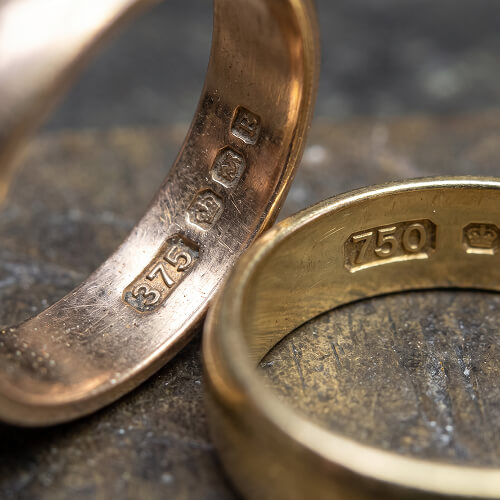
The resale value can include the setting as well as the diamond. However, the value recovered from the setting may depend on its metal content rather than its original craftsmanship and design. The metal's scrap value depends on its purity, weight, and current market price. For example, 18ct gold generally has a higher scrap value than 9ct gold of the same weight.
Ultimately, buyers assess the diamond based on its certification, condition, setting, the 4Cs, and current market demand.
Is a Lab-Grown Diamond Worth Buying If Resale Is Low?
The answer depends on the purpose of your purchase. If your goal is investment, the answer is no. Lab-grown diamonds, as discussed above, lose value and are not a reliable investment. However, if you are buying a lab-grown diamond as something you want to wear, flaunt, and treasure for years to come, then a lab-grown diamond is a great choice.
They offer the same physical, chemical, and optical properties as a mined diamond at a fraction of the price, allowing you to buy a diamond with a higher carat weight and better quality at a much lower price. So, if you are looking for a diamond at an accessible price that you want to hold on to, a lab-grown diamond is perfect for you.
To weigh up the pros and cons in more detail, see our guide on whether lab-grown diamonds are worth it.
FAQs
Are lab diamonds hard to resell?
Do lab-grown diamonds go down in value?
Can you sell a lab-grown diamond to a jeweller?
Will lab diamond prices keep falling?
Is a natural diamond a better investment?
Does IGI certification help resale?
Is the gold or platinum setting worth anything?