


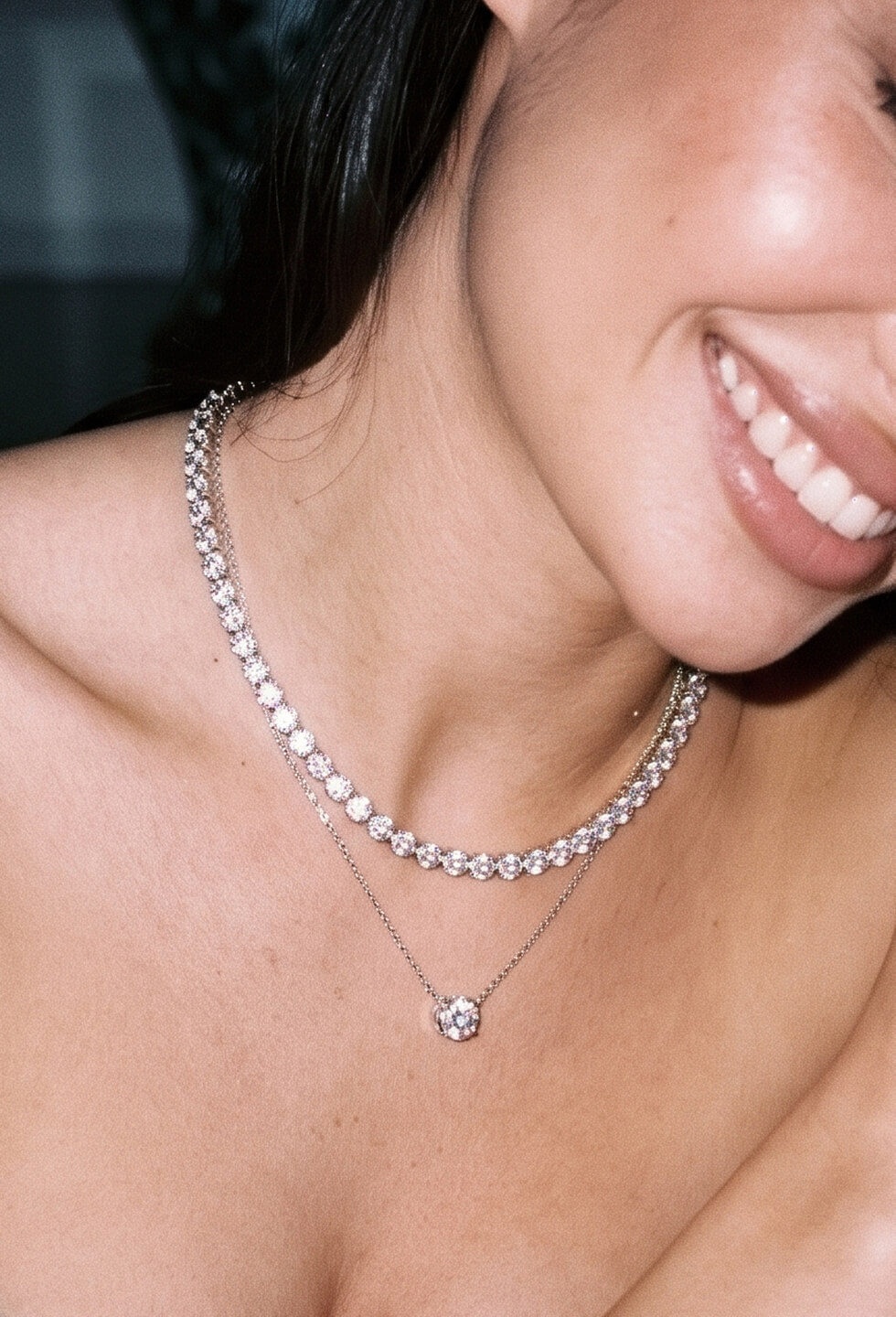


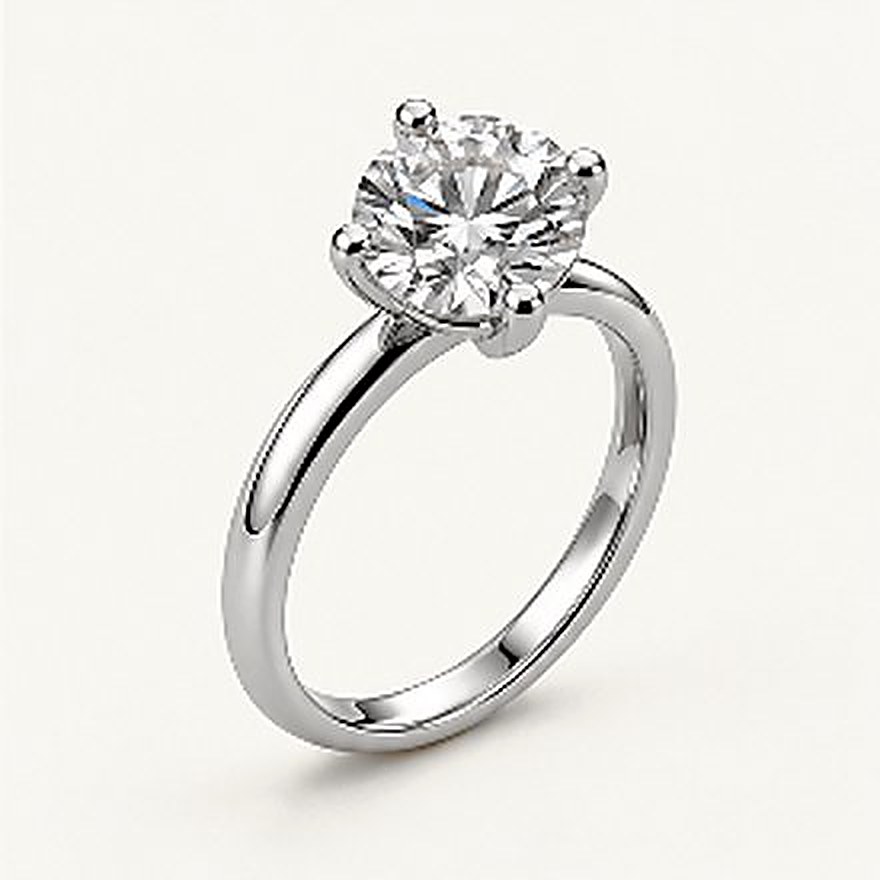
Platinum
Naturally white, weighty and hypoallergenic.
95%pure platinum
Color
Karat
 Flat 50% OFF sitewide!
NOW & ON BLACK FRIDAY!

Home / Education / Metal Guide
For most people, 14K gold is the sweet spot. Gold comes in white, yellow and rose, and its karat sets the gold content: 10K is 41.7%, 14K is 58.3% and 18K is 75%. Platinum is 95% pure, naturally white and much heavier. Compare them side by side below, or take the five-question quiz.
Yellow gold, rose gold or platinum: none need plating.
Platinum, or a higher-karat yellow or rose gold.
Part of the Engagement Ring Guide
Side by side
Pick up to four metals and switch the color or karat on any card. The summary, spec sheet, wear simulator and value calculator all follow your picks.
Naturally white, weighty and hypoallergenic.
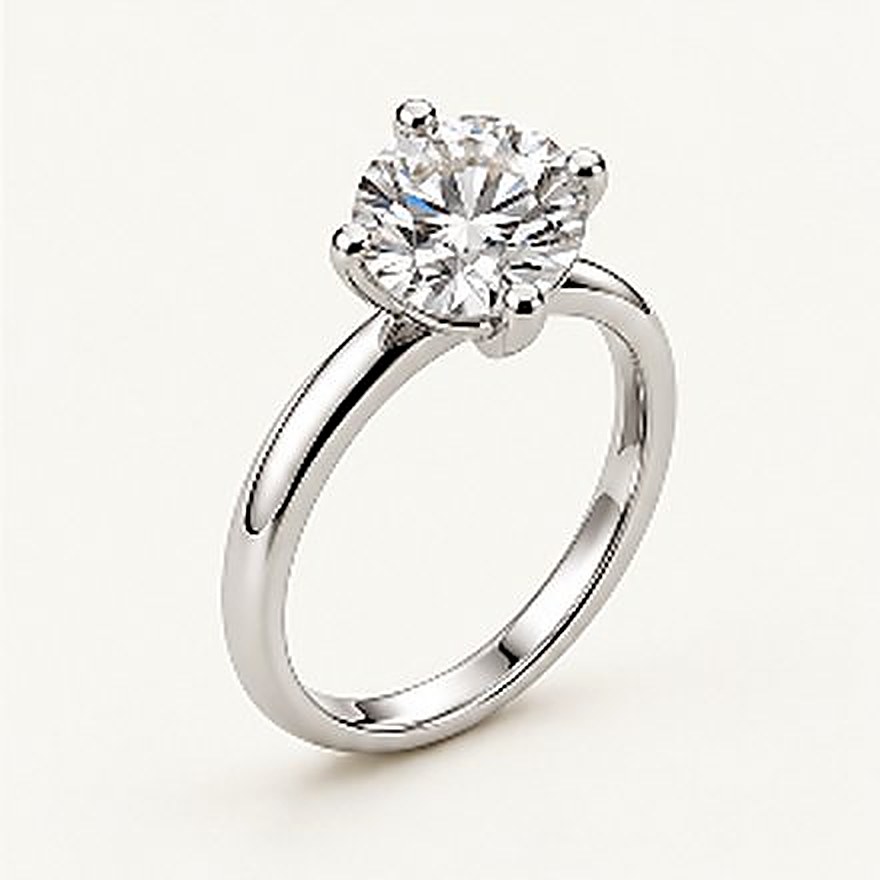
Crisp white for everyday wear.
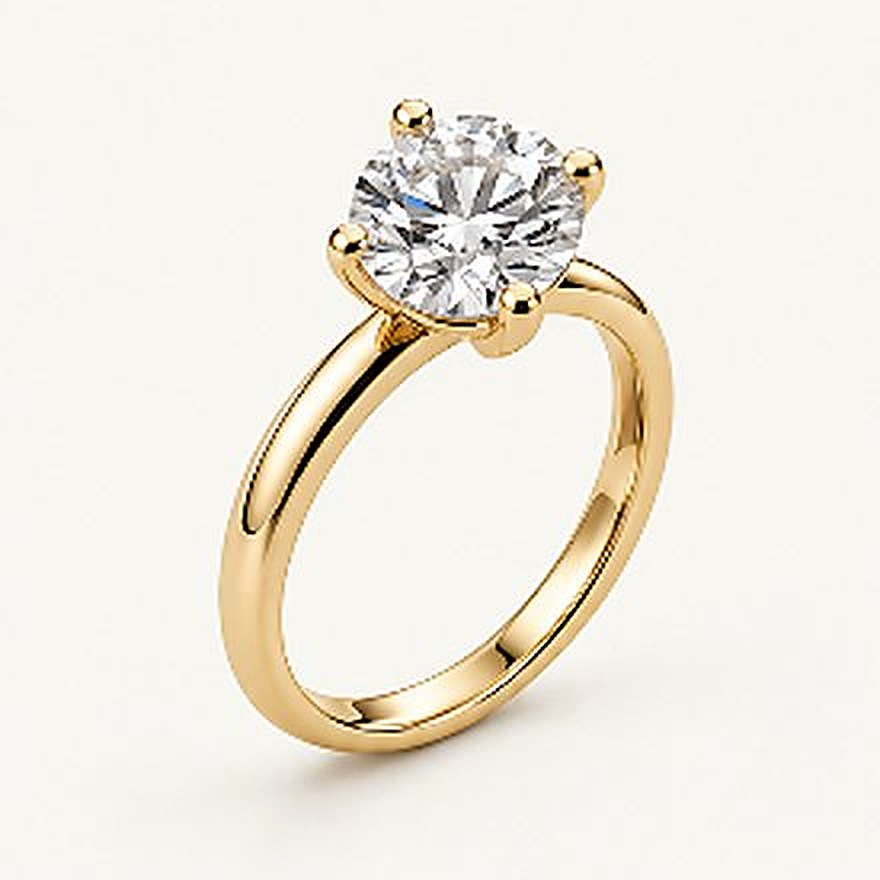
The everyday balance of color and strength.
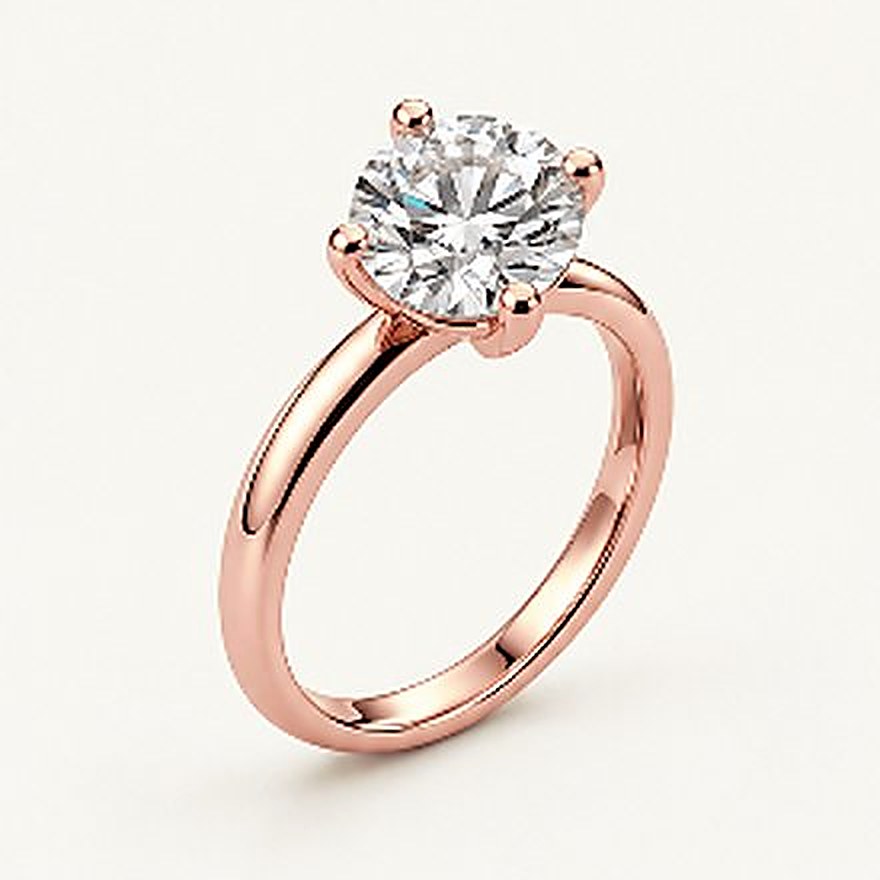
Our most-loved blush tone.
Want the full story on one pair? Read our in-depth comparisons: white vs yellow gold, 14K vs 18K white gold and gold vs platinum.
| Compare | Platinum | 14K white gold | 14K yellow gold | 14K rose gold |
|---|---|---|---|---|
| Precious metal content | 95%Leads | 58.3% | 58.3% | 58.3% |
| Scratch resistance | Moderate | High | High | High |
| Low upkeep | Minimal | Re-plating | Minimal | Minimal |
| Skin friendly | ExcellentLeads | Check alloy | Very good | Very good |
| Weight of a classic solitaire | ≈ 4.1 g | ≈ 2.6 g | ≈ 2.6 g | ≈ 2.6 g |
| Metal value in that ring | ≈ $196 | ≈ $195 | ≈ $196 | ≈ $195 |
| Color | Naturally greyish white that stays white | Bright white under rhodium; warm grey beneath | Warm mid-yellow | Classic blush pink |
| How it wears | Develops a satin patina; metal moves rather than wearing away | Fine scratches polish out; tiny amounts of metal lost over years | Fine scratches polish out; tiny amounts of metal lost over years | Fine scratches polish out; tiny amounts of metal lost over years |
| Upkeep | No plating; polish for a high shine | Rhodium re-plating every 1–3 years | No plating; occasional polish | No plating; occasional polish |
| Sensitive skin | Hypoallergenic for most people | May contain nickel; ask for nickel-free | Generally well tolerated | Generally well tolerated |
| Best for | No plating, sensitive skin, an heirloom feel | Bright white at a gentle price, worn every day | Most people: color, strength and value | Romantic color with everyday durability |
Durability and skin notes describe typical alloys. Exact recipes vary by manufacturer; each product page lists the alloy used.
Fast-forward
Press play or drag the slider to see ten years of everyday wear, side by side with the day each ring was new. Then switch on routine care to see what a quick re-plate or polish brings back.
High polish, naturally white.
Freshly rhodium-plated: bright, icy white.
High polish, color that goes all the way through.
High polish, color that goes all the way through.
What each metal you’re comparing will need. Every service here is a quick visit to a jeweler.
| Metal | Rhodium re-plating | Polishing | Prong check | How it looks over time |
|---|---|---|---|---|
| Platinum | Never | Optional, any time | Every 1–2 years | Settles into a satin patina |
| 14K white gold | Every 1–3 years | With each re-plate | Every 1–2 years | Bright white, warming slowly between re-plates |
| 14K yellow gold | Never | Every few years | Every 1–2 years | Color stays true; fine scratches polish out |
| 14K rose gold | Never | Every few years | Every 1–2 years | Color stays true; fine scratches polish out |
What it’s worth
What the pure gold or platinum in each alloy is worth right now, per gram. Same karat means the same gold value, whether it’s white, yellow or rose.
Size the ring and pick a style. We work out how much it weighs in each metal you’re comparing, and what the precious metal inside is worth today.
Ring weight = band volume (from inner diameter, width and a 1.6 mm comfort-fit thickness) plus the head for the setting style, multiplied by each metal’s typical density. Metal value = ring weight × purity × reference price per gram.
This is the raw precious metal only, not a quote or resale offer. A finished ring’s price also covers the other alloy metals, casting, finishing, setting and the stone. Actual weights vary by design; product pages list the metal weight.
The alchemy of gold
Every gold color comes from just three ingredients. Drag the marker anywhere in the triangle: closer to a corner means more of that metal. The lines show where each karat begins.
A piece is stamped at the highest standard it fully meets. This blend meets the 14K standard.
Gold value: $73.87 per gram of this alloy, or about $222 for a 3 g ring.
Real alloys often add zinc, and white gold needs palladium or nickel. This lab is for learning, not a manufacturing recipe.
Still deciding?
The guide
Karat measures how much of a piece is pure gold, out of 24 parts. 24K is pure gold; 18K is 18 parts gold and 6 parts other metals, or 75%. 14K is 58.3% and 10K is 41.7%. The rest is an alloy of metals like silver, copper, zinc, palladium or nickel, which gives gold its color and strength.
Look inside a ring and you’ll usually find the purity stamped as parts per thousand: 585 for 14K, 750 for 18K and 950 for platinum. Shopping in the UK or India? You’ll also see 9ct (375) in the UK and 22K (916) in India.
Pure gold is always yellow. Yellow gold balances silver and copper; rose gold leans on copper for its blush; white gold uses whitening metals and is usually plated with rhodium for a bright, icy finish. Two rings of the same karat hold exactly the same amount of gold, whatever their color.
Platinum is a different metal altogether. Our platinum is 95% pure and naturally greyish white, so it never needs plating to stay white.
Lower karats contain more alloy metal, which makes them harder and better at resisting scratches and dents. That’s why 14K is the everyday favorite and 18K, with its richer color, is a touch softer.
Platinum wears differently. It scratches about as easily as 18K gold, but the metal moves rather than wearing away, so it settles into a soft satin patina and the prongs keep their bulk for decades.
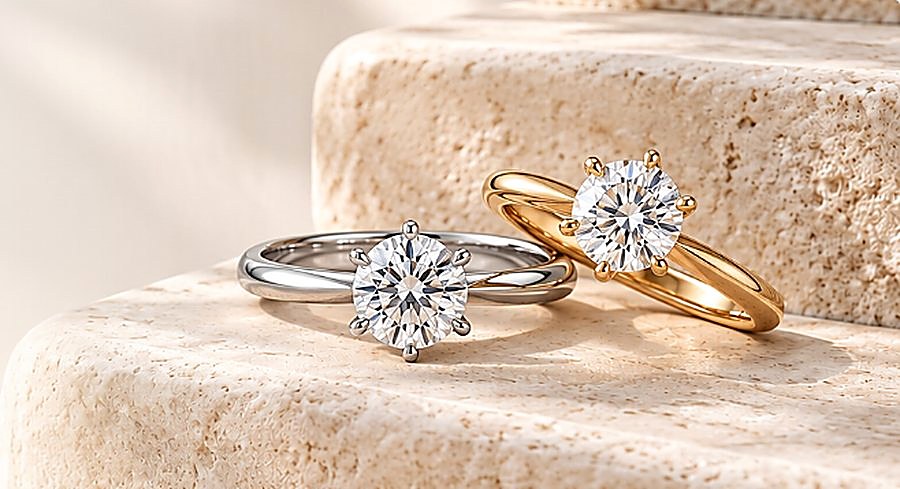
Yellow and rose gold need only an occasional clean and polish. White gold needs fresh rhodium plating every one to three years, depending on wear. Platinum needs no plating; polish it if you prefer a high shine. Whatever the metal, have the prongs checked every 6 to 12 months, or every 3 to 6 months for pavé and eternity bands worn daily.
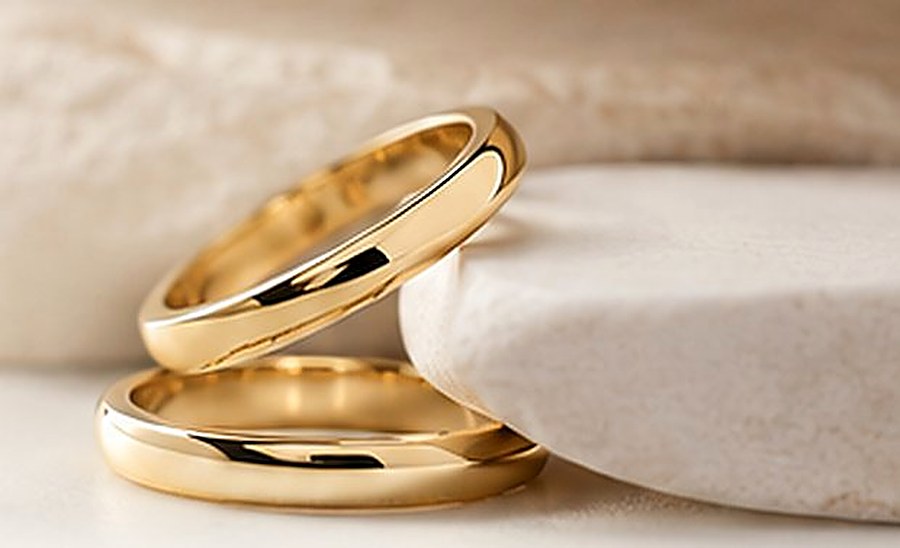
Higher karats cost more because they contain more gold. Platinum trades below gold per ounce today, but a platinum ring weighs far more, is 95% pure and is harder to cast and finish, so finished platinum rings often cost more than 14K gold. The metal is only part of the price: design, craftsmanship and the stone make up the rest.
Questions people ask
For everyday wear, 14K gold balances durability and price. Platinum suits people who want a white metal without plating, or have sensitive skin.
Karat measures gold content out of 24 parts: 10K is 41.7% gold, 14K is 58.3% and 18K is 75%. Lower karats are harder and cost less; higher karats have richer color and more gold value.
Typically every one to three years, depending on how hard the ring is worn. Re-plating is a quick jeweler service that restores the bright white finish.
They’re fineness stamps: parts per thousand of pure metal. 375 is 9K gold, 585 is 14K, 750 is 18K, 916 is 22K, and 950 is 95% pure platinum.
They use a daily reference price for gold and platinum, updated by our team, and the date of the last update is shown next to them. They show the value of the pure metal only, not the price of a finished ring.
No. It is only the value of the precious metal at today’s reference price. A finished ring also includes the other alloy metals, casting, finishing, setting and the stone.
24K is pure gold, and pure gold is yellow. Rose gold gets its color from copper, so it always contains alloy metals.
Go deeper
This guide gives you the tools: compare, age, value and mix metals side by side. For the full story on one pair or one karat, read the in-depth articles below.
Every setting is made to order in the metal you choose.