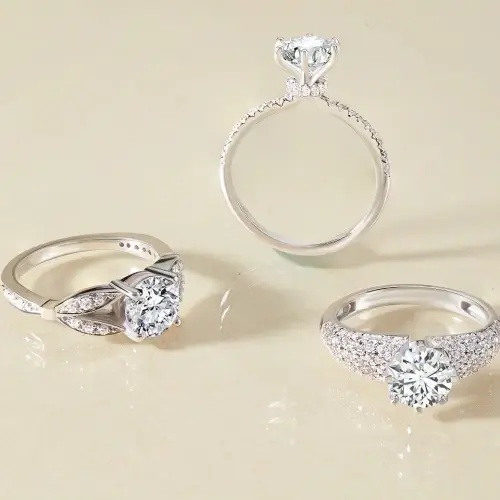
Unlock FREE lab diamond jewelry on purchases over $1,000.



Platinum Vs. Gold: Which Metal Is Right For Your Engagement Ring?
Written by Shelby Montel
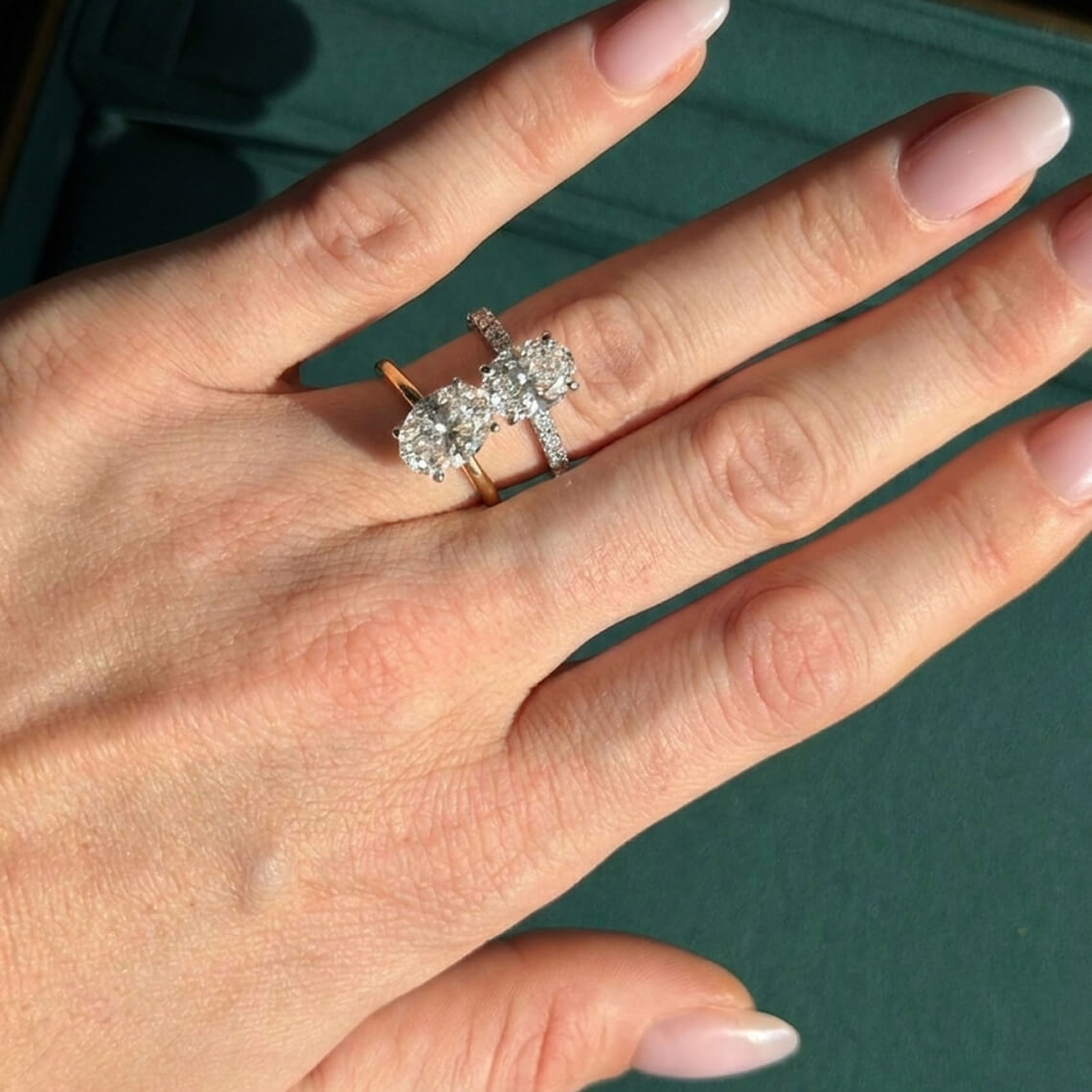
A diamond ring has been discovered. The decision that follows is one that can significantly impact the appearance of your ring. In what metal will you set it?
Platinum, white gold, yellow gold, and rose gold all have the potential to make fabulous engagement rings. Each of them, however, performs differently. It can influence the weight, durability, care, cost, and even the color of your diamond.
This is why, instead of wondering which is better, it may help to consider a different question first.
Table of Content
- Platinum vs. Gold: What Differences Will You See After You Put on the Ring?
- Is Platinum A Good Choice?
- Is Gold A Good Choice?
- White Gold vs. Yellow Gold: Look at the Diamond
- What Changes With a Fancy Color Diamond?
- Scratches, Patina, and Maintenance You’ll Notice Over Time
- Which Metal Should You Go For?
- FAQs
Platinum vs. Gold: What Differences Will You See After You Put on the Ring?
Platinum is naturally white, very heavy, and often found in high purity when used in fine jewelry. Its heaviness makes it an ideal choice when used in a diamond setting, especially with thin prongs. In addition, it does not need to undergo rhodium plating to remain white.
Gold gives you more options since you can get it in yellow, white, and rose gold, and it comes in different karats. 14- and 18-kt gold are usually the most popular karats for engagement rings.
Both metals will age differently, as platinum tends to have a soft patina when aged, and gold is able to be polished and re-finished. For white gold, there is a special concern regarding its rhodium plating wearing off. It may be required to be replated from time to time.
Is Platinum A Good Choice?
Platinum may be a good option for those wanting a naturally white metal and not having to worry about keeping it in that state by means of plating. The density of the metal adds to the sense of solidity of the ring, which is an asset if you keep your engagement ring on most of the time.
However, platinum is not scratch-resistant either, and with use, it will begin to show signs of its use and acquire a patina.
Patina is a satiny or slightly frosted layer that appears on genuine platinum jewelry over the years. This layer can be polished or buffed off to retain the platinum shine. Some jewelry buyers like the look of patina on their jewelry and choose not to buff it as it creates a contrast that helps the stones shine even brighter.
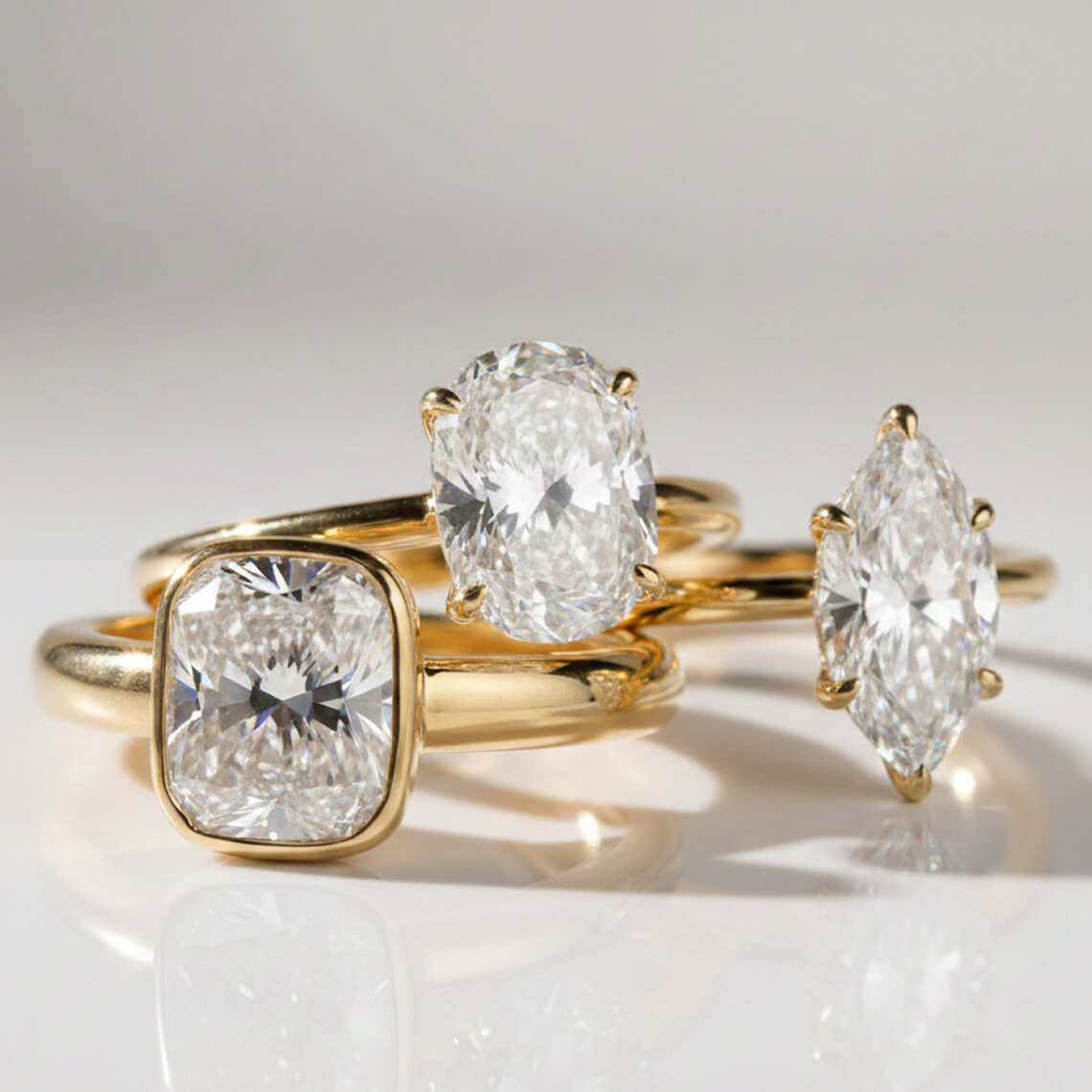
SHOP YELLOW GOLD ENGAGEMENT RINGS
Is Gold A Good Choice?
Compared to platinum engagement rings, there are many varieties available in gold when it comes to styling your ring.
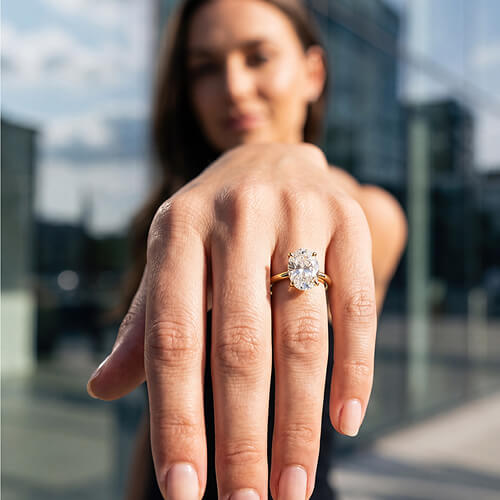
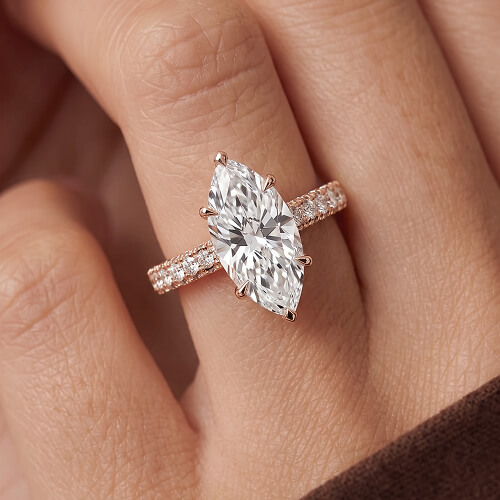
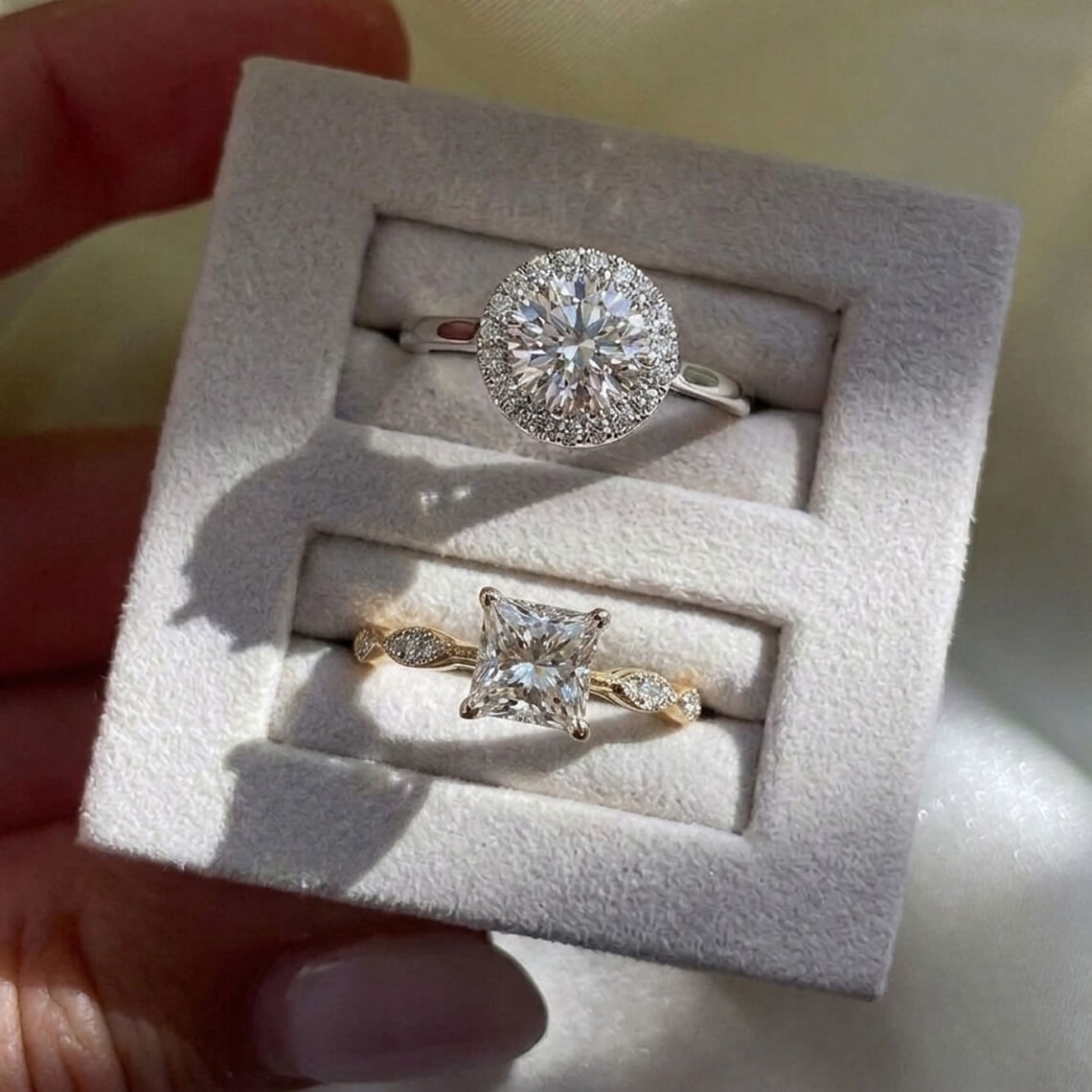
The white gold engagement ring is modern, while the yellow gold engagement ring brings in a feeling of warmth and contrast. Rose gold gives your engagement ring a romantic touch.
Besides that, the use of gold will enable you to budget well since the platinum engagement ring is pricier compared to gold rings of similar value. This means that choosing gold will allow you to save money to buy a higher-quality diamond.
Another consideration to be made relates to karat gold. The best choice is 14KT gold, which is durable and also cheaper.
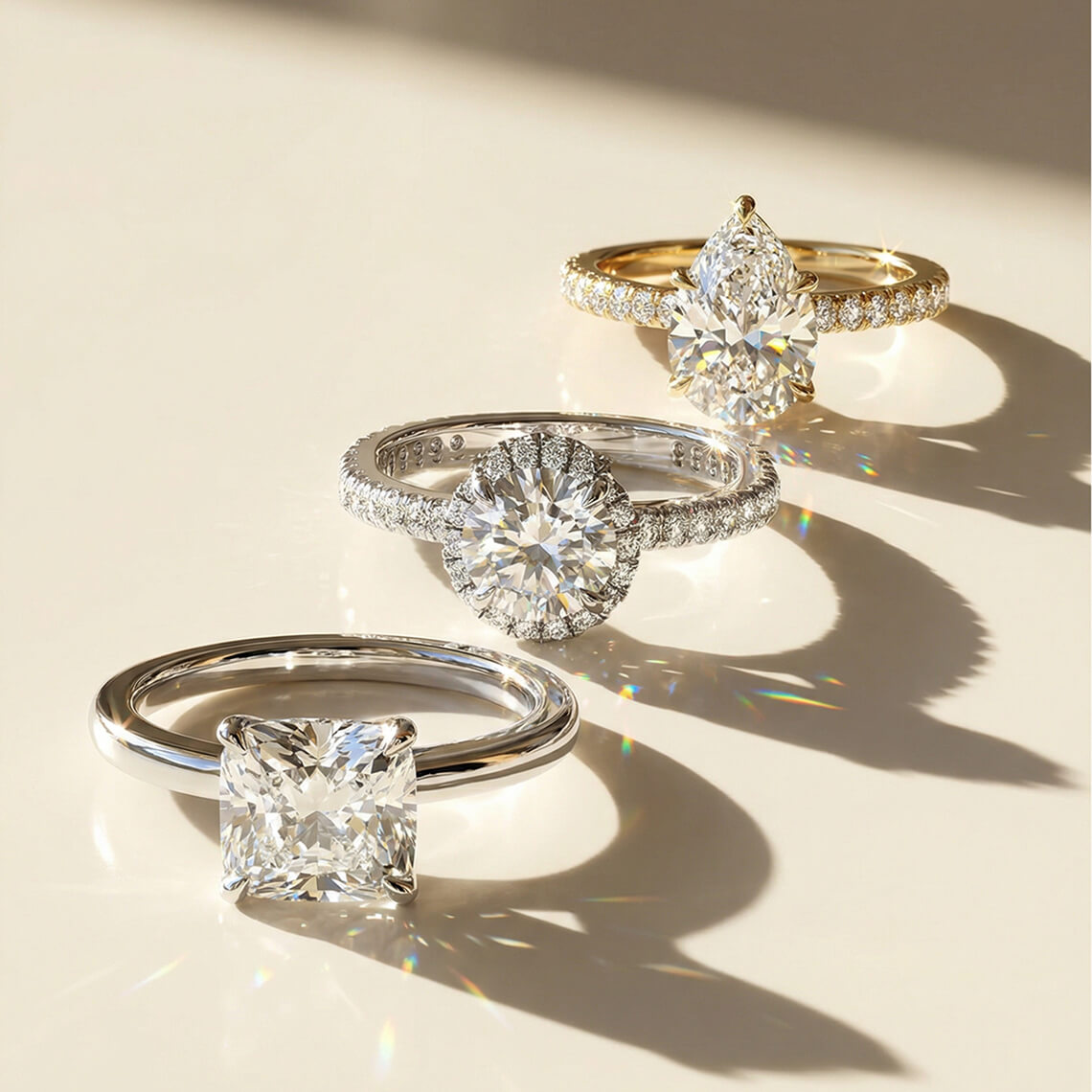
SHOP White Gold Engagement Rings
White Gold vs. Yellow Gold: Look at the Diamond
Metal can influence the appearance of the diamond. The luminous effect is achieved through the use of white gold and platinum, which will serve as a light background for a colorless diamond and enhance its icy look.
In contrast to that, the use of yellow gold may enhance the appearance of the diamond, making it look whiter. This combination works great with warm diamonds, too.
Combining the two is also possible: using the white metal prongs and the yellow gold band will help you keep the diamond surrounded by light.
That is why when comparing white gold vs. yellow gold, pay attention not only to the ring but also to your diamond.
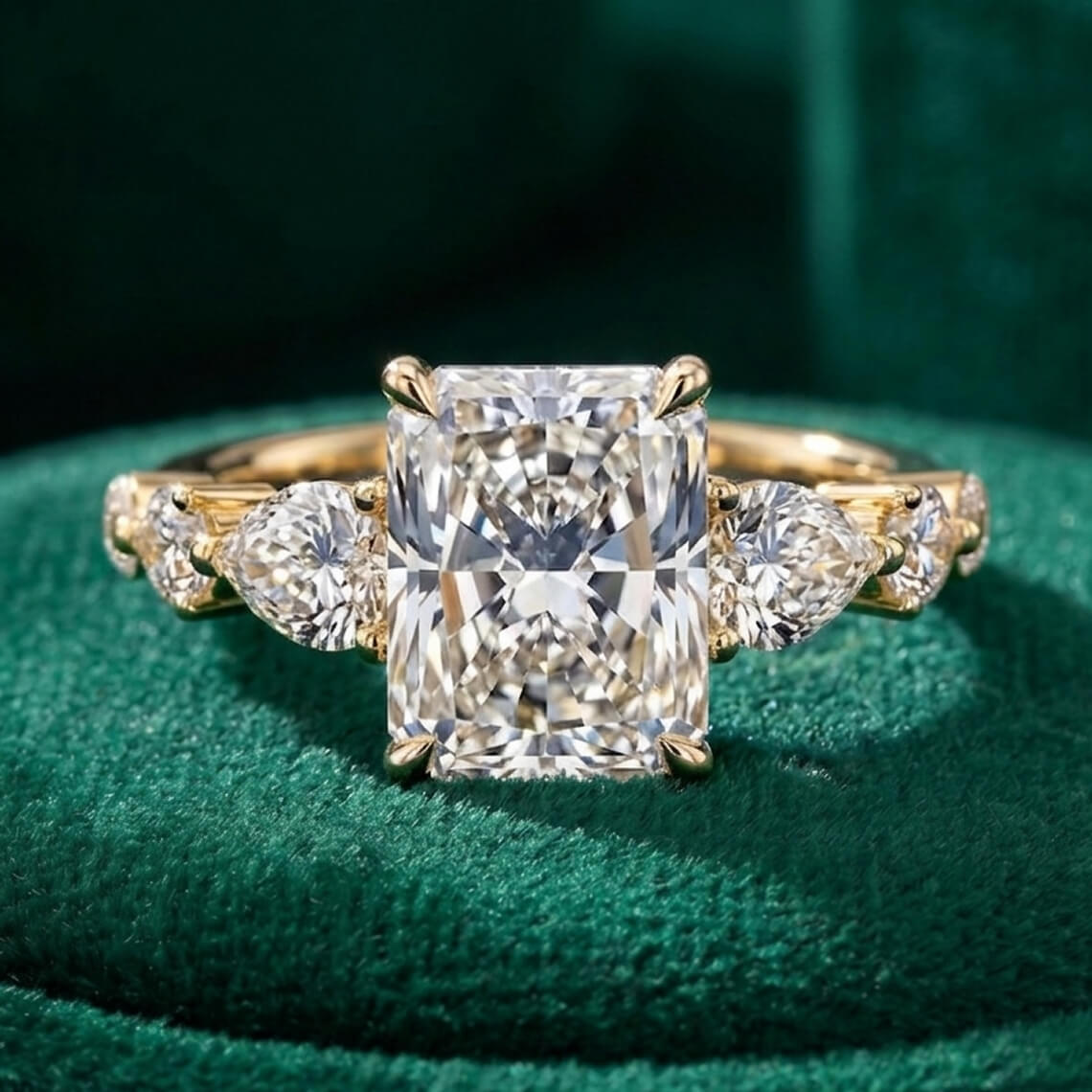
SHOP Side Stone Engagement Rings
What Changes With a Fancy Color Diamond?
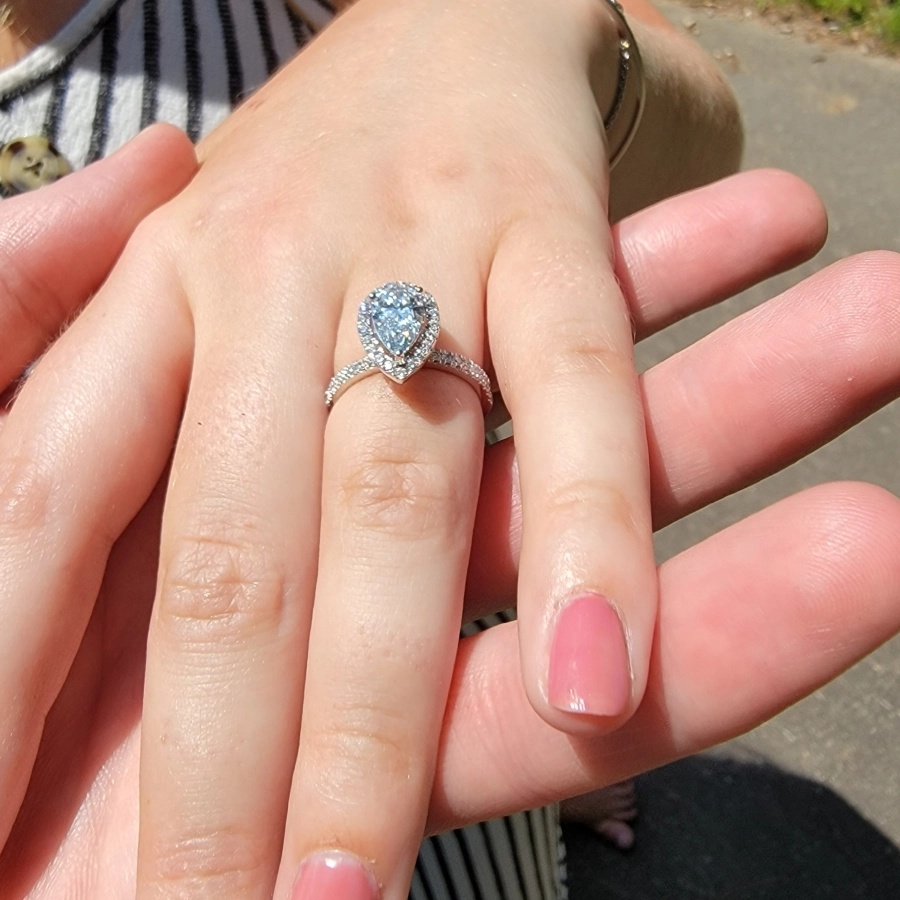
Here, metal selection gets even more exciting. A yellow gold setting would complement the yellow diamond nicely and help achieve the overall harmonious look. Place the same diamond against a white metal setting, and the contrast will be increased dramatically, making the color more visible.
The same applies to a pink diamond with a rose gold setting or any other fancy color, for that matter.
Here is how metal selection influences the overall effect:
-
Yellow gold and yellow diamond = Warm and harmonious.
-
White metal and yellow diamond = Contrast.
-
Rose gold and pink diamond = Tonal and harmonious.
-
White metal and pink diamond = Contrast around the diamond
The best combination again will depend on whether the metal should support the diamond or emphasize it.
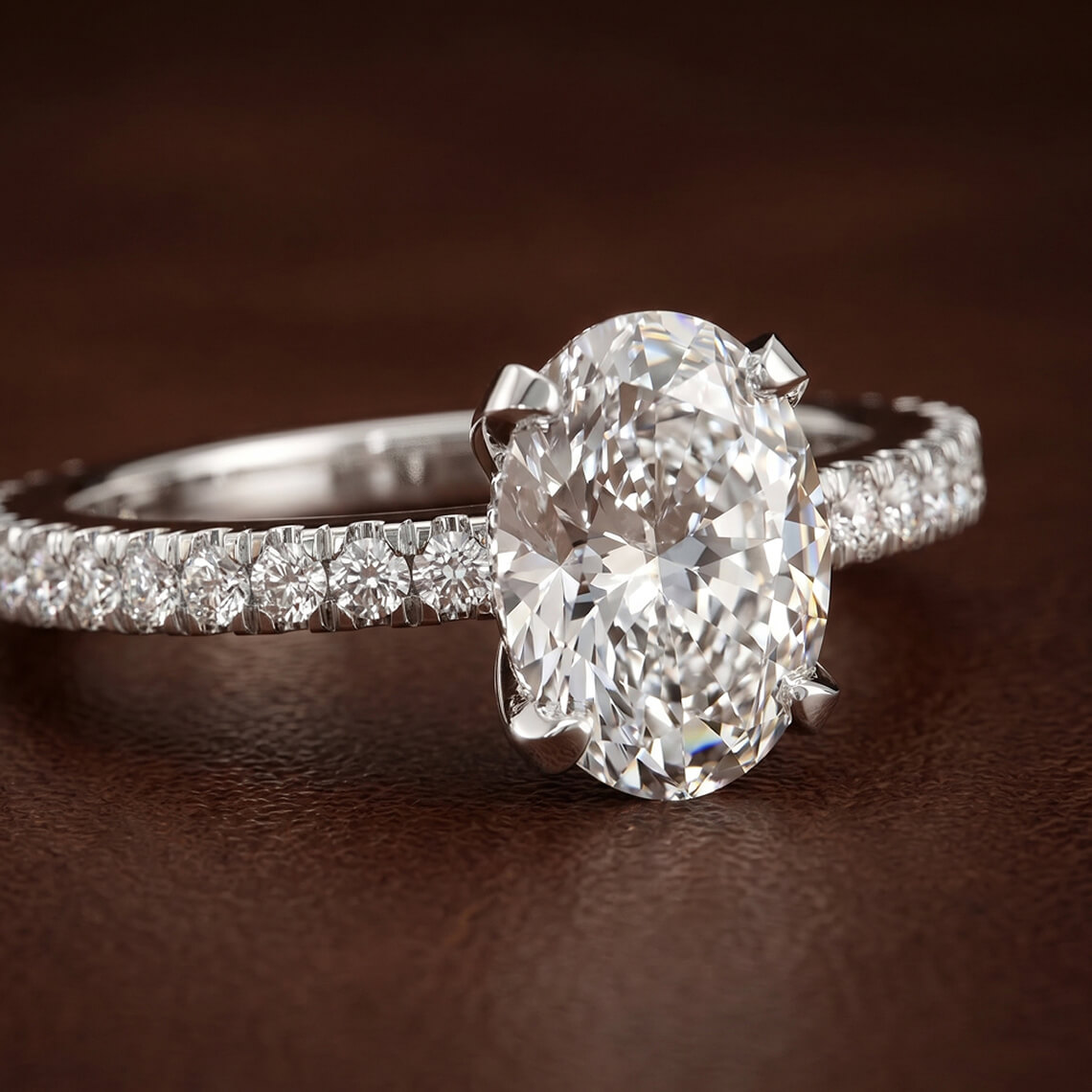
SHOP Oval Diamond Engagement Rings
Scratches, Patina, and Maintenance You’ll Notice Over Time
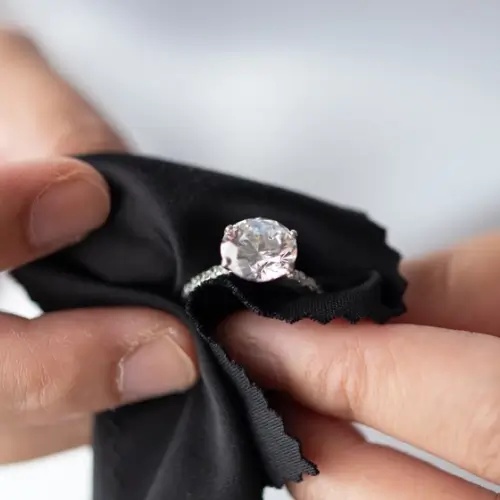
Any engagement ring will accumulate marks due to daily use.
When it comes to white gold, a shiny white surface is achieved through rhodium plating, which can wear out in time, especially on those parts that have constant exposure to friction, so the ring would need to be replated.
Platinum is different because its surface gets a patina. In case you enjoy the look of a highly polished metal, then your platinum engagement ring can be refinished, but in case you prefer jewelry that shows its age, you can simply leave it as it is.
Yellow and rose gold rings don’t require rhodium plating, but they do scratch and could be professionally cleaned and polished.
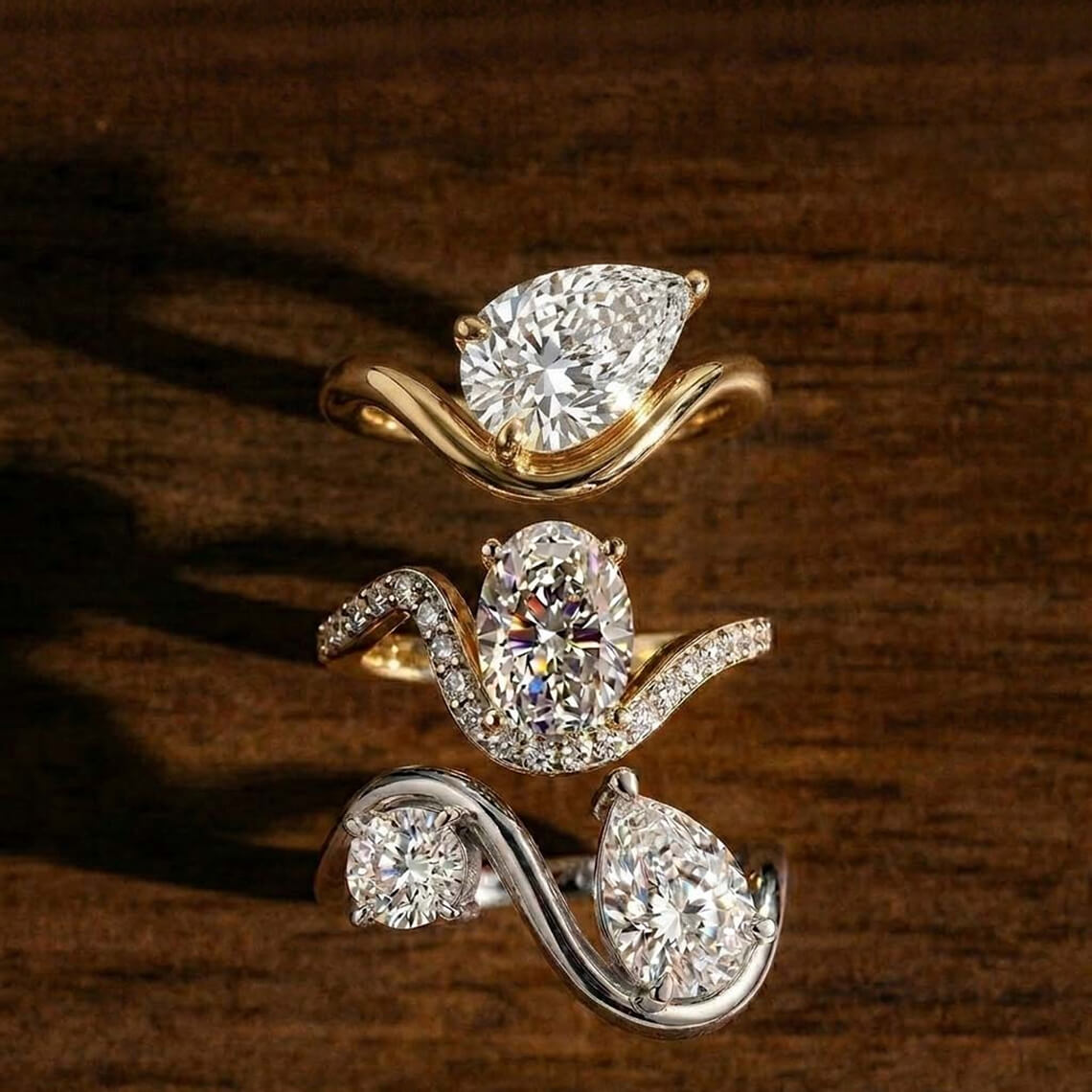
Which Metal Should You Go For?
Pick platinum if your priority is to have a white metal that has higher purity, more substance, and will not require rhodium plating.
Go for gold if your priorities are a variety of colors and budget flexibility.
And if you find yourself choosing between white gold or platinum, test drive both together with your diamond. Consider your lifestyle, maintenance requirements, diamond color, and where you would like to invest your budget.
Not always is the best metal the most expensive one, but the one that will be good even after the engagement period is over.
FAQs
Which is better for an engagement ring: platinum or gold?
It depends. In case you opt for platinum, the ring will boast natural whiteness and purity, while gold offers more diversity in terms of colors, karats, style, and cost.
Can white gold become yellow?
White gold features a bit of a warm base color. As rhodium plating fades, the color becomes more apparent, which means that sooner or later, you should replate your ring.
Is yellow gold suitable for diamond engagement rings?
Yes, it creates a good color contrast with diamonds, especially when it comes to fancy diamonds.
Which metal is better for daily use?
Both metals might be good depending on your needs. Platinum is a strong, shiny, and dense metal, while gold is durable, stylish, and cheaper.
Does the choice of metal affect the look of the diamond?
Yes. White gold and platinum make the diamond appear brighter while giving the ring a more refined look. Yellow gold and rose gold create a contrast, highlighting the center stone in the setting.