
 Flat 50% OFF sitewide!
NOW & ON BLACK FRIDAY!
UNLOCK FREE LAB DIAMOND JEWELRY ON PURCHASES OVER $1000 




Precision in Grading. Confidence in Every Detail.
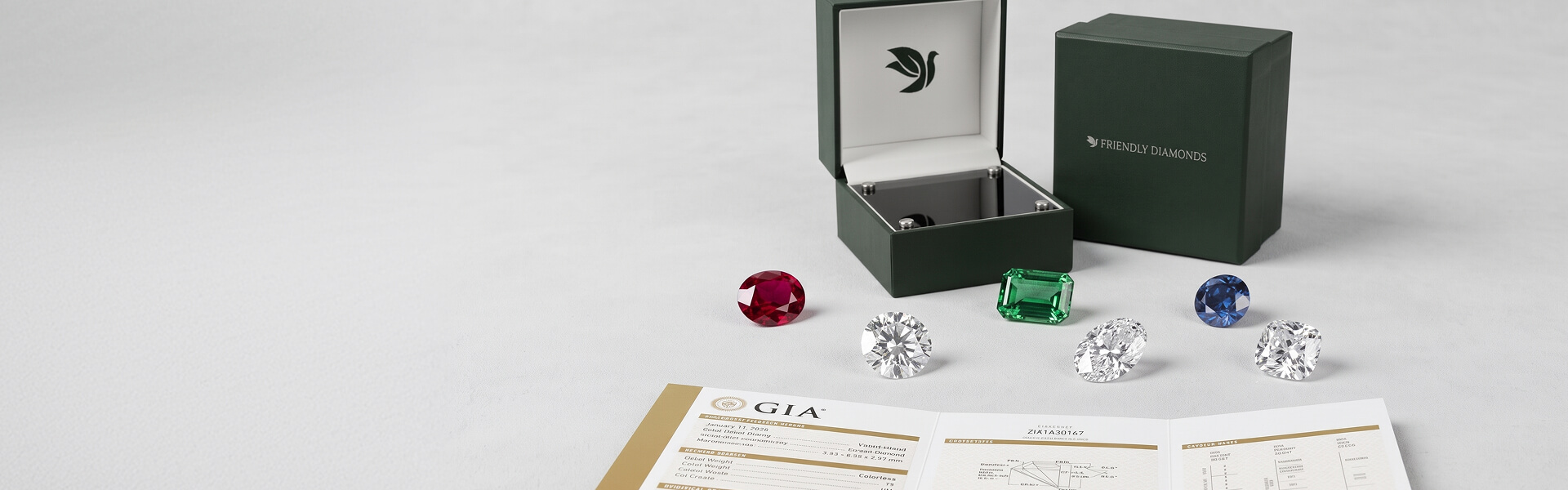
At Friendly Diamonds, our GIA-graded selection brings together exceptional diamonds and the expertise of one of the world’s foremost gemological institutions. Each grading report provides an independent assessment of the diamond’s defining characteristics.
Shop GIA Certified Diamonds
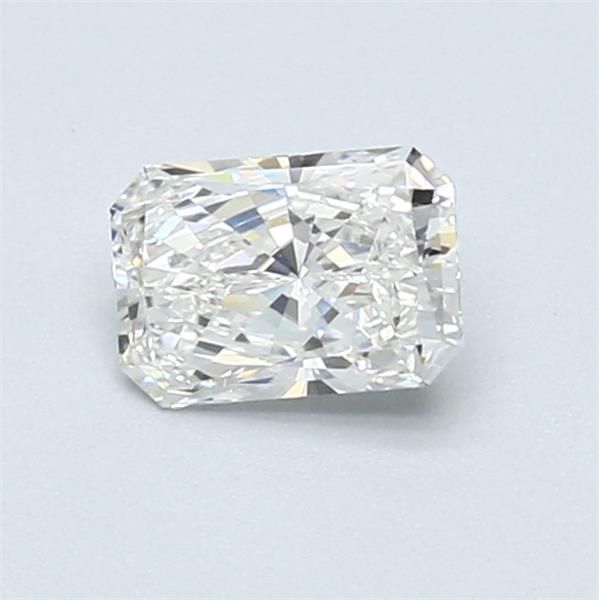
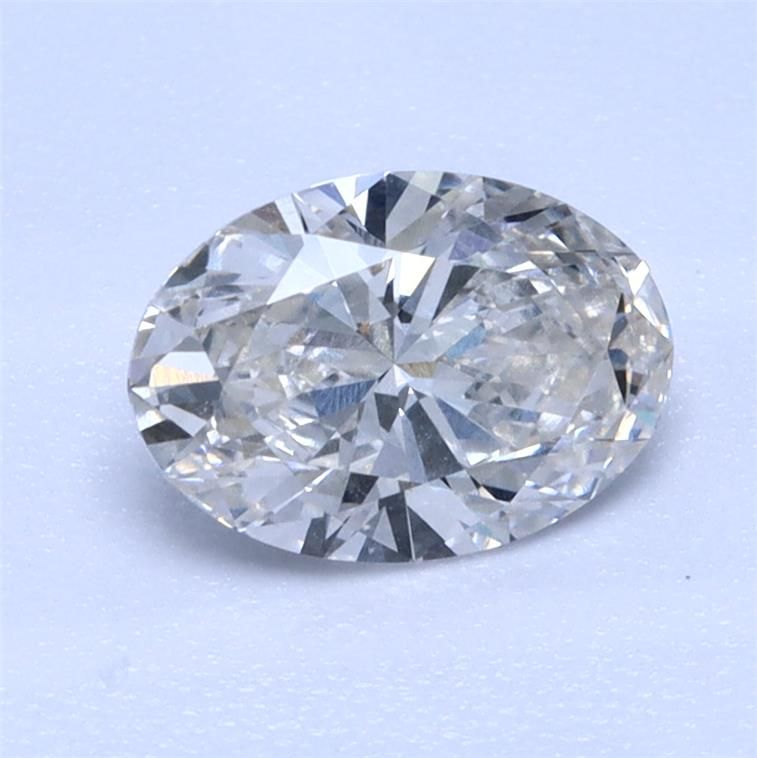
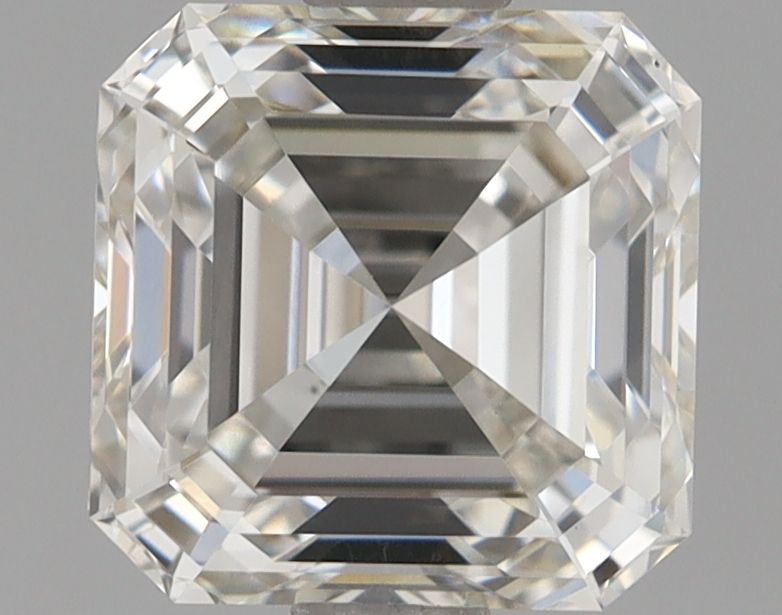
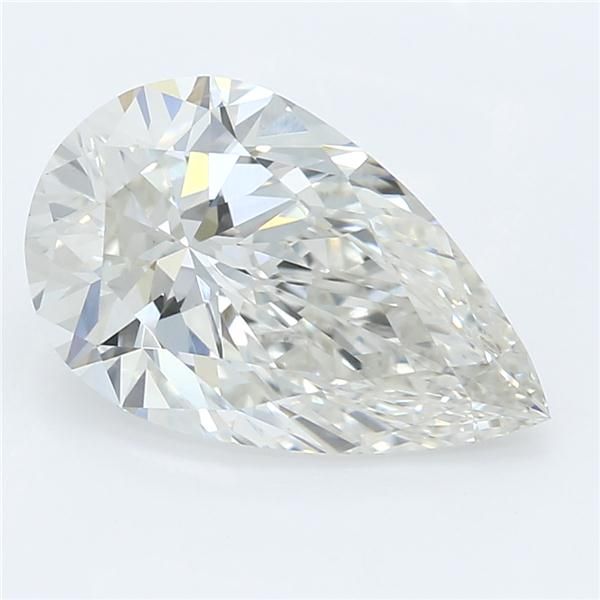
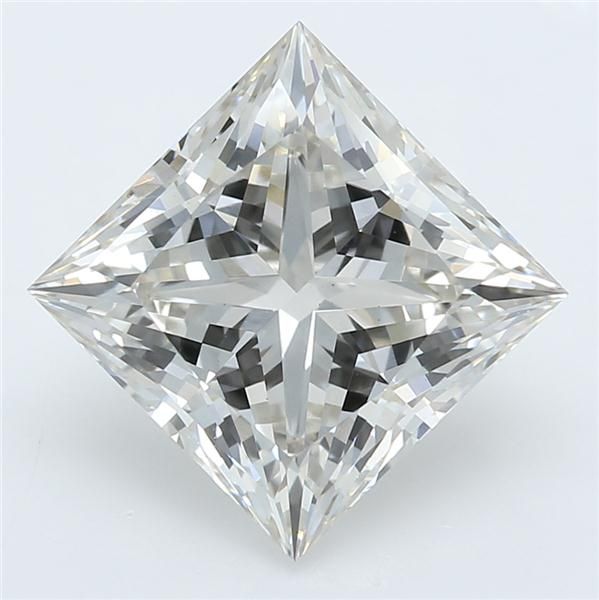
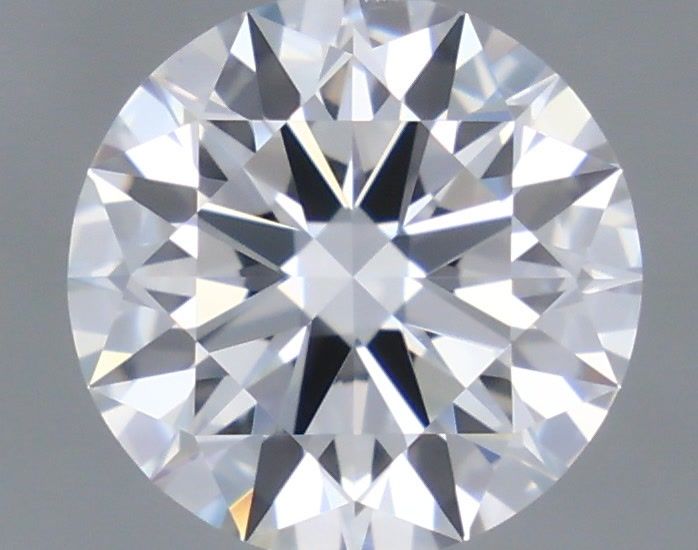
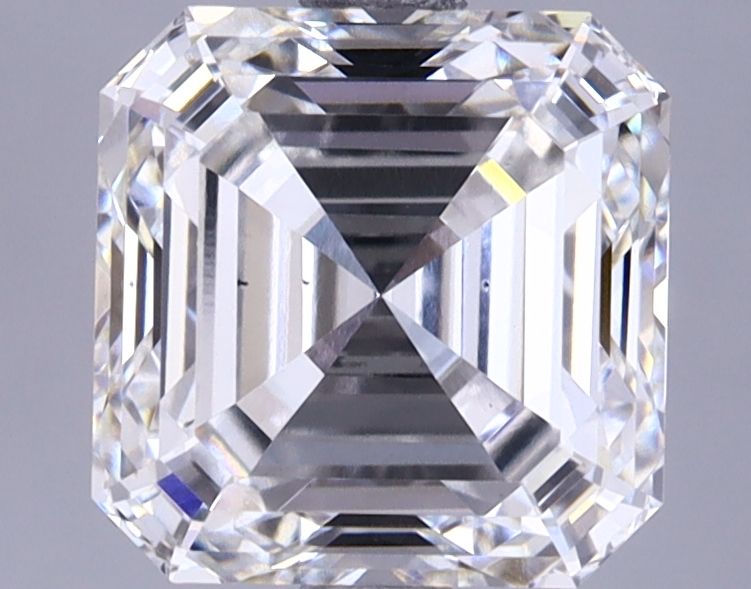
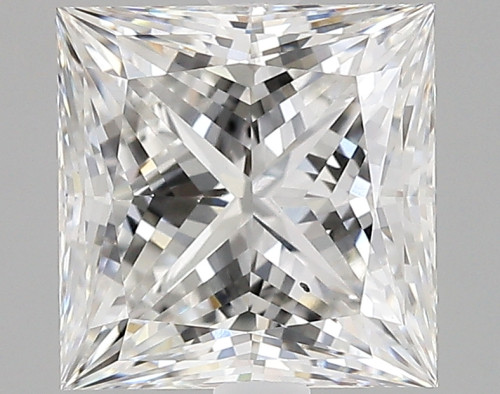
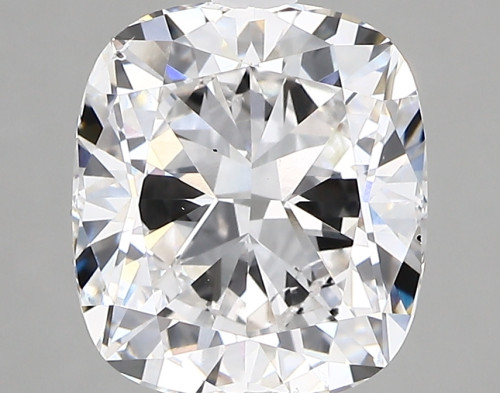
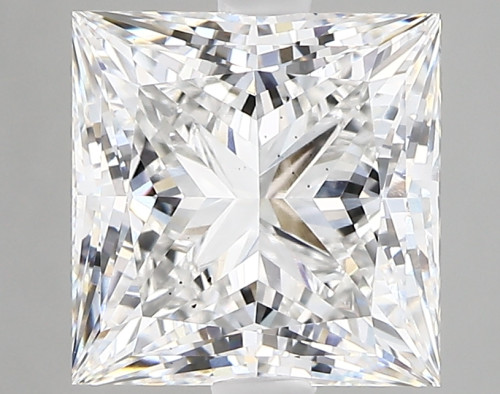
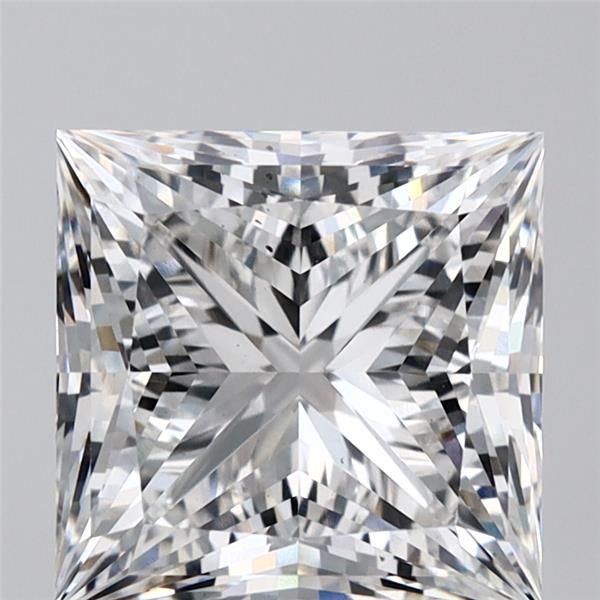
Inside The GIA Laboratory
From the moment a diamond reaches a GIA lab to the time its report is issued, it goes through a series of carefully controlled steps.
Here is that process, in the order a diamond moves through it.
The Diamond Is Allotted a Number
The diamond is assigned a barcode and travels through the laboratory as a number. The grader has no way of knowing whose stone is under the microscope.
Identifying The Stone
Before grading the stone, its identity is established, whether it is a mined diamond, lab-grown diamond, or a colored stone.
Grading The Diamond
GIA follows strict, rigorous, and consistent grading standards based on the 4Cs of diamond quality.
When assigning a color grade, the diamond is assessed by at least two independent graders, placed in a viewing box.
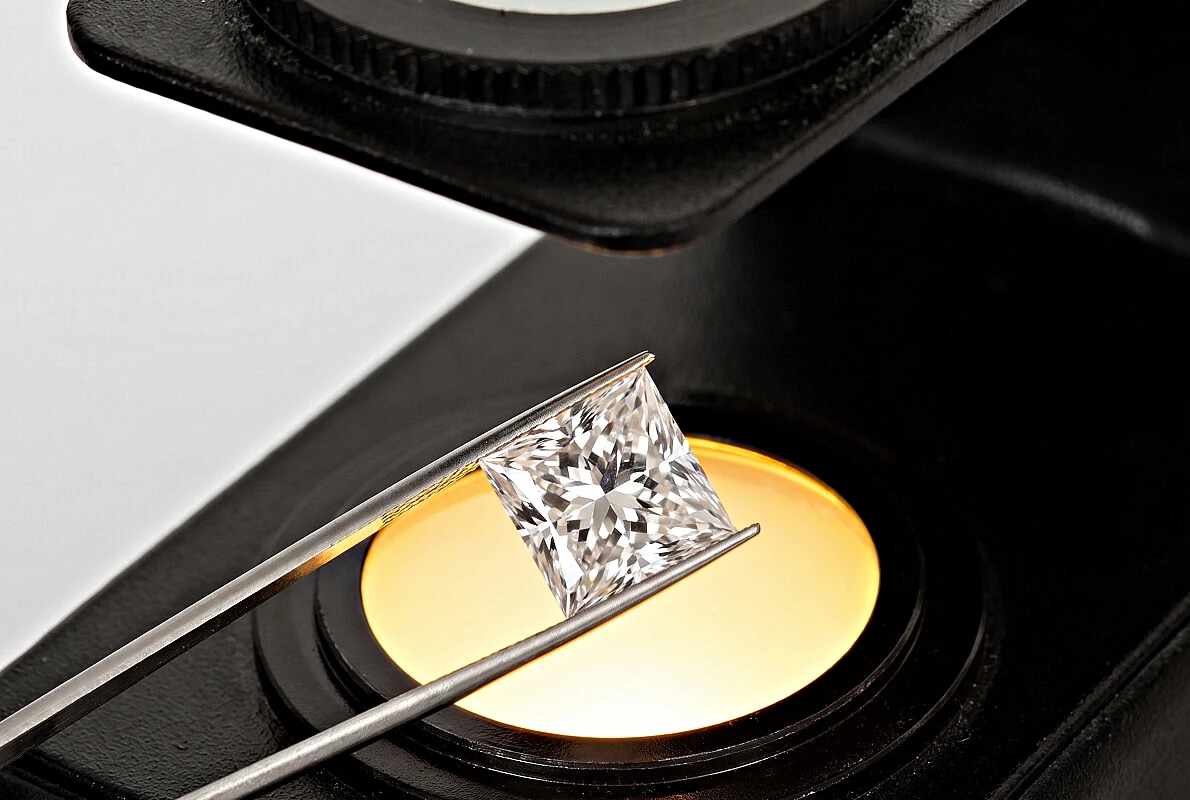
Clarity is assessed under a 10× binocular microscope with darkfield illumination, then confirmed with a loupe.
The carat weight of the diamond is measured using an electronic microbalance, accurate to five decimal places.
The cut grade is a composite of fire, brightness, scintillation, symmetry, polish, weight ratio, and durability.
Note: GIA does not assign cut grades to fancy-shaped diamonds. Instead, it evaluates them based on polish and symmetry.
The grading consistency is one of the key reasons GIA is known as the gold standard in diamond grading.
Where It All Began
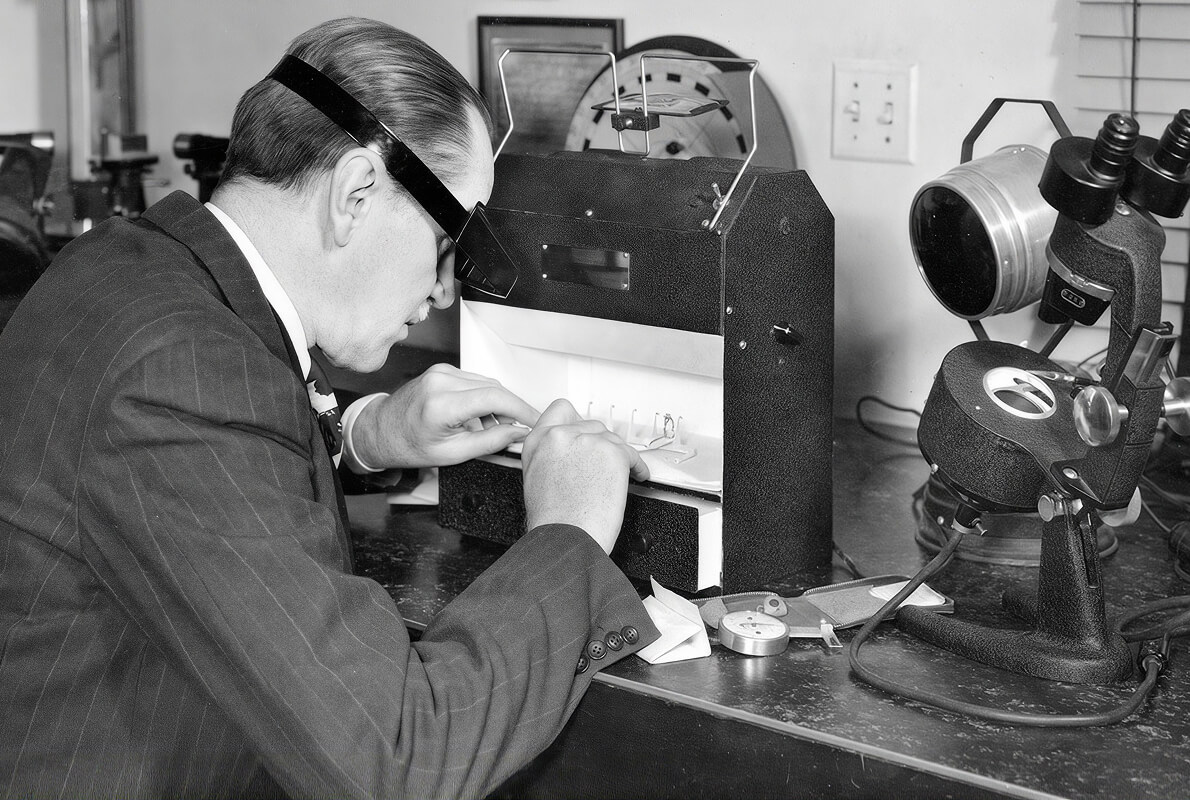
In 1931, the jeweler Robert M. Shipley founded the Gemological Institute of America in Los Angeles, after finding that the jewelry trade had no formal gemological training. He began with correspondence courses taught from his own home.
Over the following decades, it developed key tools and standards for evaluating diamonds, including the 4Cs of Diamond Quality and its widely recognized color and clarity grading scales.
Today, its grading system remains a widely recognized standard for describing diamond quality.
Understanding Your Report
How To Read a GIA Report?
A GIA report gives you a detailed look at a diamond's characteristics and how it was evaluated. Knowing what each section means can help you understand the diamond you're considering and make a more informed choice.
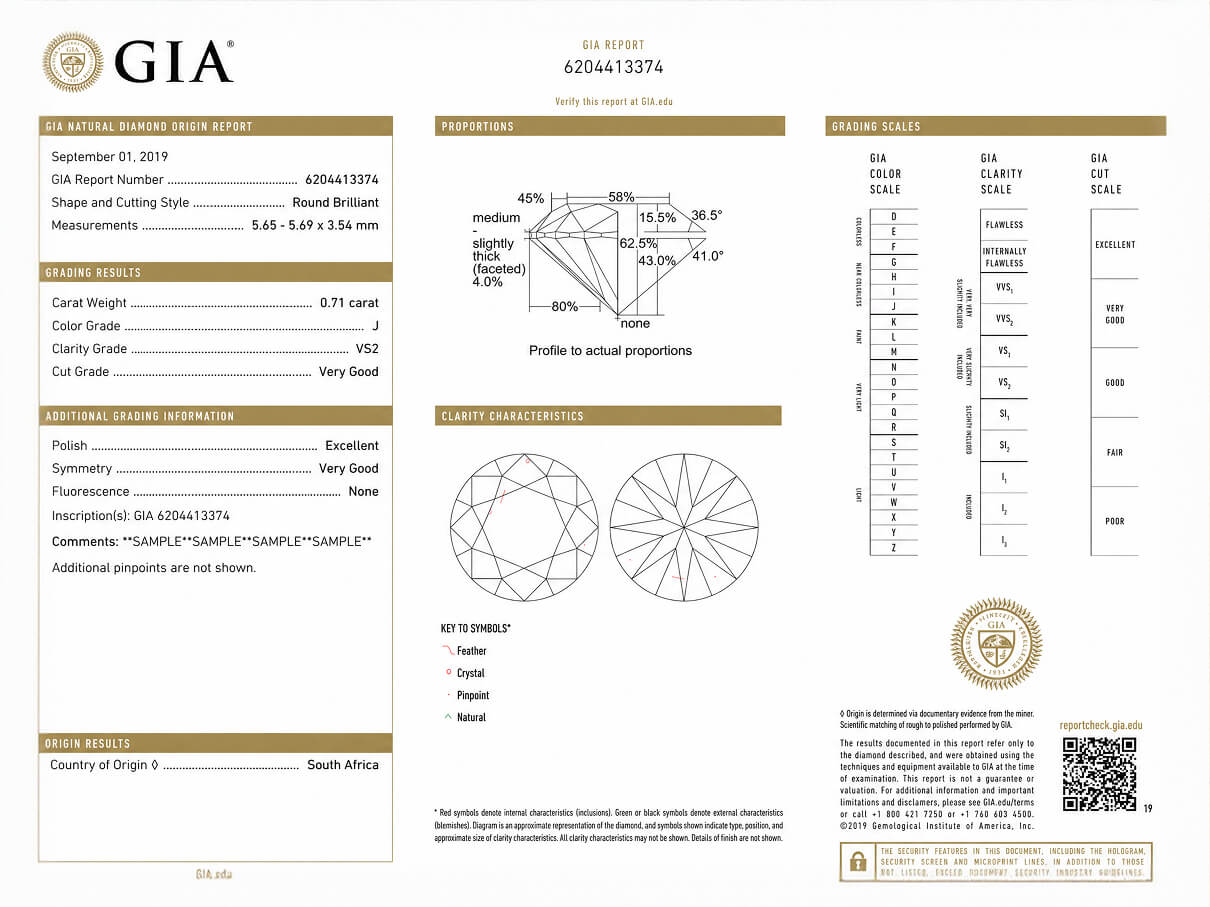

Report number
Unique to this diamond. Check it against GIA's online report database.
Shape and cutting style
The outline and the facet arrangement.
Carat weight, colour grade, clarity grade
The three assessed characteristics.
Cut, polish and symmetry
Craftsmanship. Cut grade on round brilliants only.
Fluorescence
Indicates how the diamond reacts to long-wave ultraviolet light.
Clarity plot
Shows whether the grade-setting inclusion is under the table or at the edge.
IGI & GIA: What’s The Difference?
| IGI | GIA | |
|---|---|---|
| Founded | 1975, Antwerp | 1931, Los Angeles |
| Structure | Independent grading organisation | Nonprofit, public-benefit institute |
| Known for | Grading laboratory-grown diamonds at scale since 2005 | Creating the 4Cs and the D-to-Z and FL-to-I3 scales now used industry-wide |
| Lab-grown | Full grading report with ISO 17025 accreditation for laboratory-grown work | Reporting approach has moved toward descriptive categories - verify current position |
| Accreditation | ISO/IEC 17025 accredited for laboratory-grown diamond grading | Long-established research and grading authority |
| Inscription | LaserScribe girdle inscription linking stone to report | Laser inscription available |
| Verification | Online verification tool | Online report database |
Both are established, independent and widely recognised. They are not ranked here, and no comparison of grading strictness is offered; such claims are contested and unnecessary. What matters to a buyer is that the report is independent, the process is documented, and the number can be verified. Both satisfy that.
Hear from Our Diamond Experts
Certified for Confidence. Transparent by Choice.
At Friendly Diamonds, we believe buying diamond jewelry should feel clear and confident. That’s why every Friendly Diamonds diamond comes with certification, with its quality and key characteristics transparently documented by a globally recognized independent gemological laboratory.
GIA Certified Diamonds FAQs
What is a GIA-certified diamond?
What does GIA stand for?
Are GIA-certified lab-grown diamonds real?
What is included in the GIA grading report?
How is GIA different from IGI?
Why does GIA certification matter when making a purchase online?
Do GIA-certified loose diamonds cost more?
Can I use a GIA-certified loose diamond for any type of jewelry?
What cut grades does GIA assign?
What is the best color grade for a GIA-certified diamond?
What clarity grade should I look for in a GIA-certified stone?
Is a GIA report the same as a diamond appraisal?
How do I verify that a GIA report is authentic?
Do lab-grown diamonds hold their value the same way as mined diamonds?
What shapes can I get in GIA-certified loose diamonds at Friendly Diamonds?
Can I build an engagement ring with a GIA-certified loose diamond?
What is diamond fluorescence? Does it appear on a GIA report?
How does transparent diamond grading help me compare stones?
Where can I browse GIA-certified loose diamonds?