
Unlock FREE lab diamond jewelry on purchases over $1,000.


- Home
- Loose Diamonds
- IGI Certified
IGI Certified Diamonds
(303,667)
As a globally recognized diamond grading institution, IGI is dedicated to providing an accurate, trustworthy, and unbiased evaluation of your diamonds. It screens the diamonds using strict international grading systems based on a range of factors, including but not limited to the 4 C’s: Carat, Color, Clarity, and Cut.
;%20}%20}%20%3c/style%3e%3cpath%20class='spinner_6kVp'%20d='M88%2075C88%2072.4288%2087.2376%2069.9154%2085.8091%2067.7776C84.3806%2065.6397%2082.3503%2063.9735%2079.9749%2062.9896C77.5994%2062.0056%2074.9856%2061.7482%2072.4638%2062.2498C69.9421%2062.7514%2067.6257%2063.9895%2065.8076%2065.8076C63.9895%2067.6257%2062.7514%2069.9421%2062.2498%2072.4638C61.7482%2074.9856%2062.0056%2077.5994%2062.9896%2079.9749C63.9735%2082.3503%2065.6397%2084.3806%2067.7776%2085.8091C69.9154%2087.2376%2072.4288%2088%2075%2088'%20stroke='%23668B84'%20stroke-width='3'/%3e%3c/svg%3e)
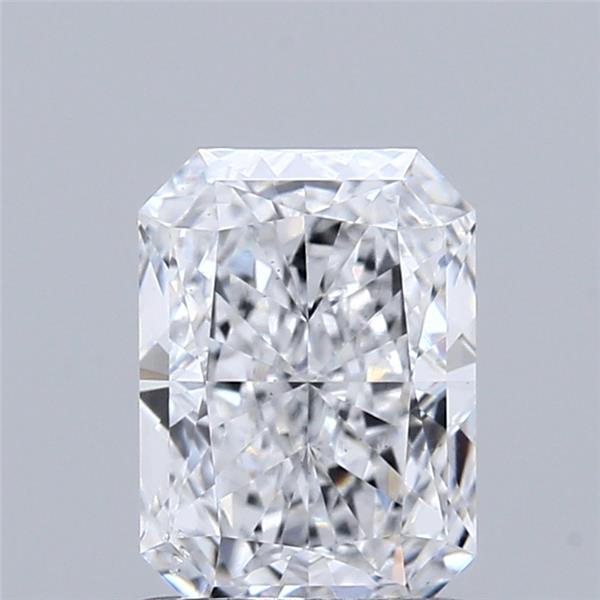
1 carat radiant diamond
$380 $543
FLAT 30% OFF
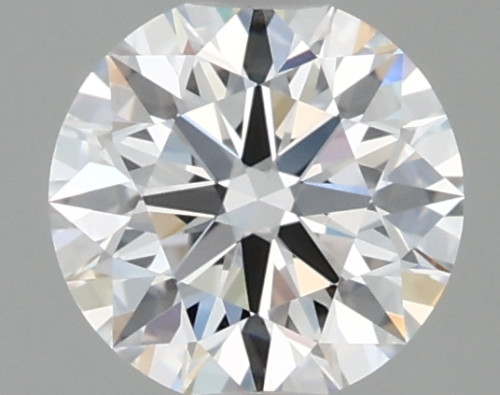
1.11 carat round diamond
$384 $549
FLAT 30% OFF
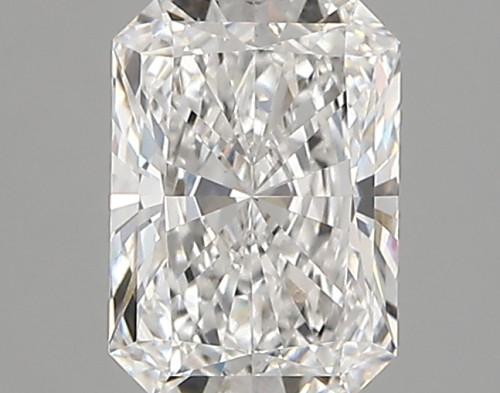
1.15 carat radiant diamond
$400 $571
FLAT 30% OFF
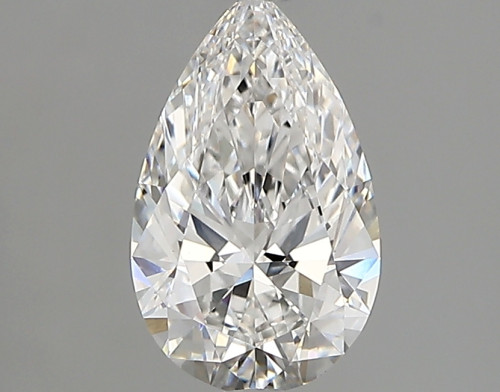
1.17 carat pear diamond
$402 $574
FLAT 30% OFF
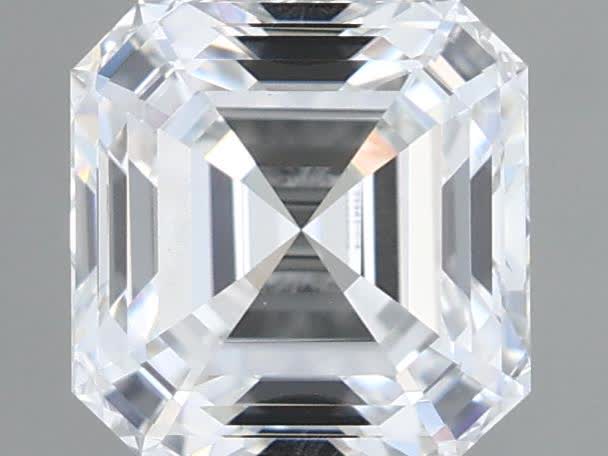
1.11 carat asscher diamond
$411 $587
FLAT 30% OFF
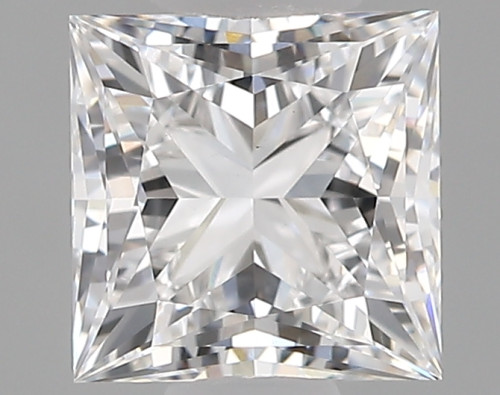
1.16 carat princess diamond
$411 $587
FLAT 30% OFF
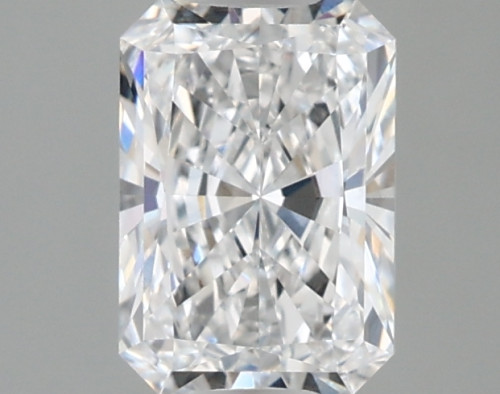
1.16 carat radiant diamond
$413 $590
FLAT 30% OFF
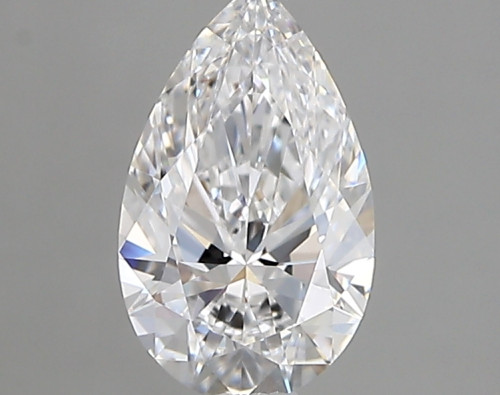
1 carat pear diamond
$419 $599
FLAT 30% OFF
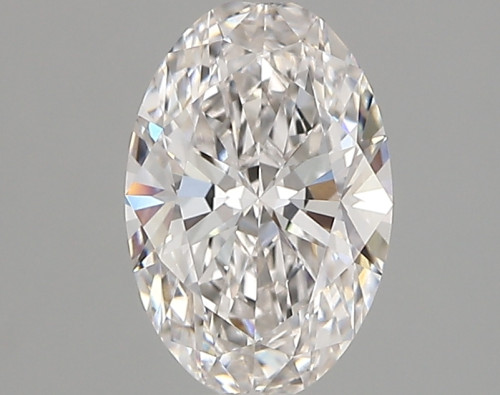
1.26 carat oval diamond
$423 $604
FLAT 30% OFF
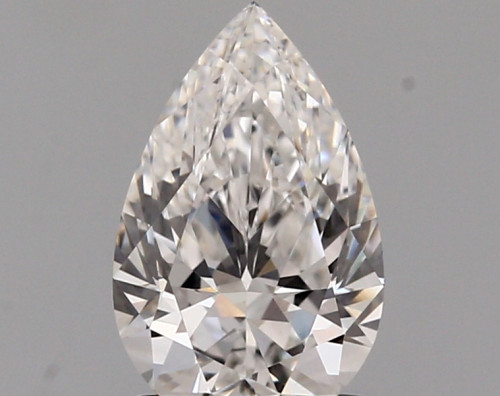
1.3 carat pear diamond
$426 $609
FLAT 30% OFF
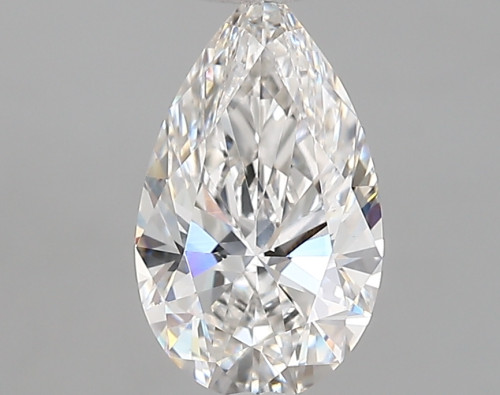
1.4 carat pear diamond
$431 $616
FLAT 30% OFF
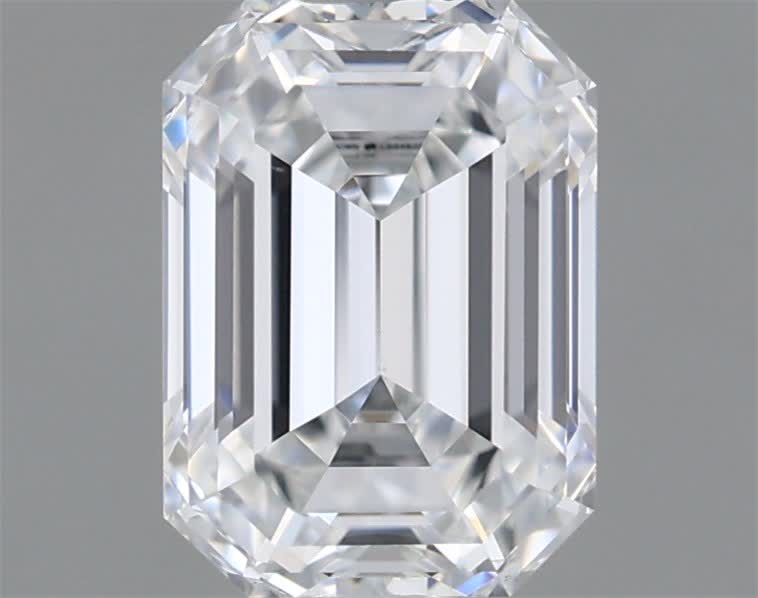
1.12 carat emerald diamond
$437 $624
FLAT 30% OFF
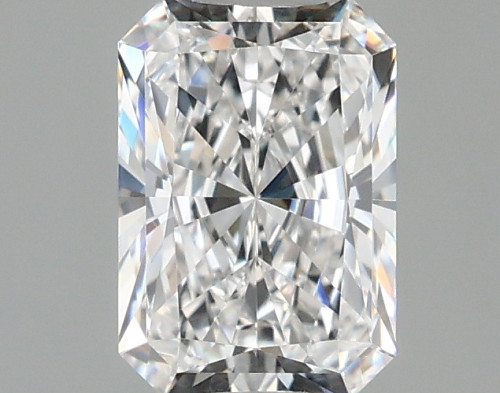
1.04 carat radiant diamond
$437 $624
FLAT 30% OFF
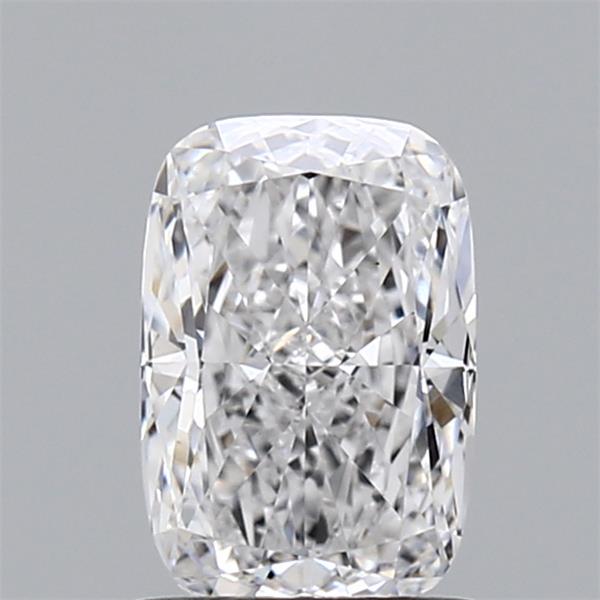
1.14 carat cushion diamond
$439 $627
FLAT 30% OFF
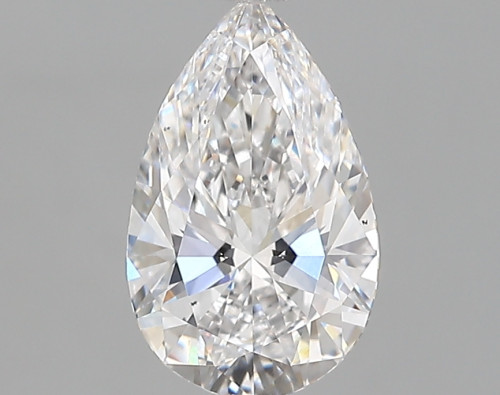
1.39 carat pear diamond
$439 $627
FLAT 30% OFF
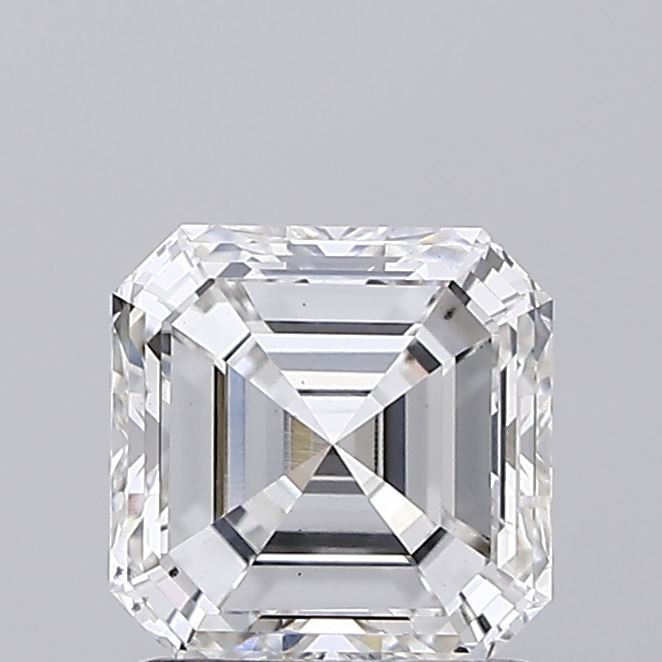
1.01 carat asscher diamond
$444 $634
FLAT 30% OFF
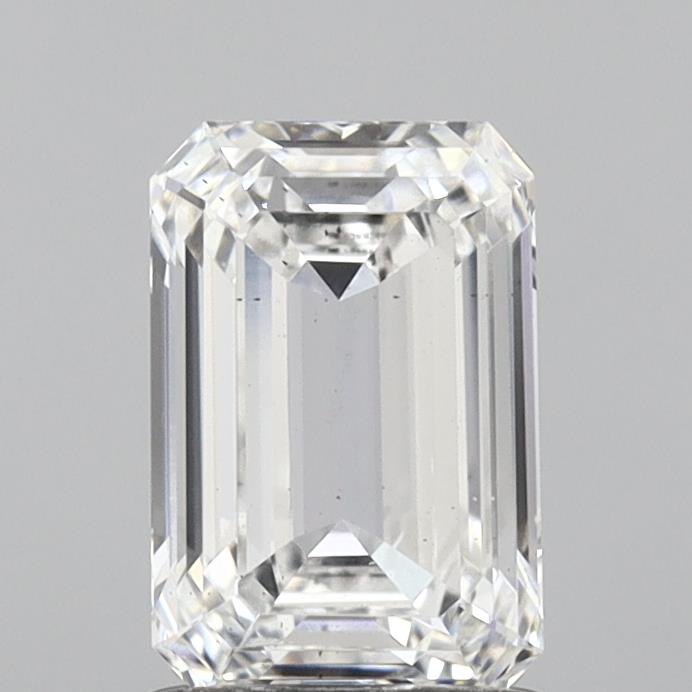
1.17 carat emerald diamond
$445 $636
FLAT 30% OFF
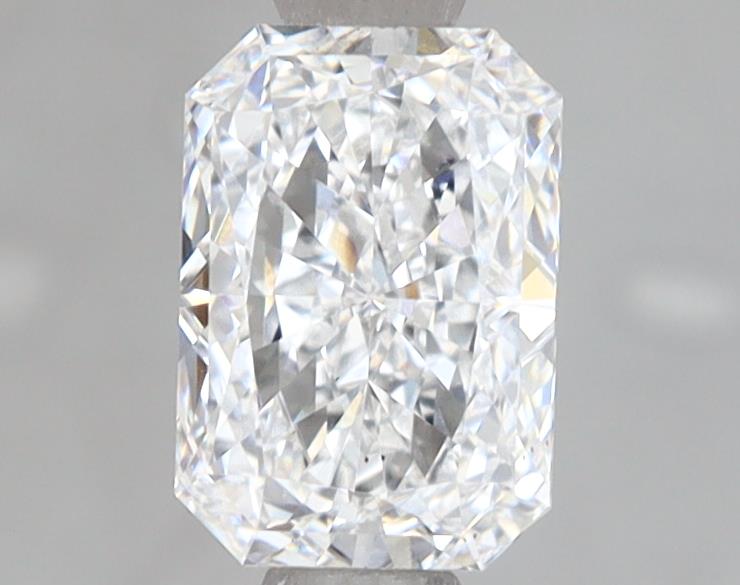
1.13 carat radiant diamond
$446 $637
FLAT 30% OFF
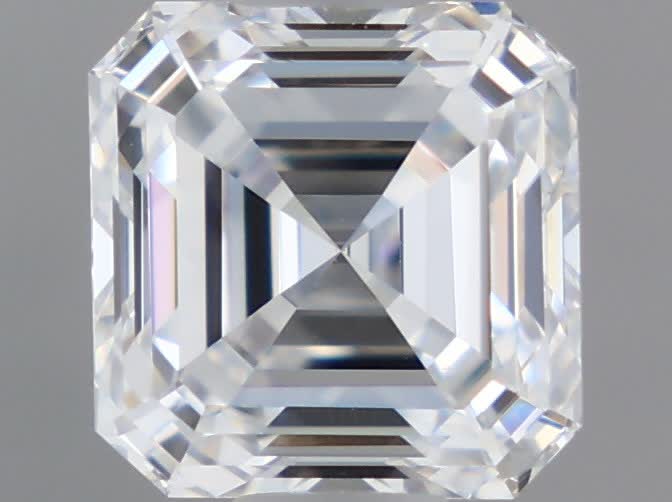
1.15 carat asscher diamond
$454 $649
FLAT 30% OFF
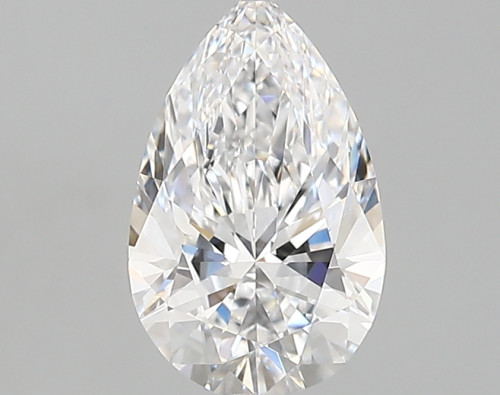
1.4 carat pear diamond
$459 $656
FLAT 30% OFF

1.15 carat round diamond
$460 $657
FLAT 30% OFF
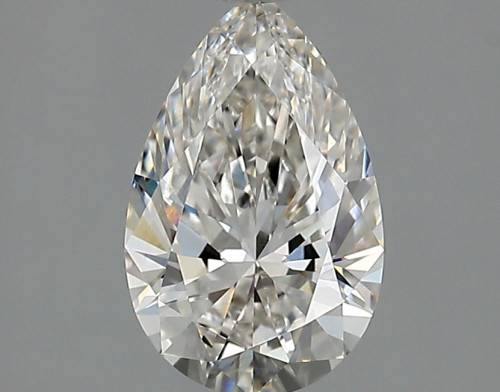
1.42 carat pear diamond
$460 $657
FLAT 30% OFF
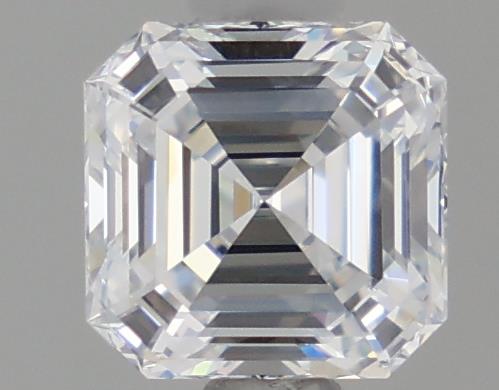
1.04 carat asscher diamond
$463 $661
FLAT 30% OFF
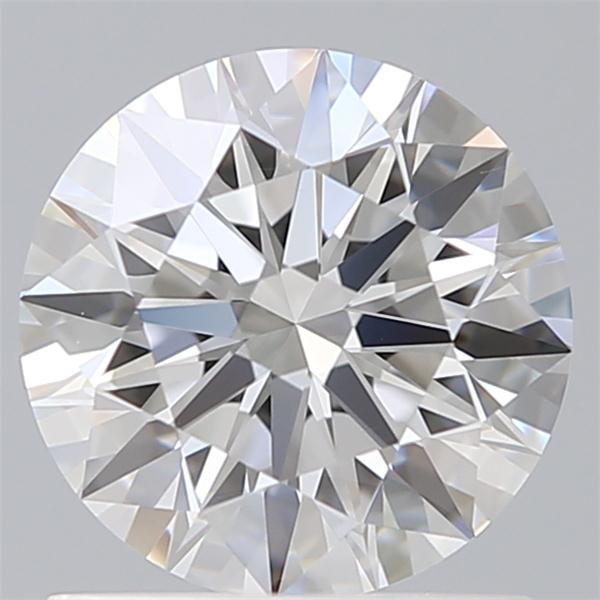
1.19 carat round diamond
$464 $663
FLAT 30% OFF
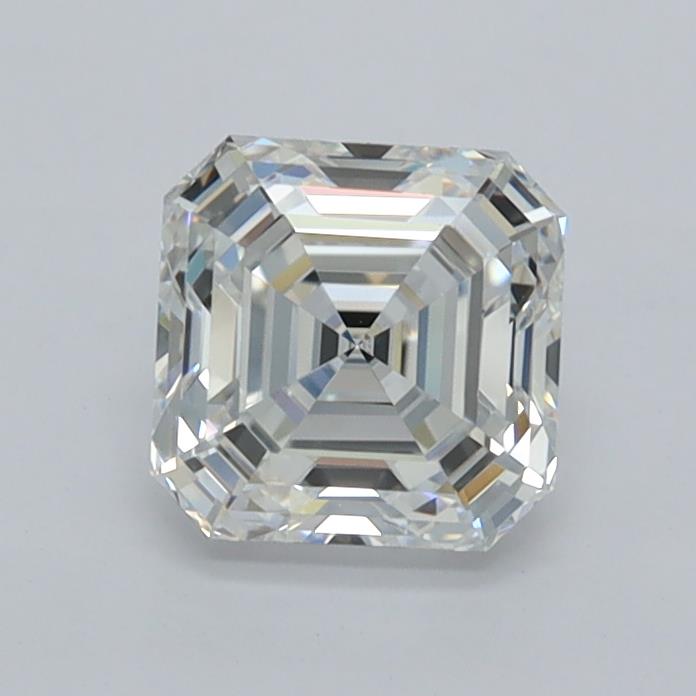
1.02 carat asscher diamond
$464 $663
FLAT 30% OFF
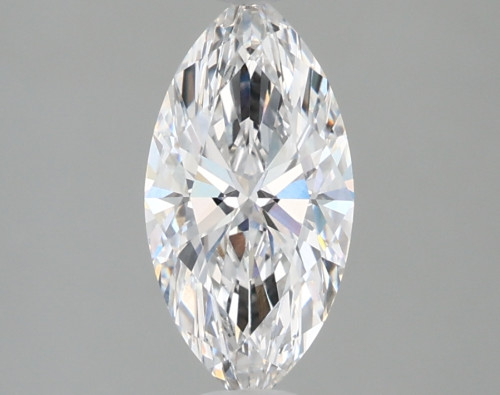
1.29 carat marquise diamond
$464 $663
FLAT 30% OFF
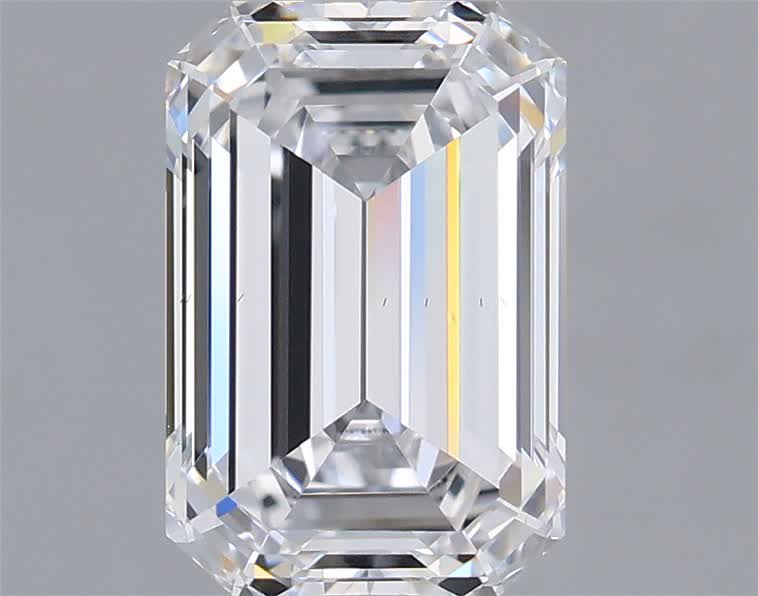
1.41 carat emerald diamond
$465 $664
FLAT 30% OFF
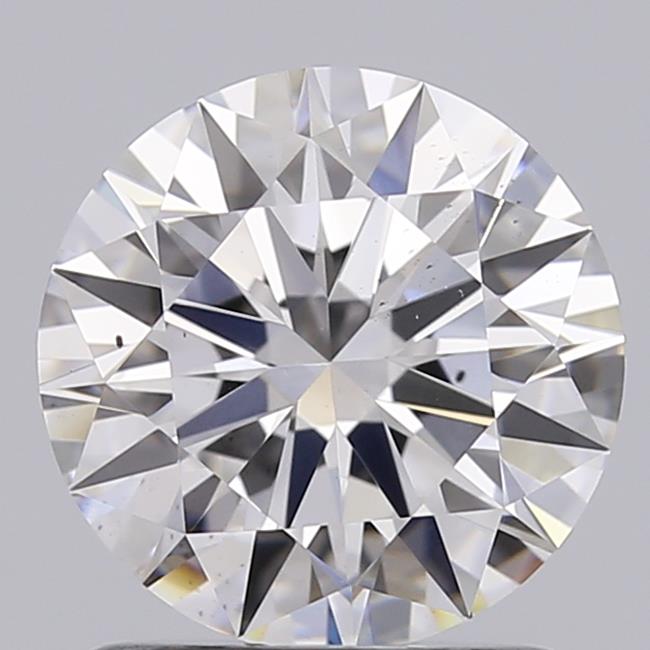
1.18 carat round diamond
$466 $666
FLAT 30% OFF
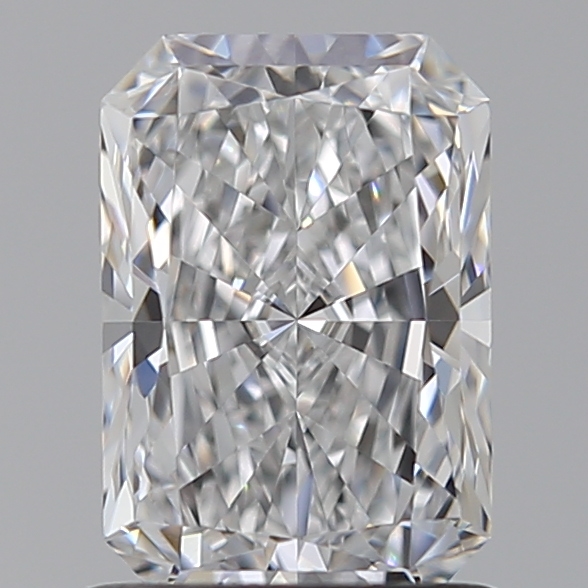
1.15 carat radiant diamond
$468 $669
FLAT 30% OFF
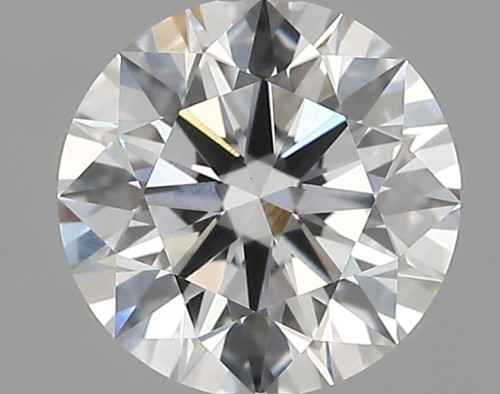
1.4 carat round diamond
$470 $671
FLAT 30% OFF
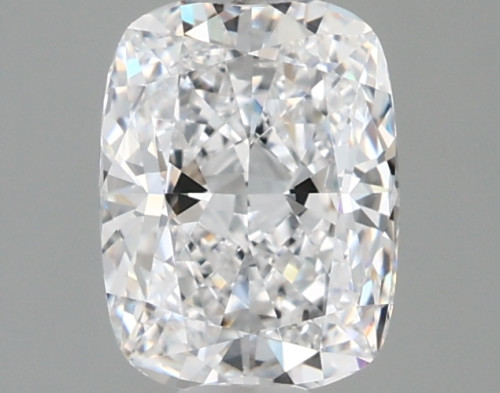
1.28 carat cushion diamond
$471 $673
FLAT 30% OFF
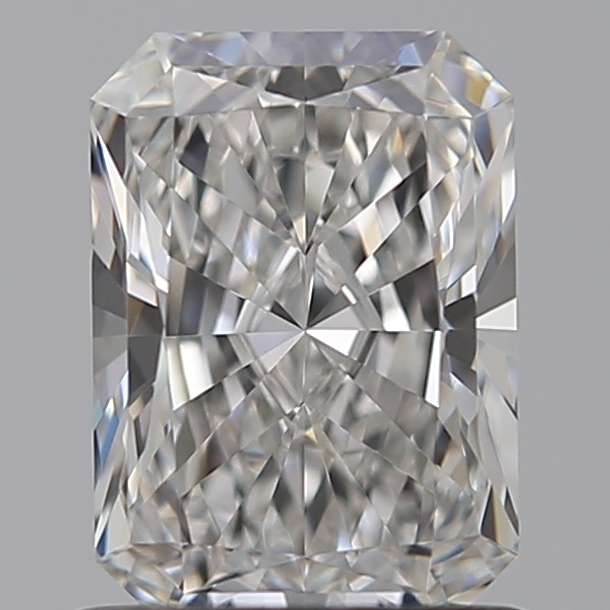
1.04 carat radiant diamond
$472 $674
FLAT 30% OFF
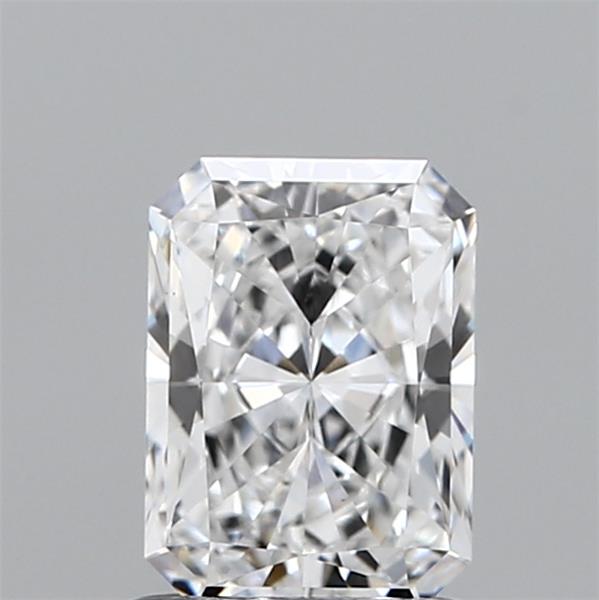
1.18 carat radiant diamond
$472 $674
FLAT 30% OFF
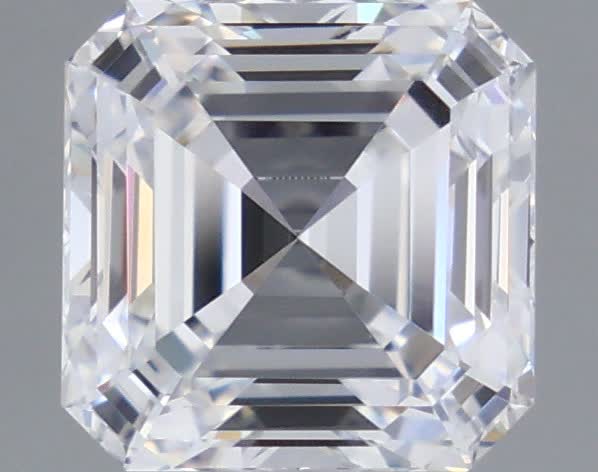
1.26 carat asscher diamond
$474 $677
FLAT 30% OFF
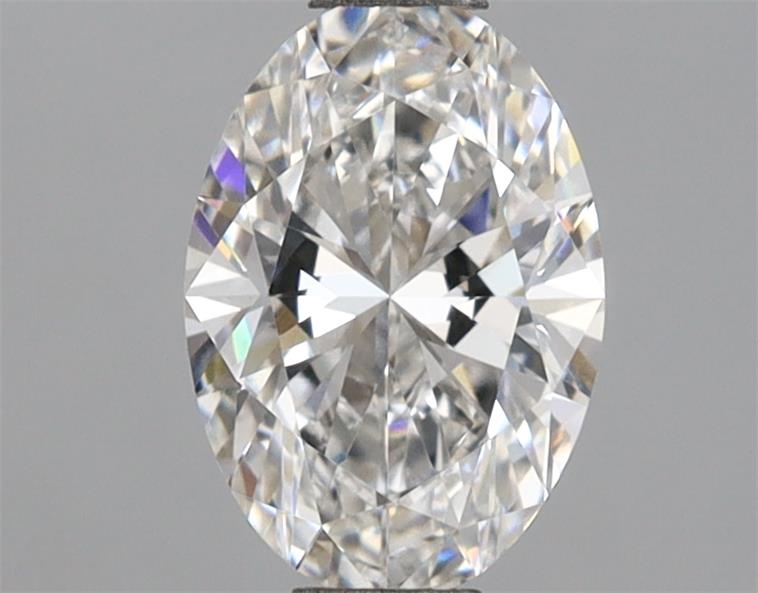
1.12 carat oval diamond
$475 $679
FLAT 30% OFF
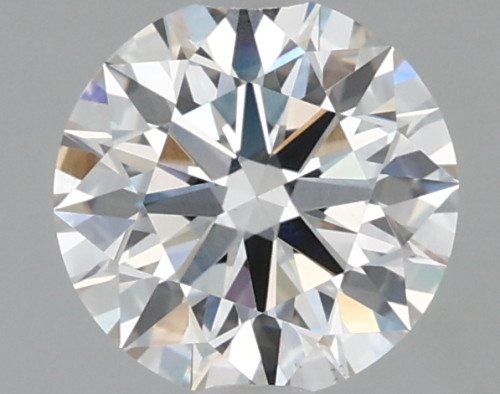
1.43 carat round diamond
$475 $679
FLAT 30% OFF
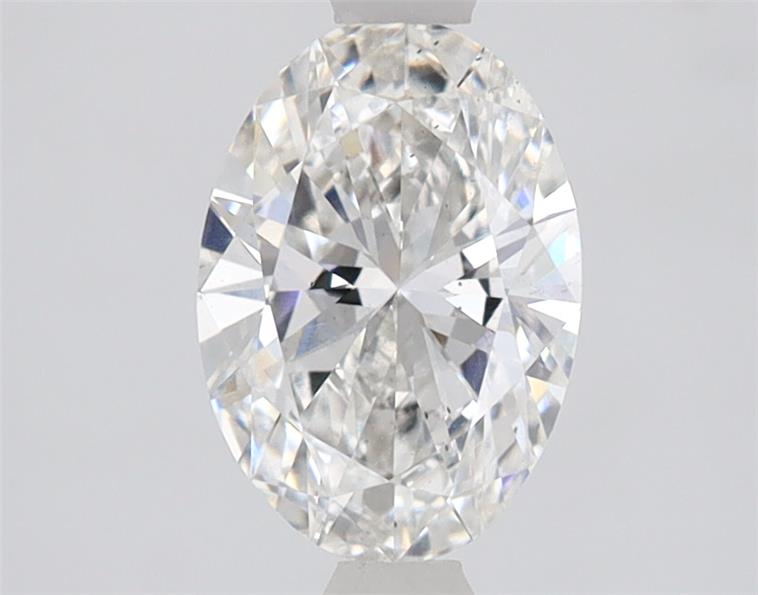
1.12 carat oval diamond
$475 $679
FLAT 30% OFF
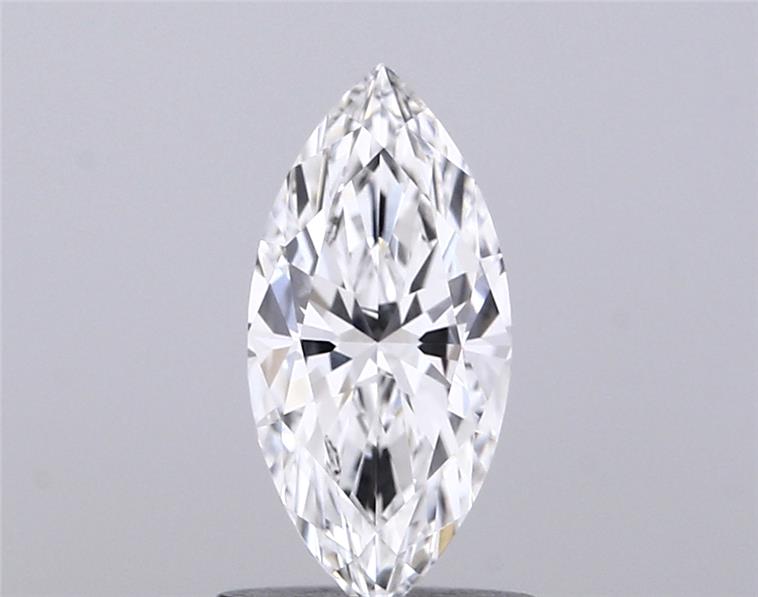
1.05 carat marquise diamond
$475 $679
FLAT 30% OFF
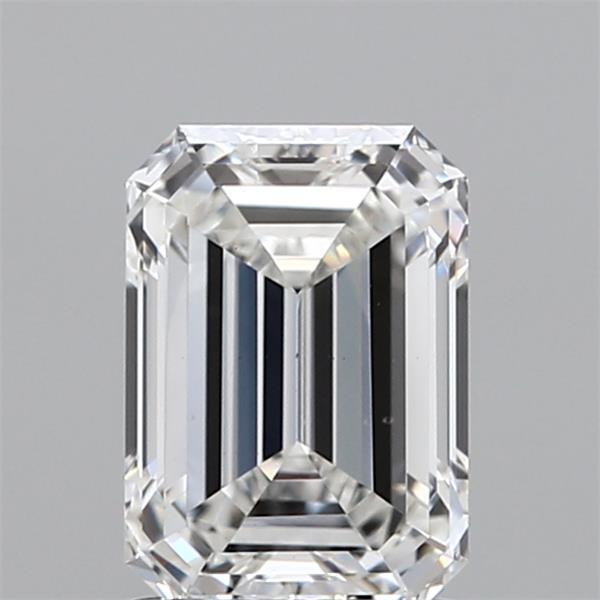
1.42 carat emerald diamond
$476 $680
FLAT 30% OFF

1.19 carat radiant diamond
$476 $680
FLAT 30% OFF
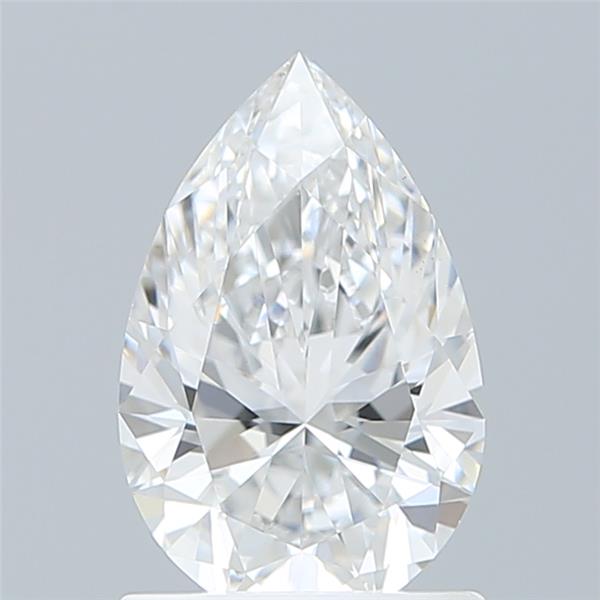
1.18 carat pear diamond
$478 $683
FLAT 30% OFF
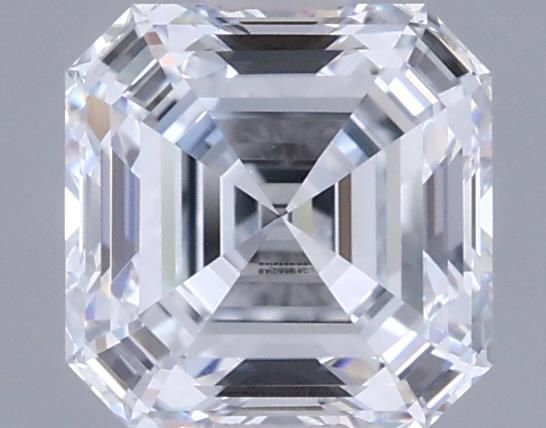
1.08 carat asscher diamond
$478 $683
FLAT 30% OFF
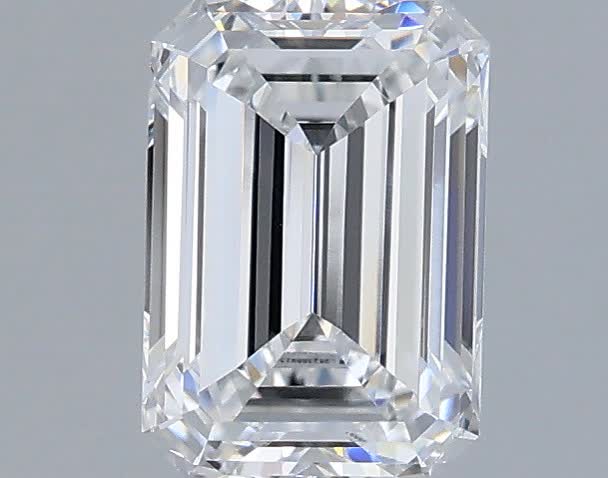
1.17 carat emerald diamond
$479 $684
FLAT 30% OFF
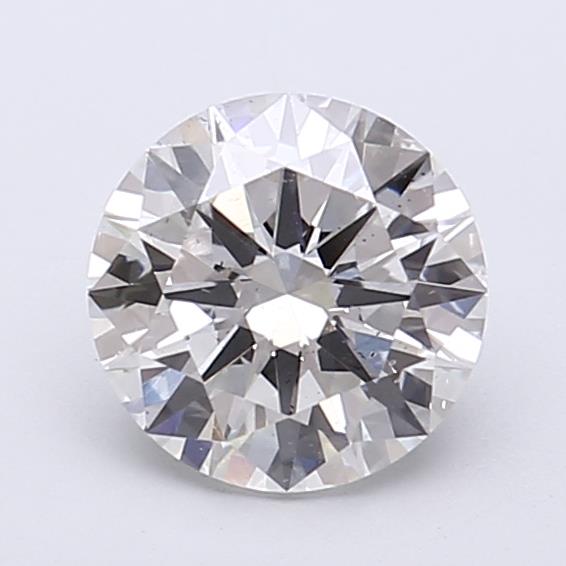
1.2 carat round diamond
$480 $686
FLAT 30% OFF

1.23 carat radiant diamond
$480 $686
FLAT 30% OFF
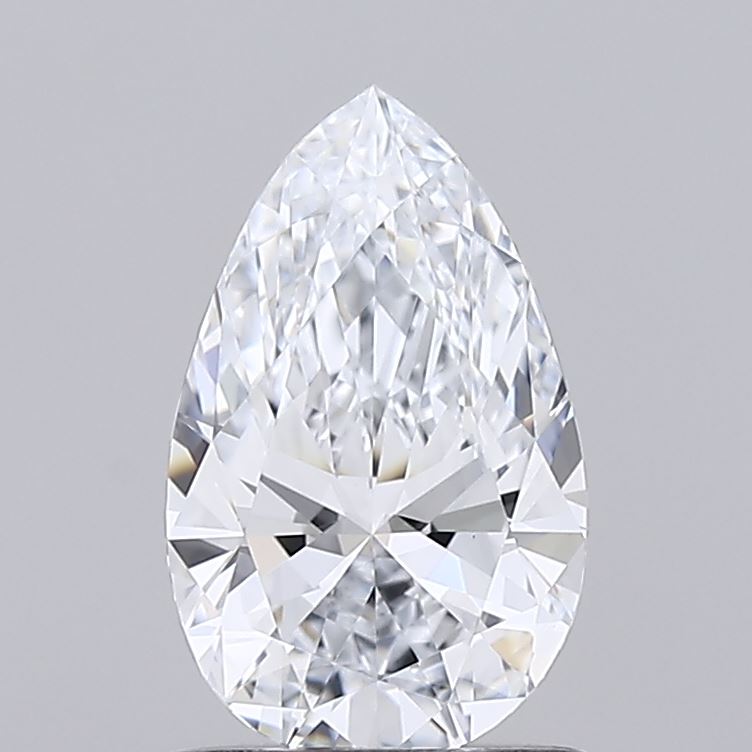
1 carat pear diamond
$480 $686
FLAT 30% OFF
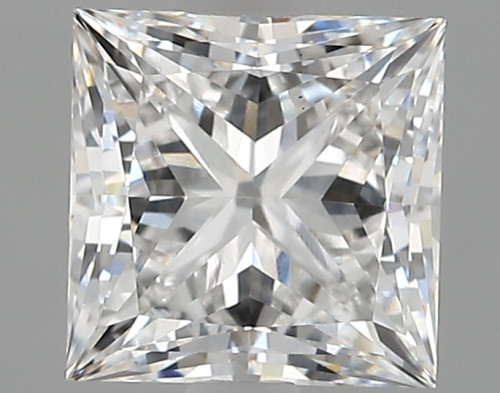
1.56 carat princess diamond
$480 $686
FLAT 30% OFF
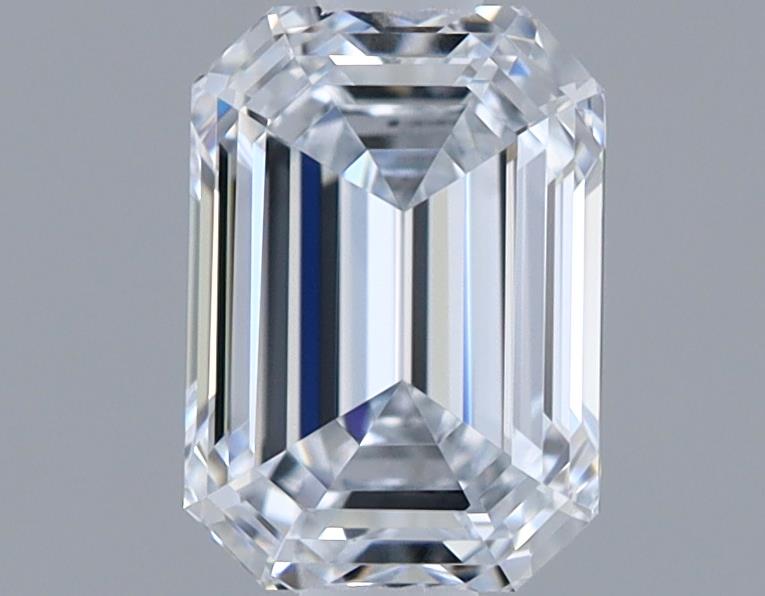
1.01 carat emerald diamond
$481 $687
FLAT 30% OFF
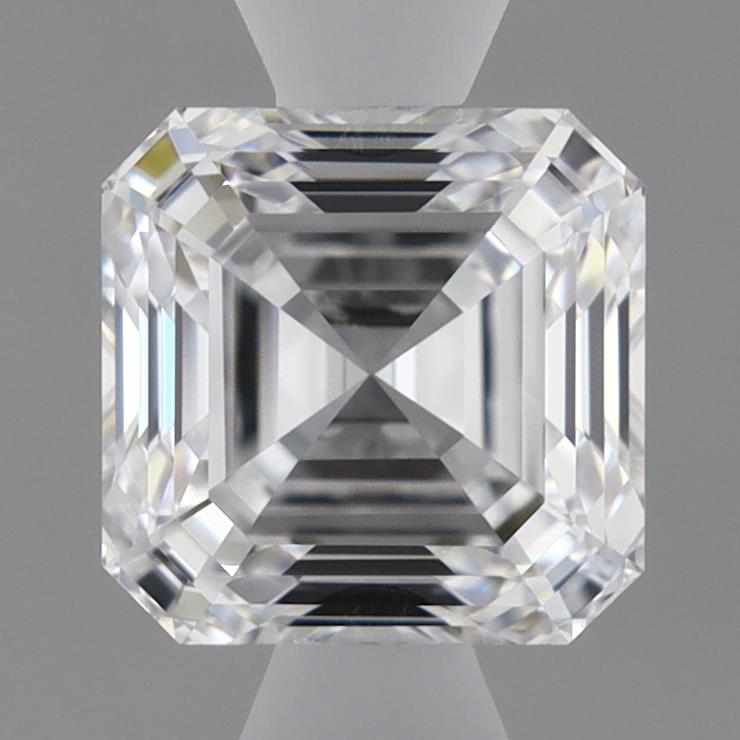
1.01 carat asscher diamond
$481 $687
FLAT 30% OFF
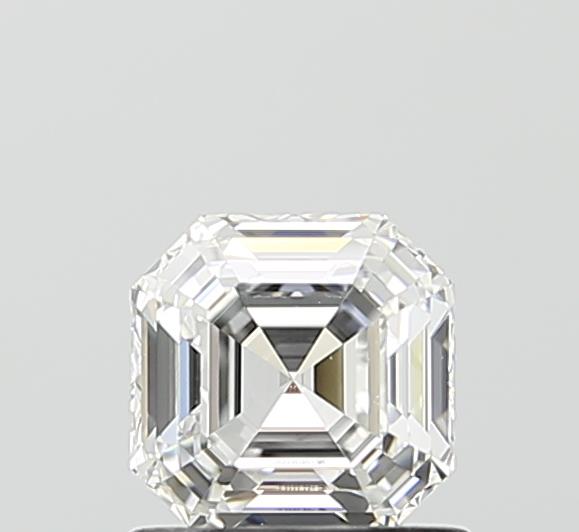
1.03 carat asscher diamond
$481 $687
FLAT 30% OFF
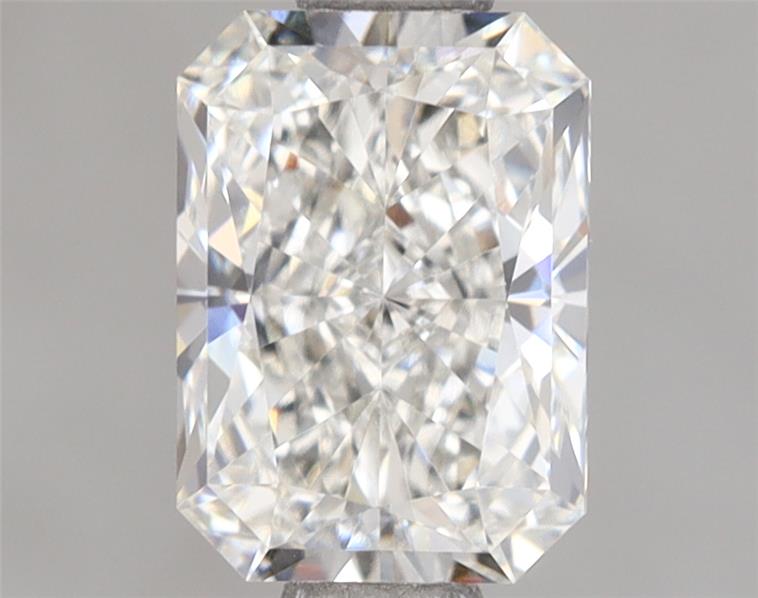
1.19 carat radiant diamond
$482 $689
FLAT 30% OFF

1.15 carat round diamond
$482 $689
FLAT 30% OFF
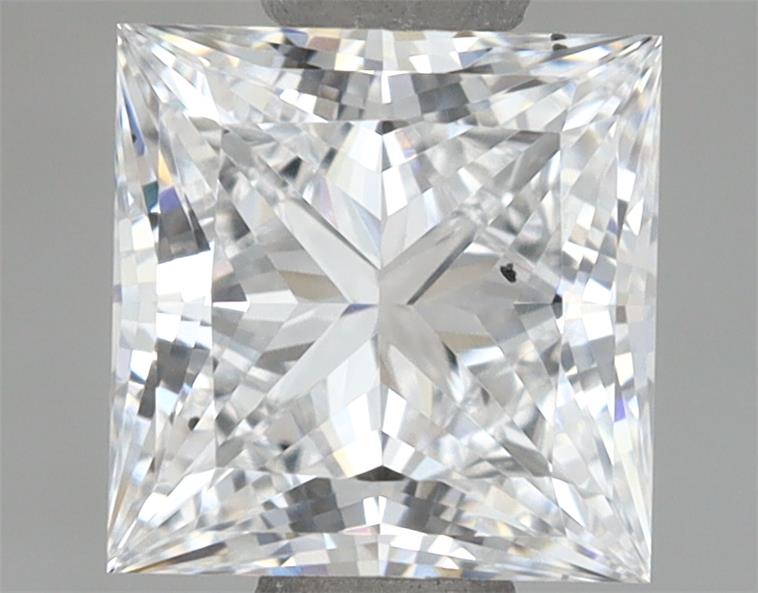
1.15 carat princess diamond
$482 $689
FLAT 30% OFF
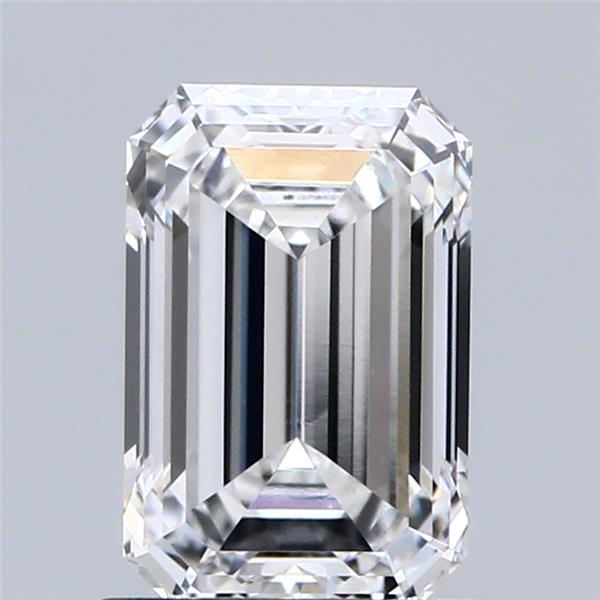
1.15 carat emerald diamond
$482 $689
FLAT 30% OFF
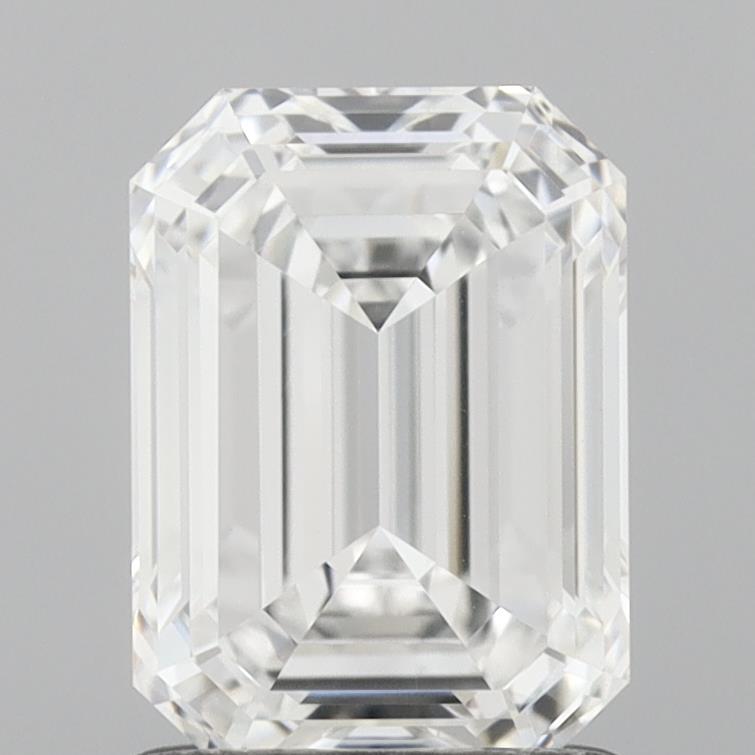
1.43 carat emerald diamond
$483 $690
FLAT 30% OFF
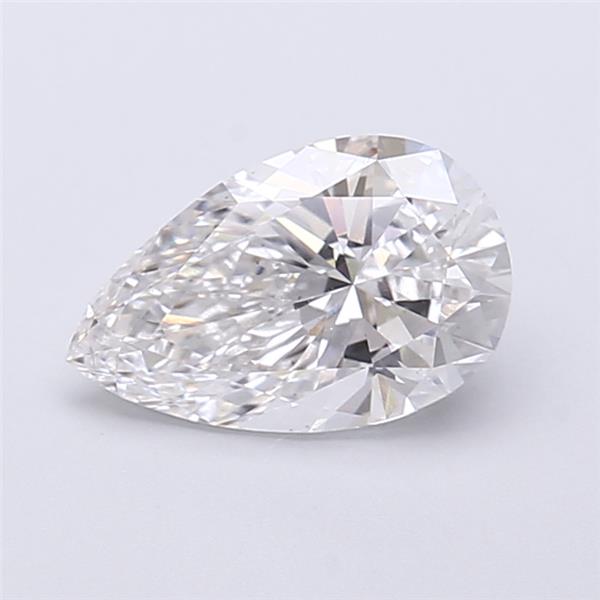
1.37 carat pear diamond
$483 $690
FLAT 30% OFF
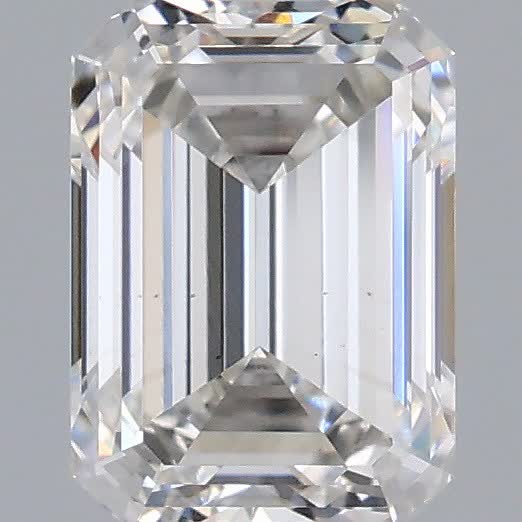
1.18 carat emerald diamond
$483 $690
FLAT 30% OFF
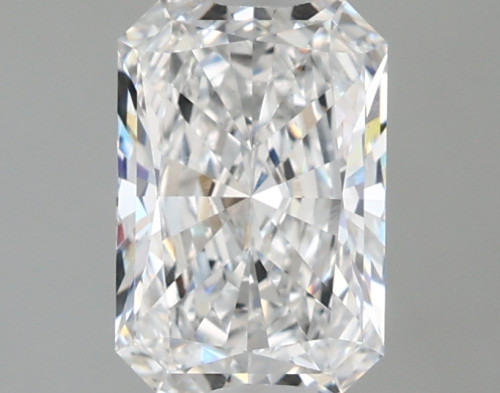
1.39 carat radiant diamond
$484 $691
FLAT 30% OFF

1.16 carat oval diamond
$486 $694
FLAT 30% OFF
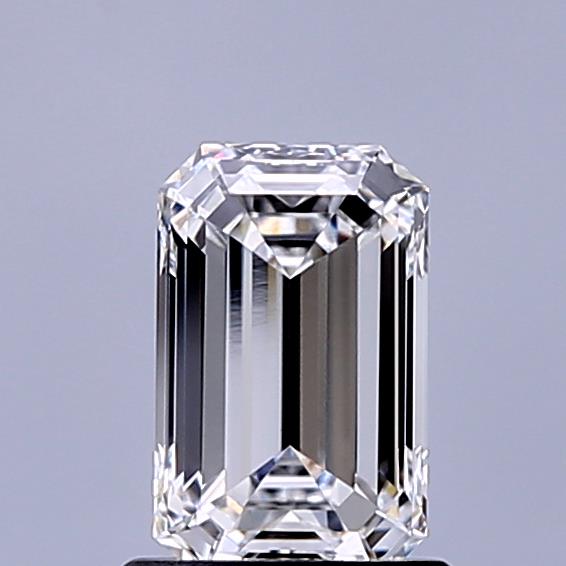
1.16 carat emerald diamond
$486 $694
FLAT 30% OFF
IGI Diamonds
From planning an engagement ring to upgrading a piece of fine jewelry, or even when comparing two diamonds, IGI certification provides a solid base to make informed choices.
What is an IGI Certificate?
IGI is an acronym for International Gemological Institute. An IGI-certified diamond has been examined by trained gemologists and issued a certificate stating essential quality details.
For lab-grown diamonds, the report will identify the diamond as laboratory-grown and provide information about the carat weight, color, clarity, cut data, measurements, polish, symmetry, and grading information. Many shoppers refer to this as a certificate, but it's actually a “grading report.”
What are IGI-certified Diamonds?
A diamond certification provides buyers with an independent assessment of the quality of a diamond. A grading report can be used to verify information other than images or product descriptions. This is particularly useful when you're buying lab-grown diamonds online.
Why does certification matter for lab-grown diamonds?
Lab-grown diamonds can look similar on the surface. Two diamonds can have the same shape and carat weight but vary in cut, clarity, color, proportions, and finish.
With IGI certification, there will be less guesswork. It lets the buyers compare IGI-certified lab diamonds based on verified information, not on general descriptions. Though lab-grown diamonds share the chemical and optical characteristics of natural diamonds, transparency about grading and origin disclosure is crucial.
How IGI Grades Lab-grown Diamonds with 4 C’s
The 4 C’s are the most important factors to understand diamond quality. They work together to explain features of a diamond, its weight, and its value.
a. Cut
The amount of light reflected is influenced by the cut of a diamond. A well-cut diamond will be bright, vibrant, and sparkling. “Brilliance” is white light return, and fire refers to flashes of color.
For round diamonds, cut grades are particularly crucial because this particular diamond shape has set standards for how diamonds perform in terms of light. Buyers often prefer Excellent or Ideal cut grades for a good sparkle. When purchasing fancy shapes like oval, pear, emerald, radiant, cushion, or marquise, it's also important to check proportions, polish, symmetry, and visual aesthetic.
b. Color
Diamond color is the term used when describing a diamond's color or lack of it. D is the lowest grade on the D-Z grading scale, which is the traditional scale for color. Colorless diamonds (crisp, icy appearance) are considered D-F, and near-colorless diamonds are considered G-J.
Shape and type of metal are also important. Emerald cuts tend to have more open facets, allowing colors to show up more, while round brilliant diamonds tend to obscure some amount of warmth.
c. Clarity
Clarity is the quality of being clear and distinct, both inside and out. Surface features are known as blemishes, and internal features are known as inclusions.
Many buyers want eye-clean diamonds, where inclusions are not visible to the naked eye during normal wear. Buyers who prefer a clear appearance will prefer clarity grades VVS and VS. If the inclusions are small and not too obtrusive, some SI diamonds may also be attractive.
Shape also has a role to play in clarity and visibility. Inclusions are more likely to be visible in emerald and asscher cuts. They are often concealed better in brilliant shapes like round, oval, pear, cushion, and radiant.
d. Carat Weight
Carat weight is a measure of the weight of a diamond, but it is not always an indication of how big the diamond will appear. Visual size is impacted by shape, cut quality, depth, and measurements.
For instance, an oval diamond and a round diamond of the same carat weight can appear quite differently on the finger. Long shapes, like oval, pear, marquise, and emerald, will seem bigger as they cover more length. When comparing IGI-certified lab-grown diamonds, take into account all the factors of size, sparkle, color, clarity, and proportions.
What’s Inside an IGI-certified Diamond Report?
An IGI lab-grown diamond report acts like a diamond ID card. It describes the diamond, how it has been graded, and what makes it unique. It's one of the most helpful tools for confident comparison shopping for online shoppers. It usually has these details.
a. Diamond identification details
The report features the IGI report number, diamond origin, shape, cutting style, and measurements. The origin confirms that the stone is lab-grown. The shape and cutting style indicate round brilliant, oval brilliant, emerald, pear brilliant, radiant, cushion, and more.
Measurements show the length, width, and depth of the diamond in ‘mm.’ These numbers help to clarify face-up size, as two diamonds of the same carat weight can appear quite different when they're held up due to how their weight is dispersed.
b. Quality Grades and 4Cs
Carat weight, color grade, clarity grade, and cut information (if available) are recorded in the report. These details enable customers to make better comparisons of diamonds.
For instance, if two diamonds are the same size (2 carats), the report illustrates which of the two is clearer, has better color, or has better proportions. This will help you to determine which of the two to go with.
c. Proportions, finish, and fluorescence
The IGI report may also include table percentage, depth percentage, girdle, culet, polish, symmetry, and fluorescence. These may sound like technical details, but they have an impact on the overall appearance of the diamond. Other details for the IGI-certified lab diamonds include:
- Polish describes the smoothness of a diamond's surface.
- Symmetry assesses the alignment of the facets.
- Fluorescence refers to the way a diamond responds to UV light.
The information can be useful to understand how 2 diamonds of the same 4C grade can appear and cost differently.
d. Inscription and Verification
Many diamonds may have a laser inscription around the girdle, the narrow edge of a diamond. The inscription has the grading report number and typically needs magnifying equipment to be read.
The inscription is used to relate the physical diamond to its report. This will be helpful if buying online, servicing jewelry, or checking a diamond post-purchase.
IGI vs GIA: Which is the better choice for lab-grown diamonds?
IGI and GIA are reputable gemological institutions. They may be compared when shopping for lab-grown diamonds, as their reporting style and presence in the market can vary.
| Factor | IGI | GIA |
|---|---|---|
| Lab assessment | Commonly used for lab-grown diamonds | Offers lab-grown diamond assessment |
| Reported grading | Includes origin and 4C's grading in the report | Uses Premium or Standard quality assessment model for lab-grown diamonds |
| Online availability | More common for online lab-grown inventories | Available, but may be less common for online lab-grown inventories |
| Buyer advantage | Useful for side-by-side comparison | Strong institutional recognition |
IGI vs GIA - Which one to choose?
IGI diamond certification is widely used for lab-grown diamonds. Rather than the lab name, it is wise to focus on the full report, visuals, and setting choice within your budget to make the right choice.
How to Verify Your IGI Lab-Grown Diamond Report
It is a good idea to have assurance when purchasing a certified lab diamond. It helps make sure that the details in a report are the same as the diamond that you are thinking about. These are some details to look out for:
a. Locate the IGI Report Number
Use the IGI report number indicated on the grading report. If the diamond is inscribed on the stone with a laser, the same number can be found on the girdle of the diamond.
b. Use the IGI Online Verification Tool
Enter the report number in the IGI online verification tool. This helps to ensure the details of the grading demonstrated in the report are consistent with IGI's records.
c. Match the Report Details
You can compare the verified report with the diamond listing. Examine the shape, carat weight, color, clarity, dimensions, and marking. These should match the specs of the diamond you are buying.
Why Choose Friendly Diamonds' IGI-certified Diamonds?
The process of selecting a certified diamond ought to be straightforward and individual. The process is easier with Friendly Diamonds' extensive array of IGI-certified laboratory-grown diamonds and comparisons made by the details that really matter.
a. Large selection of IGI-certified lab diamonds
Friendly Diamonds has a selection of 410,000+ IGI lab-grown diamonds in various shapes, sizes, grades, and IGI-certified diamond prices. From classic round diamonds to elegant oval diamonds, sleek emerald cut diamonds to romantic pear shape, a large inventory will help find the right match.
b. Transparent Quality Details
Check the certification, carat weight, color, clarity, cut details, measurements, and pricing before selecting a piece. This can give you an idea of what makes one diamond different from another and which one is the best value for beauty.
c. Construct Your Ring with Confidence
IGI-certified diamonds are available for use with your desired style to fashion a custom engagement ring or exquisite jewelry. You can pick the diamond first and then pick the ring style, metal needed, and details of the ring style, which are according to your taste.
IGI Certified Diamonds FAQs
What does IGI-certified mean?
Is an IGI-certified lab-grown diamond a real diamond?
Is IGI grading good for lab-grown diamonds?
Which is better, IGI or GIA, for lab-grown diamonds?
What details are present in an IGI report?
How to check the authenticity of an IGI certificate?
Are there any inscriptions on IGI-certified diamonds?
Which IGI grade should I go with for an engagement ring?
Can I use an IGI-certified diamond to build a custom ring?
Why buy Friendly Diamonds IGI-certified diamonds?
Are IGI-certified lab-grown diamonds reliable?
What does an IGI diamond certificate include?
How can I verify an IGI diamond certificate?
What is the difference between IGI and other diamond grading laboratories?