
Unlock FREE lab diamond jewelry on purchases over $1,000.


- Home
- Loose Diamonds
Loose Diamonds
(321,245)
Our affordable collection of loose lab diamonds offers a stunning range of options, each one expertly crafted to match the highest quality standards. Made using state-of-the-art technology and environmentally responsible processes, our lab diamonds are certified by world-renowned diamond grading institutions like the IGI and GIA. These diamonds will be your perfect alternative to traditionally mined diamonds, offering brilliance, clarity, and durability at par with natural gemstones.
;%20}%20}%20%3c/style%3e%3cpath%20class='spinner_6kVp'%20d='M88%2075C88%2072.4288%2087.2376%2069.9154%2085.8091%2067.7776C84.3806%2065.6397%2082.3503%2063.9735%2079.9749%2062.9896C77.5994%2062.0056%2074.9856%2061.7482%2072.4638%2062.2498C69.9421%2062.7514%2067.6257%2063.9895%2065.8076%2065.8076C63.9895%2067.6257%2062.7514%2069.9421%2062.2498%2072.4638C61.7482%2074.9856%2062.0056%2077.5994%2062.9896%2079.9749C63.9735%2082.3503%2065.6397%2084.3806%2067.7776%2085.8091C69.9154%2087.2376%2072.4288%2088%2075%2088'%20stroke='%23668B84'%20stroke-width='3'/%3e%3c/svg%3e)
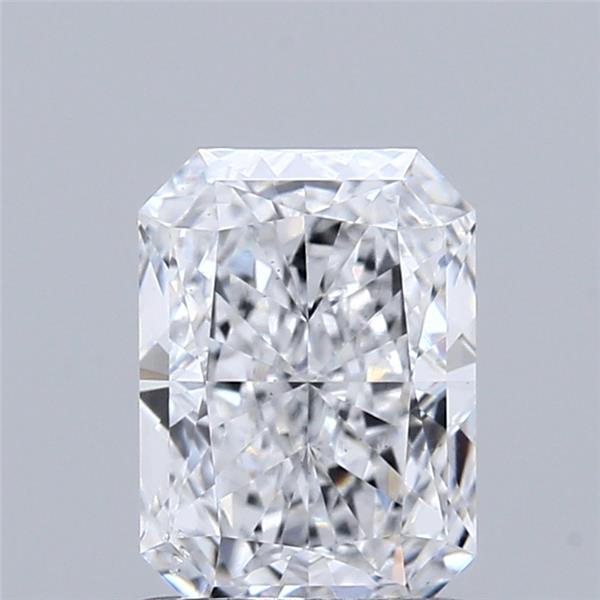
1 carat radiant diamond
$380 $543
FLAT 30% OFF
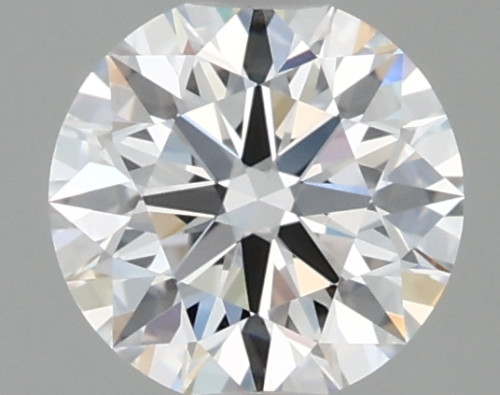
1.11 carat round diamond
$384 $549
FLAT 30% OFF
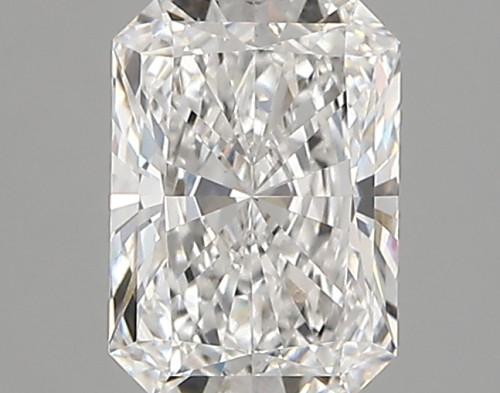
1.15 carat radiant diamond
$400 $571
FLAT 30% OFF
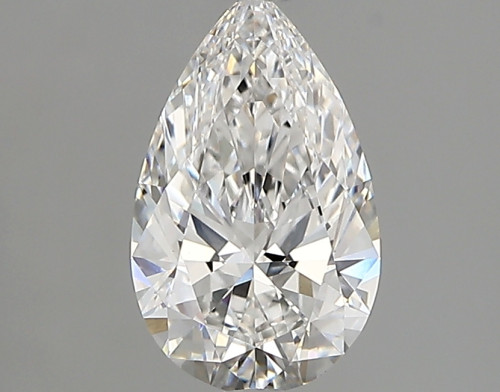
1.17 carat pear diamond
$402 $574
FLAT 30% OFF
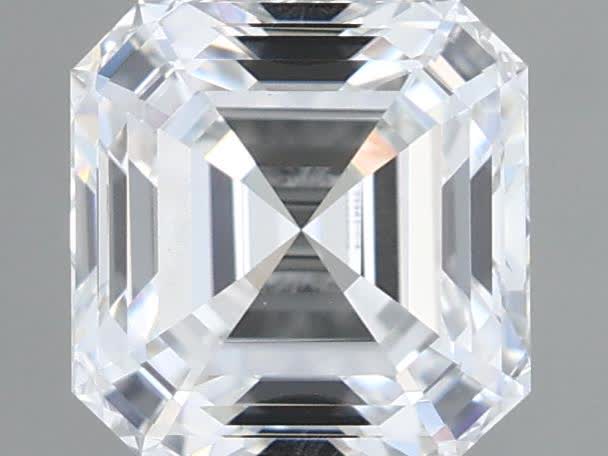
1.11 carat asscher diamond
$411 $587
FLAT 30% OFF
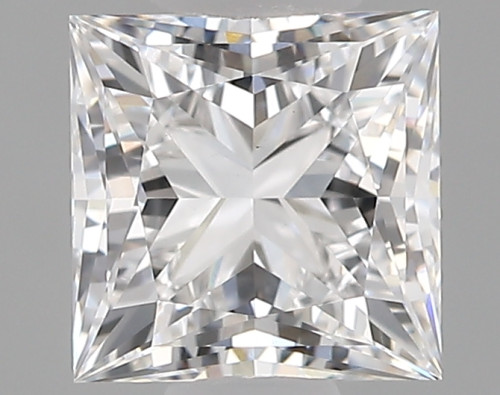
1.16 carat princess diamond
$411 $587
FLAT 30% OFF
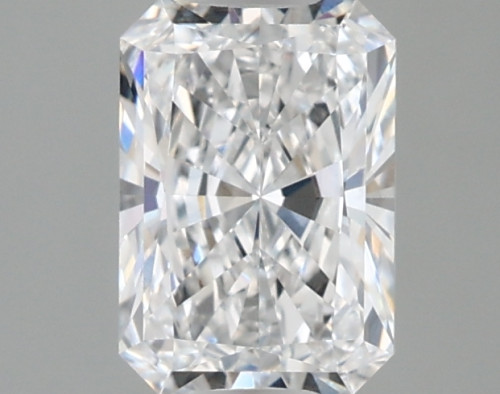
1.16 carat radiant diamond
$413 $590
FLAT 30% OFF
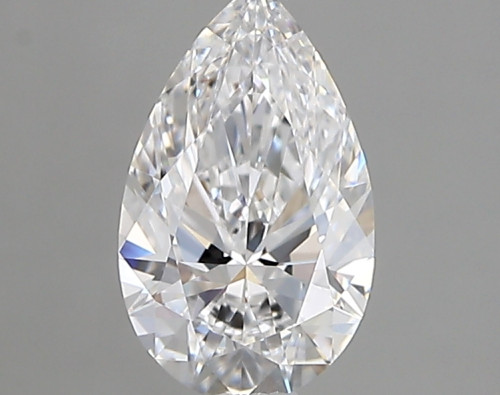
1 carat pear diamond
$419 $599
FLAT 30% OFF
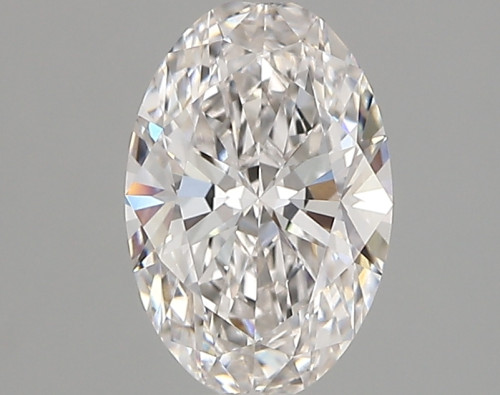
1.26 carat oval diamond
$423 $604
FLAT 30% OFF
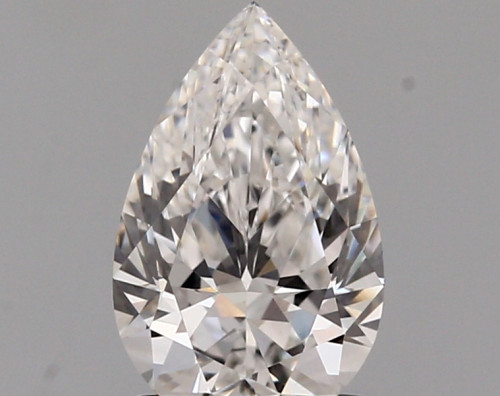
1.3 carat pear diamond
$426 $609
FLAT 30% OFF
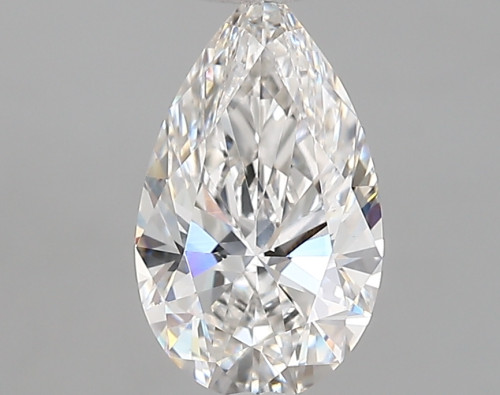
1.4 carat pear diamond
$431 $616
FLAT 30% OFF
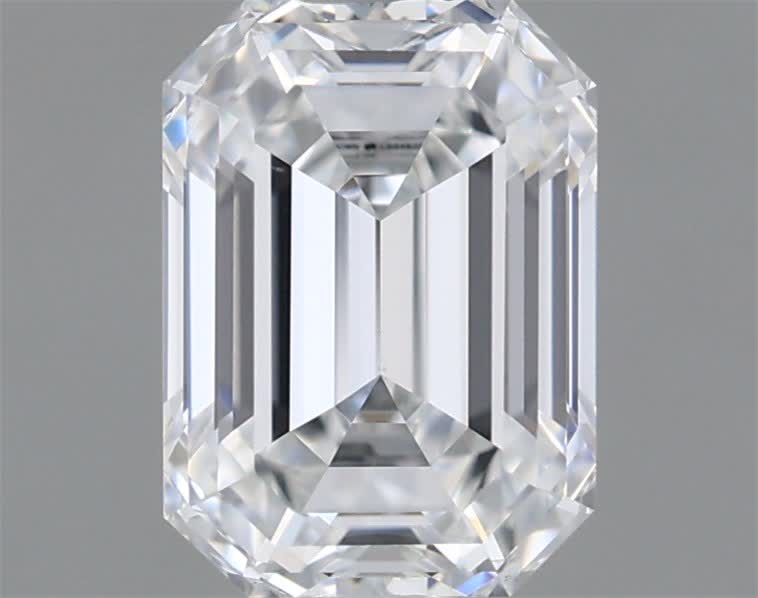
1.12 carat emerald diamond
$437 $624
FLAT 30% OFF
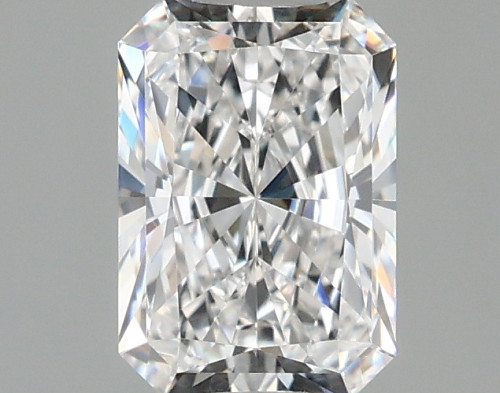
1.04 carat radiant diamond
$437 $624
FLAT 30% OFF
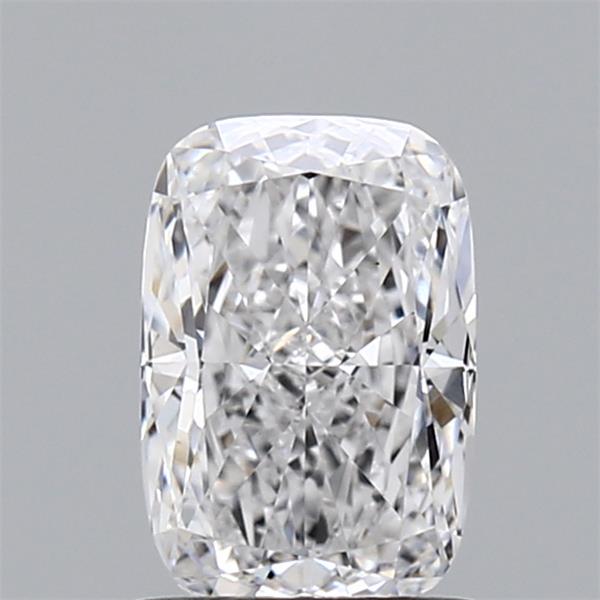
1.14 carat cushion diamond
$439 $627
FLAT 30% OFF
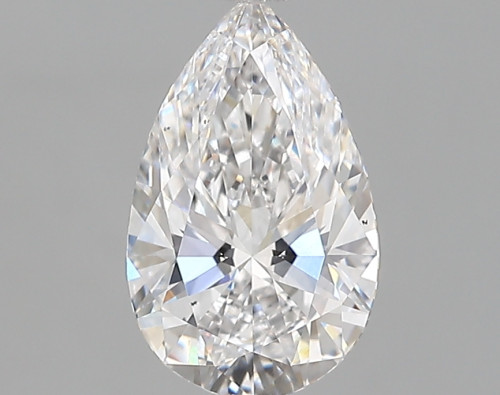
1.39 carat pear diamond
$439 $627
FLAT 30% OFF
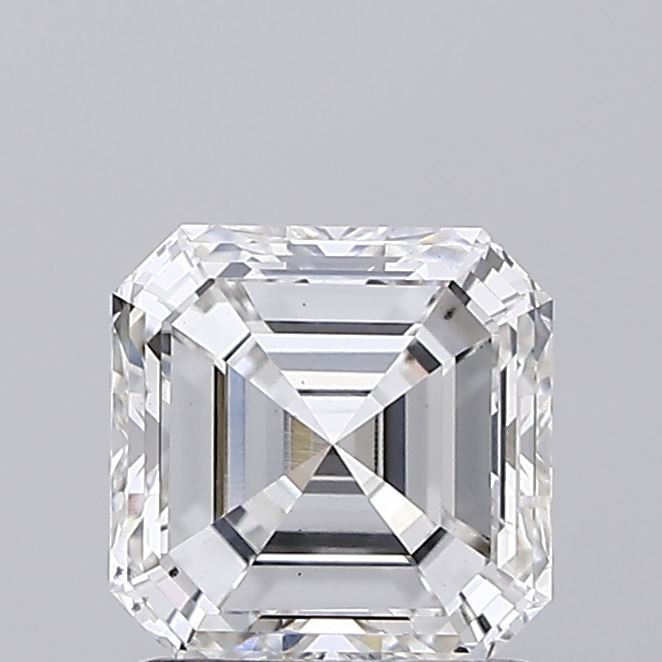
1.01 carat asscher diamond
$444 $634
FLAT 30% OFF
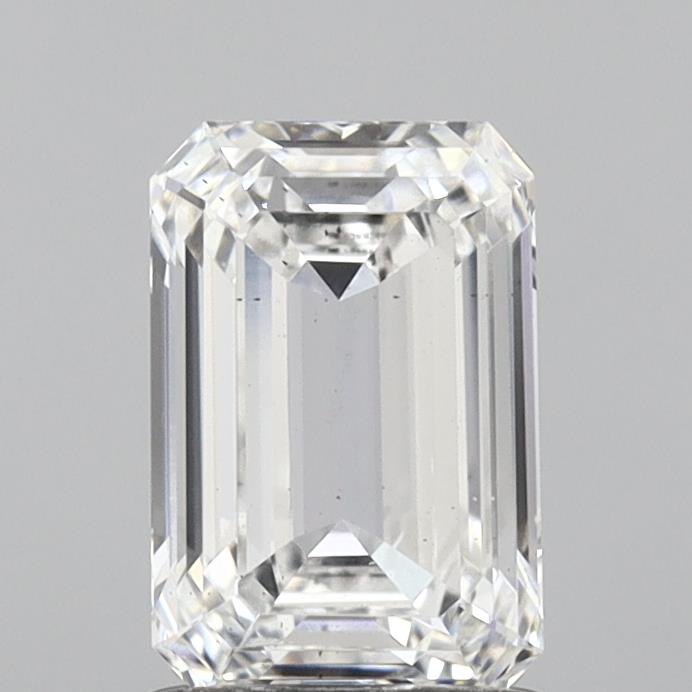
1.17 carat emerald diamond
$445 $636
FLAT 30% OFF
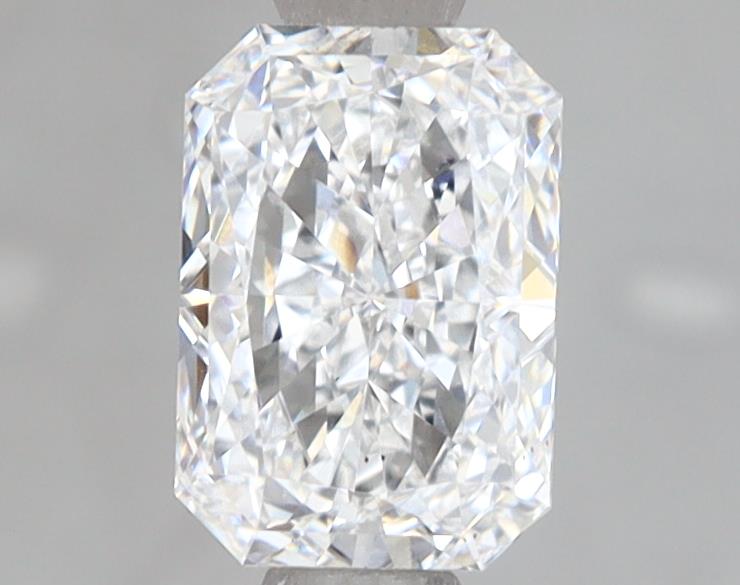
1.13 carat radiant diamond
$446 $637
FLAT 30% OFF
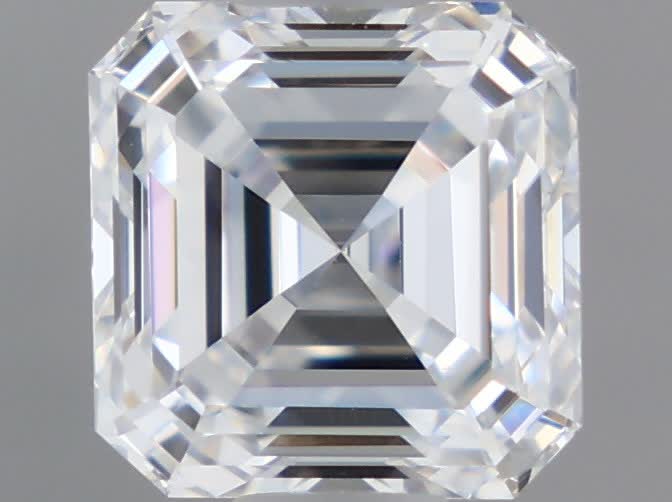
1.15 carat asscher diamond
$454 $649
FLAT 30% OFF
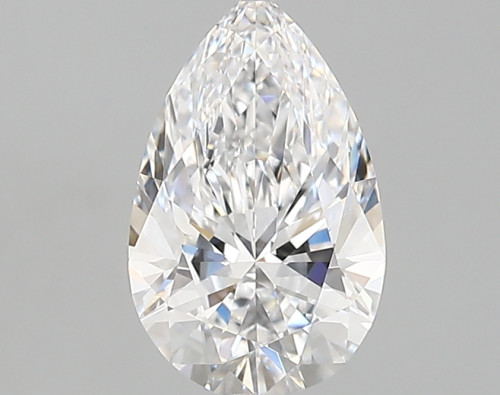
1.4 carat pear diamond
$459 $656
FLAT 30% OFF

1.15 carat round diamond
$460 $657
FLAT 30% OFF
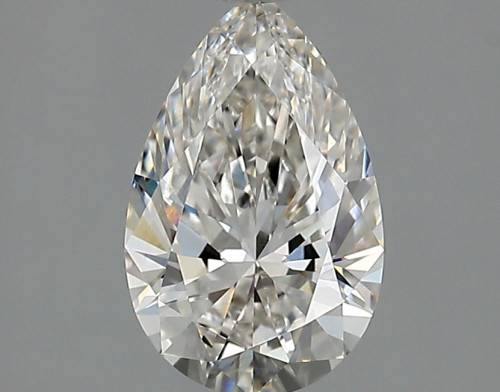
1.42 carat pear diamond
$460 $657
FLAT 30% OFF
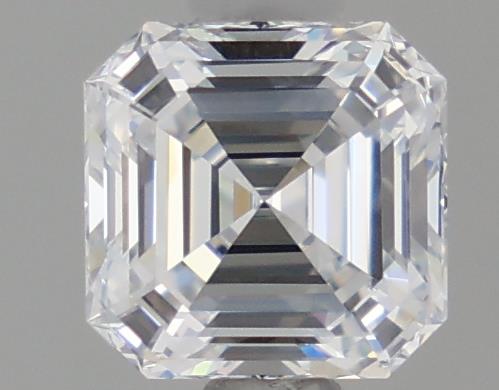
1.04 carat asscher diamond
$463 $661
FLAT 30% OFF
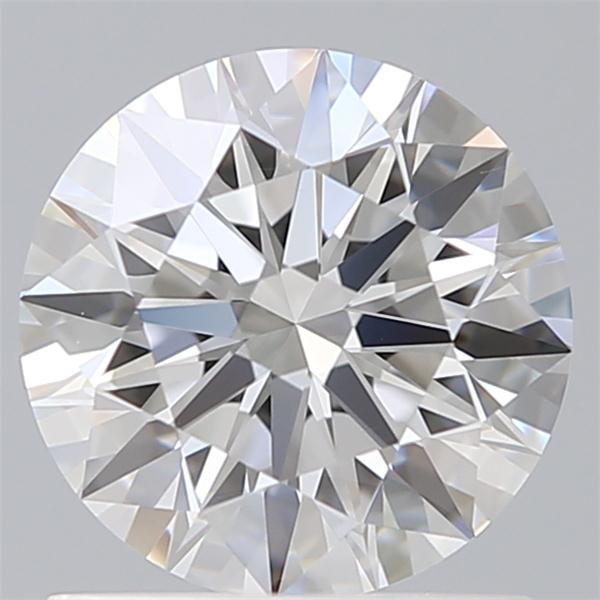
1.19 carat round diamond
$464 $663
FLAT 30% OFF
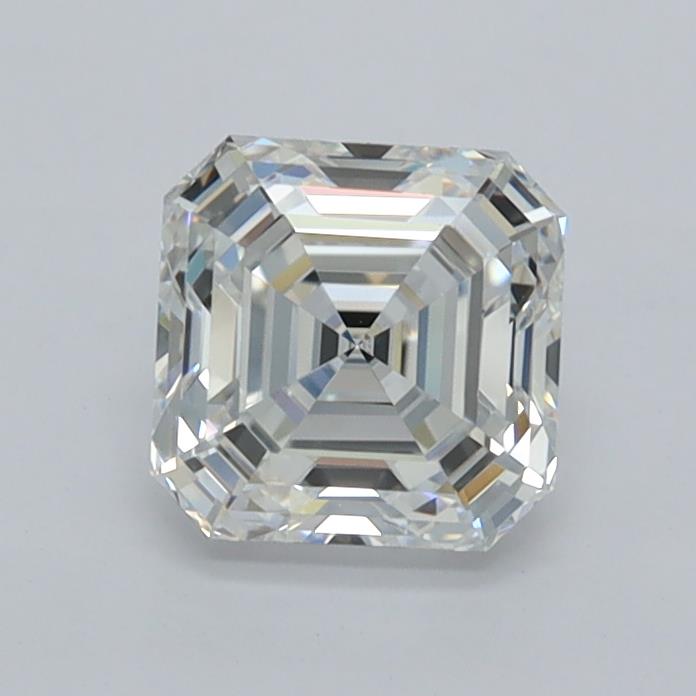
1.02 carat asscher diamond
$464 $663
FLAT 30% OFF
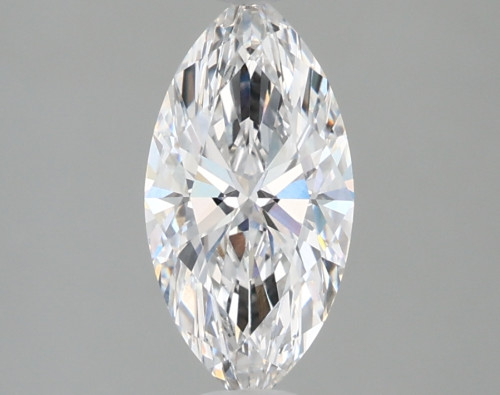
1.29 carat marquise diamond
$464 $663
FLAT 30% OFF
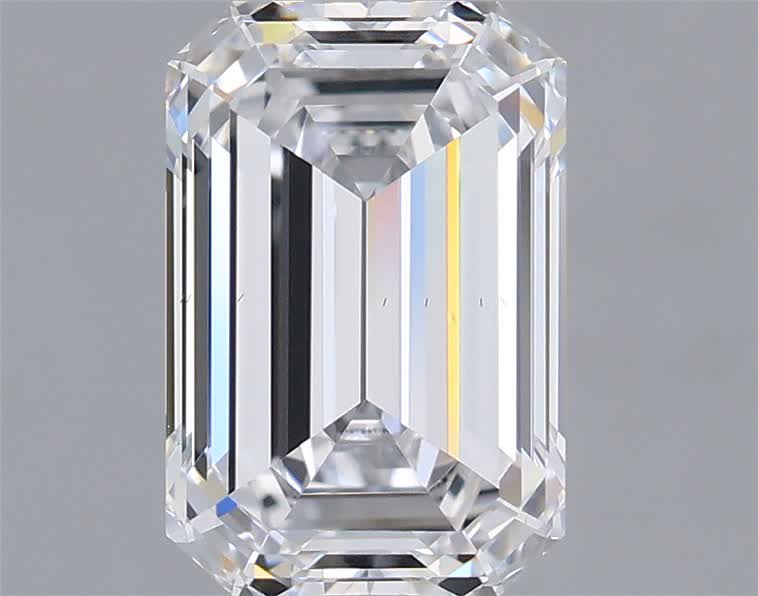
1.41 carat emerald diamond
$465 $664
FLAT 30% OFF
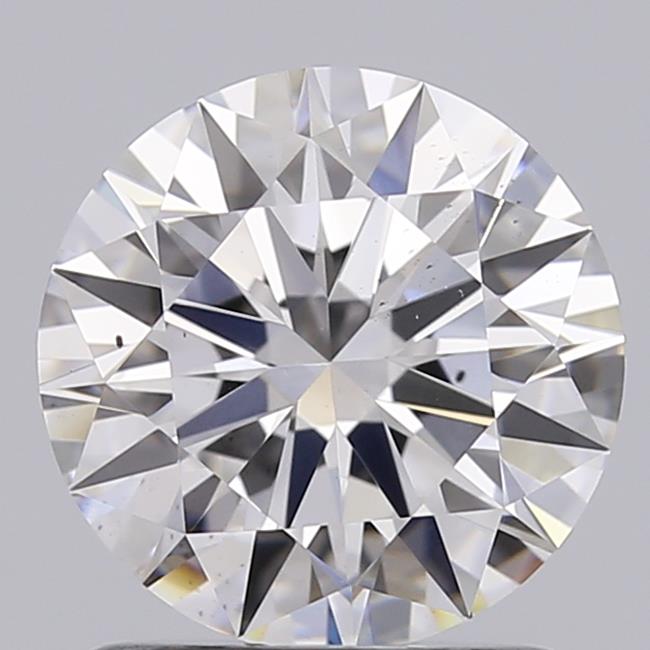
1.18 carat round diamond
$466 $666
FLAT 30% OFF
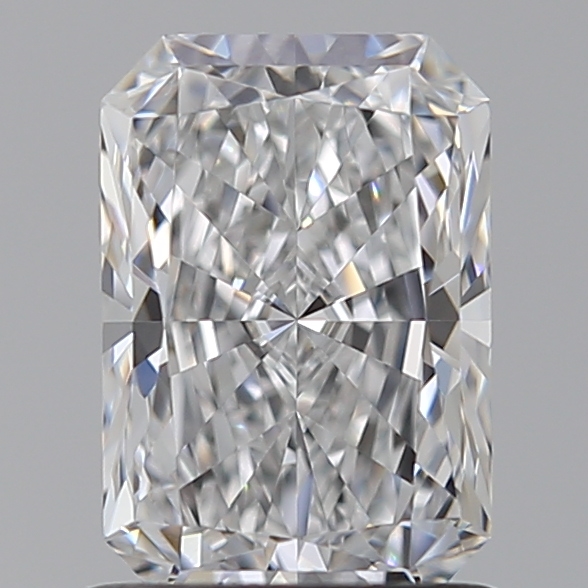
1.15 carat radiant diamond
$468 $669
FLAT 30% OFF
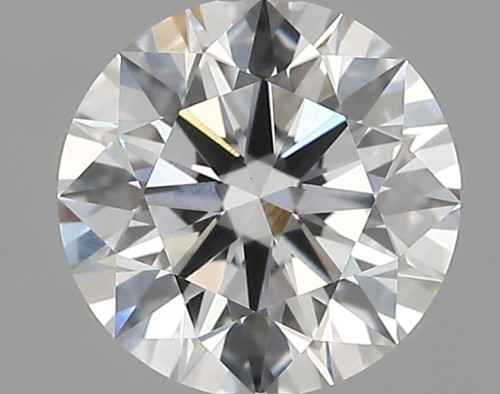
1.4 carat round diamond
$470 $671
FLAT 30% OFF
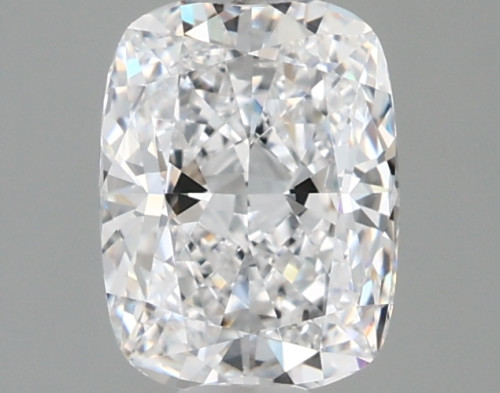
1.28 carat cushion diamond
$471 $673
FLAT 30% OFF
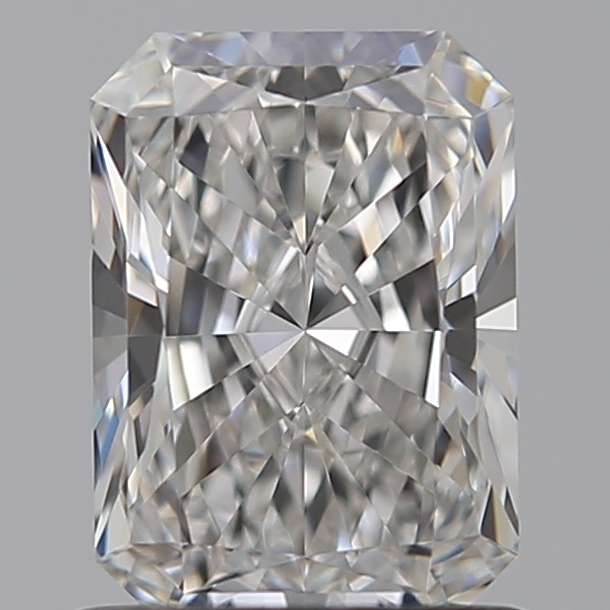
1.04 carat radiant diamond
$472 $674
FLAT 30% OFF
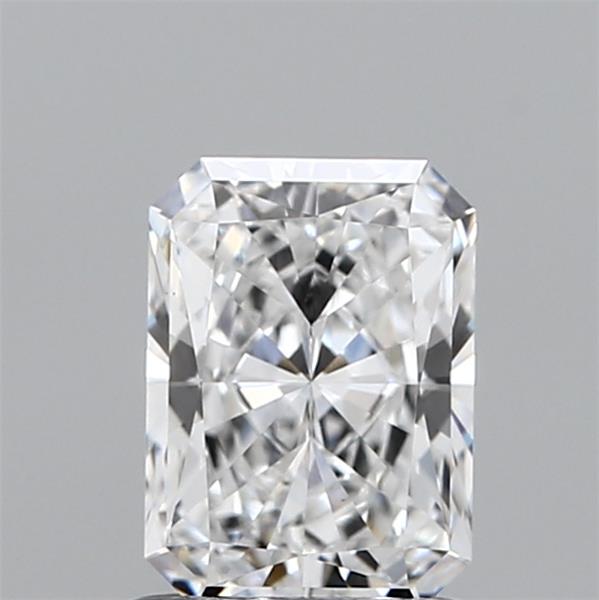
1.18 carat radiant diamond
$472 $674
FLAT 30% OFF
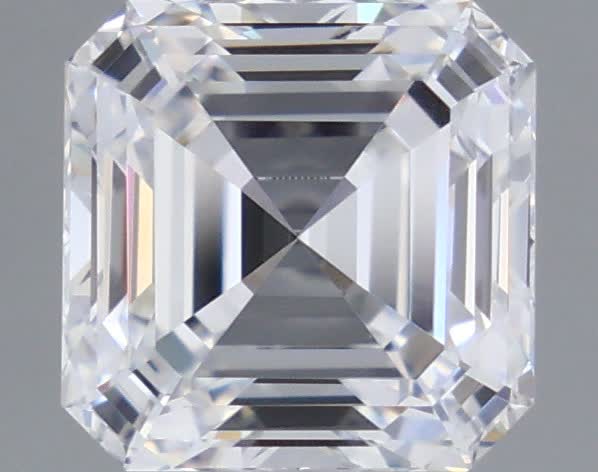
1.26 carat asscher diamond
$474 $677
FLAT 30% OFF
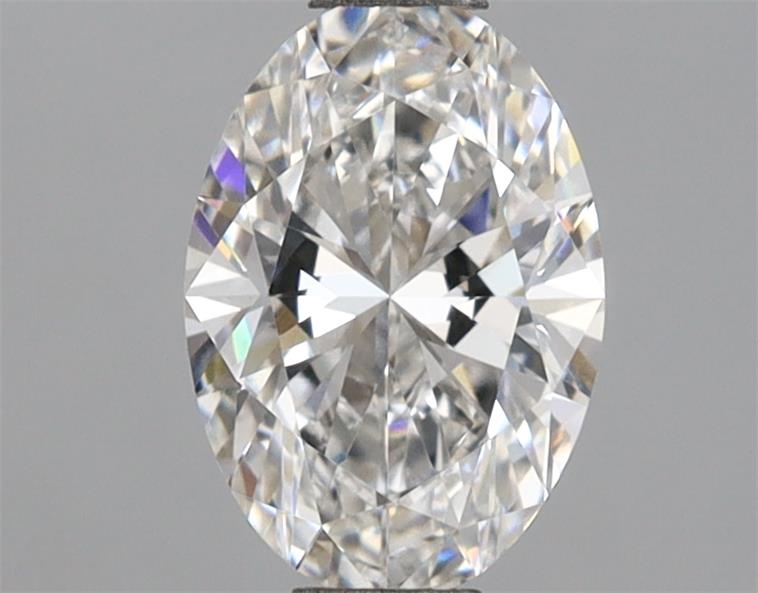
1.12 carat oval diamond
$475 $679
FLAT 30% OFF
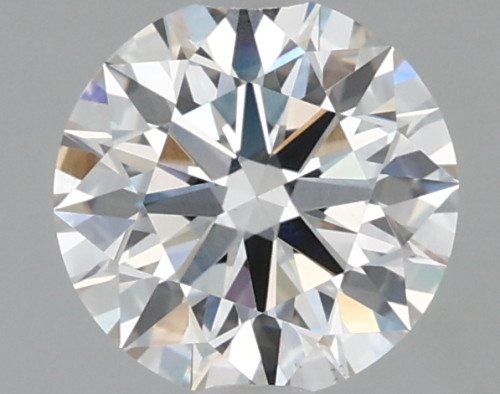
1.43 carat round diamond
$475 $679
FLAT 30% OFF
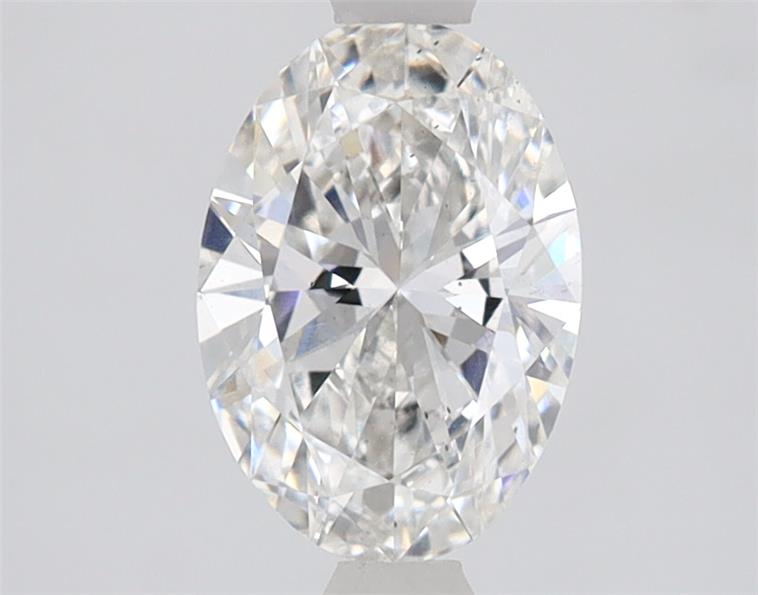
1.12 carat oval diamond
$475 $679
FLAT 30% OFF
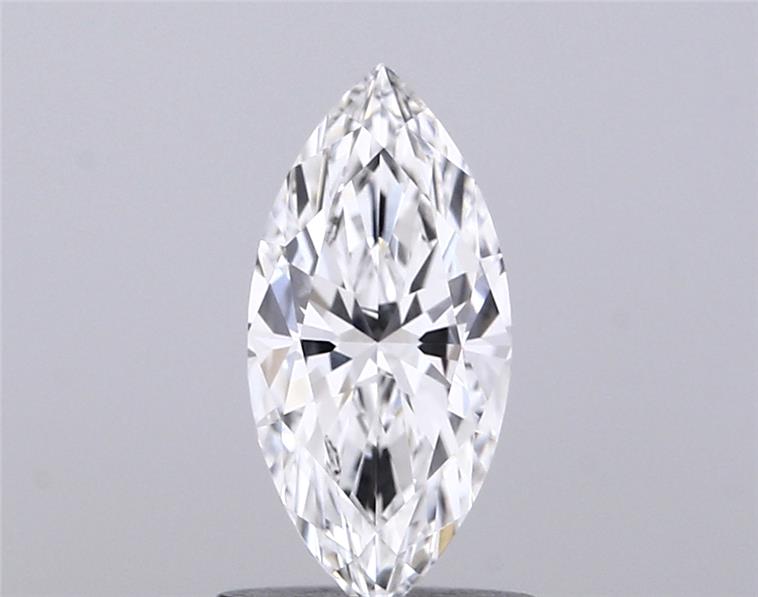
1.05 carat marquise diamond
$475 $679
FLAT 30% OFF
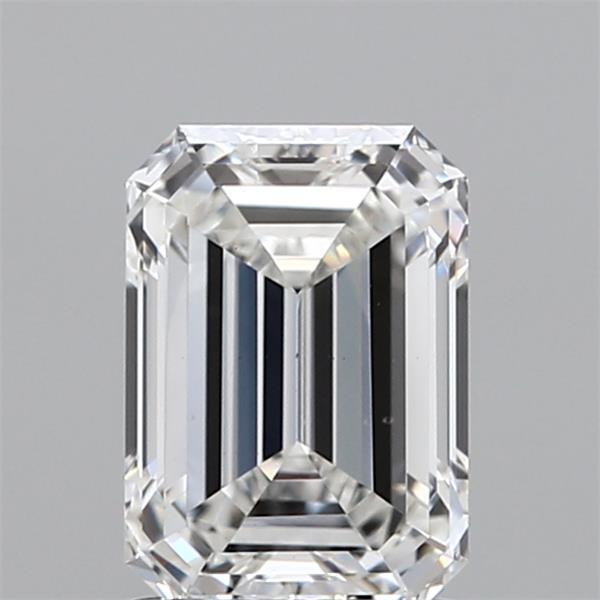
1.42 carat emerald diamond
$476 $680
FLAT 30% OFF

1.19 carat radiant diamond
$476 $680
FLAT 30% OFF
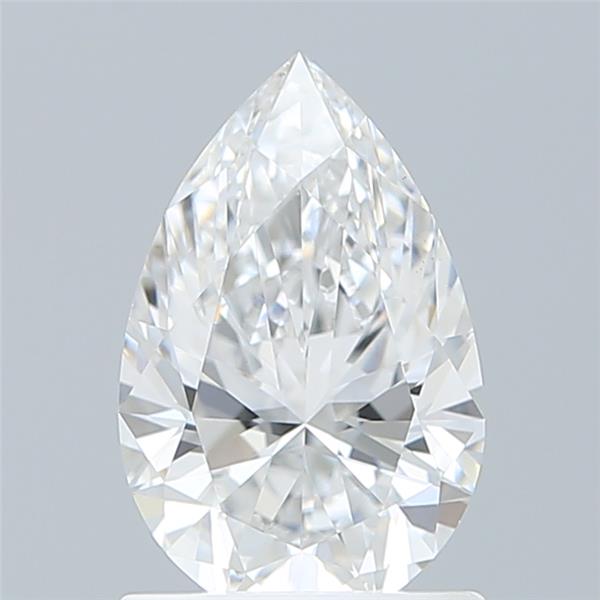
1.18 carat pear diamond
$478 $683
FLAT 30% OFF
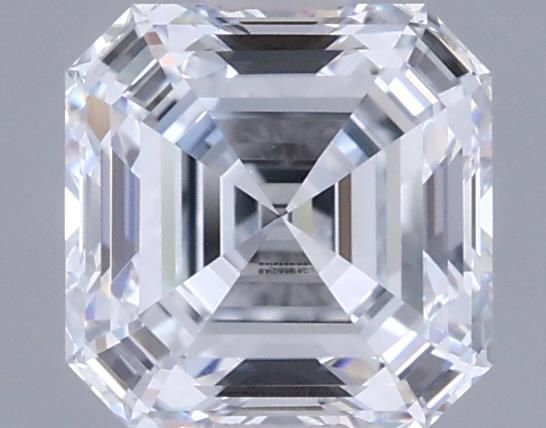
1.08 carat asscher diamond
$478 $683
FLAT 30% OFF
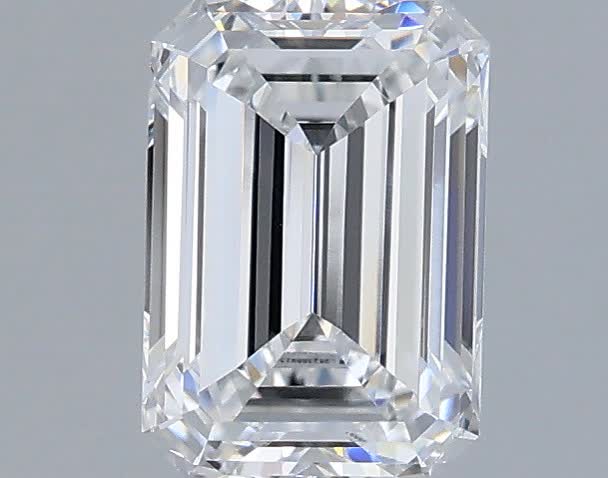
1.17 carat emerald diamond
$479 $684
FLAT 30% OFF
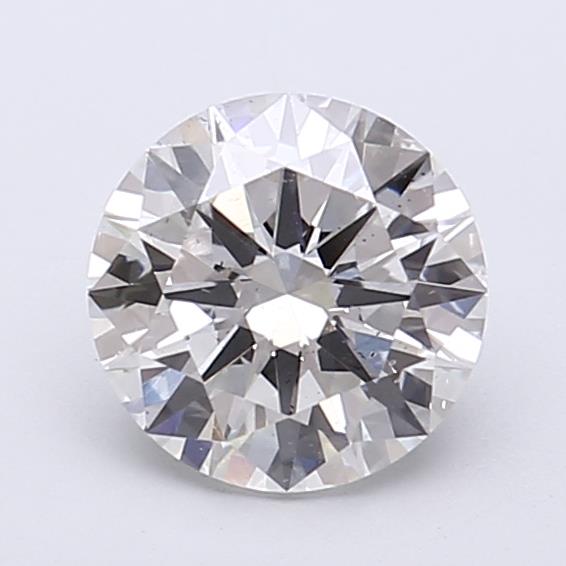
1.2 carat round diamond
$480 $686
FLAT 30% OFF

1.23 carat radiant diamond
$480 $686
FLAT 30% OFF
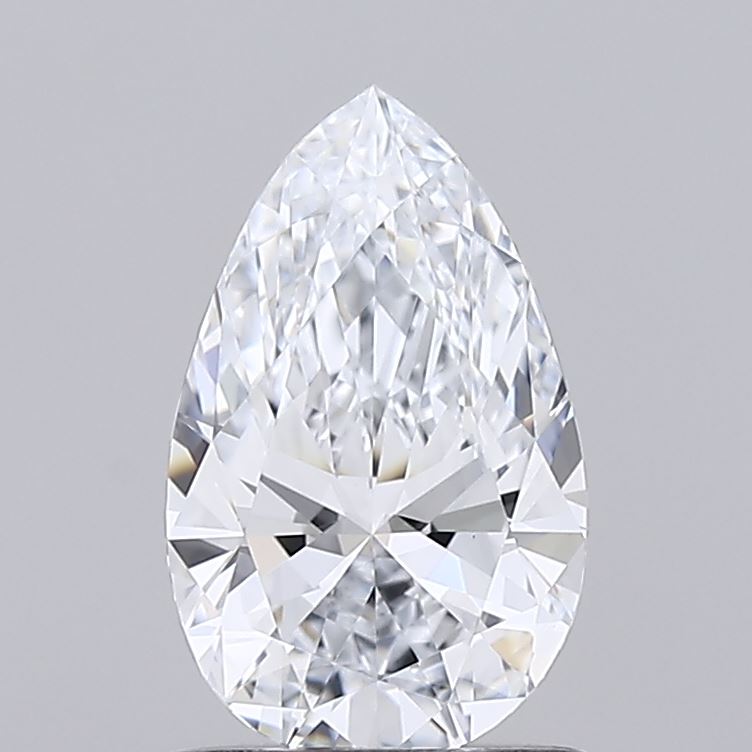
1 carat pear diamond
$480 $686
FLAT 30% OFF
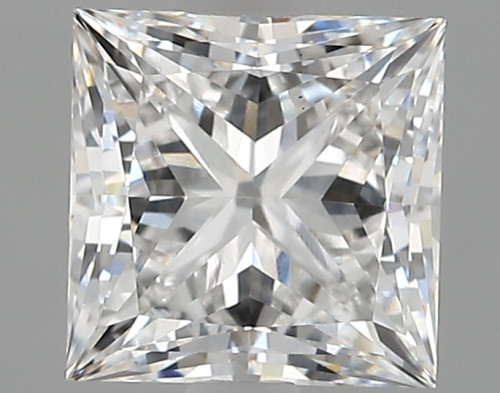
1.56 carat princess diamond
$480 $686
FLAT 30% OFF
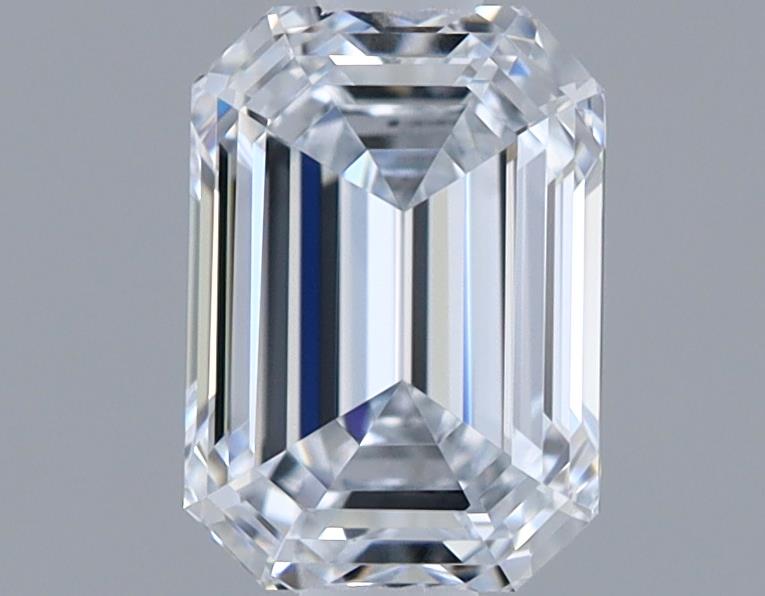
1.01 carat emerald diamond
$481 $687
FLAT 30% OFF
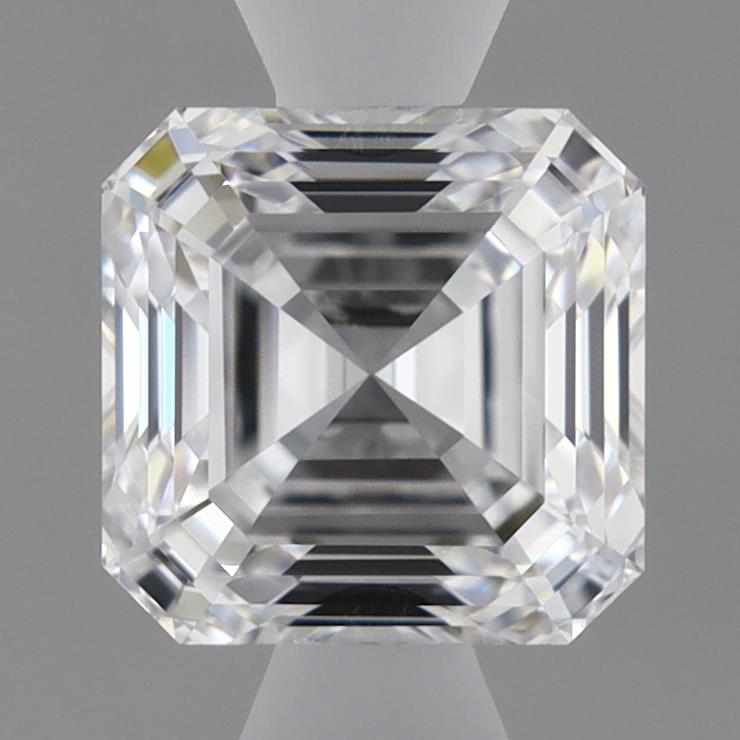
1.01 carat asscher diamond
$481 $687
FLAT 30% OFF
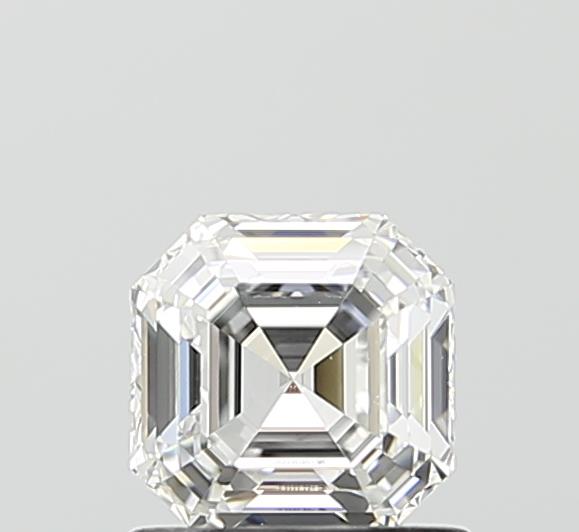
1.03 carat asscher diamond
$481 $687
FLAT 30% OFF
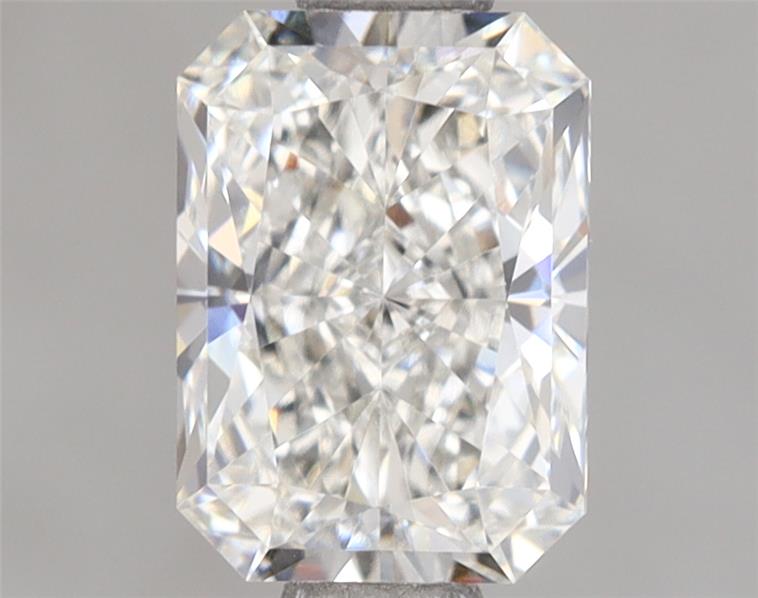
1.19 carat radiant diamond
$482 $689
FLAT 30% OFF

1.15 carat round diamond
$482 $689
FLAT 30% OFF
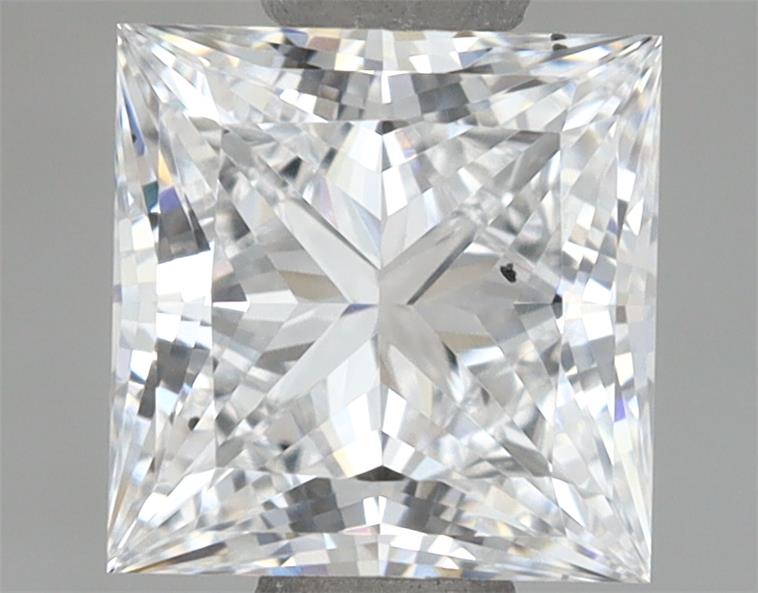
1.15 carat princess diamond
$482 $689
FLAT 30% OFF
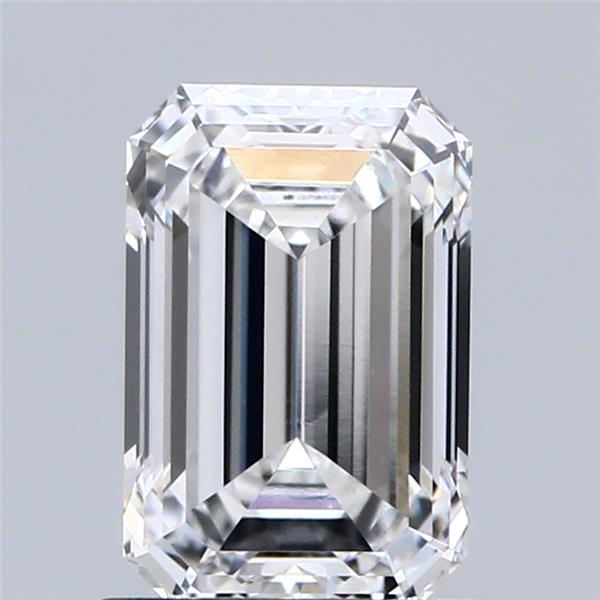
1.15 carat emerald diamond
$482 $689
FLAT 30% OFF
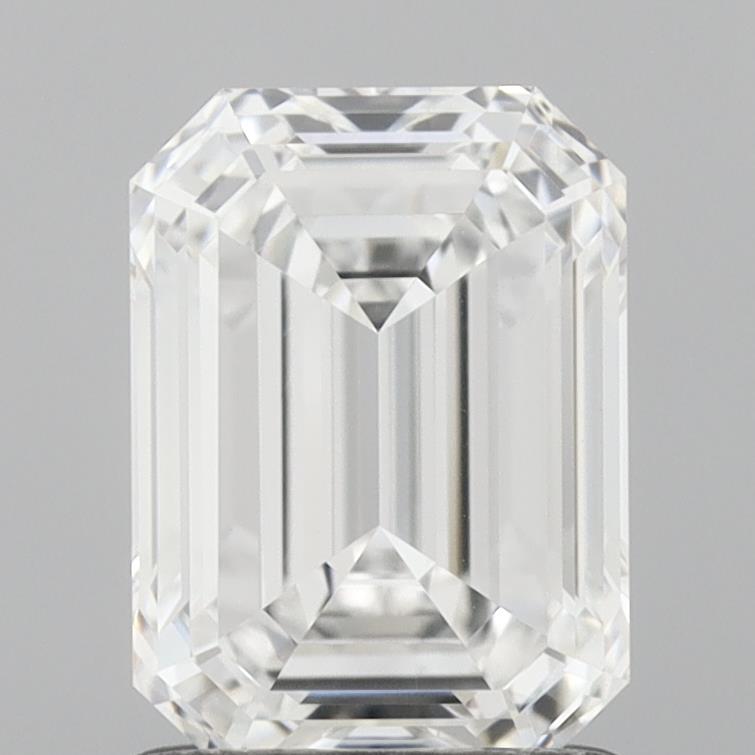
1.43 carat emerald diamond
$483 $690
FLAT 30% OFF
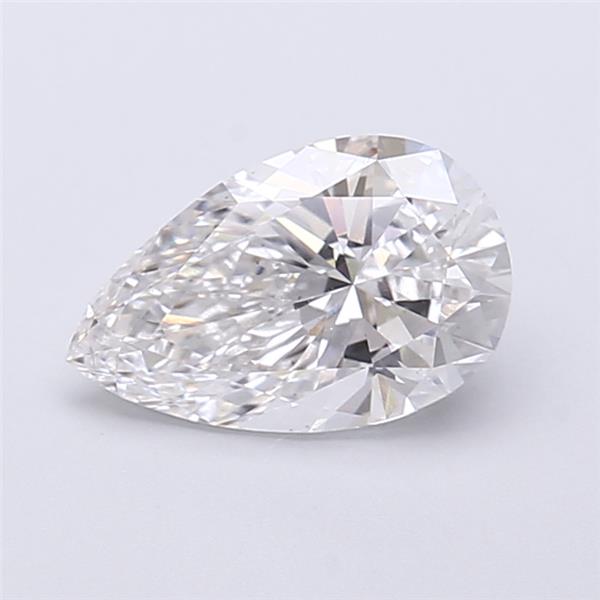
1.37 carat pear diamond
$483 $690
FLAT 30% OFF
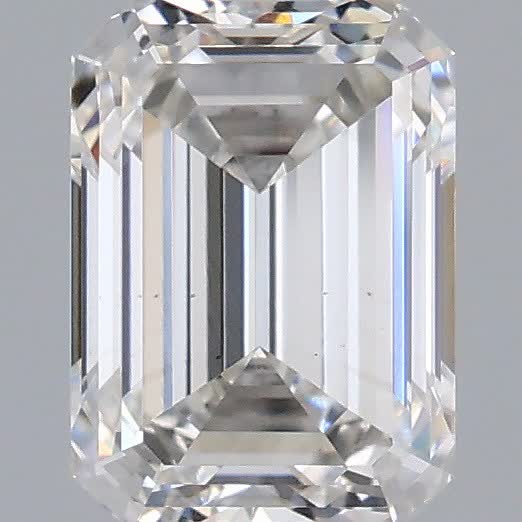
1.18 carat emerald diamond
$483 $690
FLAT 30% OFF
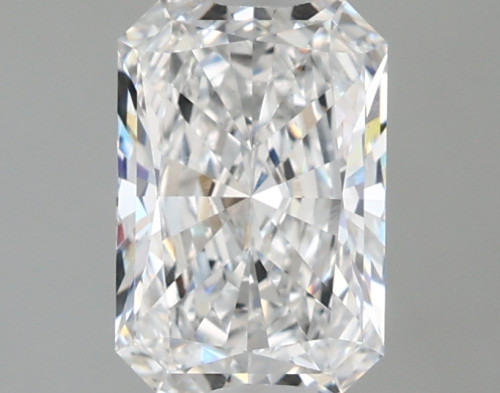
1.39 carat radiant diamond
$484 $691
FLAT 30% OFF

1.16 carat oval diamond
$486 $694
FLAT 30% OFF
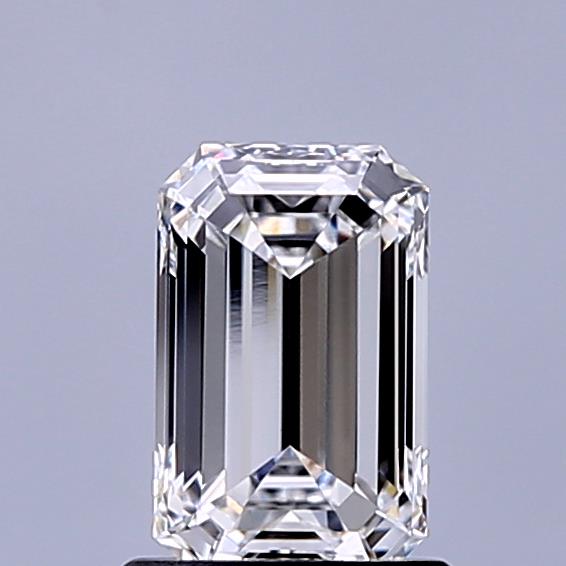
1.16 carat emerald diamond
$486 $694
FLAT 30% OFF
Buy Loose Diamonds
We at Friendly Diamonds start this process with lab-grown loose diamonds that are available in ten shapes and are certified by IGI and GIA.
Your complete guide to buying loose lab-grown diamonds
What exactly is a lab-grown diamond?
A lab-created diamond is a real diamond that is not a simulant like cubic zirconia. It shares the same chemical composition as a mined diamond. The same physical hardness of 10 on the Mohs scale with the same optical properties, meaning it reflects, refracts, and scatters light in the same exact way.
The difference lies in the origin of the stone and not the quality. Lab diamonds are created using one of the two scientifically advanced processes. The first is CVD, or "Chemical Vapor Deposition," this is where a diamond seed is placed in a chamber that is filled with a carbon-rich gas, which then breaks down, depositing carbon atoms one on top of another until it forms a diamond atom by atom. The second process, known as HPHT, standing for "High Pressure High Temperature," mimics the conditions of crystallization of carbon found deep under the surface of our planet.
Apart from being man-made, lab-grown diamonds boast another important trait that makes them so attractive to buyers. They don’t need extensive mining efforts to be produced, making them environmentally friendly and conflict-free.
Why buy a loose diamond instead of a pre-set piece?
Most people start their jewelry search with a finished piece; a stone is already set in a style that is already chosen by someone else. But buying a loose diamond is a different thing altogether; it gives you something that a pre-set piece simply cannot. You have the ability to gauge the stone on its own merits. There is no setting to obscure your view.
You can easily compare your loose diamond to other stones. Examine their grading certificate and assess how they handle light. After this step, you can think about which metal will accompany the stone in your jewelry piece. Everything will be built around the loose lab diamond that you choose.
Value-wise, the answer is clear. Loose lab grown diamonds are, on average, fifty to seventy percent less expensive than their natural counterparts, based on similar grading. This means the same price will buy either more carats or better cuts.
What actually determines a diamond’s quality?
Before you start shopping, you should understand the four criteria that determine how a diamond looks and what it costs. These are the 4 C’s — cut, clarity, carat, and color. Knowing how they interact will help you make a genuinely informed decision.
Cut: the most important C
‘Cut’ does not refer to the diamond’s shape, it describes how precisely the stone has been faceted, and it determines how well the diamond interacts with light. A well-cut stone redirects light back toward your eye, creating brightness, fire (those flashes of spectral color), and scintillation (the sparkle you see when the stone moves). An Ideal or Excellent cut grade is the one for those who want maximum light performance. All loose diamonds at Friendly Diamonds display their cut grade clearly; this way, you can filter by Ideal or Excellent from the start.
Color: more nuanced than buyers think
The color grade of diamonds ranges from D to Z. The diamonds that fall within the D to H category can be called colorless, but G and H are nearly colorless. For most people, G or H grades are the best choices. Just keep in mind one fact about diamonds: color grade behaves differently depending on the type of metal in which it is set. If your metal of choice is yellow gold or rose gold, the G and H diamonds will appear pure white due to the warmth of the metal.
Clarity: what is happening inside the stone
Clarity measures internal characteristics called inclusions and surface features called blemishes. They are graded from Flawless down to Included. For most buyers the practical goal is an eye-clean diamond. One where no inclusions are visible to the naked eye at a normal viewing distance. VS1 and VS2 are reliably eye-clean. SI1 can also be eye-clean, but this depends on where the inclusions sit and what type they are. This is why reviewing the actual stone, not just the grade, is very important. Every stone in our collection comes with an IGI or GIA grading report that maps exactly where inclusions are located.
Carat weight vs. face-up size: not the same thing
The carat is a unit of weight and does not refer to the apparent size of the diamond from above. Face up means how big the stone appears when set and viewed from the top, based on the carat weight, plus the shape and cut proportions. A 1-carat engagement ring with an oval cut usually has a significantly bigger face-up size than a round brilliant diamond of 1 carat since the former distributes its weight more towards the surface. Our listings include actual millimeter measurements alongside carat weight. This way, you can make this comparison directly.
Choosing a shape: What each one looks like?
Perhaps the shape is the most personal decision you will make in the entire process. This is why you need to take your time with it.
• Round brilliant
This is the most light-efficient shape ever designed. Its 57 or 58 facets are mathematically optimized for maximum brilliance. A round brilliant is the most popular choice globally and commands a slightly higher price over fancy shapes.Diamonds weighing from 1 carat to 3 carat round diamonds are the most sought-after choice for engagement rings and stud earrings.
• Oval
This is a modified brilliant-cut that stretches your finger visually and offers a larger face-up size. Its length-to-width ratio (typically 1.30 to 1.50) determines how elongated or rounded it appears. This quality makes it an oval cut diamond of the most versatile fancy shapes available.People lean more towards this shape, weighing from 1 carat to 3 carat oval diamonds, for ideal finger coverage for their engagement rings
• Cushion
It has a square or rectangular shape with rounded corners and a pillow-like appearance. Cushion cut diamonds vary in their facet pattern, producing either a bold, chunky sparkle or a more diffused glow. A length-to-width ratio between 1.00 and 1.05 gives a classic square cushion look.
• Emerald
This is a step-cut shape, characterized by its facets that run parallel to each other like a staircase. Step-cut stones, like emerald stones, give a hall-of-mirrors appearance, complete with intense bursts of light and dark. VS1 or above quality is advised when purchasing this shape of stone.You can explore carat options like 2-carat emerald-cut diamonds or 3-carat emerald-cut diamonds for your desired jewelry piece
• Princess
A princess-cut diamond is a square brilliant cut with sharp corners and a strong sparkle. It is the second most popular shape after round. A 1-carat princess cut diamond works really well in a four-prong solitaire setting.
• Pear
This is a hybrid between a round and a marquise. It has one pointed end and one rounded one. It is traditionally worn with the point toward the fingernail; it creates a lengthening effect on the finger. A length-to-width ratio between 1.45 and 1.75 is the generally preferred range.
• Radiant
This is a diamond with a rectangular or square cut. It has trimmed corners and a brilliant-style facet pattern that produces strong, lively sparkle. A radiant cut diamond handles color well, which makes G or H grades look particularly clean in this shape.
• Marquise
This cut has a drawn-out shape with pointed ends at both sides. Among all diamond shapes, the marquise diamond has one of the highest face-up surface areas relative to carat weight. This quality makes it appear larger than its weight suggests.
• Asscher
This shape is a square step-cut similar to the emerald but with a more octagonal outline and a deeper, more geometric facet arrangement. The Asscher has a distinctive Art Deco quality that suits vintage-inspired settings particularly well.
• Heart
This is a modified brilliant cut in a recognizable heart outline. Symmetry is critical here: the two lobes should be even and the cleft at the top clearly defined. A length-to-width ratio close to 1.00 gives the most balanced, proportionate appearance.
The practical benefits of buying a loose lab-grown diamond online
Many people are wary of buying a loose diamond online, and we understand that. But you should know that there are practical advantages of doing this.
Every stone is certified
Every diamond that is sold by Friendly Diamonds comes with a diamond grading report from the IGI or GIA. The certificate verifies the cut, clarity, color, carat weight, and other characteristics of the stone. It guarantees you of what you are getting.
The stone works across jewelry types
Loose diamonds are not just used for engagement rings. With our customization tools, you can combine your diamond with a ring, earring, or pendant setting according to your choice of precious metal. The same loose diamond may be crafted in any kind of jewelry that you like.
You can compare before you commit
You have the ability to filter a loose diamond by shape, carat weight, color grade, clarity grade, cut grade, certification body, and price. You can evaluate differences in specification and face-up appearance before making a decision.
Styling flexibility
This is probably one of the least recognized benefits of purchasing loose diamonds. There are no restrictions when it comes to the path that you wish to follow for the particular piece of diamond that you choose. The exact same 1.5 carat round lab diamond can be turned into either a pendant or a set of stud earrings based on the type of setting you choose.
The choice of metal also plays an important role. In the case of white gold or platinum, both metals are able to emphasize the colorless nature of the diamonds from D-F and make the overall jewelry piece look clean. On the other hand, yellow gold provides warmth and is perfectly suited for use along with diamonds in the category of G or H. Yellow gold is capable of absorbing any subtle tint, which helps the whole piece of jewelry come together.
The point is that a loose stone is a starting point and can lead you to endless possibilities. The right stone can make every setting option available to you.
Why choose Friendly Diamonds for your loose diamond?
There are many retailers where you can find loose lab diamonds. What makes Friendly Diamonds different is the kind of shopping experience we provide to our customers.
Certified diamonds, individually listed
Our collection includes more than ten shapes. The cut styles include round, oval, cushion, emerald, princess, pear, radiant, marquise, Asscher, heart, and Fiery Rounds. The stones are available in carats starting from 1 ct, in color grade options from D to H, and with clarity grades from Flawless to SI. Each individual gemstone is certified either by IGI or GIA and offered with a 360-degree video. Thus, you are actually viewing live inventory and not sample pictures.
Transparent pricing
We have transparent pricing without any hidden fees. Shipping is FREE always. Our 30-day return policy ensures that you have absolutely nothing to lose. In addition, our warranty and lifetime exchange program will protect your purchase.
Tools that help you decide
Our diamond search tool allows you to narrow down your search by all the factors that really matter. You can use our comparison tools to compare up to four diamonds simultaneously. And in case you want to speak with an expert before making a purchase decision, we have online appointment services that can connect you to one.
A complete journey
Once you’ve decided on a gem, you can go ahead and choose the type of jewelry to go with it (ring, earring, or pendant), as well as a metal of your choice. Customization options are also available for customers who wish to work with us on their own ideas.
Loose Diamonds FAQs
How are lab grown diamonds created?
Are mined diamonds “blood diamonds”?
Are lab grown diamonds as strong as natural diamonds?
How are lab grown diamonds graded?