Unlock FREE lab diamond jewelry on purchases over $1,000.



How To Verify Your GIA Or IGI Certificate Is Real
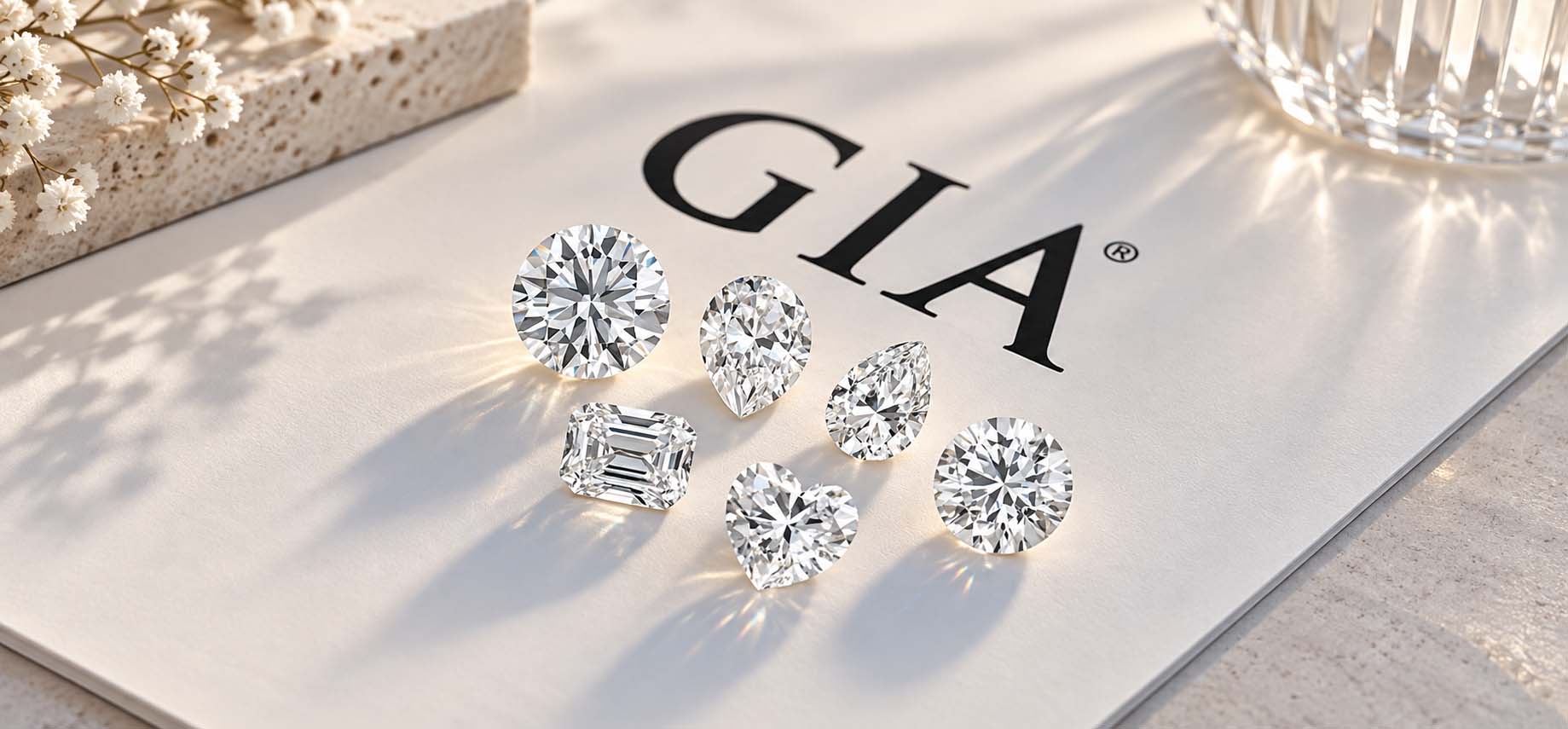
The purchase of a certified diamond is reassuring enough, but only if the certificate corresponds to the diamond in question.
Indeed, most people believe that, having received a GIA or IGI certificate, they have done their job. This may not be true. Fake certificates aside, the problem is much more serious than many consumers realize: the problem of using a genuine certificate for a diamond other than the one the consumer is purchasing.
Fortunately, there is no need to be an expert on diamonds in order to check whether a diamond in question corresponds to its certificate. You just need some time to browse the site of diamond grading and to examine the diamond itself a bit more closely.
Here is how it can be done, and this will allow you to buy diamonds from GIA and IGI with greater confidence.
Table of Content
- Why a Grading Certificate is Important for Your Diamond
- Verifying Your Certificate
- Common Mistakes and Red Flags
- IGI vs. GIA Certifications: What Should You Check?
- A Five-Minute Check Can Save You Thousands
Why a Grading Certificate is Important for Your Diamond
The grading certificate acts as an unbiased assessment of the diamond’s qualities. Besides the description that a jeweler gives about the stone, the diamond is then evaluated by an independent laboratory and is graded on international standards.
In case of GIA and IGI-certified loose diamonds or any other jewelry, the certificate mentions
-
Weight
-
Shape and dimensions
-
Colour rating
-
Clarity rating
-
Cut rating (in case of GIA)
-
Polish and symmetry
-
Fluorescence
-
Certificate number
Moreover, for GIA lab diamonds and most IGI diamonds, the report determines whether the stone is grown using the CVD or HPHT process.
However, please note that the certificate does not ensure the genuineness of your diamond. This needs verification next.
Verifying Your Certificate
Step 1: Checking the Certificate Online
Checking the authenticity of the certificate through the easiest method involves using the official grading report lookup feature provided by the grading laboratory. It simply entails entering the report number as it appears on the certificate. In some instances, additional information, such as the carat weight of the diamond, may be required to display the grading report.
Once you have received the report, do not simply put it away. Compare all the information that is available online with the information on the certificate.
You have to pay special attention to:
• Report Number
• Shape
• Carat Weight
• Measurements
• Colour Grade
• Clarity Grade
• Cut Grade
• Date of Issue
Even one discrepancy here should prompt you to question the authenticity of the certificate. An honest seller will have no trouble answering your questions about a diamond’s certificates. You can find the certificate for your IGI and GIA-certified diamonds on the official GIA and IGI websites for verification.
Step 2: Ensure That the Certificate Belongs to Your Diamond
It is during this stage that many people, not realizing it, miss out on the most crucial part of the process. Just because the certificate is 100 percent genuine does not mean that it belongs to your diamond.
Almost all diamonds with certificates have tiny laser inscriptions on their girdles, which are the thin lines around the diamond's surface.
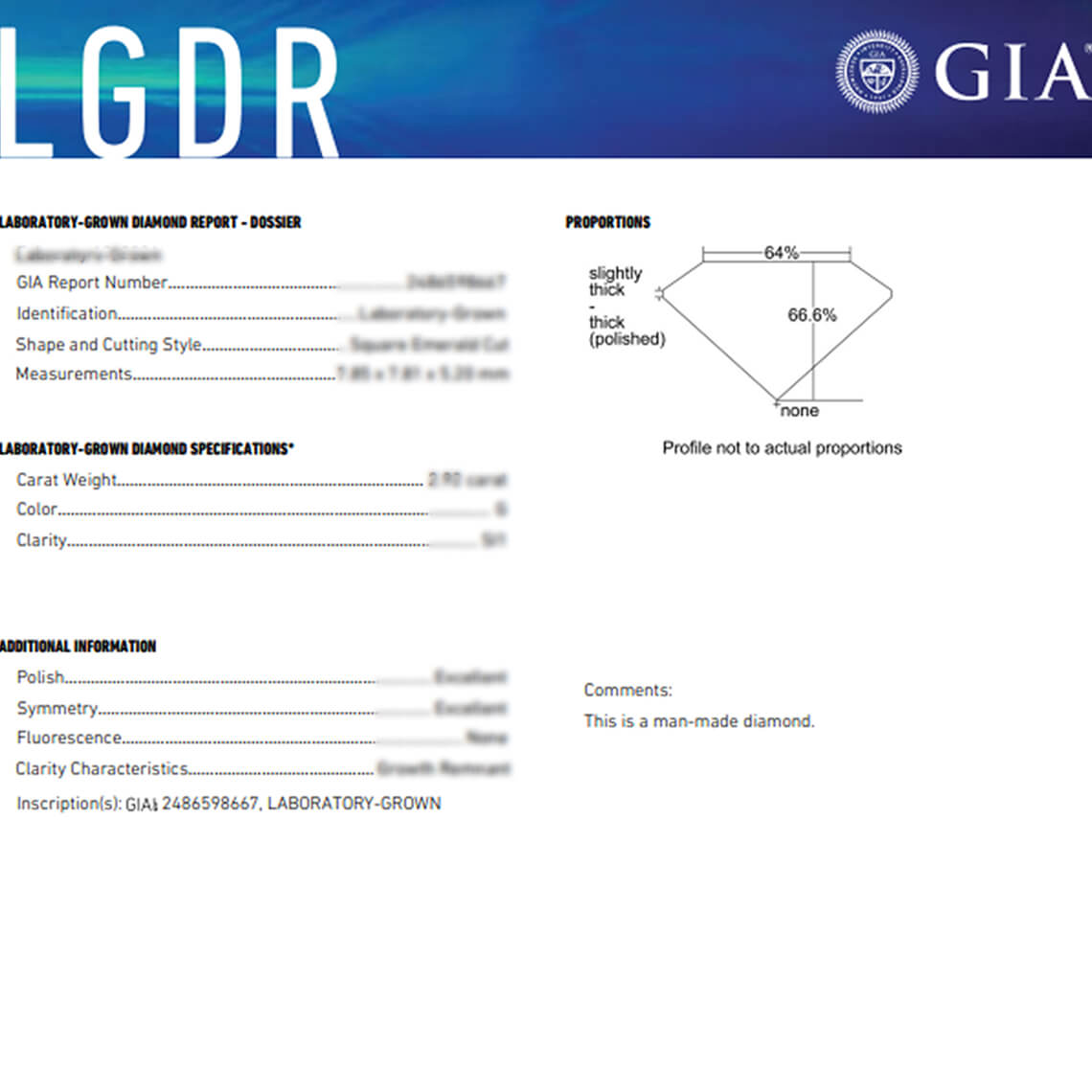
Have the jeweler point out the inscription to you using a magnifying tool. Match the number in the inscription with the one mentioned on the certification. Then, match the diamond with the grading report.
Ensure that:
-
The shape is the same.
-
The carat is the same.
-
The dimensions are the same.
-
The proportions are right.
-
Identifying marks listed on the report match those on the diamond
With just these few checks, you reduce the chances of ending up with the wrong diamond. To understand the basics of a diamond, you can refer to a diamond guide before making your purchase. It will help you read the report and reduce the chances of getting scammed.
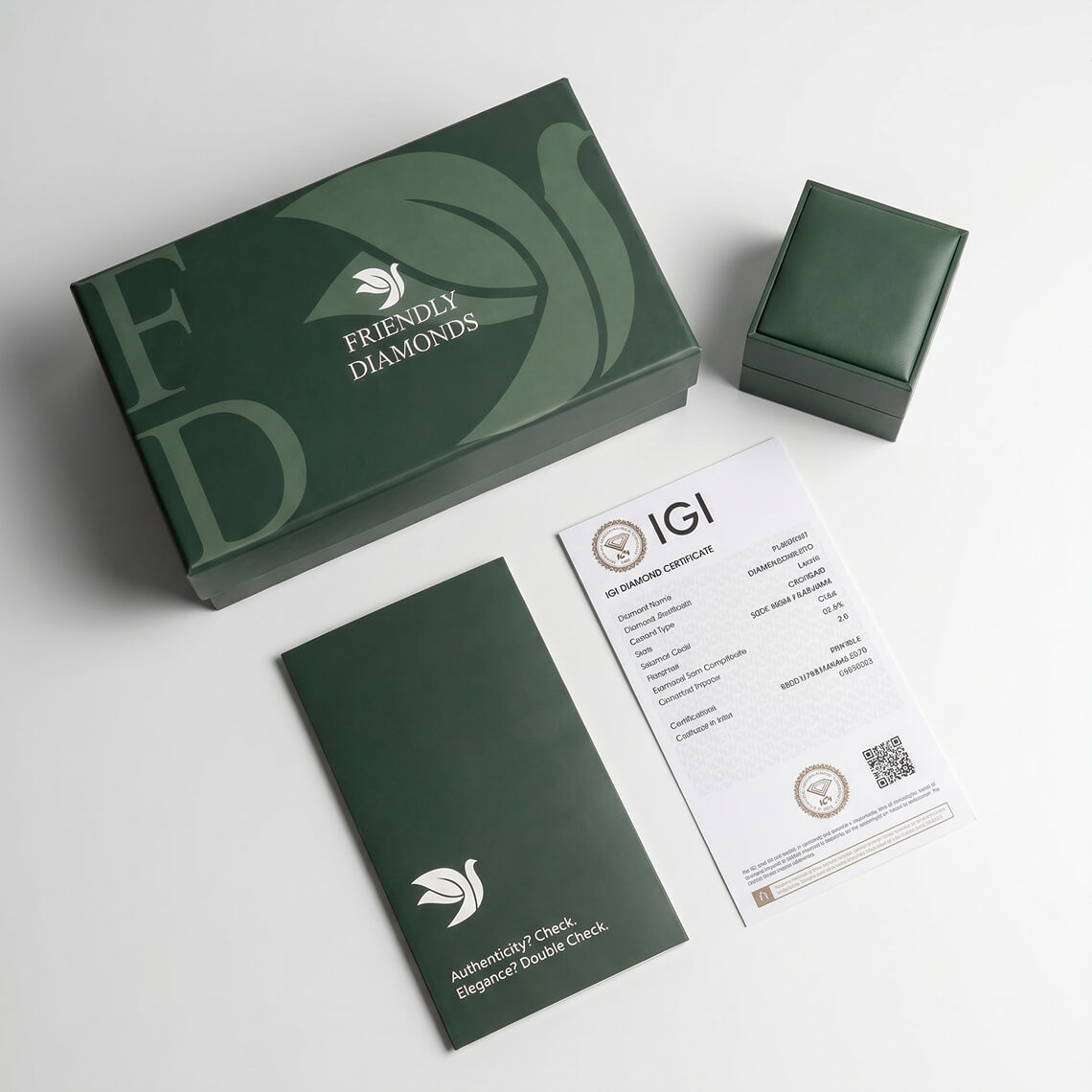
*This image is for representation purposes only.
Common Mistakes and Red Flags
The errors do not usually result from fraudulent documents; they happen when the buyer assumes that every document belongs to the diamond being offered.
Look out for these red flags:
-
Only a screen capture of the document is provided by the seller rather than the whole document.
-
The report number is not available on the website of the laboratory.
-
The laser inscriptions do not match those of the certificate.
-
The diamond dimensions do not match those of the report.
-
The document refers to a man-made diamond, while the seller describes it as a natural diamond.
-
The certificate looks like it has been tampered with, or there is an inconsistency with the font style.
-
The seller declines to provide the chance to inspect the diamond with a magnifying glass.
-
The price is significantly lower compared to other certified diamonds without justifiable reasons.

IGI vs. GIA Certifications: What Should You Check?
When choosing between IGI and GIA certification, buyers tend to worry about which laboratory is "better." The question to ask is whether the report includes all the necessary data for your verification of the diamond.
Both laboratories issue comprehensive grading reports with details on all essential features of the diamond. GIA is reputed for precision and extremely consistent grading. It is considered the gold standard when it comes to diamond grading. IGI is a highly respected, widely recognized, and preferred institute for lab-grown diamonds. However, GIA-certified diamonds typically cost more due to GIA’s global prestige.
No matter whether it is an IGI-certified diamond or a GIA-certified diamond, the verification procedure should be the same: check the report on the website, compare the report with the diamond, and check the laser inscription.
The grading report will be one of the most important papers that you will receive while purchasing a diamond, but only if you know what to do with it.
-
Only a screen capture of the document is provided by the seller rather than the whole document.
-
The report number is not available on the website of the laboratory.
-
The laser inscriptions do not match those of the certificate.
-
The diamond dimensions do not match those of the report.
-
The document refers to a man-made diamond, while the seller describes it as a natural diamond.
-
The certificate looks like it has been tampered with, or there is an inconsistency with the font style.
-
The seller declines to provide the chance to inspect the diamond with a magnifying glass.
-
The price is significantly lower compared to other certified diamonds without justifiable reasons.
A Five-Minute Check Can Save You Thousands
Spend just a few moments checking the report number, comparing the grades, and making sure of the laser inscription. In this way, you can feel much more comfortable in knowing that the diamond you are purchasing is actually the one listed in the certificate.
Whether you are looking for IGI-certified loose diamonds, GIA-certified loose diamonds, or an engagement ring, you can easily avoid errors by doing these basic things.
FAQs
Is it possible for a GIA or IGI certificate to be authentic while belonging to another diamond?
How can I check whether my diamond has a laser inscription?
Does every lab-grown diamond certificate list HPHT or CVD?
Which Is Better, GIA or IGI?
What if there isn’t a grading report on a diamond?