
Unlock FREE lab diamond jewelry on purchases over $1,000.


- Home
- Loose Diamonds
- Radiant Cut Diamond
Radiant Cut Diamonds
(32,241)
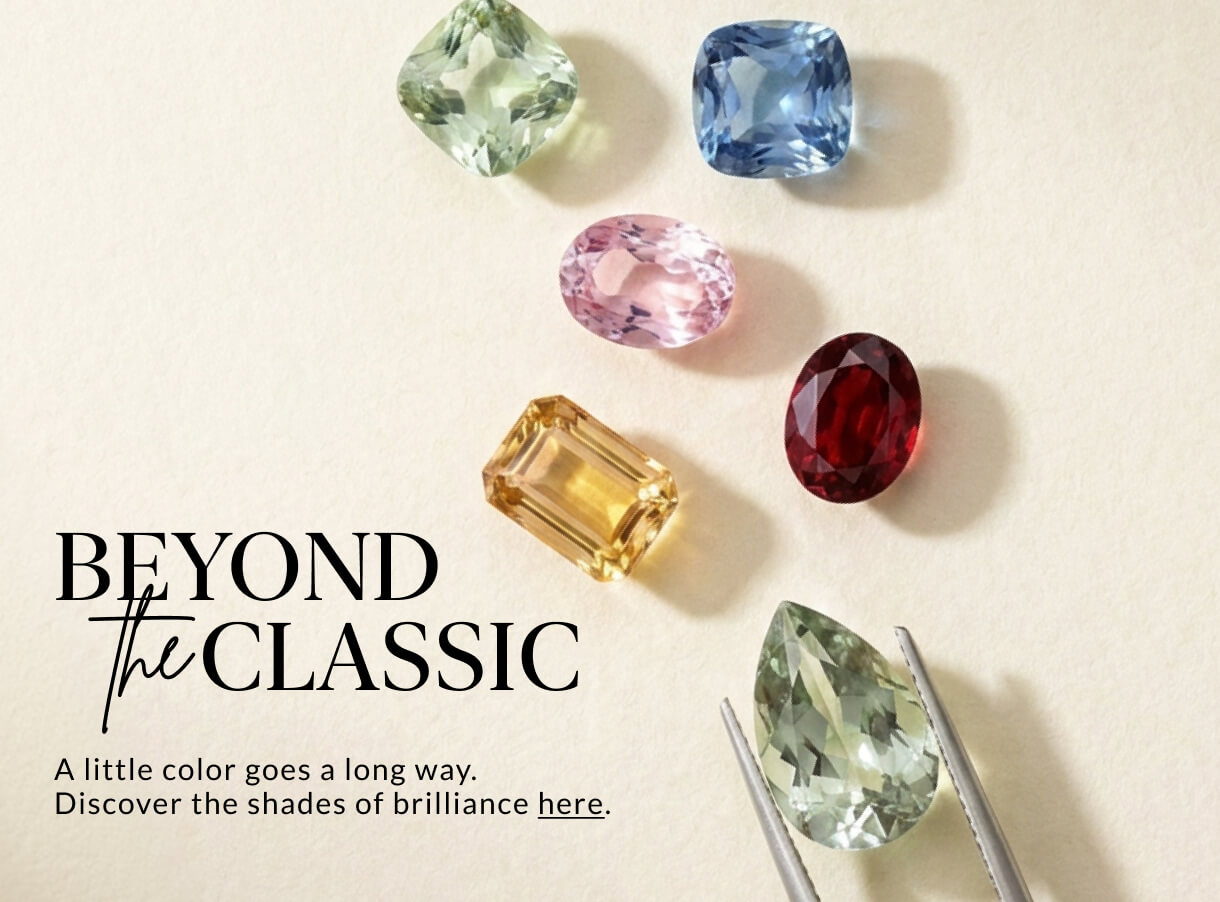
Radiant cut lab diamonds have a stunning sparkle and are considered one of the most modern diamond cuts. These cuts can be summarized as a combination of three diamond shapes. They embrace a round cuts' brilliance, trimmed corners like the asscher cuts, and the candor of emerald cuts. A radiant lab diamond is usually shaped as a square or may also have an elongated structure which helps them to stand out from other diamond cuts and pair beautifully with engagement rings.
;%20}%20}%20%3c/style%3e%3cpath%20class='spinner_6kVp'%20d='M88%2075C88%2072.4288%2087.2376%2069.9154%2085.8091%2067.7776C84.3806%2065.6397%2082.3503%2063.9735%2079.9749%2062.9896C77.5994%2062.0056%2074.9856%2061.7482%2072.4638%2062.2498C69.9421%2062.7514%2067.6257%2063.9895%2065.8076%2065.8076C63.9895%2067.6257%2062.7514%2069.9421%2062.2498%2072.4638C61.7482%2074.9856%2062.0056%2077.5994%2062.9896%2079.9749C63.9735%2082.3503%2065.6397%2084.3806%2067.7776%2085.8091C69.9154%2087.2376%2072.4288%2088%2075%2088'%20stroke='%23668B84'%20stroke-width='3'/%3e%3c/svg%3e)
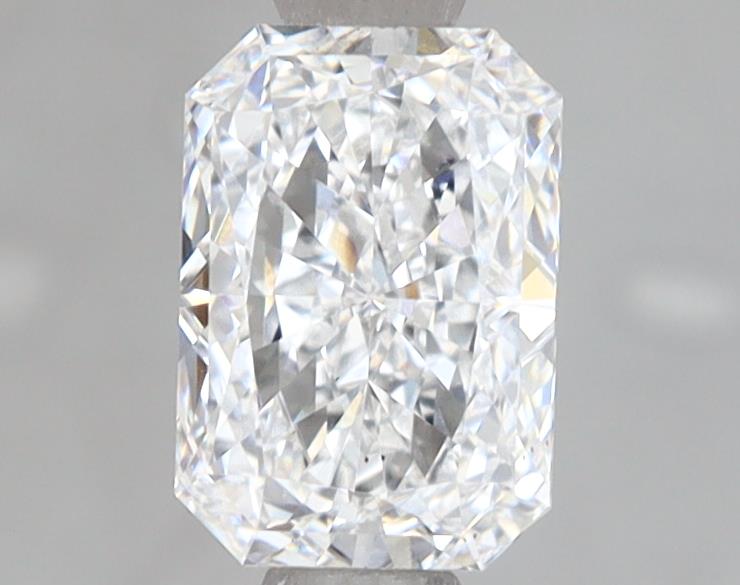
1.13 carat radiant diamond
$446 $637
FLAT 30% OFF
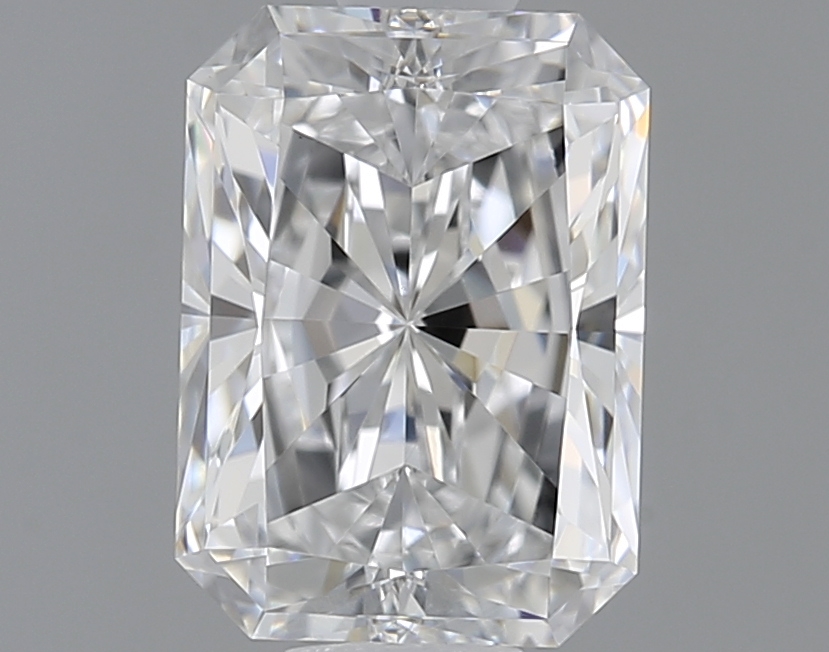
1.13 carat radiant diamond
$458 $654
FLAT 30% OFF
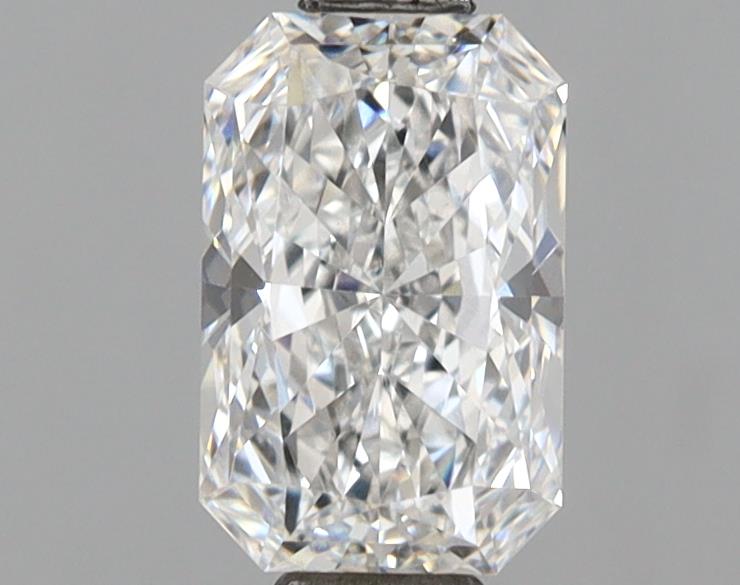
1.14 carat radiant diamond
$467 $667
FLAT 30% OFF

1.19 carat radiant diamond
$476 $680
FLAT 30% OFF
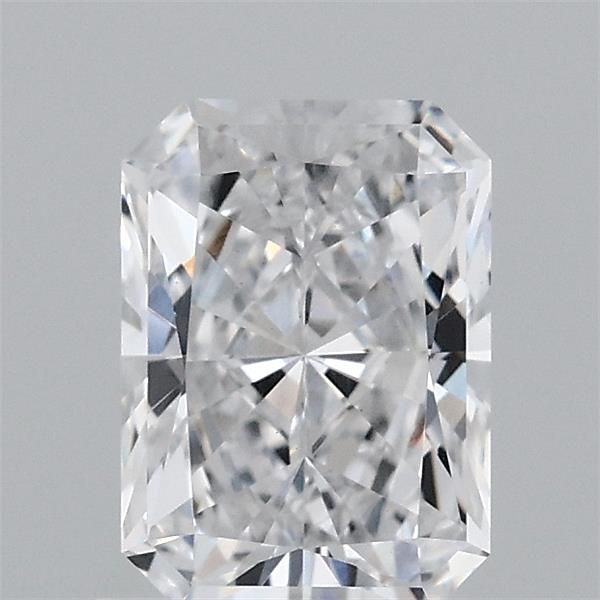
1.18 carat radiant diamond
$478 $683
FLAT 30% OFF

1.23 carat radiant diamond
$480 $686
FLAT 30% OFF
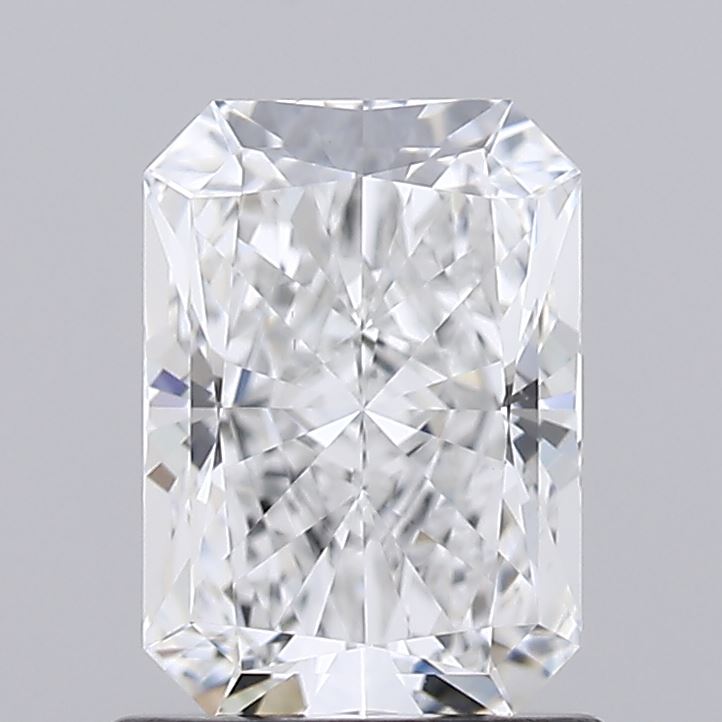
1.2 carat radiant diamond
$480 $686
FLAT 30% OFF
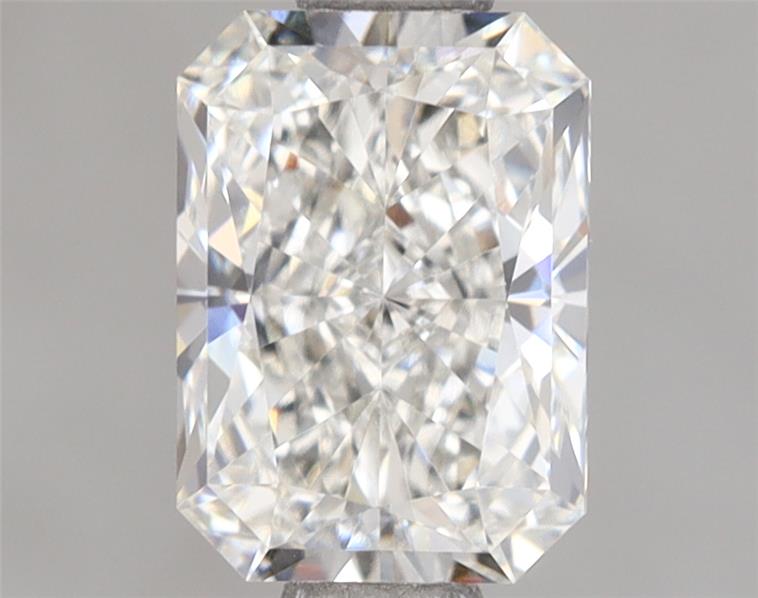
1.19 carat radiant diamond
$482 $689
FLAT 30% OFF
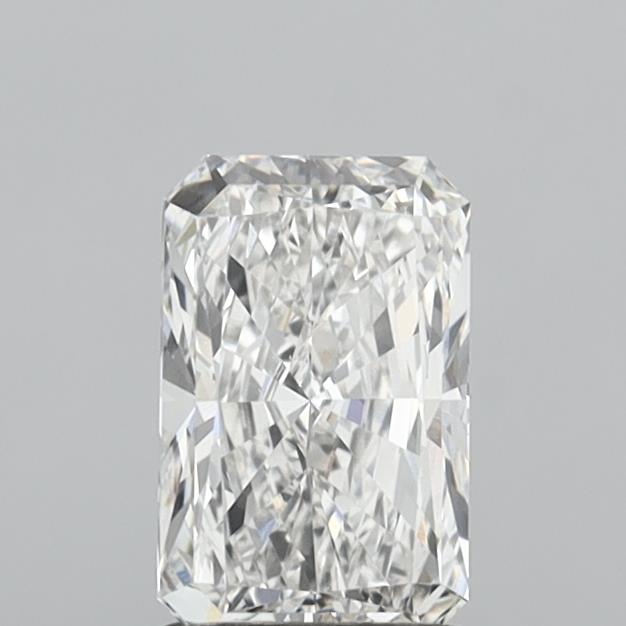
1.33 carat radiant diamond
$488 $697
FLAT 30% OFF
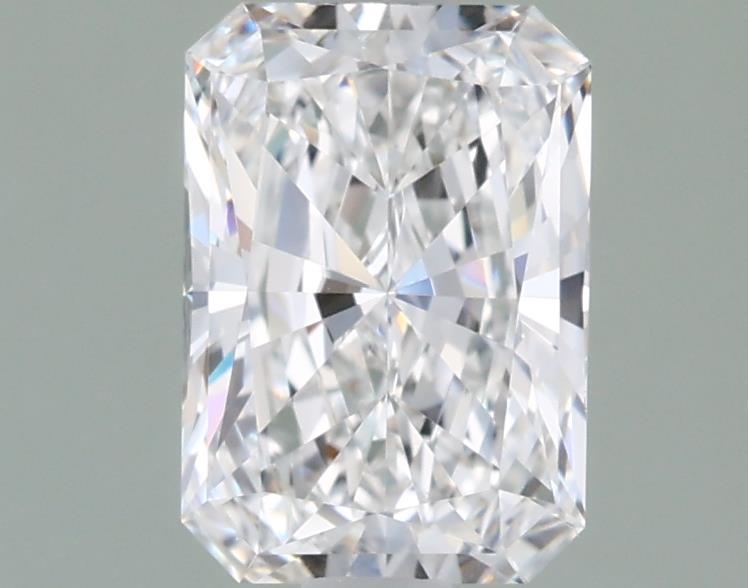
1.17 carat radiant diamond
$501 $716
FLAT 30% OFF
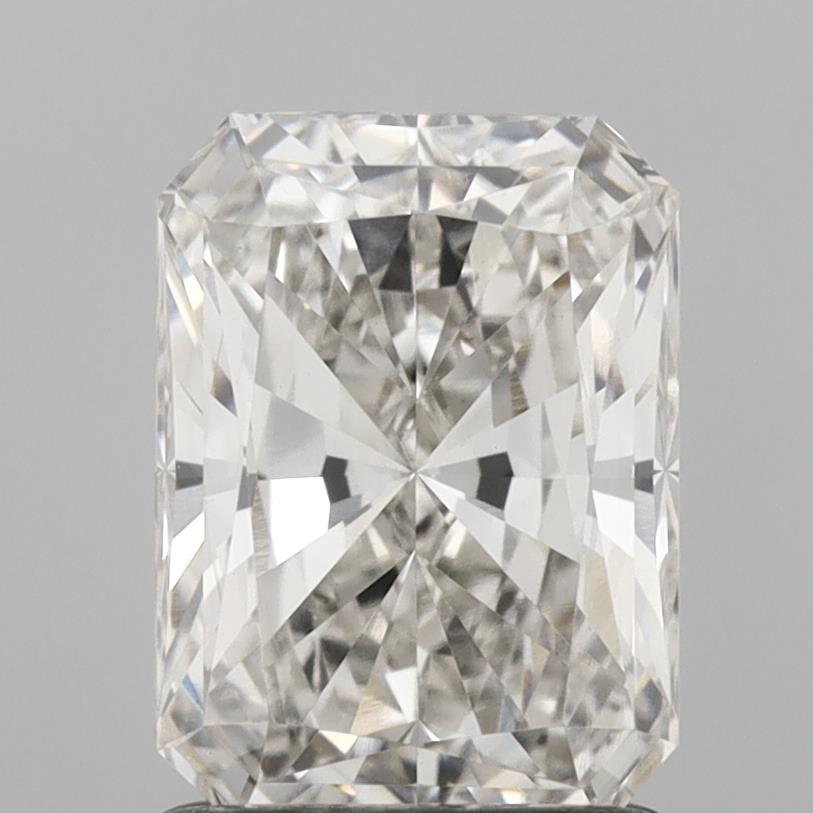
1.32 carat radiant diamond
$503 $719
FLAT 30% OFF
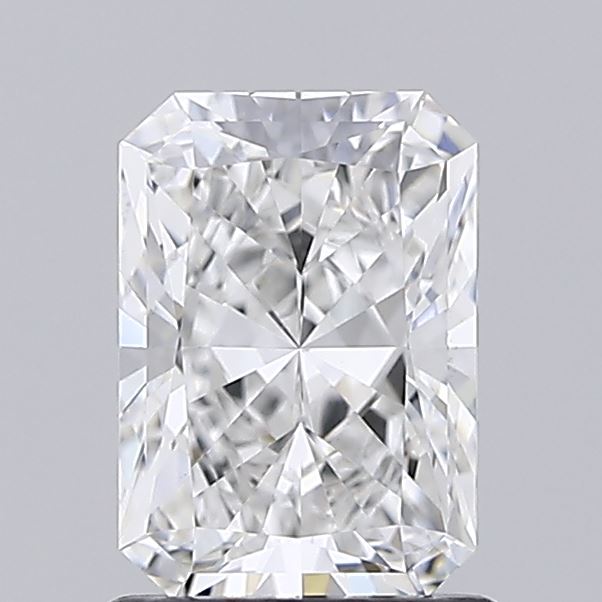
1.32 carat radiant diamond
$503 $719
FLAT 30% OFF
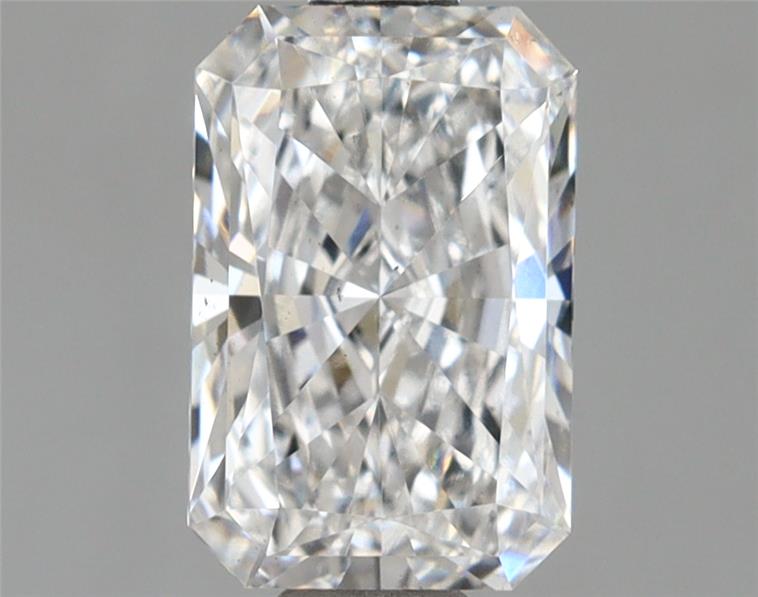
1.35 carat radiant diamond
$508 $726
FLAT 30% OFF
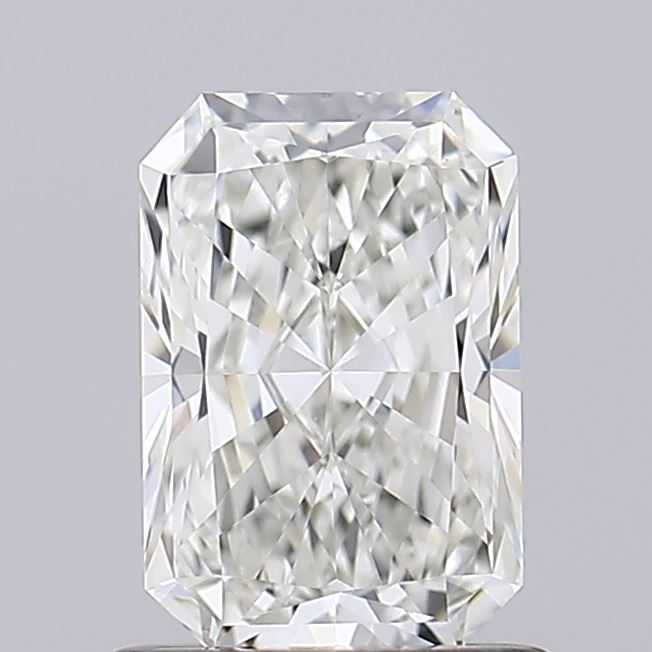
1.08 carat radiant diamond
$509 $727
FLAT 30% OFF
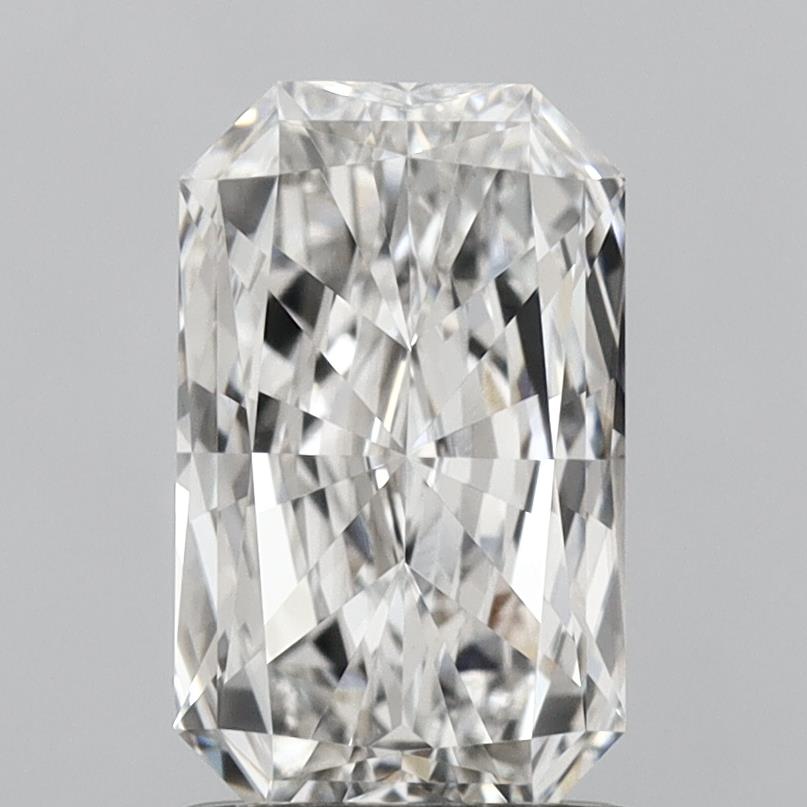
1.39 carat radiant diamond
$516 $737
FLAT 30% OFF
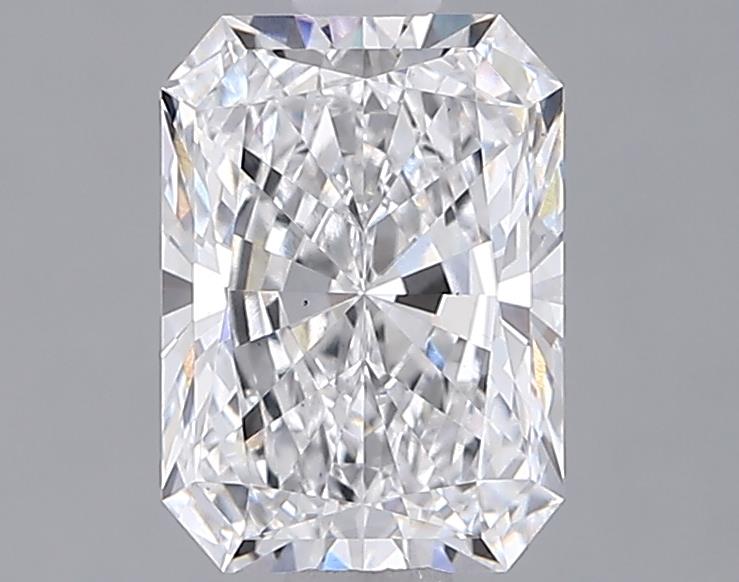
1.53 carat radiant diamond
$532 $760
FLAT 30% OFF
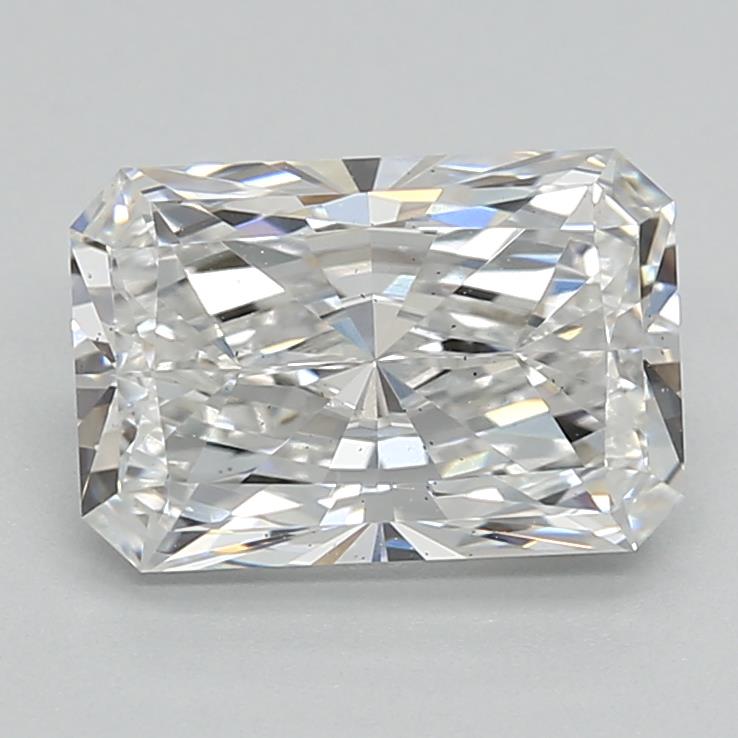
1.47 carat radiant diamond
$532 $760
FLAT 30% OFF
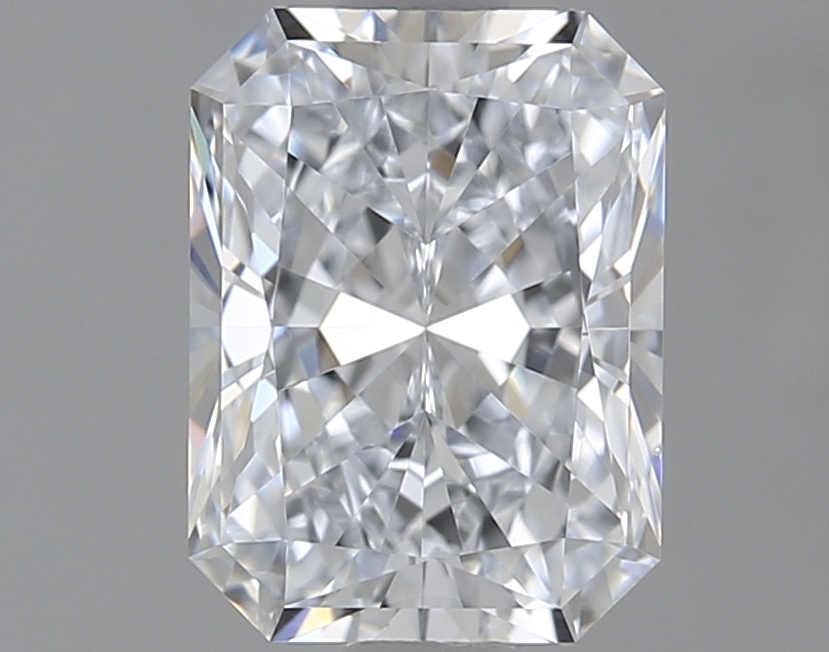
1.12 carat radiant diamond
$533 $761
FLAT 30% OFF
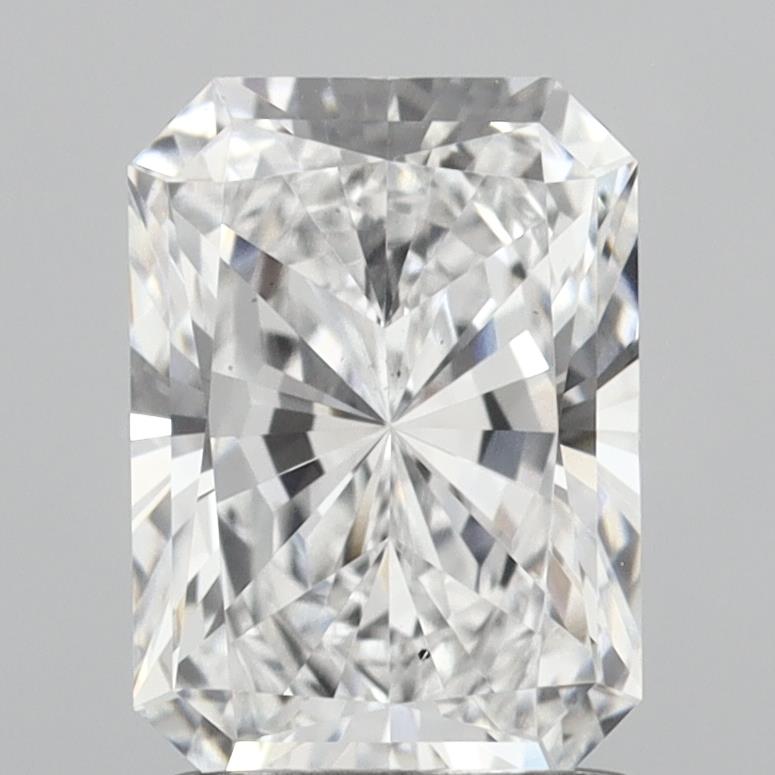
1.55 carat radiant diamond
$546 $780
FLAT 30% OFF
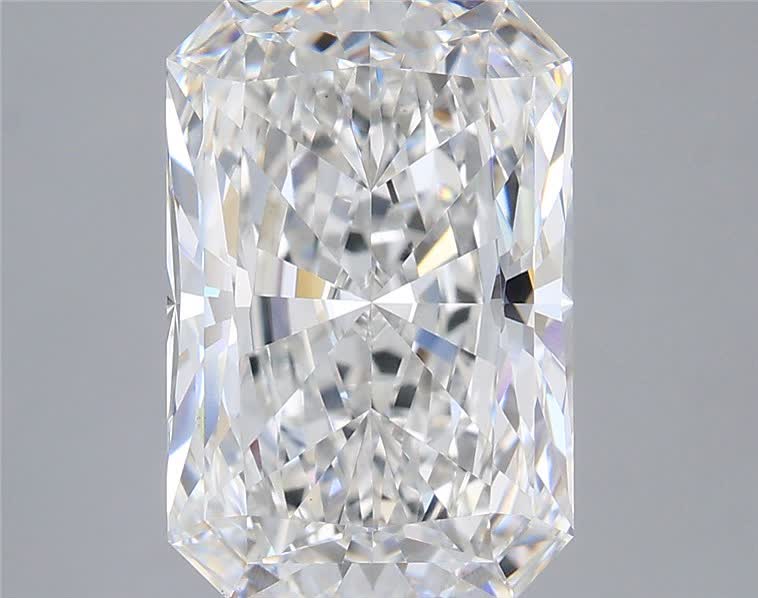
1.44 carat radiant diamond
$562 $803
FLAT 30% OFF
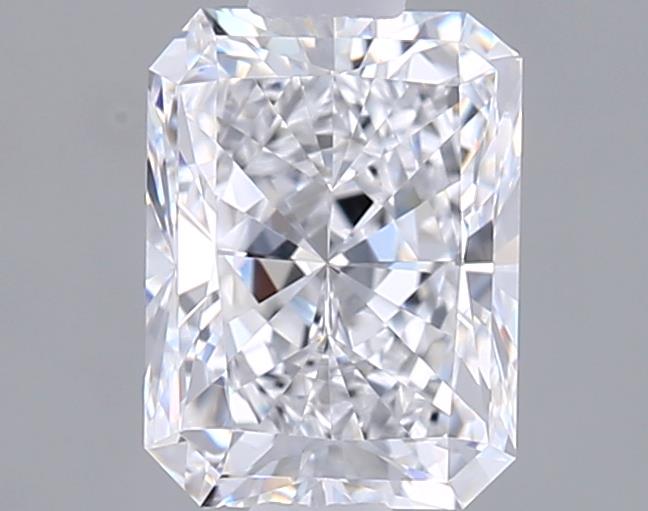
1.18 carat radiant diamond
$568 $811
FLAT 30% OFF
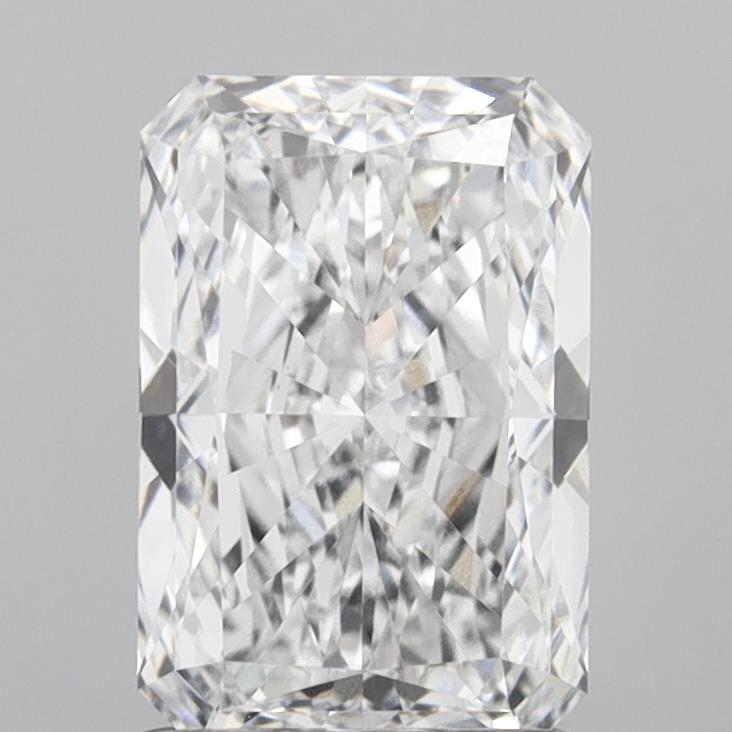
1.61 carat radiant diamond
$583 $833
FLAT 30% OFF
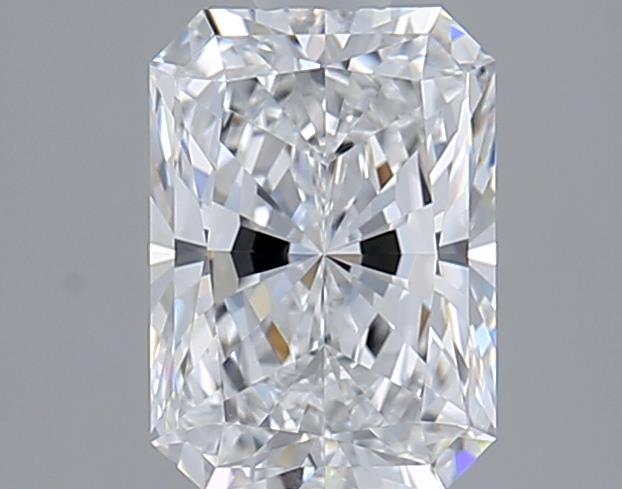
1.41 carat radiant diamond
$591 $844
FLAT 30% OFF
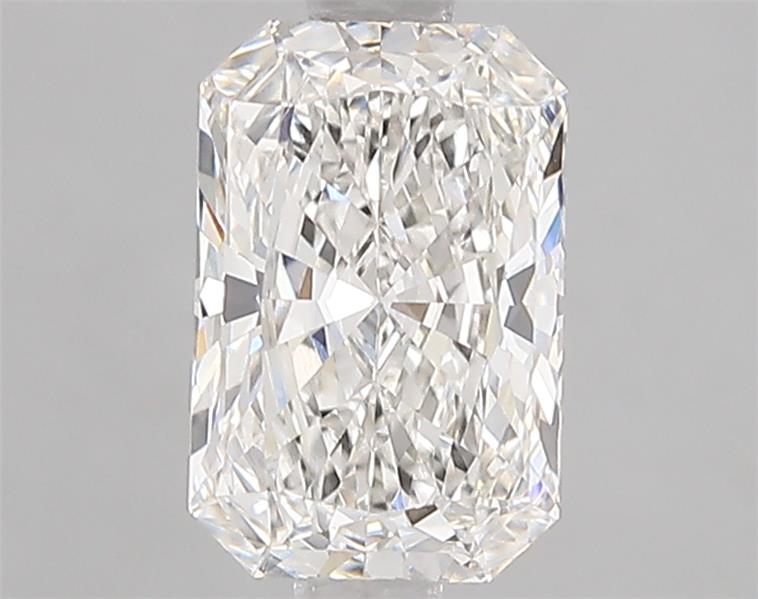
1.57 carat radiant diamond
$591 $844
FLAT 30% OFF
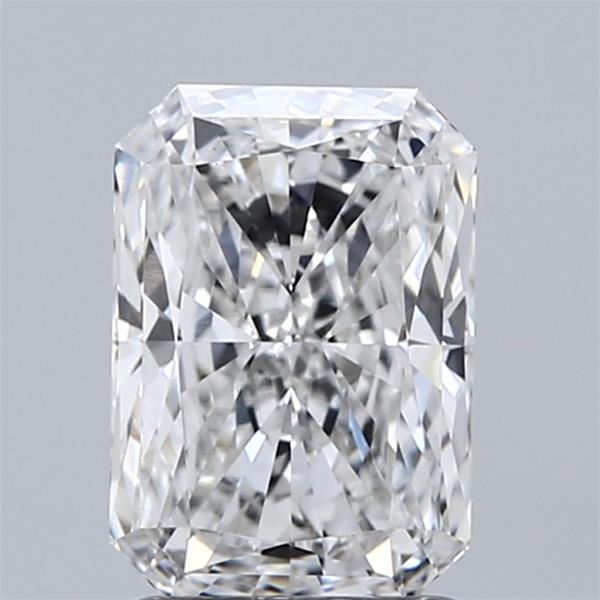
1.73 carat radiant diamond
$593 $847
FLAT 30% OFF
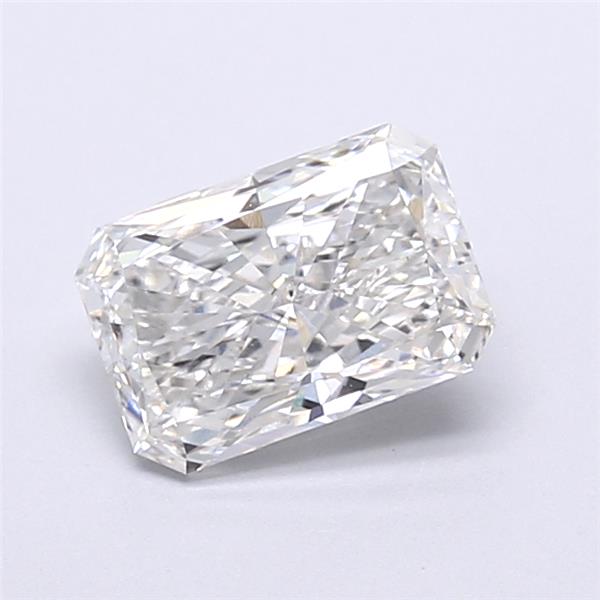
1.69 carat radiant diamond
$596 $851
FLAT 30% OFF
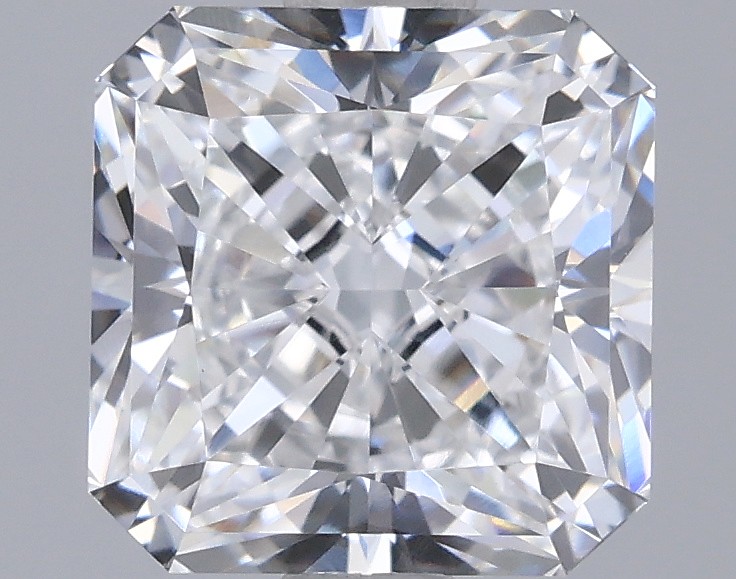
1.63 carat radiant diamond
$598 $854
FLAT 30% OFF
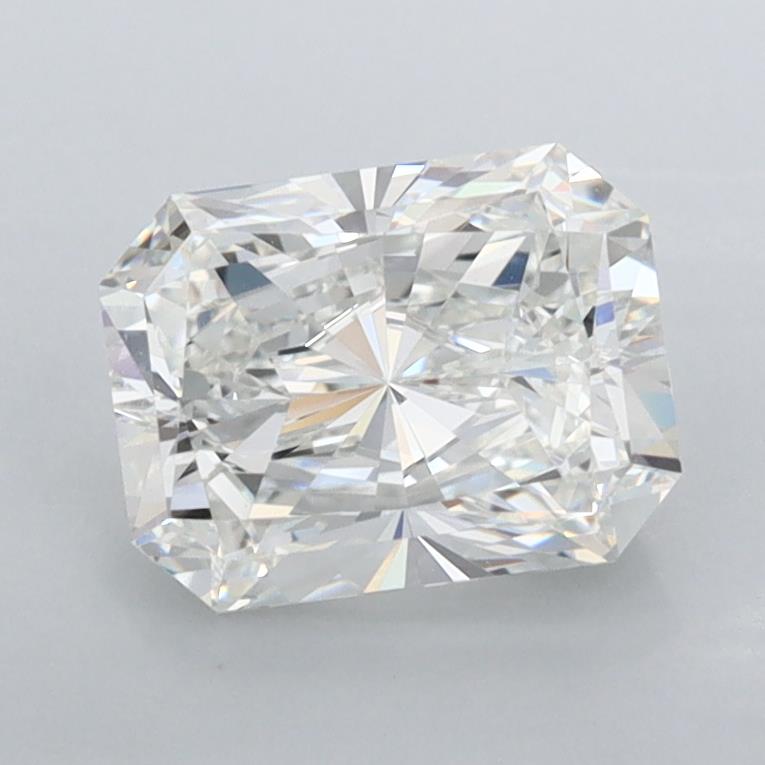
1.48 carat radiant diamond
$599 $856
FLAT 30% OFF

1.51 carat radiant diamond
$611 $873
FLAT 30% OFF
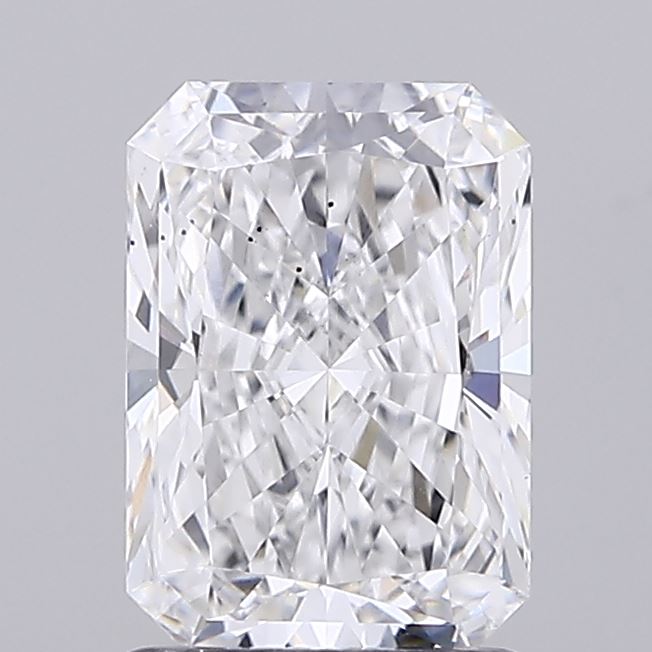
1.63 carat radiant diamond
$613 $876
FLAT 30% OFF
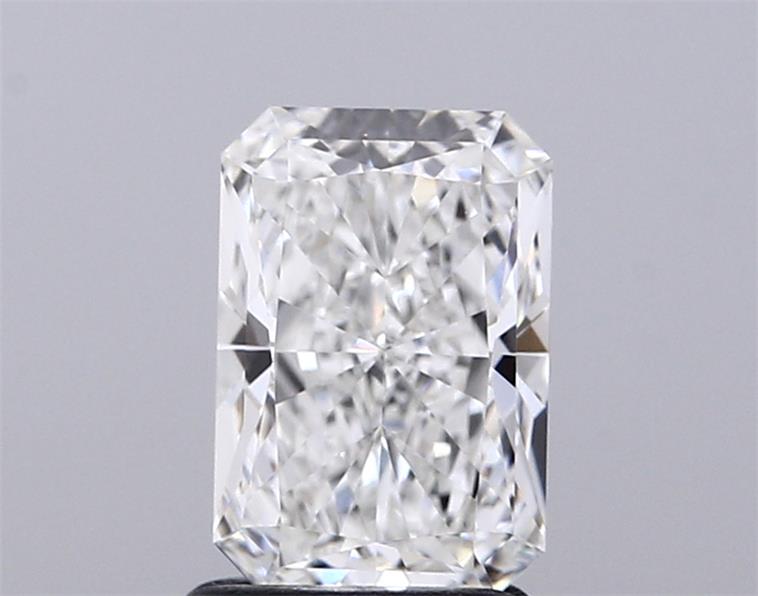
1.53 carat radiant diamond
$634 $906
FLAT 30% OFF
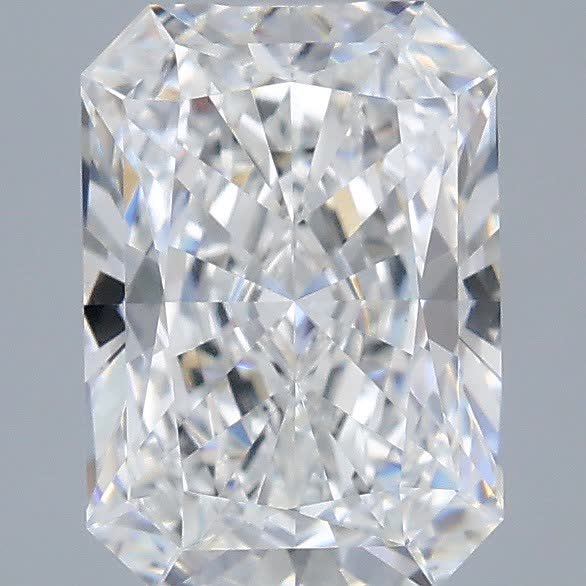
1.89 carat radiant diamond
$648 $926
FLAT 30% OFF
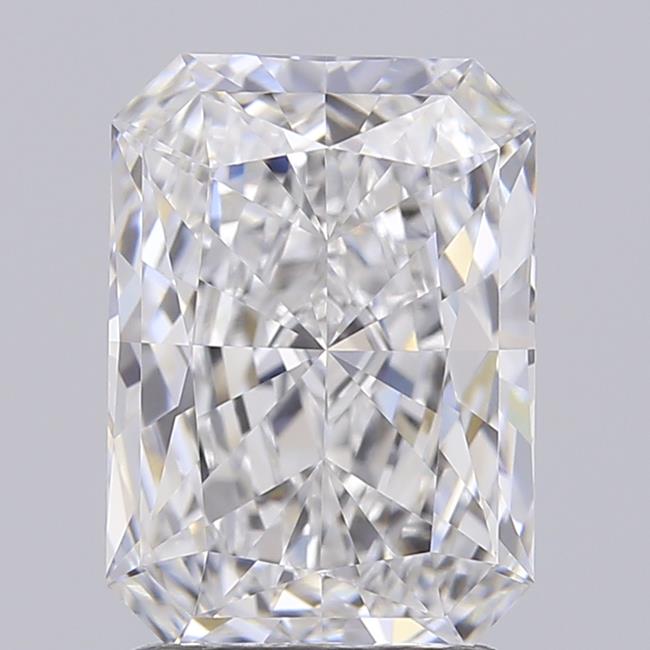
1.84 carat radiant diamond
$677 $967
FLAT 30% OFF
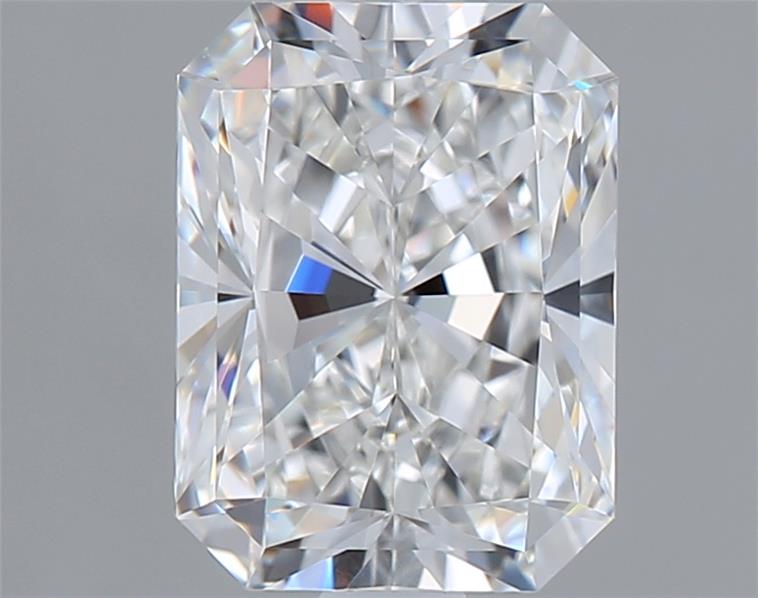
1.5 carat radiant diamond
$686 $980
FLAT 30% OFF
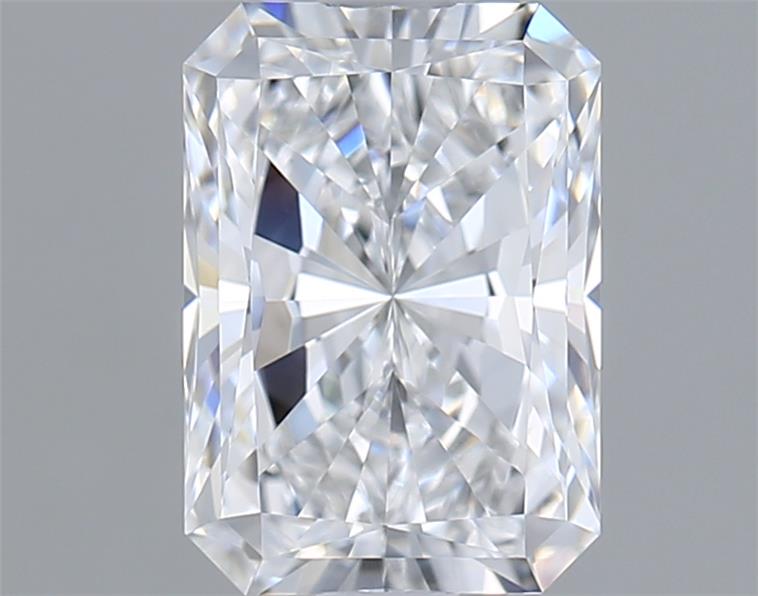
1.47 carat radiant diamond
$688 $983
FLAT 30% OFF
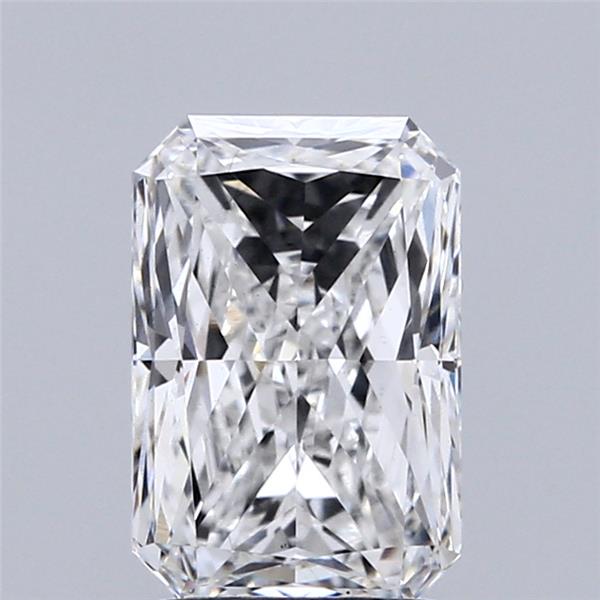
1.84 carat radiant diamond
$694 $991
FLAT 30% OFF
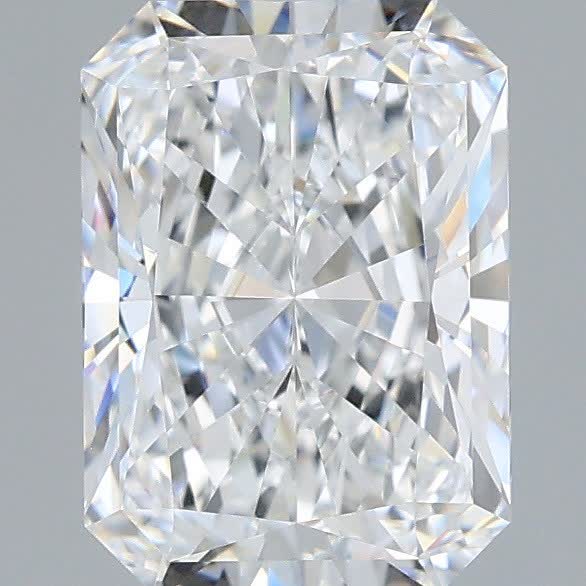
1.93 carat radiant diamond
$702 $1,003
FLAT 30% OFF
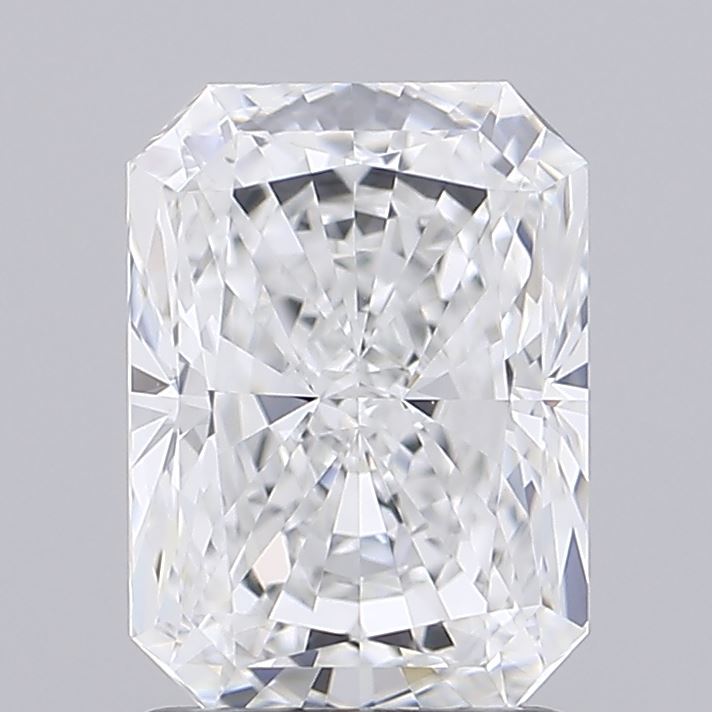
1.46 carat radiant diamond
$703 $1,004
FLAT 30% OFF
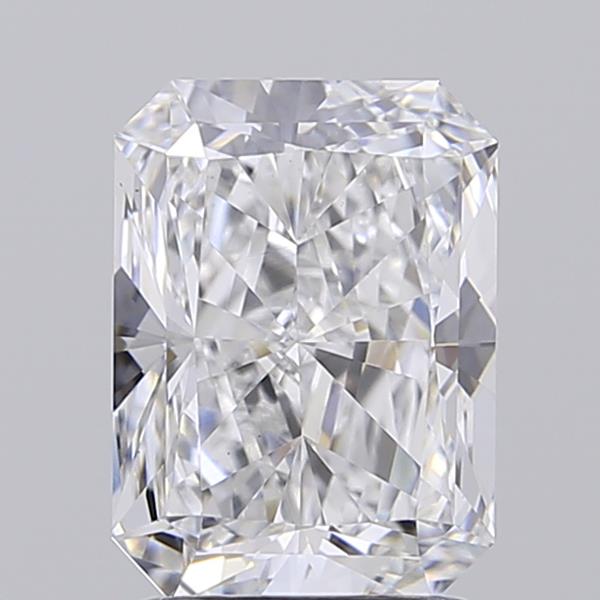
1.94 carat radiant diamond
$705 $1,007
FLAT 30% OFF
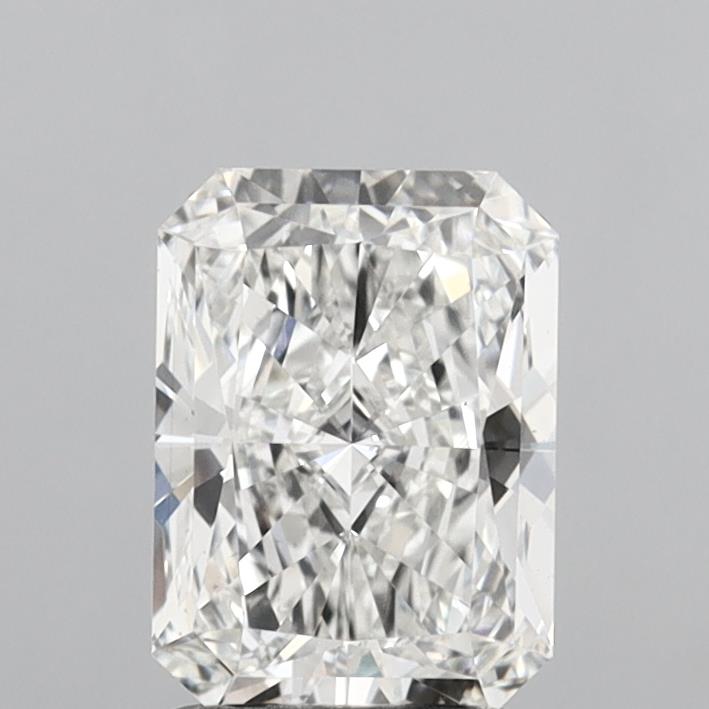
1.92 carat radiant diamond
$716 $1,023
FLAT 30% OFF
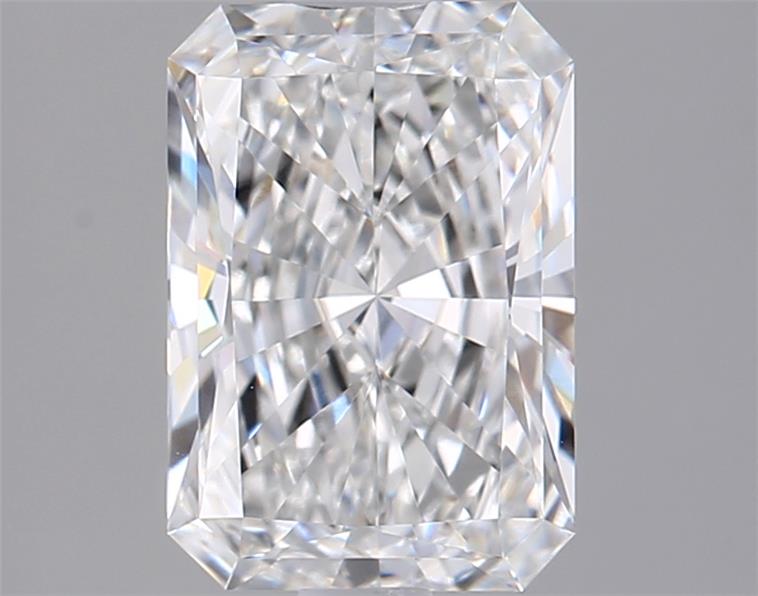
1.51 carat radiant diamond
$728 $1,040
FLAT 30% OFF
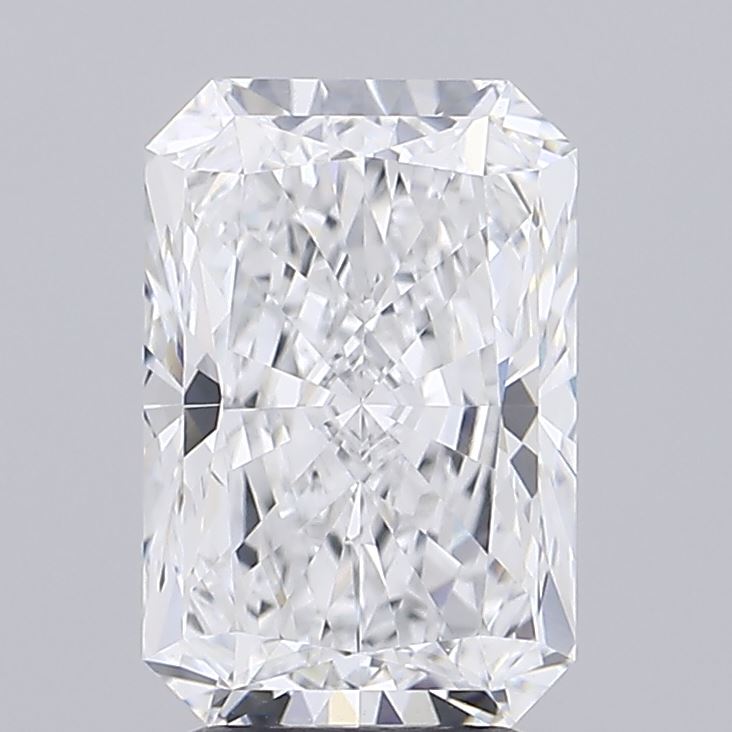
1.91 carat radiant diamond
$729 $1,041
FLAT 30% OFF
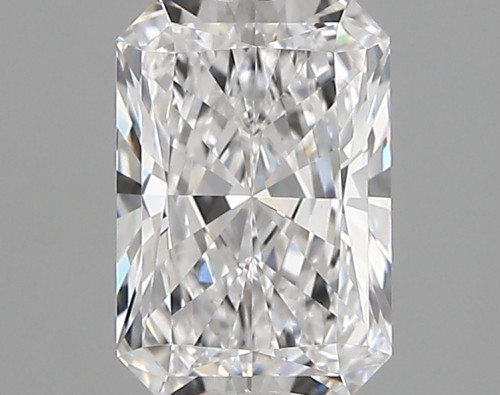
1.69 carat radiant diamond
$735 $1,050
FLAT 30% OFF
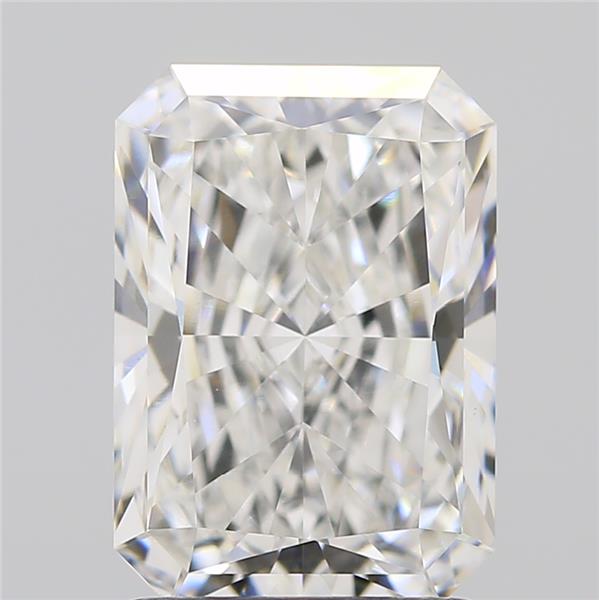
1.89 carat radiant diamond
$747 $1,067
FLAT 30% OFF
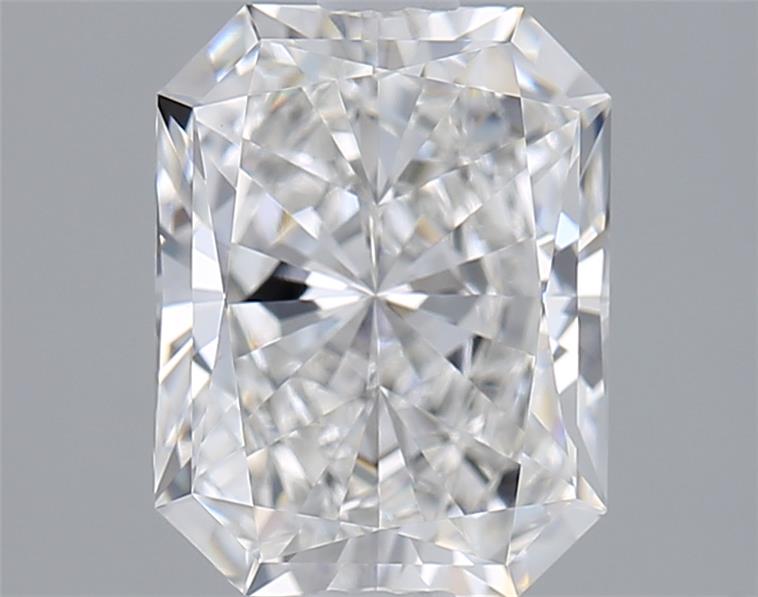
1.79 carat radiant diamond
$773 $1,104
FLAT 30% OFF
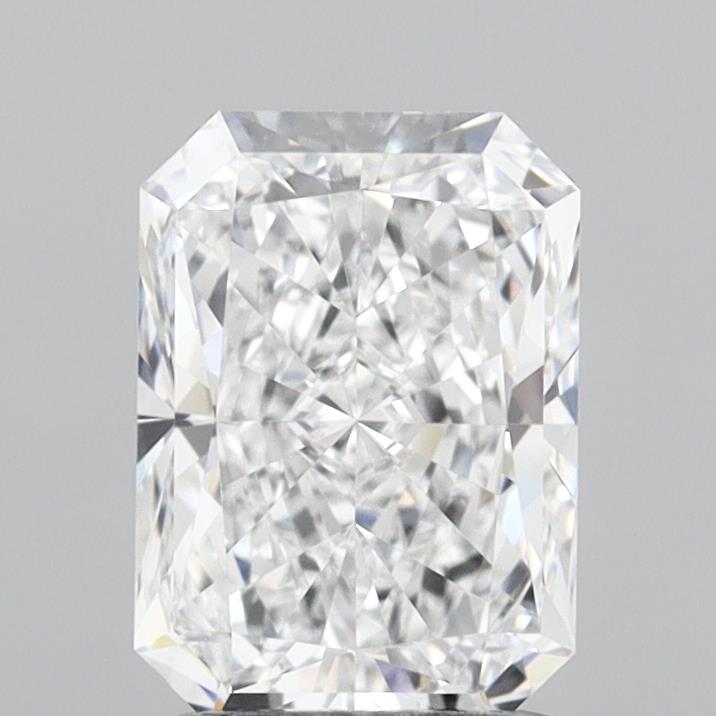
1.59 carat radiant diamond
$853 $1,219
FLAT 30% OFF
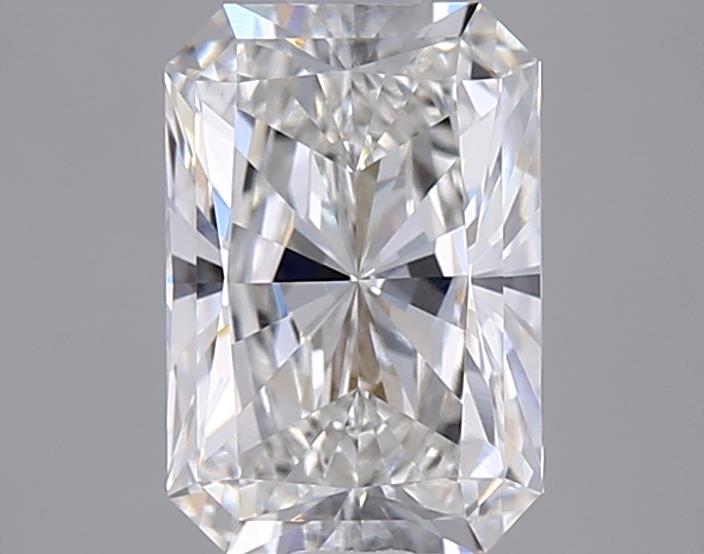
1.72 carat radiant diamond
$860 $1,229
FLAT 30% OFF

2.08 carat radiant diamond
$860 $1,229
FLAT 30% OFF
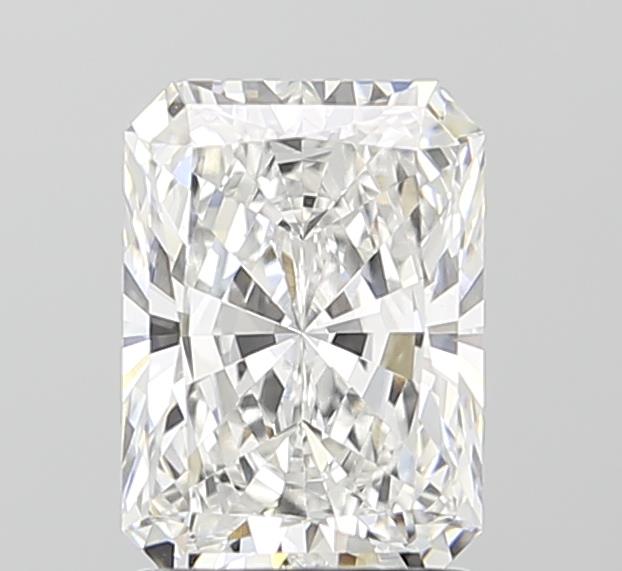
1.92 carat radiant diamond
$864 $1,234
FLAT 30% OFF

1.41 carat radiant diamond
$871 $1,244
FLAT 30% OFF
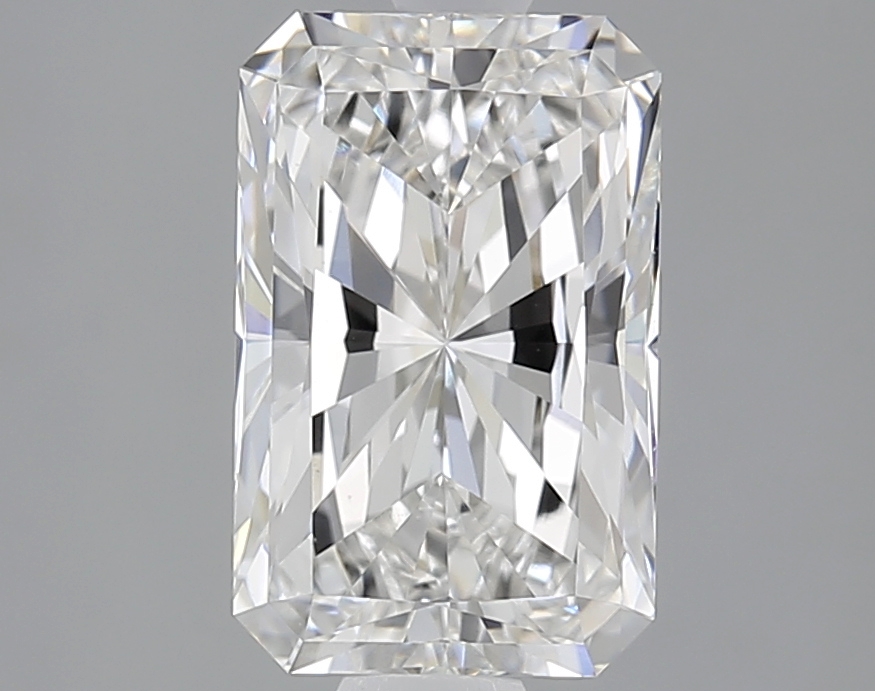
2.11 carat radiant diamond
$872 $1,246
FLAT 30% OFF
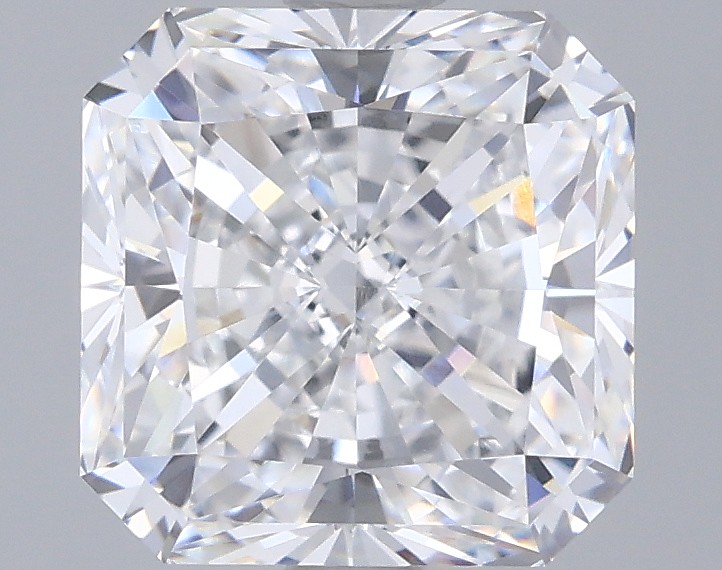
2.25 carat radiant diamond
$890 $1,271
FLAT 30% OFF
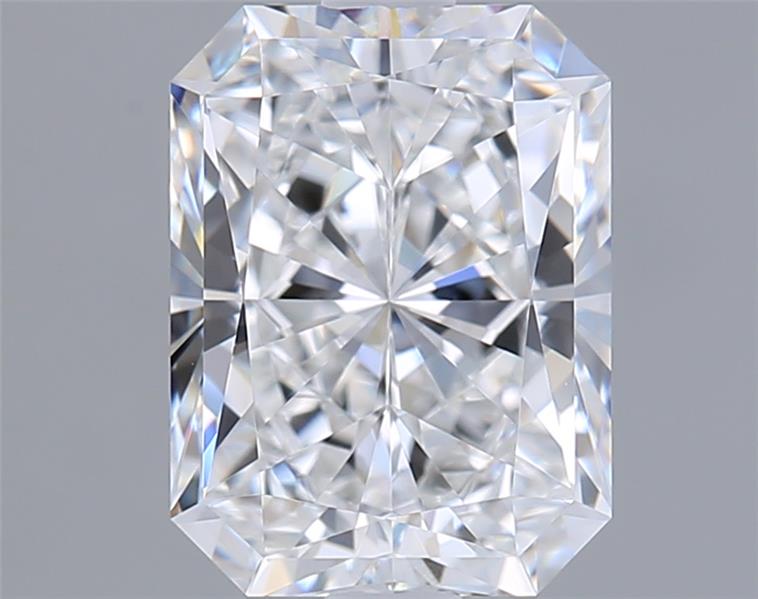
1.77 carat radiant diamond
$893 $1,276
FLAT 30% OFF

2.17 carat radiant diamond
$896 $1,280
FLAT 30% OFF
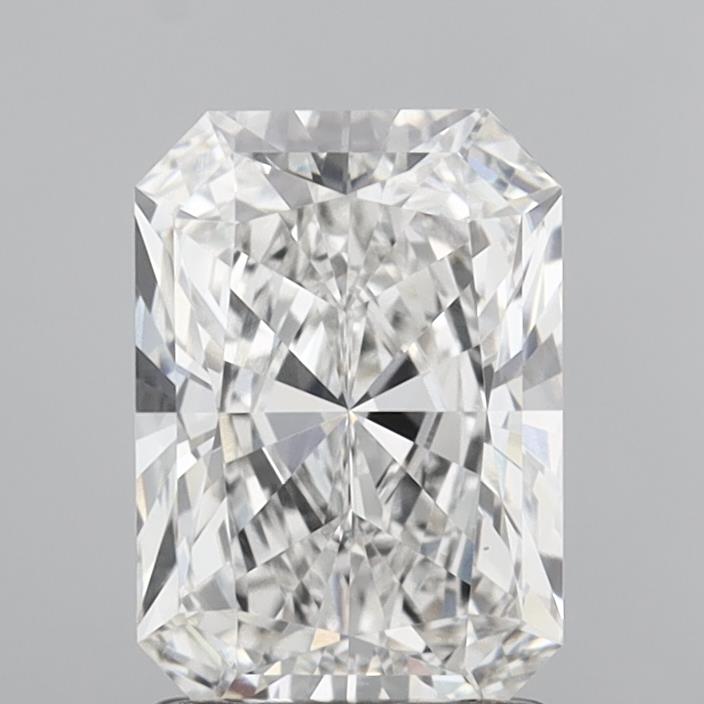
2.05 carat radiant diamond
$900 $1,286
FLAT 30% OFF
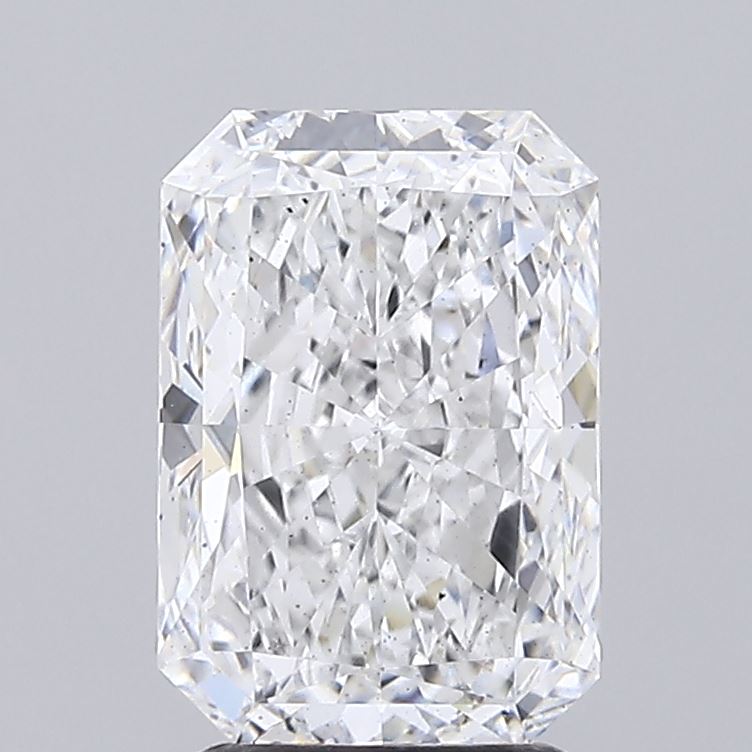
2.42 carat radiant diamond
$902 $1,289
FLAT 30% OFF
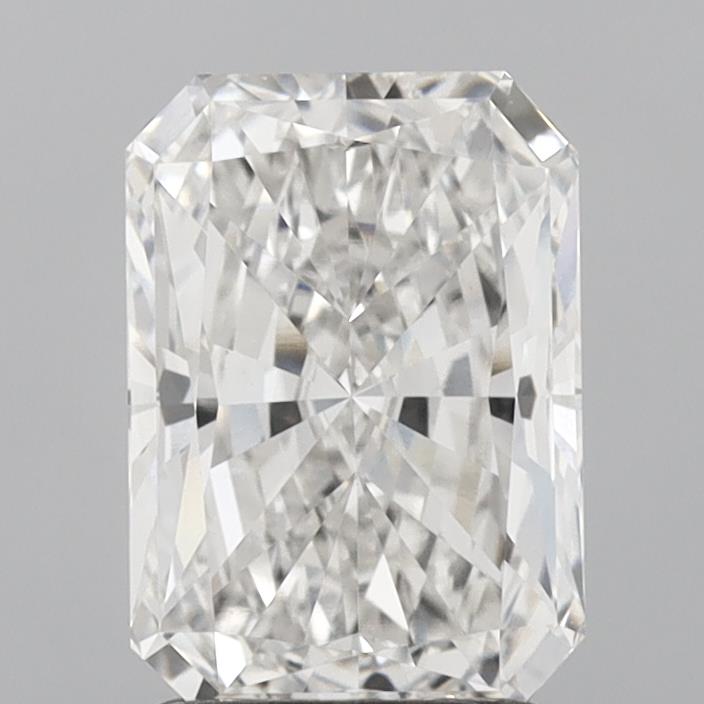
2.17 carat radiant diamond
$906 $1,294
FLAT 30% OFF
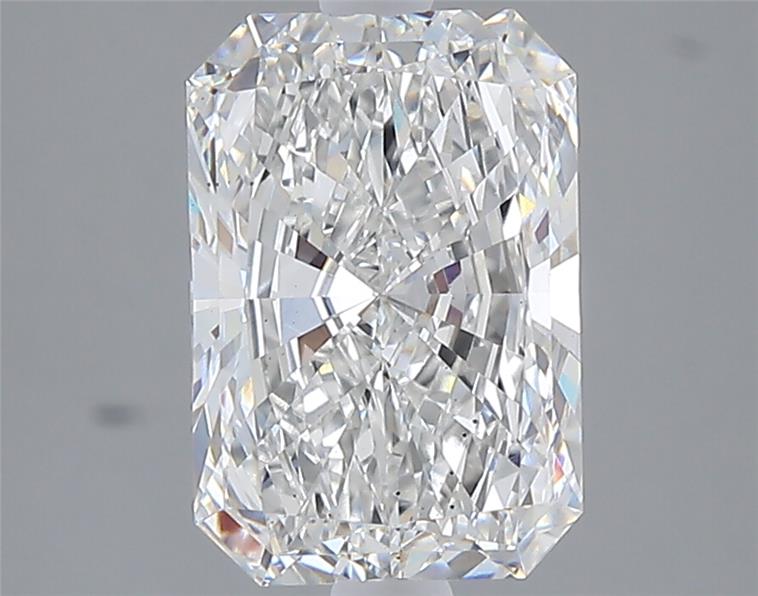
2.43 carat radiant diamond
$919 $1,313
FLAT 30% OFF
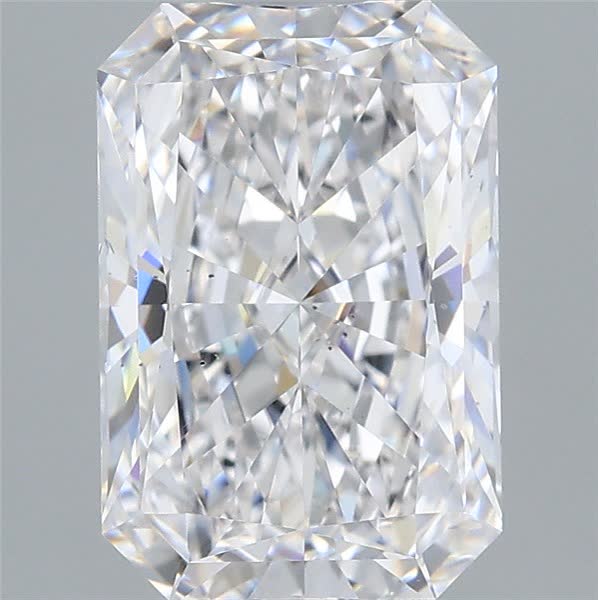
2.59 carat radiant diamond
$923 $1,319
FLAT 30% OFF
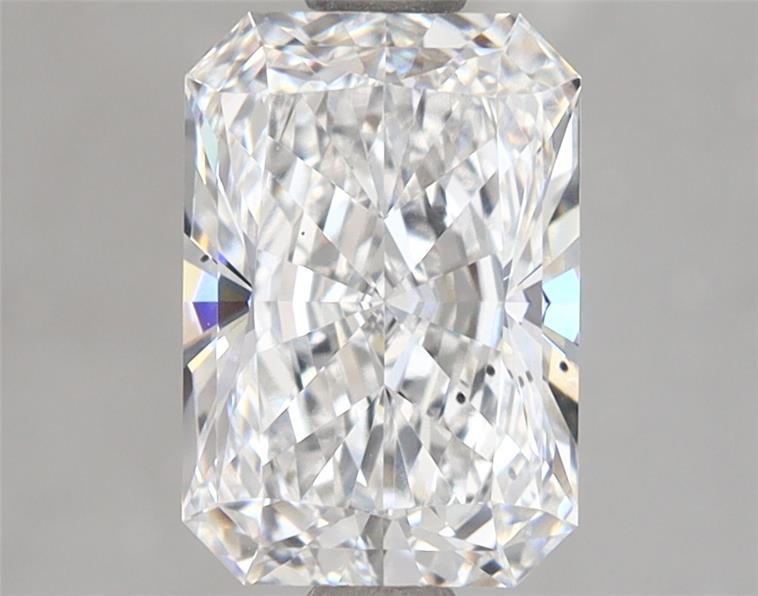
2.19 carat radiant diamond
$924 $1,320
FLAT 30% OFF
Shop Radiant Diamonds
Why is the radiant-cut diamond such a popular choice?
The cut that made all the difference
The radiant-cut diamond is one that has a real history. It was designed by legendary cutter Henry Grossbard in 1977. This shape was the first to marry the geometry of an emerald step cut with the sparkle of the round brilliant cut. This combination of structure and light resulted in a diamond with 70 facets designed to maximize light return. Housed in a shape that appears larger than other cuts when viewed face-up.
Why does this shape work?
The radiant lab diamond works particularly well for an engagement ring. Its trimmed corners remove any vulnerable points that need heavy protection. Also, the facet arrangement handles daily use with ease and reflects light from every angle.
If you prefer the look of an oval or emerald-cut but want more sparkle, then this cutting style would fit perfectly. It carries a certain weight in appearance, photographs beautifully, and suits all types of settings and metal tones. It looks particularly good with yellow gold, which complements the stone's body color rather than competing with it.
The 4 C’s of radiant-cut diamonds
The standard 4 C’s apply to this shape, but the order in which they are prioritized is different.
• Cut
The GIA does not issue a cut grade for radiant-cut diamonds. Instead, pay attention to the proportions, symmetry, and how light is distributed across the face of the stone. A well-cut radiant should not have a dark bow tie across the center.
• Color
This is where the radiant diamond shape asks for a little more attention. Its deep pavilion with a dense facet pattern retains body color more visibly. When you are setting the stone in white gold or platinum, it's best to opt for a G color grade or above to keep the face looking crisp and white. An H or even an I color in yellow gold or rose gold can appear warm and intentional instead of off-white.
• Clarity
Loose radiant diamonds are more forgiving of clarity. A VS1 or VS2 clarity grade will usually deliver a stone that is eye-clean. SI1 can work, but always review images or videos before purchasing.
• Carat
This shape retains weight in its depth. This means that two stones with equal carat weight can have very different face-up appearances, depending on their cut proportions. Always consider face-up measurements first and carat weight second.
When you are shopping for lab-grown radiant diamonds, you should also look for verification from independent diamond grading institutions. You should choose diamonds that are certified by IGI or GIA. These grading reports are comprehensive, standard, and recognized within the industry. Also, they give you peace of mind about your diamond buying process.
The number that shapes everything
This is one of the most searched aspects of the radiant-cut lab diamond and one of the most overlooked in buying guides. The length-to-width ratio will help determine if your stone will be square or rectangular. This one simple choice makes a huge difference in the overall look of your ring.
- A 1.00-1.05 ratio gives you a square radiant-cut. This is a bold and symmetrical choice. The stone sits wide on the finger, and it’s a definite statement piece. This range is ideal for people who love the look of the princess cut but want extra sparkle and no vulnerable pointed corners. It’s for those who prefer their center stone to look more commanding.
- At 1.10-1.20, the stone gradually becomes elongated and is generally flattering to most people. This is the range most popular for a reason: it's balanced to look proportionate on a variety of finger widths and lengths and doesn’t lean too heavily square or too noticeably rectangular. When you're not sure where to start, this is the safest and most versatile option.
- You've got yourself well into rectangular radiant territory between the 1.25 and 1.50 range. The stone stretches visibly along the finger. It has an elegant elongating effect that works especially for those with shorter or wider fingers. At this ratio, the silhouette begins to look more like an elongated cushion or emerald cut but with much more sparkle. If you're drawn to that slimmer, longer silhouette but don't want to forego fire, then this end of the scale might be worth trying.
The real difference between radiant and cushion
These two shapes are frequently confused. And the differences between these two shapes are more important than many guides realize.
The radiant-cut has trimmed corners and a more geometric facet pattern. It produces a more definite, crisper sparkle. The light bounces back in a high-contrast way. The cushion cut, on the other hand, features soft corners. It has a looser facet arrangement that provides a more romantic or diffused sparkle instead of concentrated flashes.
If you are looking for a stone that looks lively and contemporary, then the radiant-cut is for you. If you want something that's softer and more vintage in character, the cushion might be the better option. Both hide inclusions well, but the crisper pattern of the radiant will make color a little more noticeable. Therefore, the color guidance given in the 4 C’s section above should be followed.
Settings that work with this cut
The right setting should not only hold the stone but also preserve it and define the overall appearance of the ring.
- Solitaire : The most classic and simple option. In a solitaire setting, the cut speaks for itself. There's nothing that distracts the eye from the stone's geometry and brilliance. It is also easy to resize and modify in the future.
- Halo : A halo of smaller stones around the center really makes a big difference in the face-up size and adds a layer of vintage glam. A great look can be created using rectangular radiants in this setting, where the pavé around the stone reinforces the stone's elongated shape.
-Bezel : A full or partial bezel wraps the stone in metal. It gives the ring a modern and sleek appearance and looks fantastic in both yellow gold and white metal. The one downside to a bezel is that it will slightly reduce the visible face-up size of the stone.
-Prong (4 or 6) : Four-prong and six-prong settings continue to be popular because they let more light reach the stone. More of the stone is visible, and more light enters from the sides. For a radiant cut, make sure the prongs sit at or near the corners. This shape has trimmed corners, which make it less vulnerable. But corner prong placement still offers the most secure hold.
Make it yours
We at Friendly Diamonds know how much importance your ring holds for you. This is why we let you design it the way you want to. You can pick from metal choices like yellow gold, rose gold, white gold, or platinum. You can choose your prong style, halo configuration, and band design.
Our team is always here to help you make the right decision. Whether you have a clear vision or just a slight idea, our radiant lab-diamond collection is the right place to start. Browse it exclusively at Friendly Diamonds.
Radiant Cut Diamond FAQs
What does a radiant cut diamond look like?
Is radiant cut a good cut for a diamond?
Do radiant cut diamonds look bigger?
Is a radiant cut diamond a mixed cut?
Is a radiant cut diamond a good choice for an engagement ring?
What is a radiant-cut diamond?
Who invented the radiant-cut diamond?
How many facets does a radiant-cut diamond have?
Is a radiant-cut diamond more likely to exhibit color when compared to other diamonds?
How does a radiant-cut differ from a round cut diamond?
What is the best length-to-width ratio for a radiant-cut?
Is the radiant-cut the same as a princess cut?
What clarity grade would you recommend for a radiant-cut diamond?
What is the best setting to pair with a radiant-cut diamond?
Should I consider using the radiant-cut for an engagement ring?
Does a radiant-cut look bigger than a round diamond?
How do radiant and cushion diamonds differ from each other?
Are lab-grown radiant-cut diamonds certified?
Does a radiant-cut diamond work with yellow gold?
Which one is more popular: the square or the rectangular radiant?
What is meant by the term “face-up size”?
How can I avoid the bow tie effect in my radiant-cut diamond?
Is it possible to mount a radiant-cut diamond in a three-stone ring setting?
Which metal is the best match for a radiant-cut diamond?
Why opt for a cultured radiant-cut diamond?