









- Home
- Fine Jewelry
- Solitaire Necklaces
Solitaire Necklaces
(14)
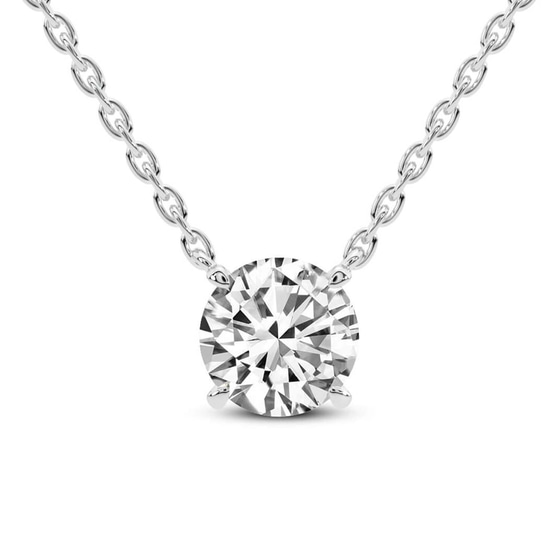
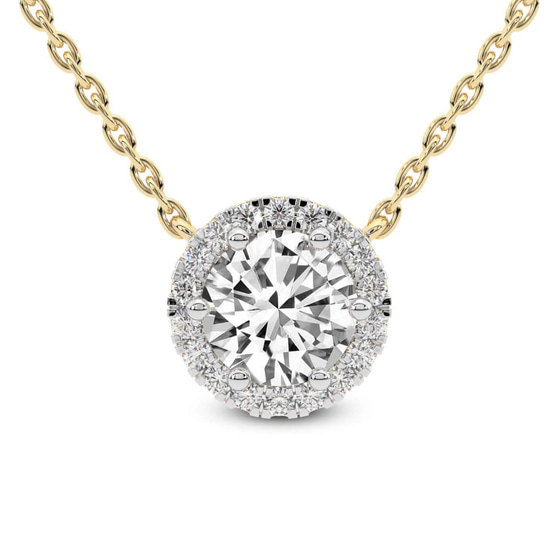
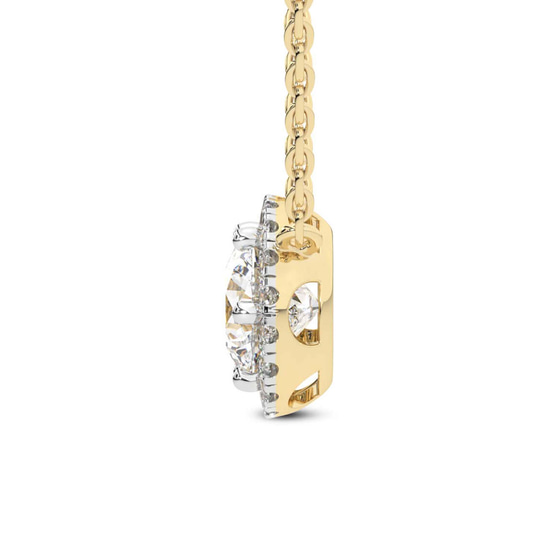
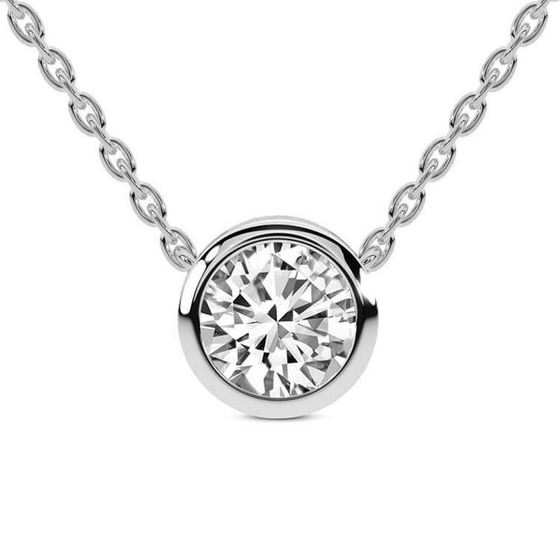
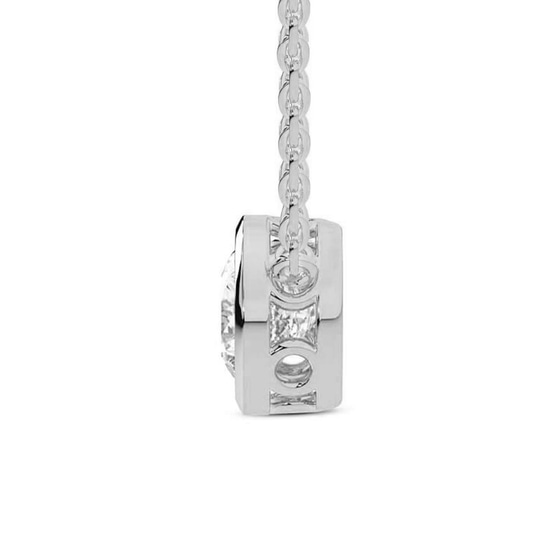
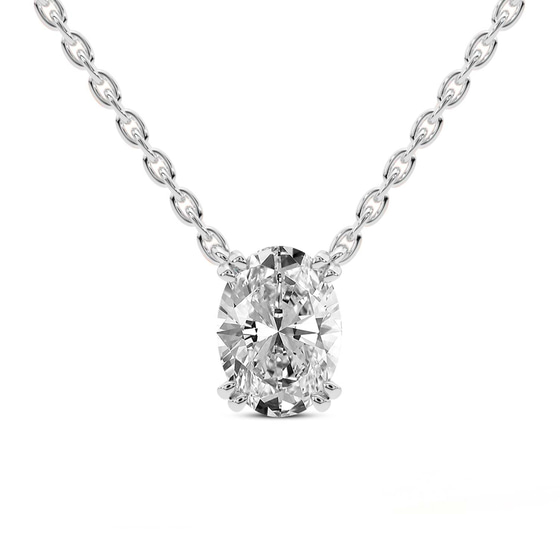
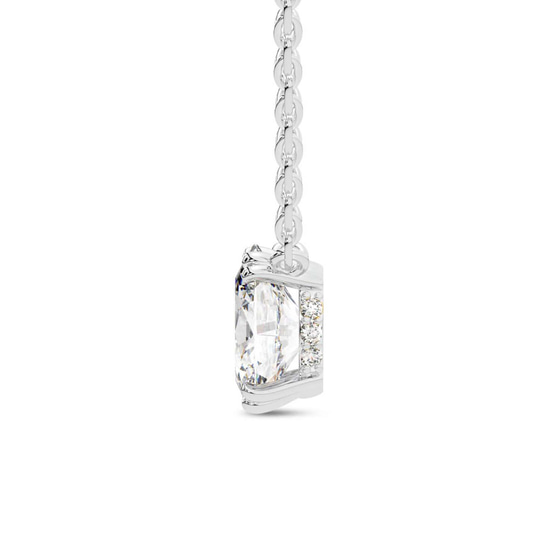
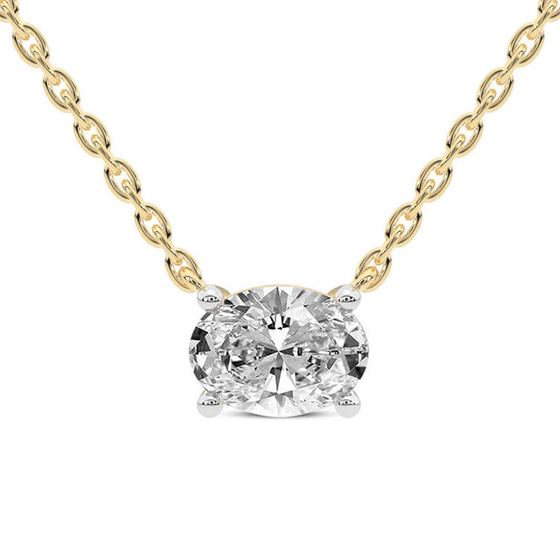
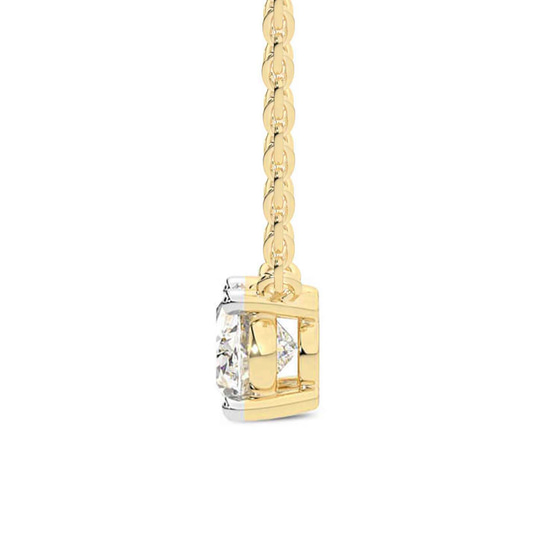
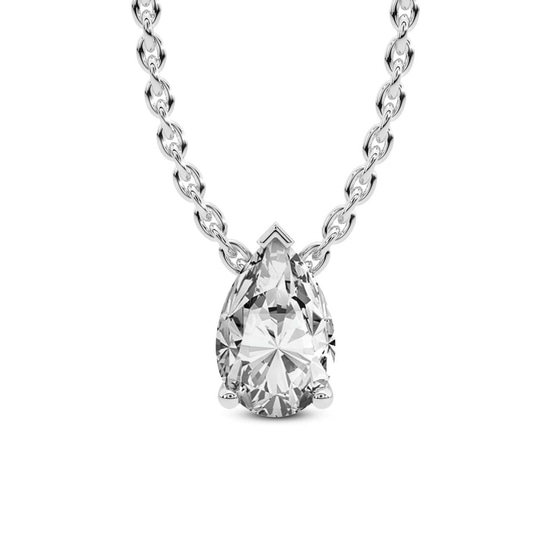
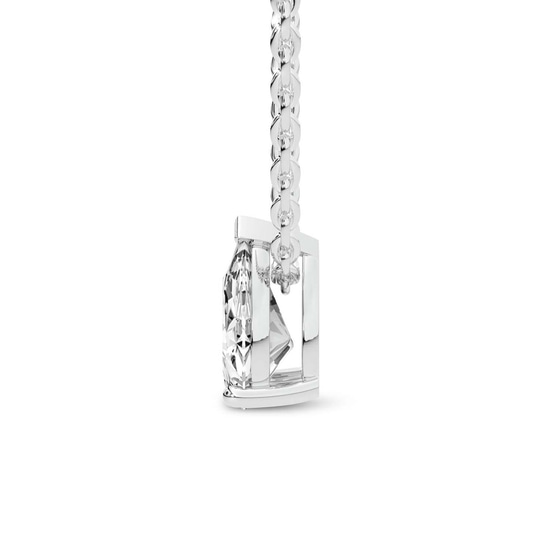
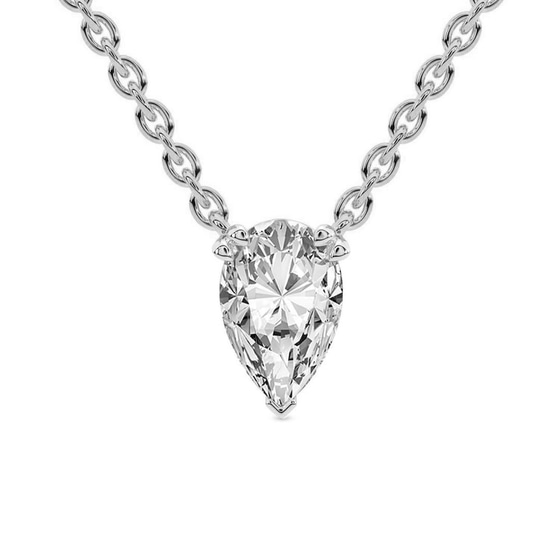
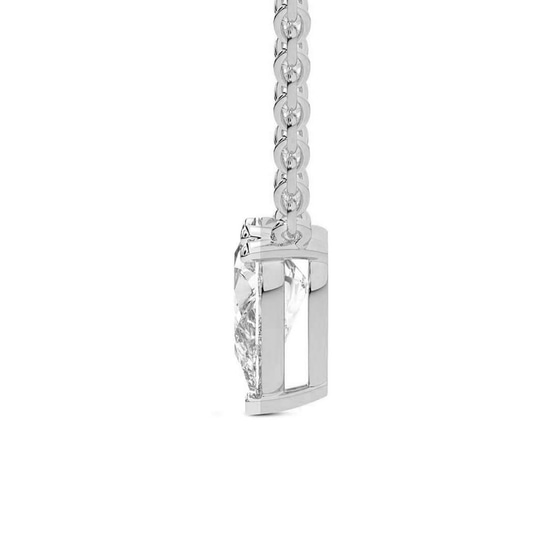
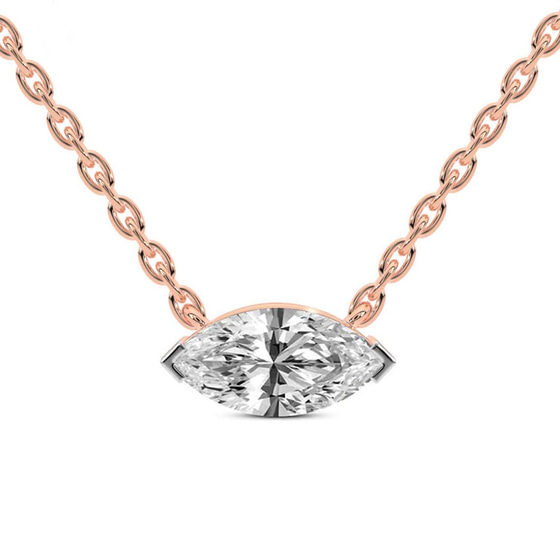
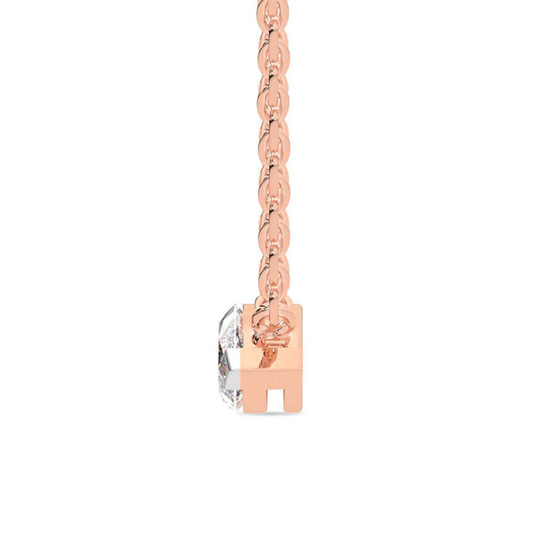
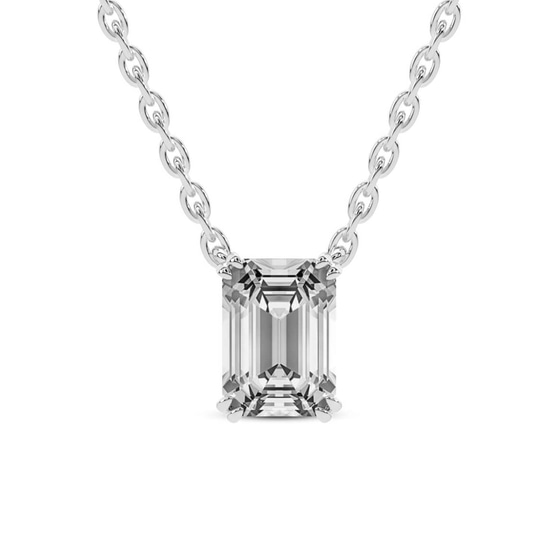
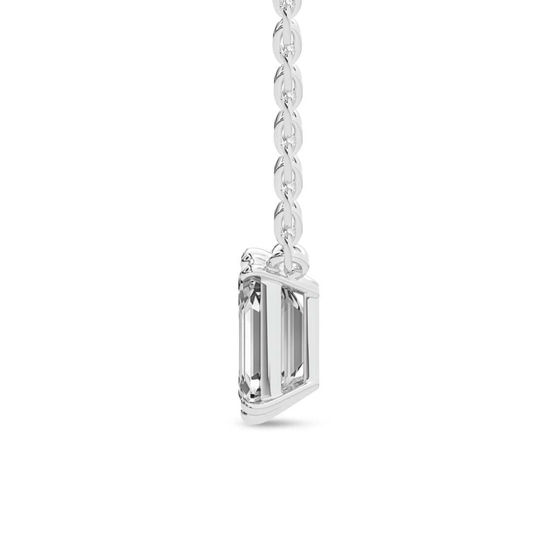
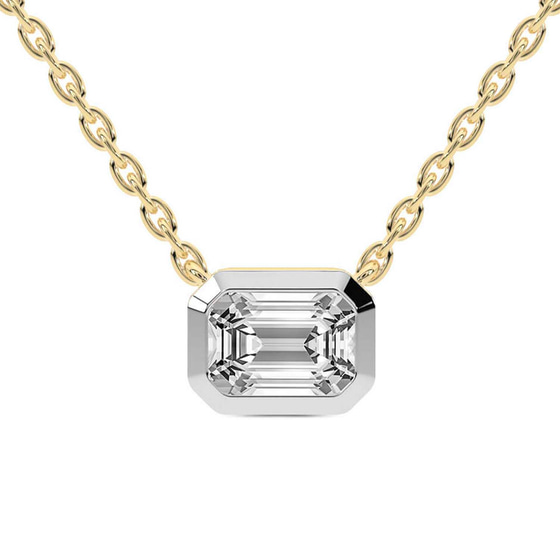
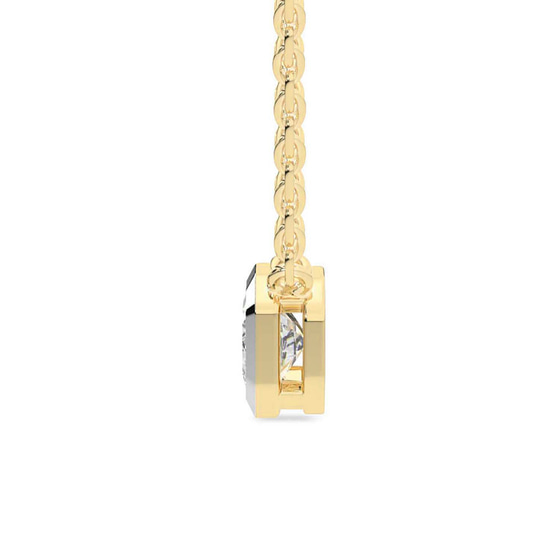
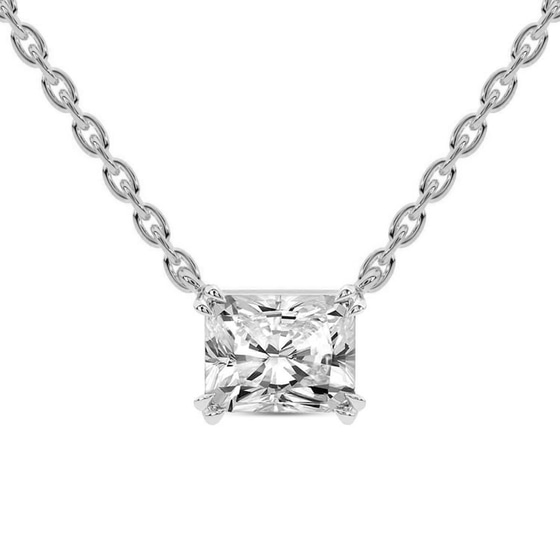
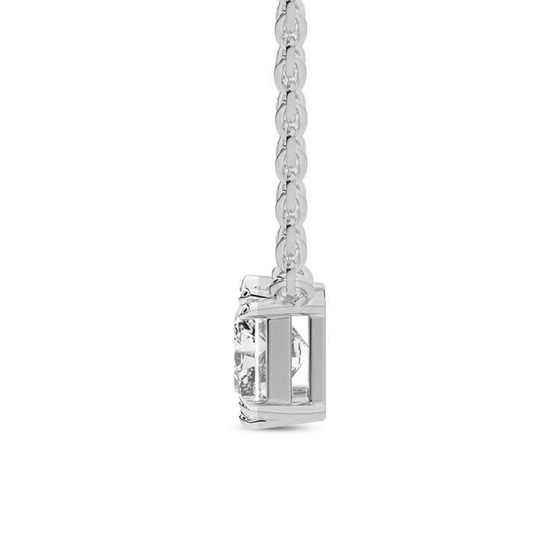
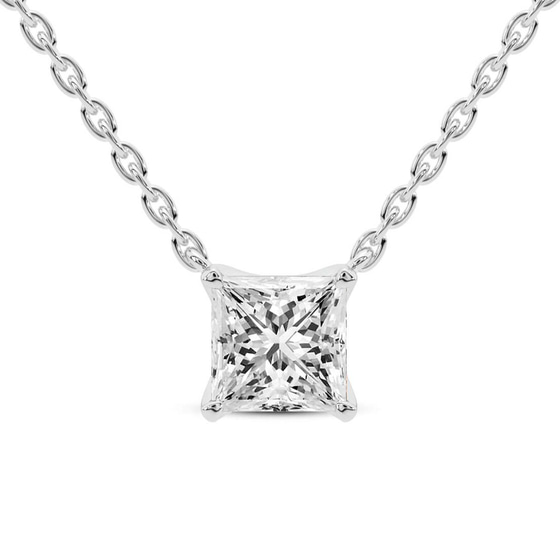
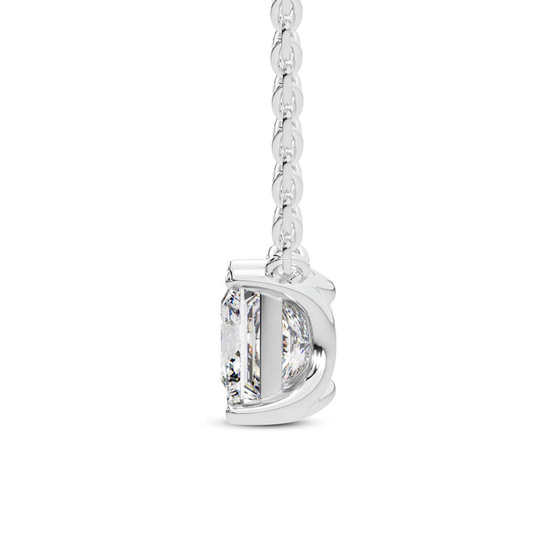
Discover our range of exquisite solitaire necklaces featuring a single, prominent diamond as their centerpiece, set in a simple metal setting made of white gold, yellow gold, rose gold, or platinum, and accompanied by a delicate chain customizable to any length. Popular for their classic and timeless designs and versatility, these necklaces can be worn with a variety of outfits and are suitable for all occasions, from casual to formal events.
Filters


Get flat 40% off SITEWIDE & AN ADDITIONAL up to 20% off on select CARATS!
;%20}%20}%20%3c/style%3e%3cpath%20class='spinner_6kVp'%20d='M88%2075C88%2072.4288%2087.2376%2069.9154%2085.8091%2067.7776C84.3806%2065.6397%2082.3503%2063.9735%2079.9749%2062.9896C77.5994%2062.0056%2074.9856%2061.7482%2072.4638%2062.2498C69.9421%2062.7514%2067.6257%2063.9895%2065.8076%2065.8076C63.9895%2067.6257%2062.7514%2069.9421%2062.2498%2072.4638C61.7482%2074.9856%2062.0056%2077.5994%2062.9896%2079.9749C63.9735%2082.3503%2065.6397%2084.3806%2067.7776%2085.8091C69.9154%2087.2376%2072.4288%2088%2075%2088'%20stroke='%23668B84'%20stroke-width='3'/%3e%3c/svg%3e)
1 / 2
1
1
1 / 2
2
3
4
5
6
1 / 2
1
1
1 / 2
2
3
4
5
6
1 / 2
1
1
1 / 2
2
3
4
5
6
1 / 2
1
1
1 / 2
2
3
4
5
6
1 / 2
1
1
1 / 2
2
3
4
5
6
1 / 2
1
1
1 / 2
2
3
4
5
6
1 / 2
1
1
1 / 2
2
3
4
5
6
1 / 2
1
1
1 / 2
2
3
4
5
6
1 / 2
1
1
1 / 2
2
3
4
5
6
1 / 2
1
1
1 / 2
2
3
4
5
6
1 / 2
1
1
1 / 2
2
3
4
5
6
1 / 2
1
1
1 / 2
2
3
4
5
6
Diamond Solitaire Necklaces
A solitaire necklace is one of the few pieces of jewelry where less is truly more, one stone, one chain, and a clarity of intention. Other necklaces rely on intricacy, but the diamond solitaire necklace relies on nothing apart from the diamond itself. Every solitaire pendant available at Friendly Diamonds is set with an IGI or GIA-certified lab-grown diamond.
Everything you should know about a solitaire necklace
Shopping for a solitaire necklace is different from shopping for most jewelry. There is no halo to distract from a weaker stone. No side diamonds to add visual weight. The pendant lives and dies by the quality of one gem and the intelligence of a few decisions. Those are shape, carat, chain length, and setting. Get these right, and you will end up with a piece that you will reach out for instinctively.
What sets a solitaire necklace apart from every other style?
Most necklace designs use composition to create beauty. A single stone necklace works on an entirely different principle. It isolates one diamond and asks that stone to carry the full weight of the piece. Every facet is exposed, and every flash of light is never-ending. Also, there is no metalwork to soften the impression.
And that is precisely what gives the lab-diamond solitaire necklace its timeless appeal. Its design cannot go out of fashion since there is nothing to date it. Trends cycle around it, and the solitaire necklace simply continues, year after year, remaining as relevant as ever.
What carat size works?
"Carat" is the number most shoppers lead with. It really matters, but not in isolation. The same carat weight reads differently depending on the diamonds’ shape and setting. It is important to understand how each size actually appears on the neck. You should not just fixate on the carat number.
A 0.50-carat solitaire pendant is delicate and perfect for daily wear. It is not so small that it becomes invisible but not big enough to stand out much. When we talk about 1-carat solitaire necklaces, we mean pendants with noticeable presence. This means they can be seen from afar, polished and discreet, but at the same time, versatile enough to work both during weekdays and weekends. A 1.5 to 2-carat solitaire necklace steps into the statement category; such a pendant will command attention and require space to do so.
Diamond solitaire necklaces at Friendly Diamonds are available from 0.50 carats all the way to 6 carats. The 1 to 1.5 carat range offers the most satisfying balance for most wearers. It is substantial enough to make an impression and refined enough to wear across every occasion in your life.
Diamond shapes you can go for
Shape is the most personal of all decisions here. Each shape carries a different visual character, and in a solitaire pendant, that character defines the necklace.
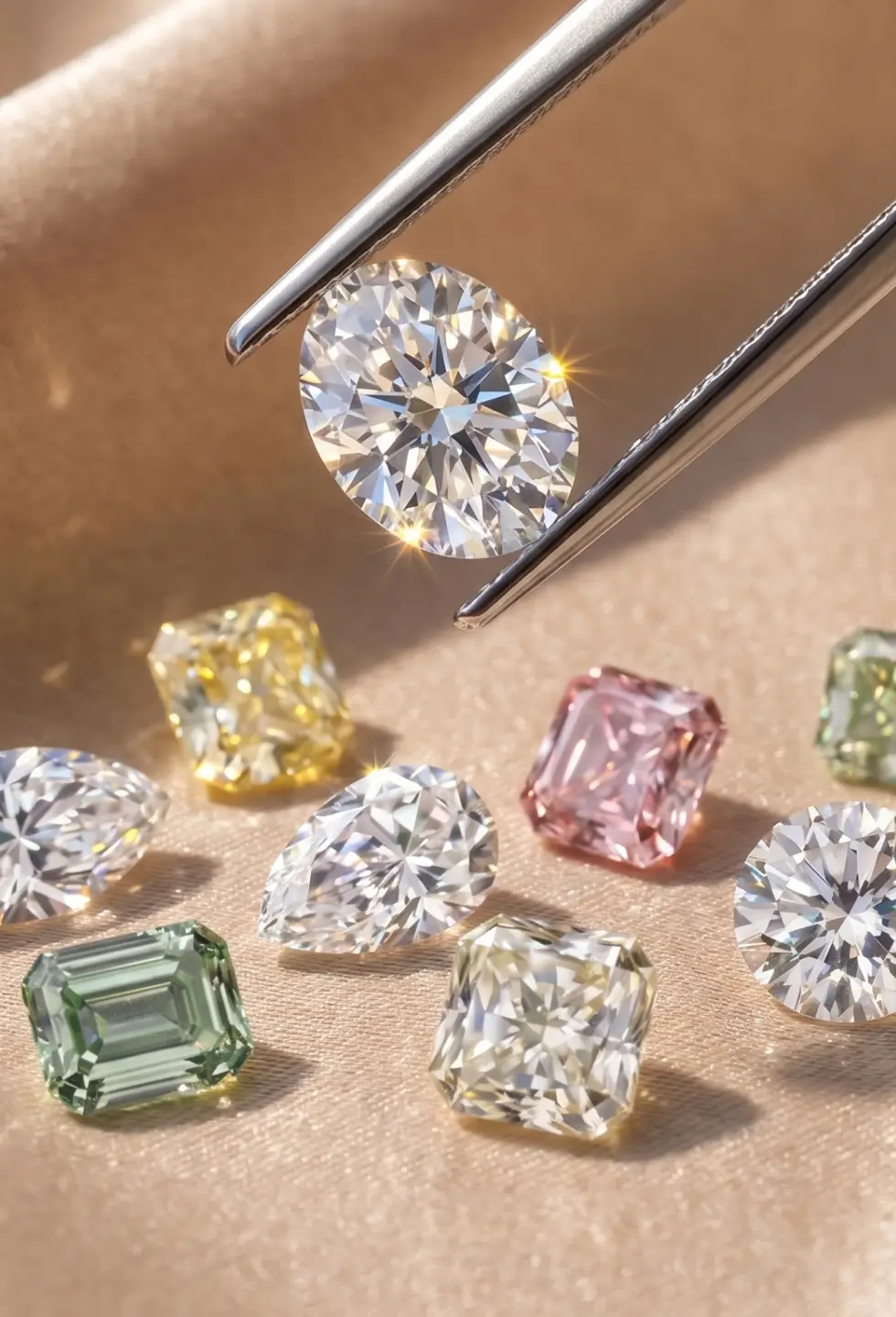
The round brilliant diamond is the most versatile cut that will look good no matter how the pendant is worn. It has 58 facets to maximize the brilliance of the stone. Because of its symmetry, it appears equally beautiful in any orientation. The oval-cut diamond offers almost as much brilliance, but its slightly elongated appearance creates an elegant look that is modern yet not at all outlandish. Pear-shaped stones are elegant as solitaire pendants. Their pointed tip draws the attention downwards in a way that is graceful.
For the individuals who prefer geometry rather than brilliance, an emerald-cut diamond is a better choice because of its elongated mirror-like facets and its well-composed architecture. The shape and design of a marquise-cut solitaire diamond create an elegant yet sharp design that would hang prominently from a chain. Radiant and princess cuts offer a more present-day take on the solitaire form. Cushion cuts lend a vintage quality that suits yellow gold and rose gold settings well.
All solitaire diamond necklace shapes are available at Friendly Diamonds. Each set is with a certified lab-grown diamond graded to the same standards as mined stones. If you’re feeling overwhelmed by all the necklace options out there, we’ve made things a little easier. Explore our necklace guide to help you find the perfect piece with ease.
Setting style: Bezel vs. Prong
The setting determines how the diamond is held in place. There are two settings that define the solitaire category, and understanding the difference will make the choice between them clear.
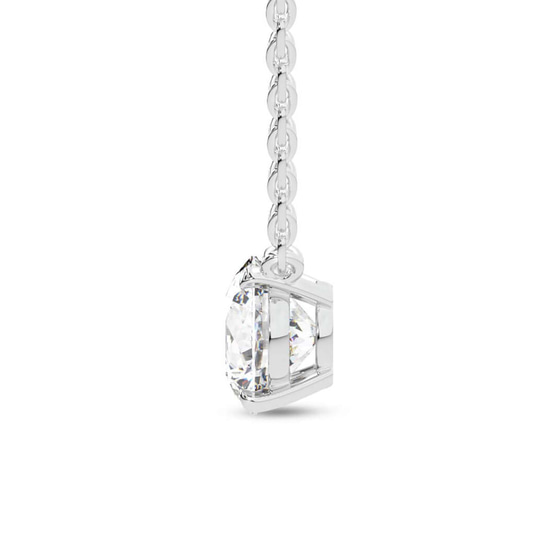
A prong setting holds the stone with thin metal claws that leave the diamond exposed from all angles, allowing light to enter the diamond from all directions. This results in the best possible sparkle of the diamond. This is the choice of those who seek to have their diamonds dazzle and catch light across the room.
A bezel setting encircles the gem in a continuous metal band to protect the edges while offering a sleeker and more modern style. The diamond emits a glow rather than flashes, a more refined kind of brilliance that many wearers find appealing. This type of setting works well for individuals who would like to have a necklace that does not require much attention.
Neither setting is superior. They just serve different temperaments and different lives.
Chain length
The same pendant reads differently at 16 inches versus 20 inches. The chain length is the detail that most shoppers overlook. It determines where the stone rests on the body and how it interacts with necklines.
A 16-inch chain places the diamond at the throat, very close to the collarbone, creating a neat and perfect appearance that looks best with round and boat necklines. It is the most formal of the common lengths. When it comes to the 18-inch chain, this length can be considered the most flexible one. It is flattering across most necklines and body types. A 20-inch length drops the stone toward the chest. It lends a slightly more relaxed quality that works with V-necks and open collars.
We offer customizable chain lengths at Friendly Diamonds. This way, your necklace will sit precisely where you want it to.
Metal choices you can make
Choosing the right metal has a dual function; it dictates both the visual appearance of the diamond and also signals something about the wearer’s personality. These factors need to be considered seriously.
White gold and platinum create a seamless visual frame for the stone. These metals allow the diamond's color to read as pure and colorless. White gold can be termed the most flexible layering metal. It has the ability to be combined with any other jewelry. Platinum goes a step further: it never needs to be re-plated, it retains its color over time, and its density gives the necklace a satisfying sense of quality.
Yellow gold adds warmth and contrast to a simple diamond necklace. With a yellow metal setting, even a stone with slightly warmer color grades appears vibrant and not off-white. Rose gold falls somewhere in between, with a romantic feel that is softer than yellow gold and distinctly modern in how it looks in photographs.
All of these metals are available at Friendly Diamonds.
Layering your solitaire necklace
The do’s
We do know that you might be worried about styling tips that would turn your simple outfit into a stunning one. The first thing that you need to remember when you style your solitaire necklace with any outfit is that your solitaire necklace is the star of the show.
A diamond solitaire necklace is among the best layering pieces you can have in your fine jewelry collection. But keep in mind that you will have to plan the layers instead of just adding any combination together. This layering is based on the concept of contrasting elements: different length chains with different textures and one clear focus point.
The most effective and stylish layering approach positions the solitaire necklace as the shortest piece. Either go for 16 or 18 inches. Your second piece must be worn below it, and it can be a tennis necklace, which is about 20 to 22 inches long. A delicate chain at 22 inches without any pendant adds depth. The final piece can be a choker worn above your solitaire necklace.
The don’ts
You should never place a second pendant necklace at the same length as the solitaire. Two stones at the same level fight for the same place and fail. Likewise, statement jewelry pieces that are highly embellished, worn with a simple one-stone necklace, will dominate it; the strength of the solitaire lies in its simplicity, and the simplicity must have space to exist. In layering, the diamond rules, and everything else follows.
Solitaire Necklaces FAQs
What is the most popular metal used in Solitaire Necklace settings?
How do you determine the appropriate length and carat weight for a Solitaire Necklace?
What is the difference between a Solitaire Necklace and a Tennis Necklace?
Can I customize my diamond solitaire necklace with a specific diamond or setting?
What is a solitaire necklace?
How is a solitaire necklace different from other pendant necklaces?
What diamond shape looks best in a solitaire necklace?
What carat size should I go for?
Is a diamond solitaire necklace suitable for everyday wear?
What chain length is best for a solitaire pendant?
What is the difference between a prong and a bezel setting?
Which metal is best for a solitaire necklace?
Are lab-grown diamonds real?
What does GIA and IGI certified mean?
How can I layer my solitaire necklace with other jewelry?
Can I wear a solitaire necklace with a tennis necklace?
How should I care for my diamond solitaire necklace?
Is a solitaire necklace a good gift?
Does Friendly Diamonds offer any warranty on solitaire necklaces?
Can I customize my solitaire necklace?
What is the best solitaire necklace for a petite frame?
How do I know if the diamond in my necklace is high quality?
Why choose a lab-grown solitaire necklace over a mined diamond?