Unlock FREE lab diamond jewelry on purchases over $1,000.



Stephanie Gottlieb Goes Wholesale with Lab-Grown Diamonds
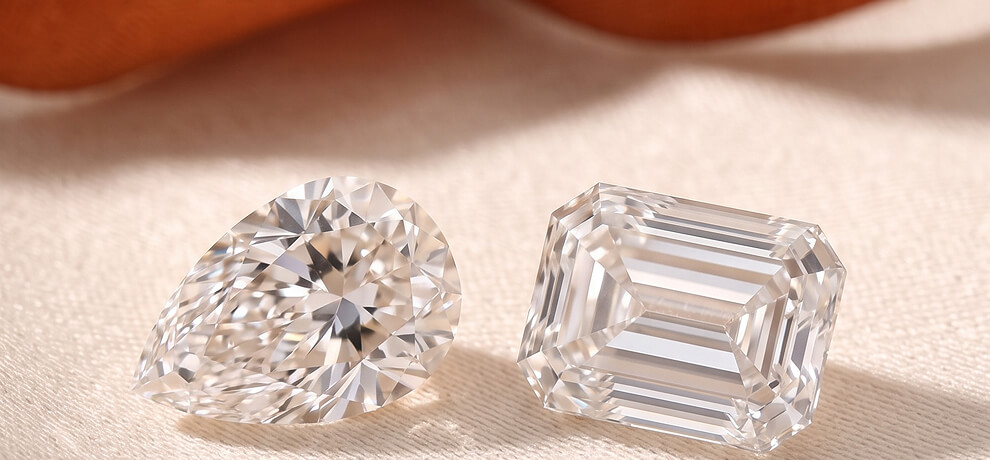
Designer Stephanie Gottlieb has built a new lab-grown diamond line on a wholesale partnership with Sofer Jewelry. Established jewelry names are increasingly expanding into lab-grown diamonds through wholesale relationships instead of building that supply chain from scratch, and InStore noted this deal as part of that pattern. The partnership puts Gottlieb's design sensibility behind diamonds sourced through an established wholesale channel. The word wholesale gets thrown around a lot in this industry without many jewelers explaining what it actually changes.
Stephanie Gottlieb is venturing into lab-grown diamonds for the first time, entering the wholesale market with a collection developed in partnership with Sofer Jewelry, a division of Beny Sofer, Inc. This move raises the question of what it means any time a jeweler tells you their diamonds are wholesale-backed, and how far you can let that phrase carry you when you decide what to pay or how carefully to check what you're buying.
Table of Content
- What 'Wholesale-Backed' Really Means
- Why This Kind of Partnership Is Becoming Common
- What To Check Before You Buy
- What a Lower Price Buys You
- Conclusion
What 'Wholesale-Backed' Really Means
When a jewelry brand partners directly with a wholesale diamond supplier, it cuts out a layer of middlemen between the diamond grower and the final setting. Instead of buying finished stones at retail markup from a distributor, the brand buys closer to where the diamond is cut and polished. That can mean a lower cost basis, and in theory, a lower price for you. It can also mean better access to specific carat weights, shapes, or color grades, since a wholesale relationship often comes with more inventory to choose from rather than whatever happens to be sitting in a retail case.
Wholesale sourcing doesn't guarantee the diamond in front of you is well cut, well graded, or honestly priced. It's a supply chain detail. It affects cost structure, not the stone itself.
Why This Kind of Partnership Is Becoming Common
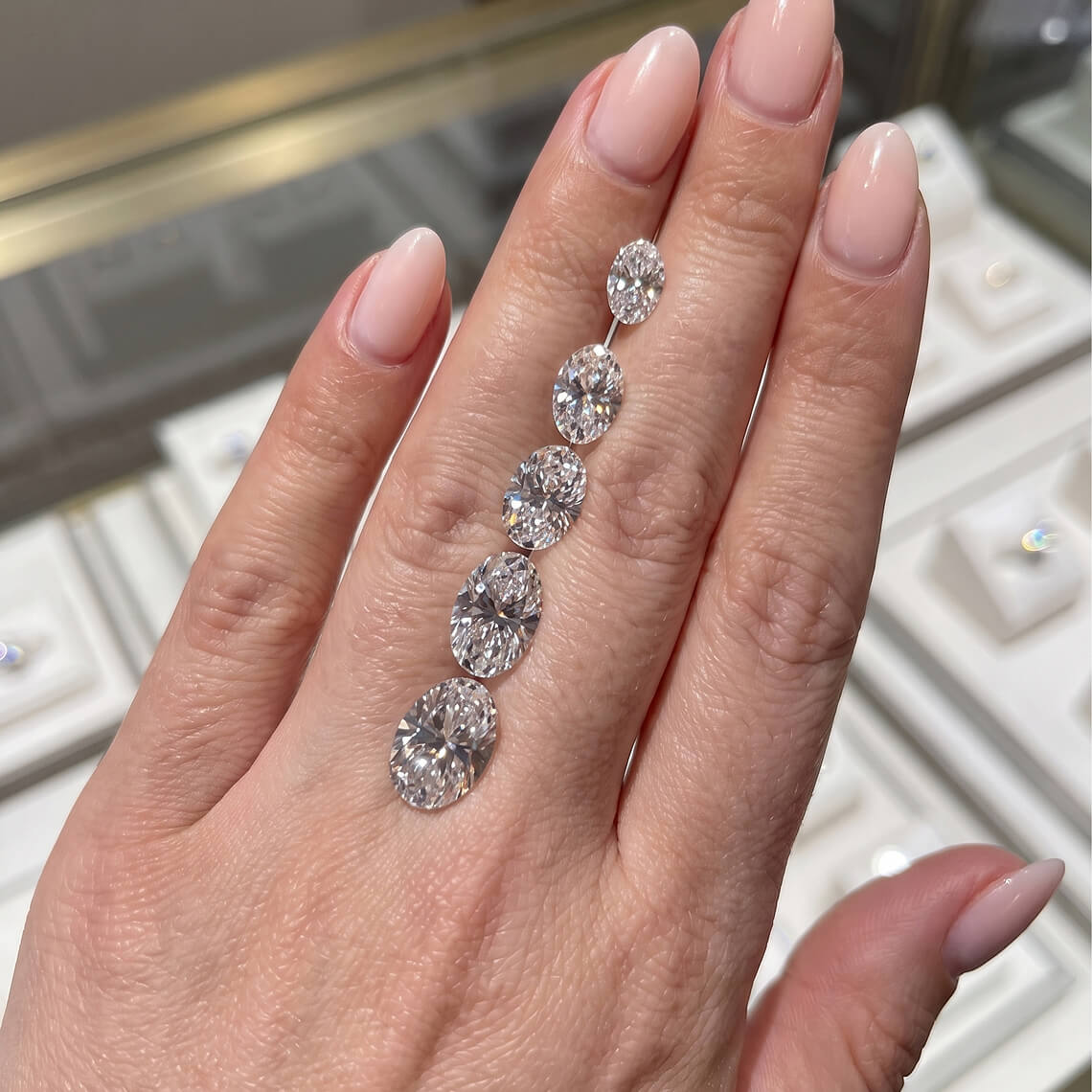
The Stephanie Gottlieb Sofer Jewelry partnership fits a pattern across the lab-grown space right now. Lab-grown diamond production has scaled up fast over the past several years, and prices for comparable stones have dropped a lot since lab-grown diamonds first hit the market. Wholesale partnerships have become attractive for designer brands that want to offer lab-grown diamonds without becoming a diamond manufacturer themselves.
What To Check Before You Buy
A lower price tag from a wholesale-backed line is only a good deal if the diamond underneath it holds up. Start with the grading report. Every lab-grown diamond worth buying should come with a certificate from IGI or GIA, the two labs that grade diamonds independently of whoever is selling them. That report lists the 4Cs, which are carat weight, color grade, clarity grade, and cut grade, plus details like fluorescence (how a diamond reacts under UV light) and polish.
Cut grade matters most for how the diamond looks. A well-cut diamond throws light back at you as sparkle, and that has more to do with the angles the cutter chose than with carat weight or price. Clarity grade tells you how clean the stone looks when you examine it closely, but most mid-range grades look identical to the naked eye once it's set, so you don't need to pay a premium chasing the very top of that scale. Color grade runs from D to Z, with D being closest to colorless, and few people can tell a one- or two-grade difference once a diamond is mounted in a ring.
How To Verify What You're Buying
-
Ask for the diamond's grading report before you buy, not after.
-
Look up the report number directly on the IGI or GIA website to confirm it matches the stone
-
Check that the report lists carat, color, clarity, and cut. A wholesale price with no certificate is a red flag, not a bargain
-
Compare the price against similarly graded stones elsewhere to confirm the wholesale savings are real
A diamond certificate is different from an appraisal. The certificate confirms what the diamond is, while an appraisal estimates what it's worth for insurance purposes. You want the certificate every time, and an appraisal if you plan to insure the piece or might resell it later.
What a Lower Price Buys You
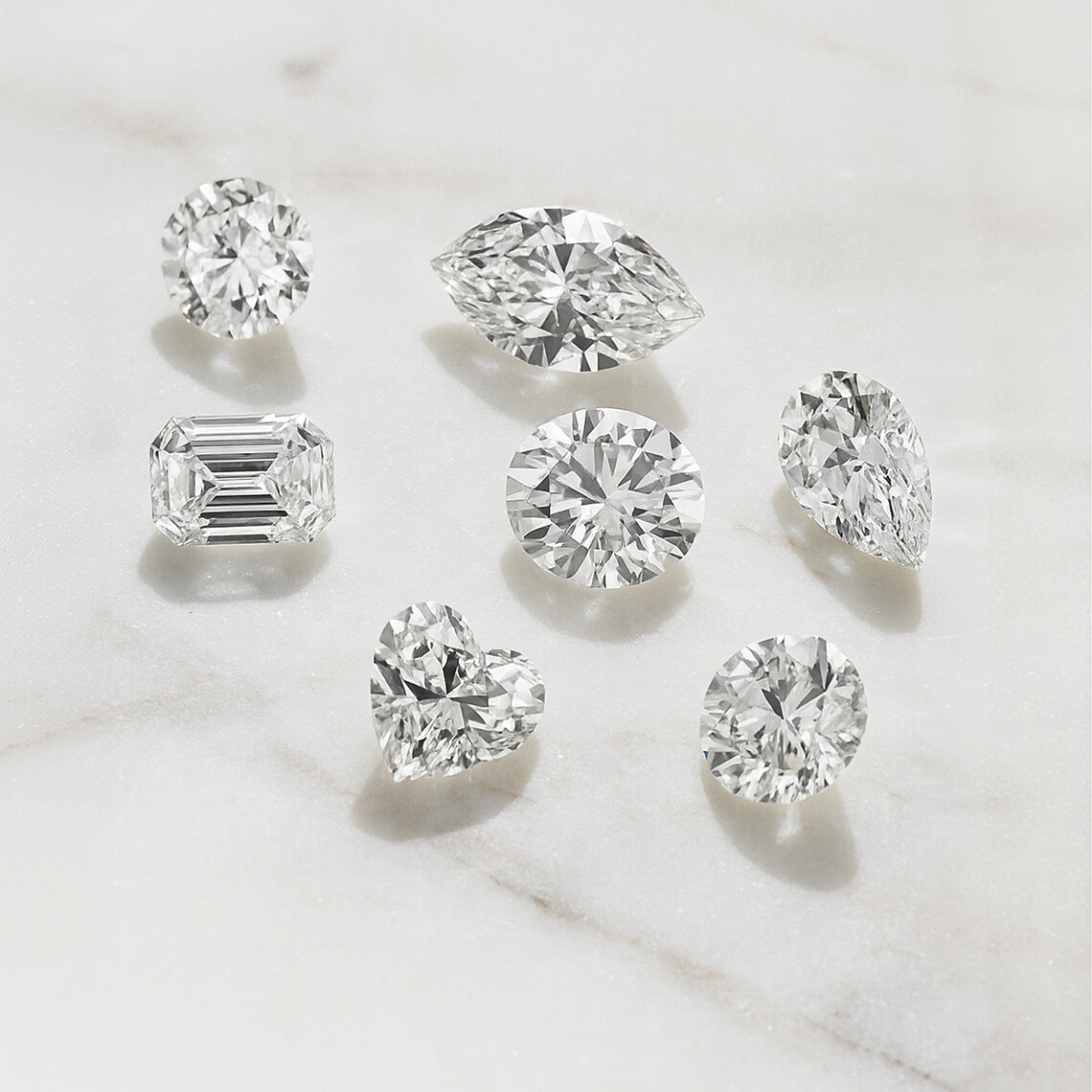
If a wholesale-backed line genuinely lowers the price on a certified lab-grown diamond, that savings is real money you can put somewhere else. Many buyers use the gap to go up in carat weight, since lab-grown diamond pricing makes a noticeably larger center stone realistic at a price that would only get you a smaller mined diamond. Others spend the difference upgrading the setting from gold to platinum, or adding a halo of accent stones around the center diamond.
Either way, start with the diamond's grading report, not the brand name attached to it. At Friendly Diamonds, every lab-grown diamond comes with an IGI or GIA certificate, so you're never guessing at the 4Cs behind a wholesale claim. From there, you can build your own ring and pick the shape, metal, and setting that fit your style and your budget.
Conclusion
Stephanie Gottlieb goes to lab-grown diamonds through a wholesale partnership with Sofer Jewelry, and that's a real signal about where the industry is headed. Carrying a wholesale label on its own doesn't tell you what you're buying. The grading report does. Check the certificate, verify it with the lab, and let the 4Cs decide whether a deal is really a deal.
FAQs
Does 'wholesale-backed' mean a lab-grown diamond is lower quality?
Why did Stephanie Gottlieb partner with Sofer Jewelry for lab-grown diamonds?
Should I pay more for a diamond because it's not wholesale-backed?
Does Friendly Diamonds offer certified lab-grown diamonds?