Unlock FREE lab diamond jewelry on purchases over $1,000.


An 8.03-carat Fancy Light Blue diamond ring is headed to auction in London, where it's expected to sell for as much as £2 million. GIA graded it Fancy Light Blue, natural color, VS2. The auction itself will settle the real number, so treat that figure as an estimate. The size of it still raises a fair question. Why does a blue diamond command that kind of money at all?
The answer comes down to scarcity. Blue diamonds are one of the rarest fancy colors found in nature, and when one shows up at real size with real saturation, the auction world takes notice. If you're shopping for a blue diamond on a real budget, that same rarity is why a lab-grown blue diamond is worth understanding before you fall for a mined one you can't afford.
Table of Content
- Why Natural Blue Diamonds Cost So Much
- What This Means for Your Own Blue Diamond Search
- What to Look For When You Shop
- Budget Reality: Natural vs. Lab-Grown Blue
- Conclusion
Why Natural Blue Diamonds Cost So Much
Diamonds get their color from how they form underground, and most of the time that process produces a colorless or faintly yellow stone. Blue is different. It happens when trace amounts of boron mix into the carbon during formation, a combination that almost never lines up in nature. Bad odds, not craftsmanship, sit behind the price tag.
How Labs Grade Fancy Color
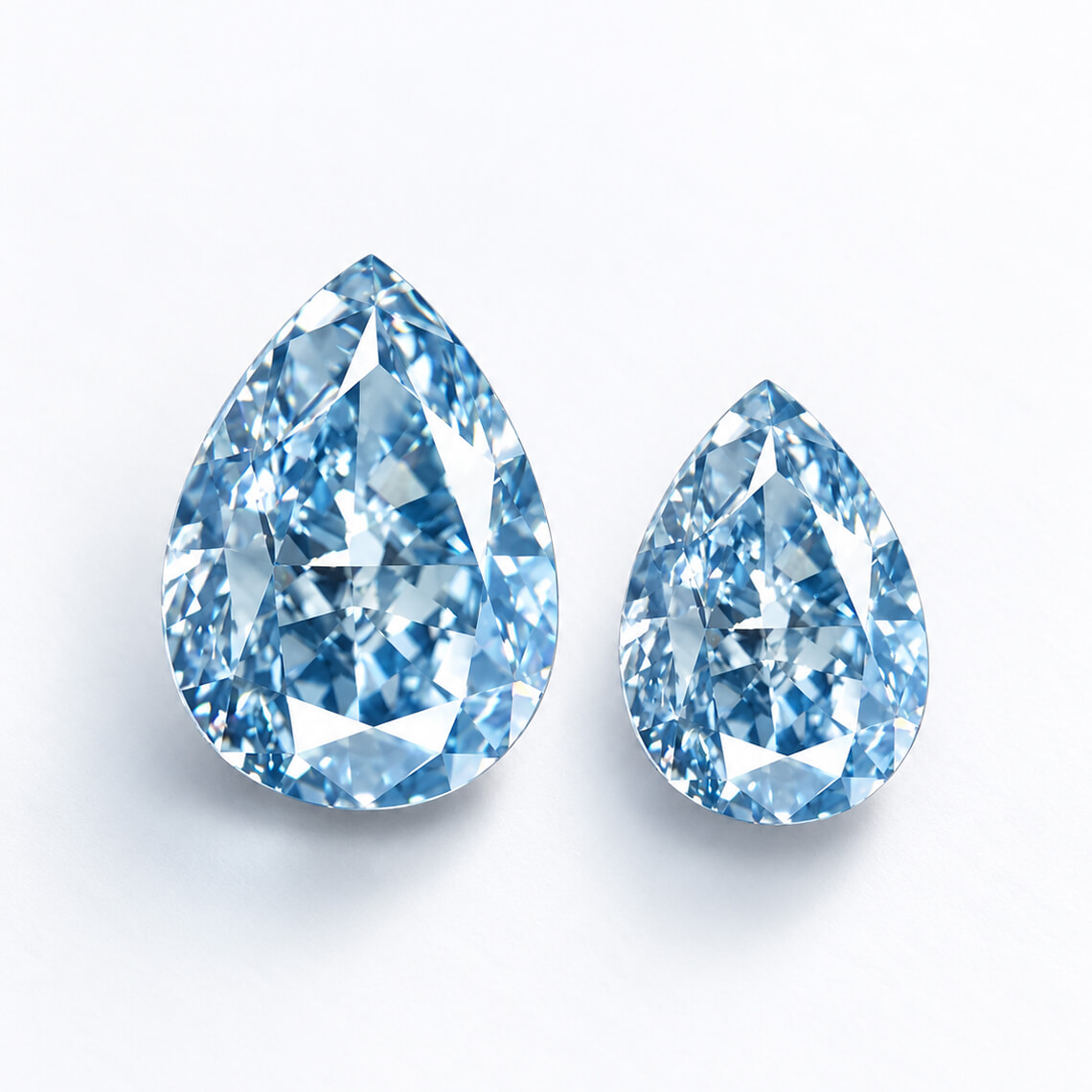
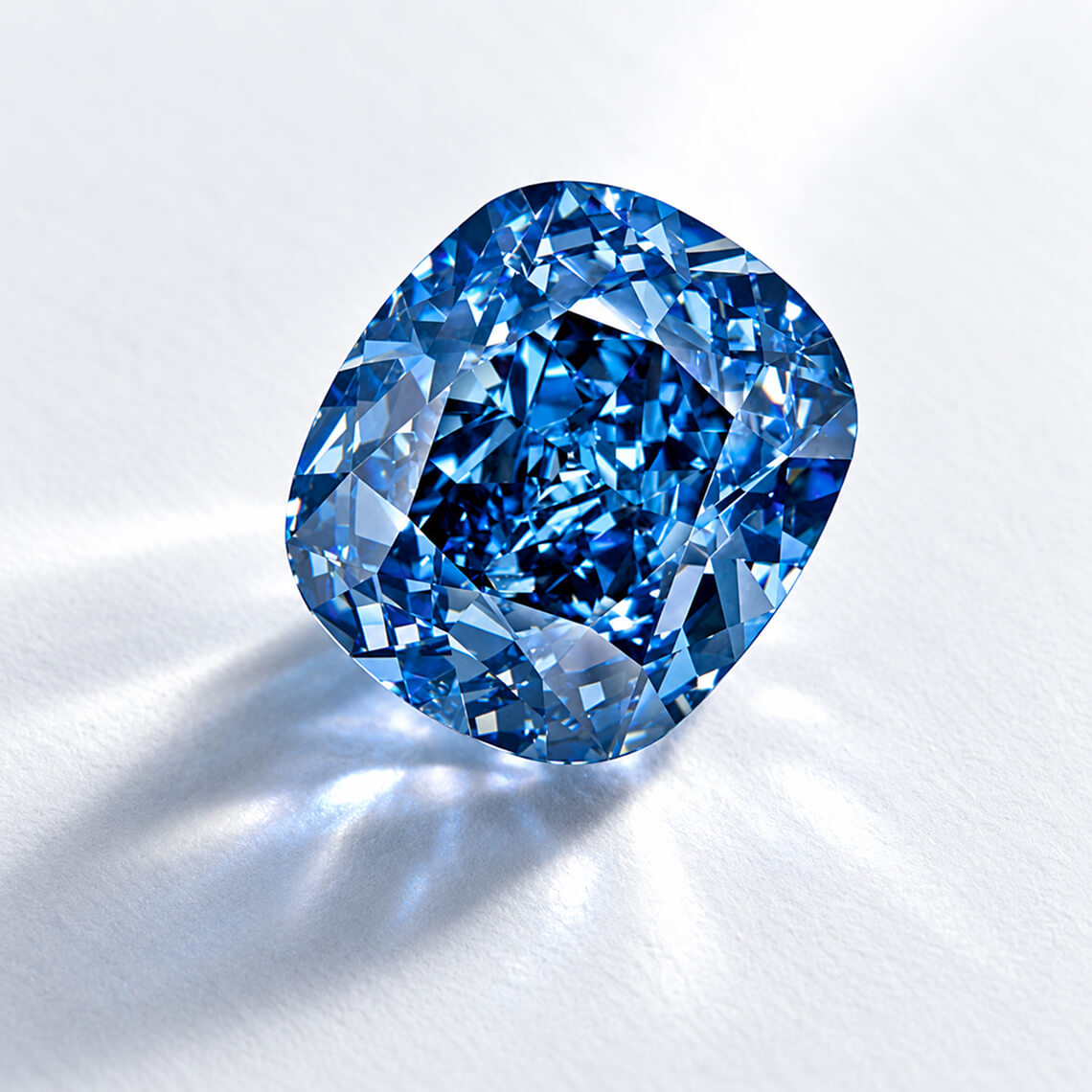
When a lab grades a fancy colored diamond, it looks at three things. Those are hue (is it blue, green-blue, gray-blue), tone (how light or dark), and saturation (how intense the color reads). Fancy Vivid blue, the richest grade on the scale, is worth dramatically more than a Fancy Light blue of the same size, because vivid color is even rarer than blue color itself. Two blue diamonds of identical carat weight can land worlds apart in value depending on how saturated the color looks.
Carat weight still matters, same as with a colorless diamond. But with fancy colors, it takes a back seat to color quality. Vividly saturated color in a small blue diamond can out-price a larger, washed-out one.
What This Means for Your Own Blue Diamond Search
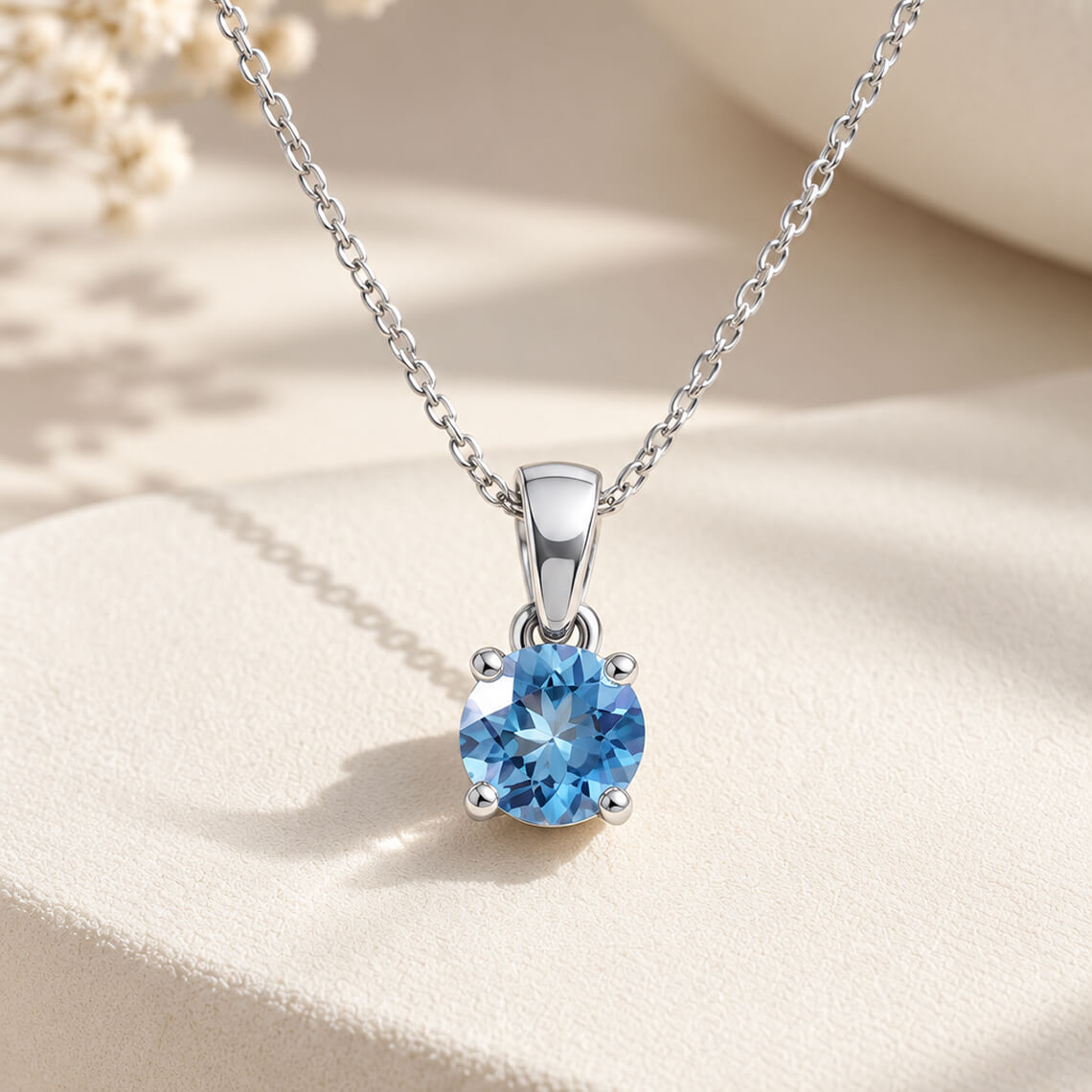
If you want a real blue diamond with real color, a natural one puts you up against the same scarcity that just sent a ring to a London auction house. Most people shopping for a blue diamond engagement ring or pendant can't compete with that math, and you shouldn't have to.
The same boron-doping process nature uses is what grows a lab-grown blue diamond, just under controlled conditions instead of forming by chance underground. The result is chemically and optically identical to a natural blue diamond, and it's graded by the same labs, GIA and IGI, using the same hue, tone, and saturation scale. The main difference is where it was made, and that keeps the price down.
Because lab-grown diamonds skip the scarcity premium, you can shop for a lab-grown blue diamond based on what you want to see on your finger. That might mean a deeper Fancy Vivid blue, a larger carat weight, or a specific shape you couldn't justify in a natural stone.
What to Look For When You Shop
Start with the certificate. Any fancy colored diamond, lab-grown or natural, should come with a grading report that states the color grade clearly, including the hue, the tone, and the saturation level. If a seller can't produce that report, walk away, no matter how good the stone looks online.
-
Color grade (Fancy Light through Fancy Vivid) is the single biggest driver of how the stone looks and what it's worth.
-
Carat weight: bigger reads more dramatic, but a smaller, richer blue often looks better than a larger, pale one
-
Cut: a well-cut blue diamond directs light so the color looks more even and saturated.
-
Clarity: less critical in colored stones, since the color draws the eye, you can often go a grade or two lower without seeing a difference
-
Certification: confirm it's from GIA or IGI, not an in-house report from the seller
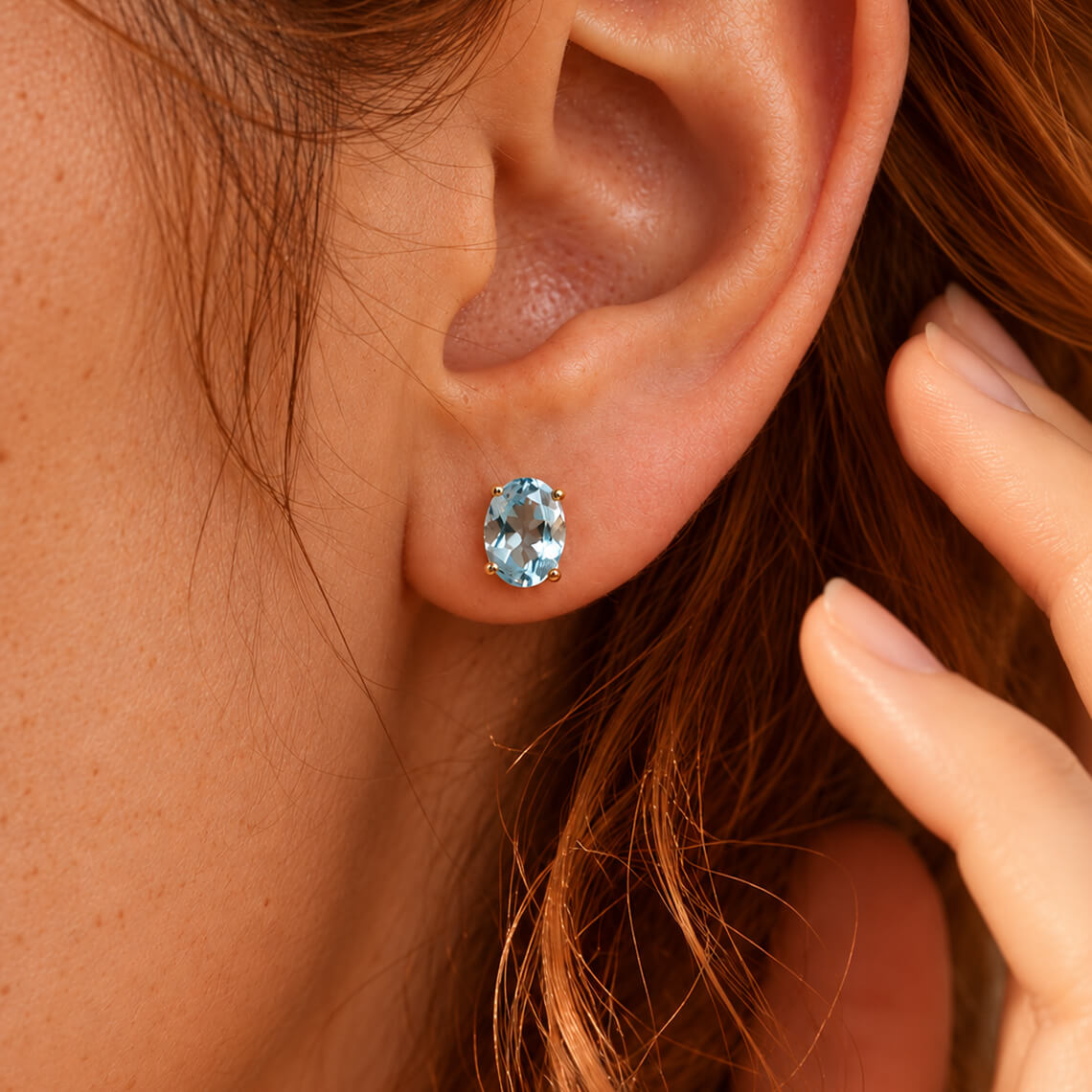
Setting matters too. White metal, platinum or white gold, makes blue color pop with contrast. Set in yellow gold, a blue diamond reads warmer and softer, depending on the rest of the jewelry you wear.
Budget Reality: Natural vs. Lab-Grown Blue
Natural fancy blue diamonds at auction-worthy size and saturation land in the same territory the London sale is chasing, pricing out most buyers before they even start looking. Comparable color and size in a blue lab-grown diamond costs a small fraction of that. The gap comes down to rarity. Boron-blue color in nature only turns up in a handful of diamonds ever found.
That price difference buys you flexibility. You can go bigger on carat weight, choose a richer color saturation, or put the savings toward the setting and metal instead of the stone alone.
Conclusion
An 8-carat blue diamond heading to auction is really a story about scarcity, and scarcity is what you no longer have to pay for. The same boron-blue color, graded by the same labs, comes in a lab-grown blue diamond at a fraction of the price natural stones command. If a saturated blue diamond is on your wish list, start by looking at lab-grown options.
FAQs
What makes a blue diamond so rare and expensive?
Is a lab-grown blue diamond a real diamond?
How much cheaper is a lab-grown blue diamond than a natural one?
Does clarity matter as much in a blue diamond as in a colorless one?
What metal setting works best with a blue diamond?