Unlock FREE lab diamond jewelry on purchases over $1,000.



The Tiny Diamonds Your Ring Depends On
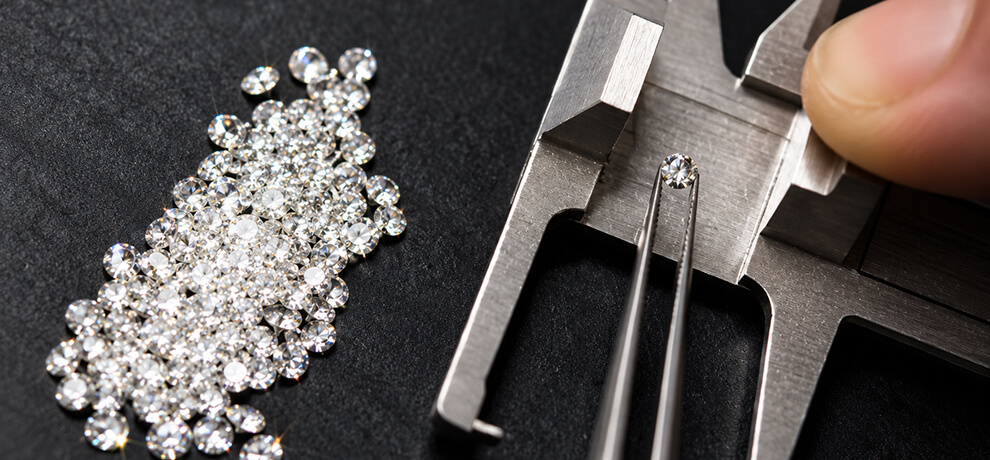
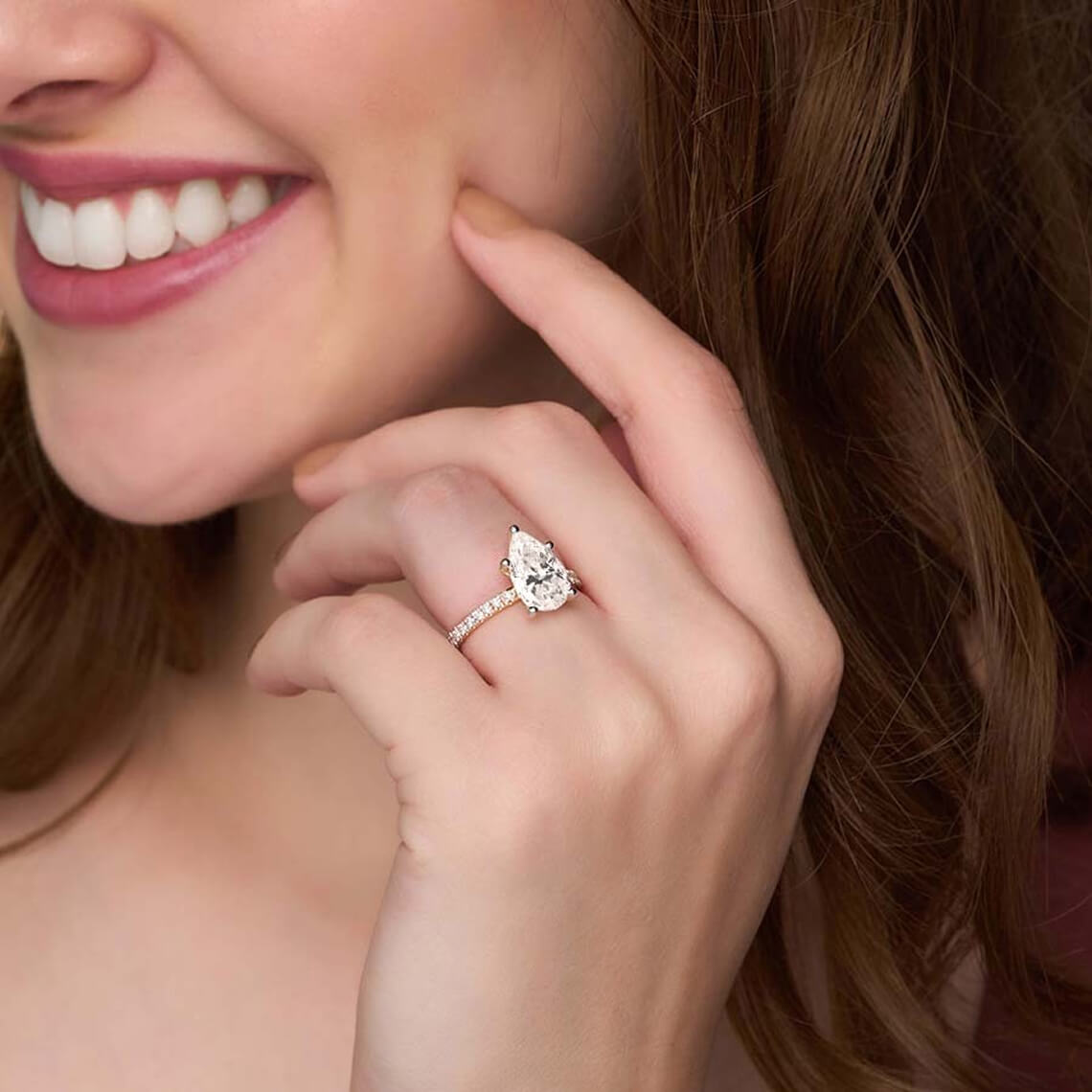
Melee are the small diamonds that frame your center stone in a halo, pave band, or eternity ring, and their combined quality can matter as much as the main diamond's grade.
Prices for melee climbed faster than prices for larger center stones in September, according to Rapaport. Most buying guides skip past those small stones entirely. If you're shopping for a ring with round diamonds, lab-grown, in any halo, pave, or accent detail, this is a good time to understand what you're paying for in them.
Table of Content
- What Melee Diamonds Are
- Why Melee Quality Is Easy To Overlook
- What The Price Trend Means For Your Budget
- What To Ask Before You Buy
- Matching Melee To Your Center Stone
- Conclusion
What Melee Diamonds Are
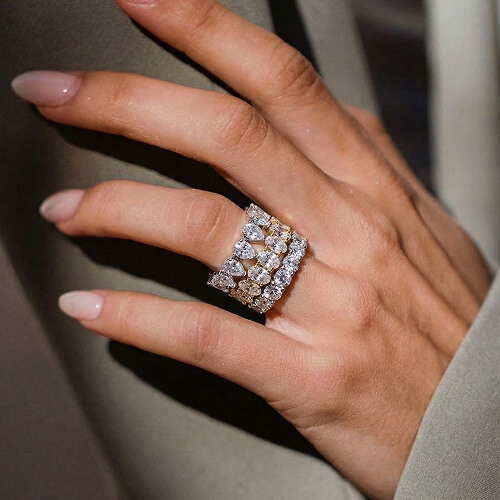
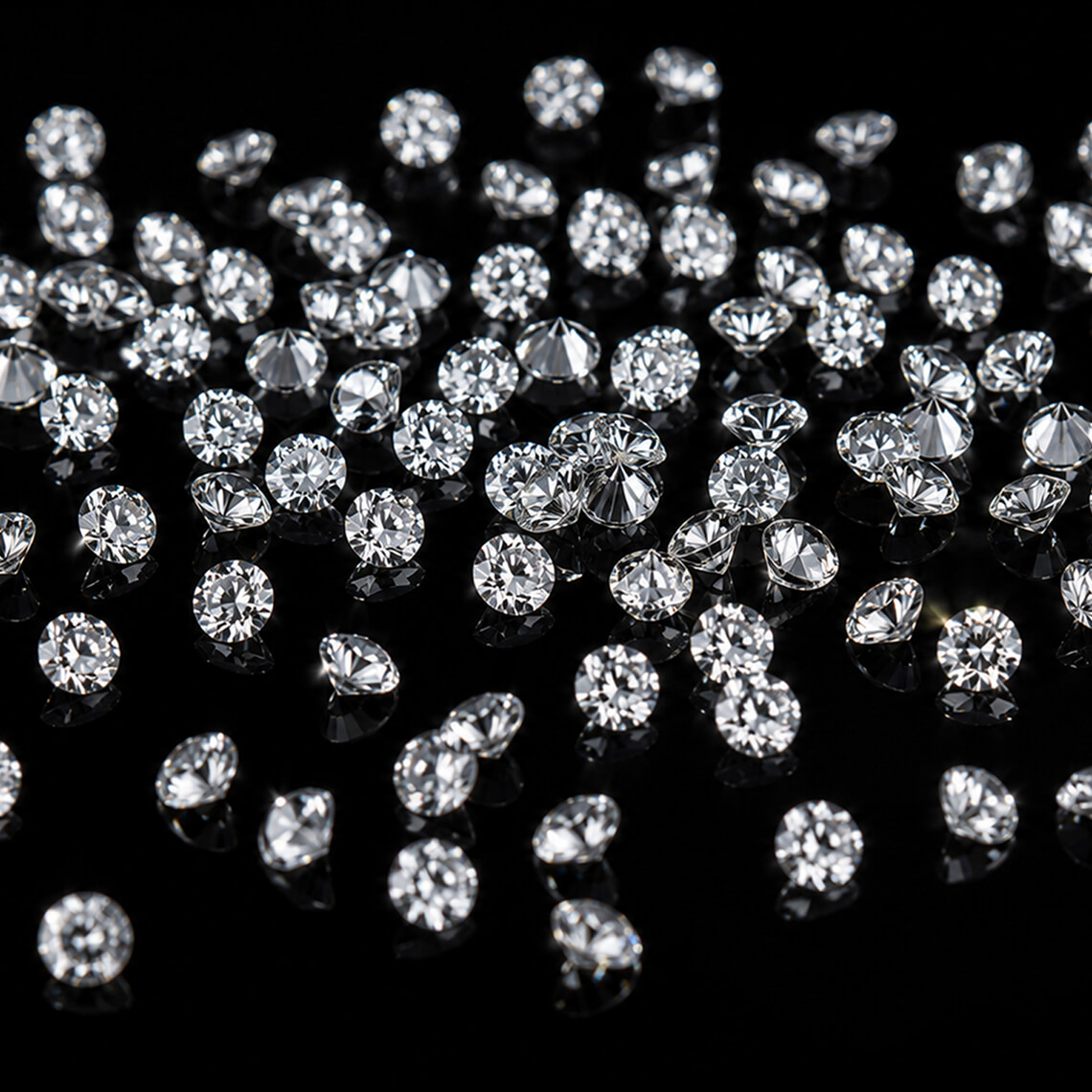
Melee is the trade term for small diamonds, generally under 0.18 carats each, used to accent a piece of jewelry rather than anchor it. They line your band in a pavé setting, circle your center stone in a halo, or run the full way around an eternity ring. One melee stone is tiny on its own, but 40 or 60 of them on one ring can add up to a meaningful share of the piece's total diamond weight and cost.
Round diamonds, lab-grown, are the most common choice for melee work. Round brilliant cuts throw off maximum sparkle from a small amount of material, which is exactly what a stone in a supporting role needs. Light catches a ring set with round lab-grown melee from multiple angles instead of leaning on one big stone to carry the whole look.
Why Melee Quality Is Easy To Overlook
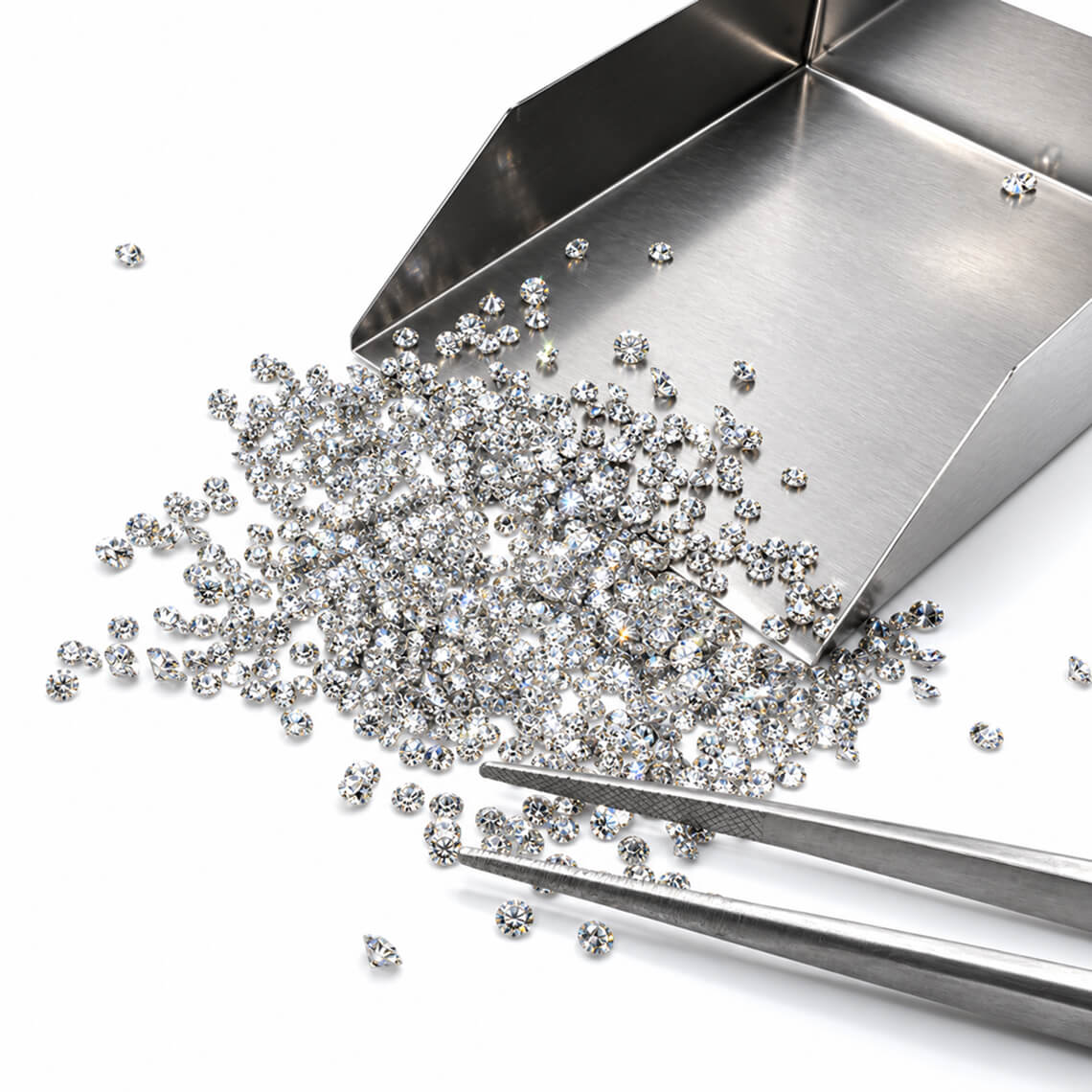
Most buyers spend their attention on the center stone. It's the part of the ring you'll look at first, and it's usually graded and certified on its own report. These small stones almost never come with individual certificates. Jewelers instead source them in matched lots by color and clarity, a batch chosen to look consistent next to each other rather than graded one by one.
A poorly matched lot can put stones with visibly different tints side by side on the same band. One stone might look icy white next to a slightly yellow one. Under a jeweler's loupe, this is obvious. In daylight on your hand, it still shows, just less dramatically.
Clarity matters less than you'd think here. These small stones are too tiny for most inclusions to be visible to the naked eye regardless of grade, so you don't need to chase the clarity grade you'd want in a one-carat center stone. Color consistency across the lot is the bigger factor in how the ring looks on your hand.
What The Price Trend Means For Your Budget
Small diamond prices moving up doesn't mean you need to rush a purchase. It does mean a halo or pave-heavy design, with a lot of melee weight, is a place where cost can add up faster than it used to. If you're comparing two rings with similar center stones but different amounts of accent stones, that difference now shows up more in the final price.
Lab-grown diamonds, round or otherwise, are typically priced well below their mined counterparts for the same look. Staying accessible even in a halo or eternity design, lab-grown stones won't strain a budget the way mined ones would. Choosing lab-grown melee over mined frees up money to add more accent stones or to put toward a larger or higher-grade center diamond.
What To Ask Before You Buy
A few direct questions will tell you more about a ring's melee quality than the total stone count ever will.
- Ask whether the melee stones are lab-grown or mined, since the two should never be mixed on a certified lab-grown ring without disclosure
- Ask what color and clarity range the melee lot falls into, even without individual certificates
- Ask to see the ring in daylight, not just under jewelry store lighting, to check for consistency across the stones
- Ask whether the setting uses prongs or pave, since pave settings show off more of each small stone's surface
Jewelers who answer these clearly and without hesitation control their own melee sourcing instead of buying whatever lot is cheapest that week.
Matching Melee To Your Center Stone
Your melee diamonds should sit at or near the color grade of your center stone, not several grades below it. Surround a near-colorless center stone with melee that has a visible yellow tint, and the whole ring will look less white than either stone would on its own. Lower-grade melee is cheaper, so this is a common corner to cut in budget rings, but it works against the entire point of a halo or pave setting: making the center stone look bigger and brighter.
At Friendly Diamonds, every diamond, center stone or melee, is IGI or GIA certified where individually graded, and sourced as lab-grown throughout, so you're not mixing origins without knowing it. Every order includes a diamond certificate for the center stone, and you can ask your consultant directly about the sourcing and grading of any accent stones on a custom piece.
Conclusion
Most buying guides skip past these small diamonds, but they shape how your ring looks on your hand every day. Small diamond prices have been climbing, and how those stones are sourced and matched affects whether the ring reads consistently bright or slightly mismatched. Ask the right questions, compare lab-grown options against mined for the same design, and you'll end up with a ring of round diamonds, lab-grown, where every stone earns its place.
FAQs
What carat weight counts as a melee diamond?
Do melee diamonds come with their own certificate?
Are lab-grown melee diamonds as good as mined melee?