 Flat 50% OFF sitewide!
NOW & ON BLACK FRIDAY!
UNLOCK FREE LAB DIAMOND JEWELRY ON PURCHASES OVER $1000 


- Home
- Loose Diamonds
- Emerald Cut Diamond
Emerald Cut Diamonds
(45,433)
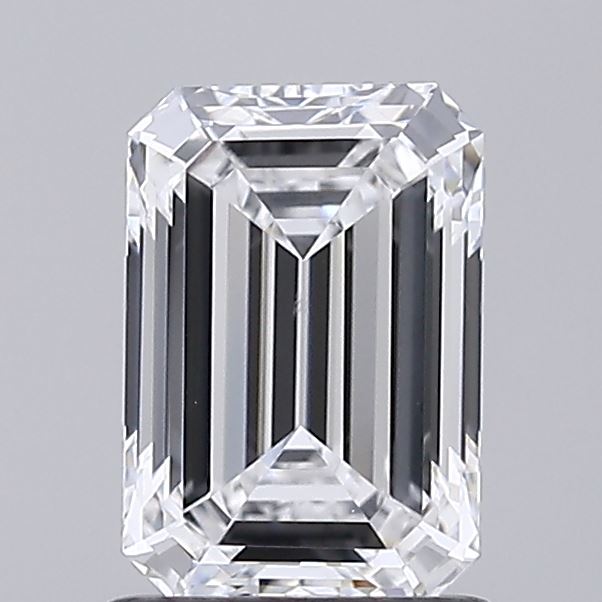
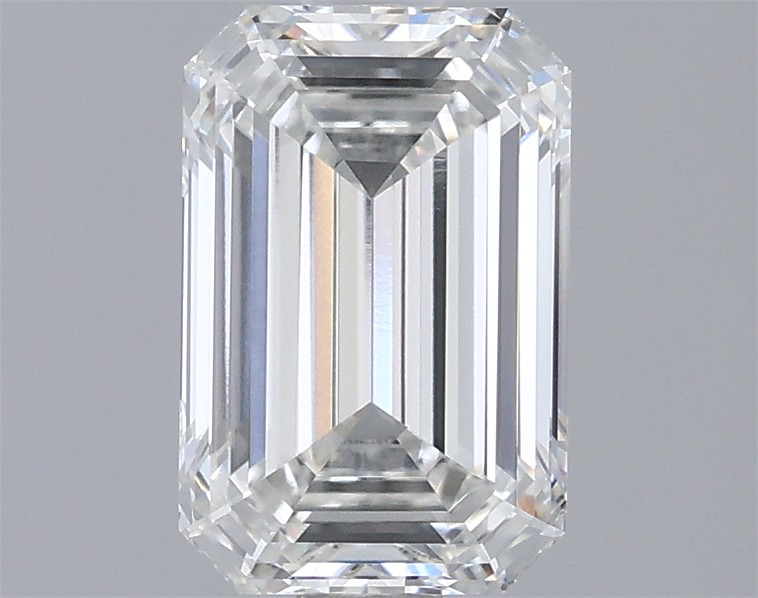
Emerald cut lab diamonds have linear facets shaped like a rectangle with chiseled step cuts, giving the diamond a larger frontal surface. This diamond shape encapsulates grace and vigor and is a distinguishable type, perfect for women who dare to be different. Other than rectangle, you can also get the emerald cut in a square shape which is an ideal match for engagement rings or for ones willing to go for sophisticated and classy styles.
;%20}%20}%20%3c/style%3e%3cpath%20class='spinner_6kVp'%20d='M88%2075C88%2072.4288%2087.2376%2069.9154%2085.8091%2067.7776C84.3806%2065.6397%2082.3503%2063.9735%2079.9749%2062.9896C77.5994%2062.0056%2074.9856%2061.7482%2072.4638%2062.2498C69.9421%2062.7514%2067.6257%2063.9895%2065.8076%2065.8076C63.9895%2067.6257%2062.7514%2069.9421%2062.2498%2072.4638C61.7482%2074.9856%2062.0056%2077.5994%2062.9896%2079.9749C63.9735%2082.3503%2065.6397%2084.3806%2067.7776%2085.8091C69.9154%2087.2376%2072.4288%2088%2075%2088'%20stroke='%23668B84'%20stroke-width='3'/%3e%3c/svg%3e)
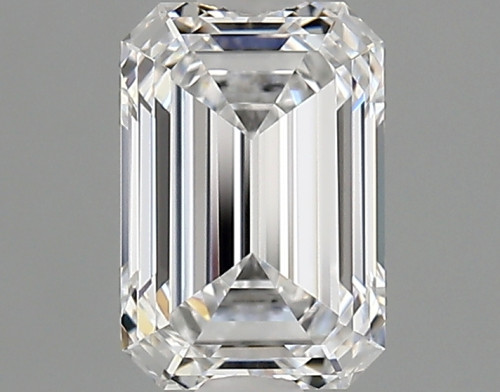
1.31 carat emerald diamond
$442 $884
FLAT 50% OFF
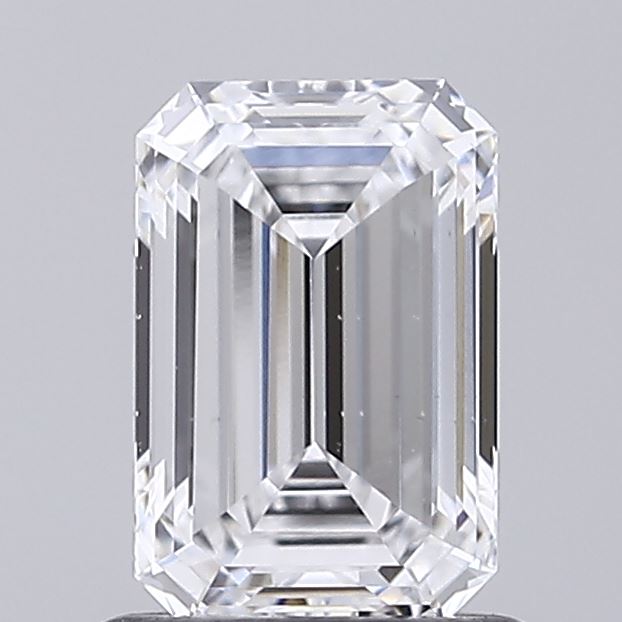
1.01 carat emerald diamond
$449 $898
FLAT 50% OFF
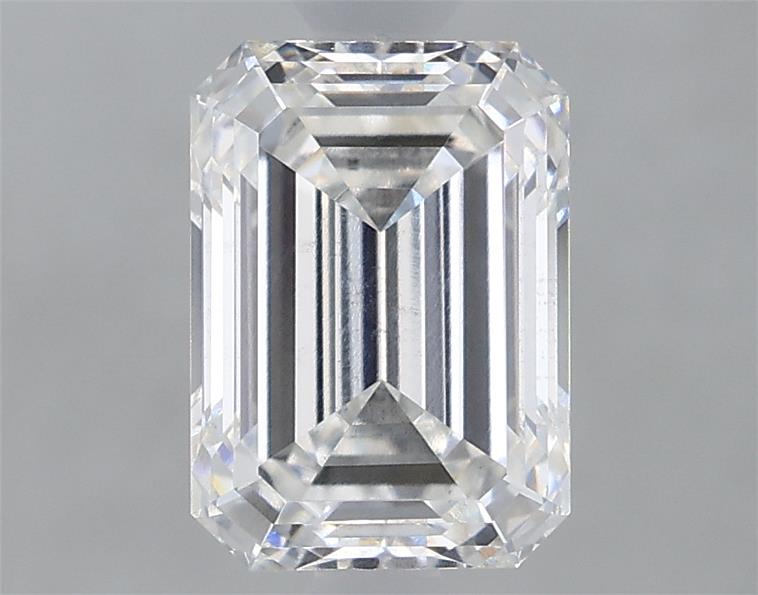
1.31 carat emerald diamond
$517 $1,034
FLAT 50% OFF
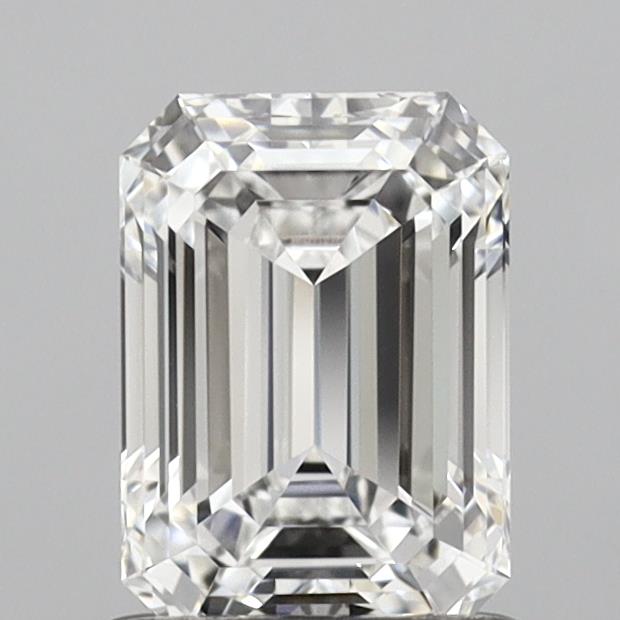
1.09 carat emerald diamond
$522 $1,044
FLAT 50% OFF
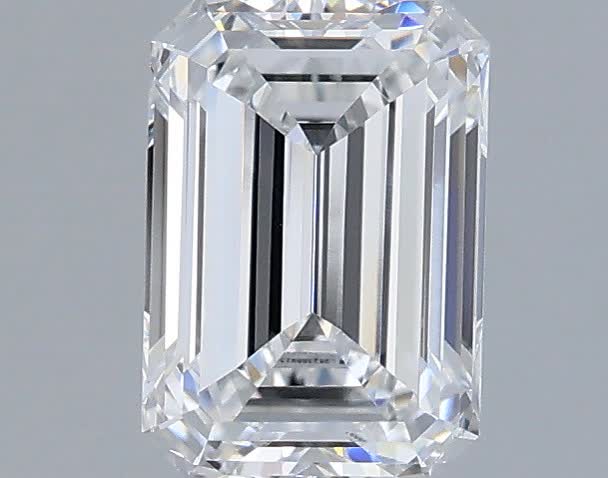
1.17 carat emerald diamond
$523 $1,046
FLAT 50% OFF
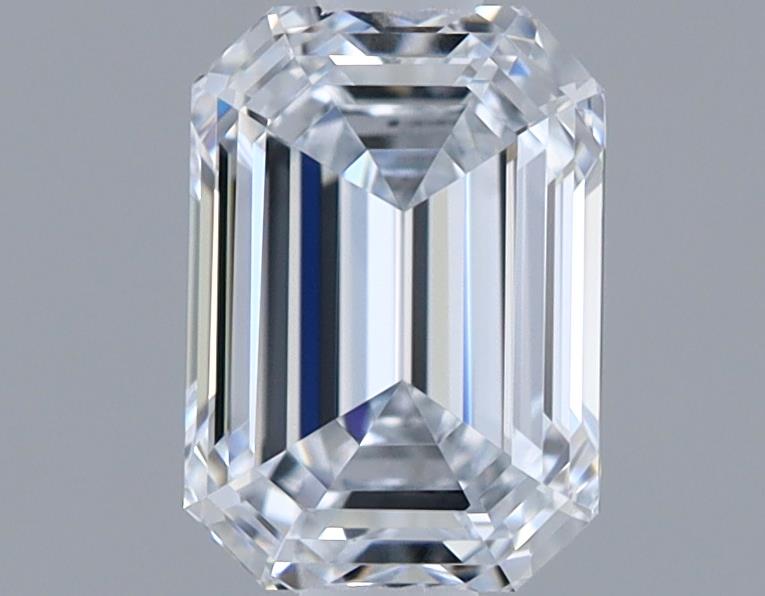
1.01 carat emerald diamond
$526 $1,052
FLAT 50% OFF
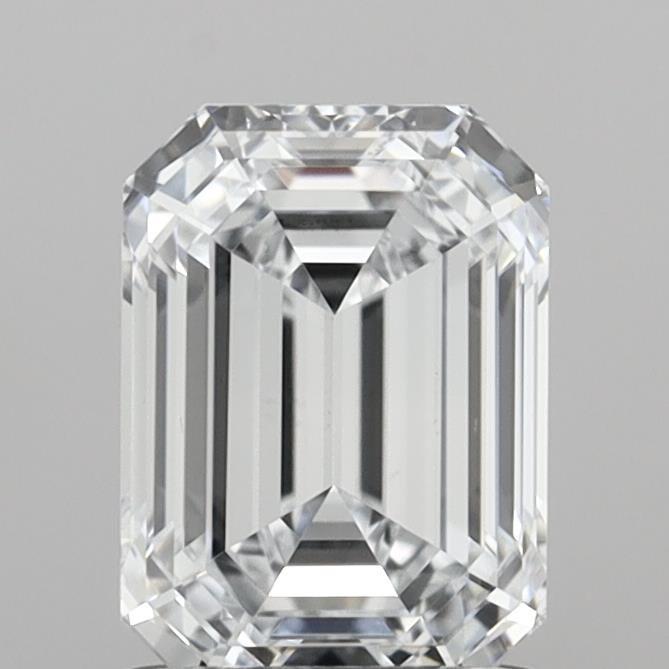
1.12 carat emerald diamond
$541 $1,082
FLAT 50% OFF
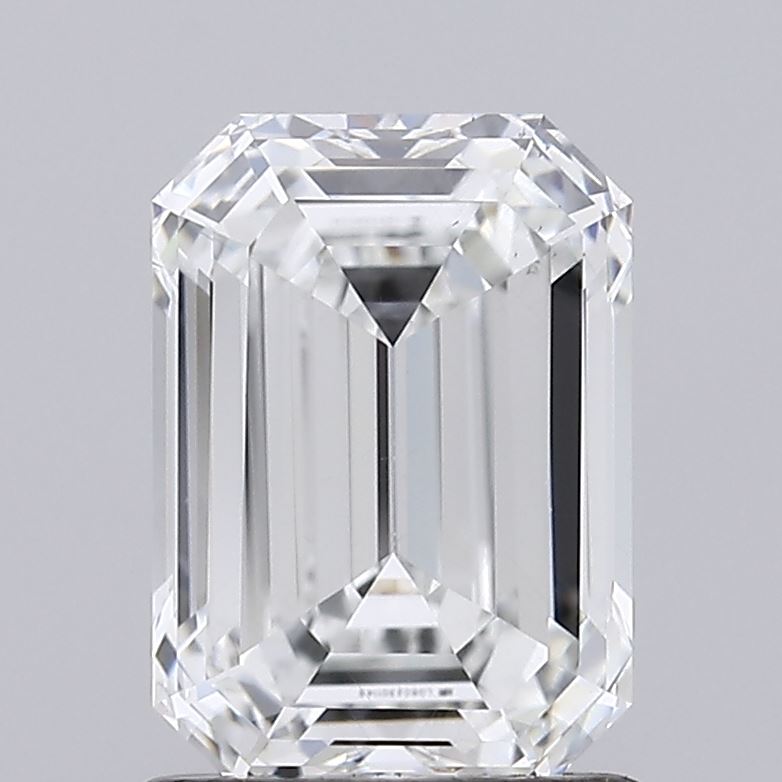
1.41 carat emerald diamond
$542 $1,084
FLAT 50% OFF
1.19 carat emerald diamond
$551 $1,102
FLAT 50% OFF
1.47 carat emerald diamond
$596 $1,192
FLAT 50% OFF
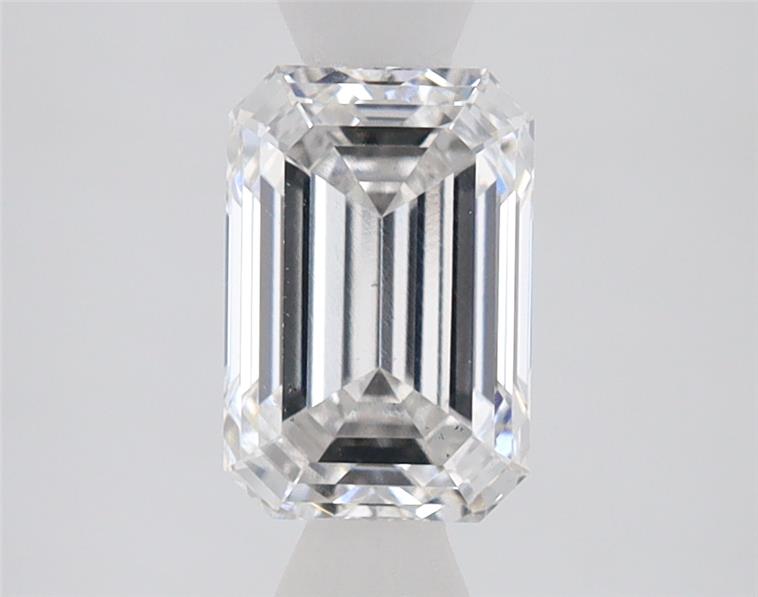
1.5 carat emerald diamond
$600 $1,200
FLAT 50% OFF
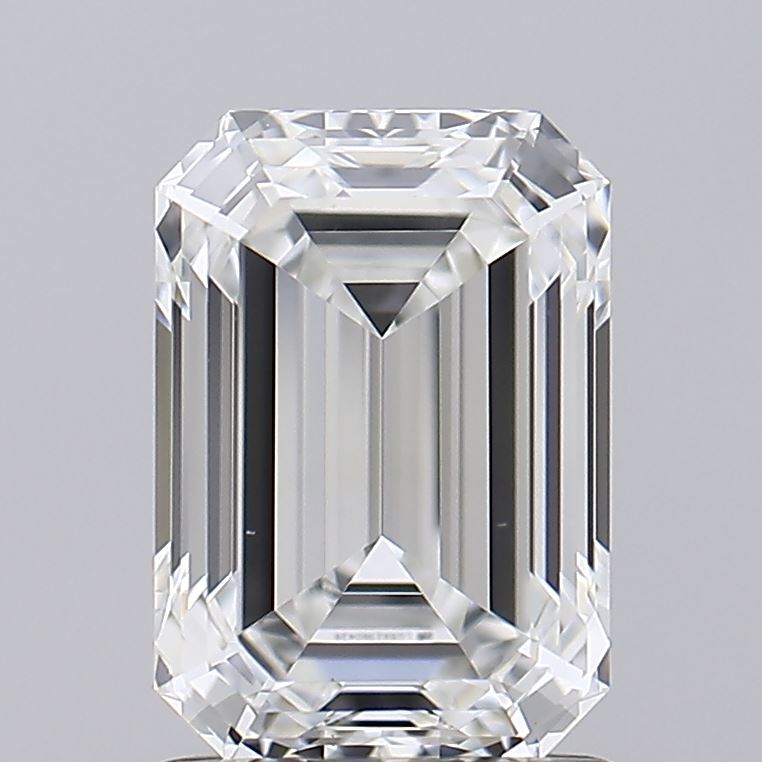
1.42 carat emerald diamond
$605 $1,210
FLAT 50% OFF
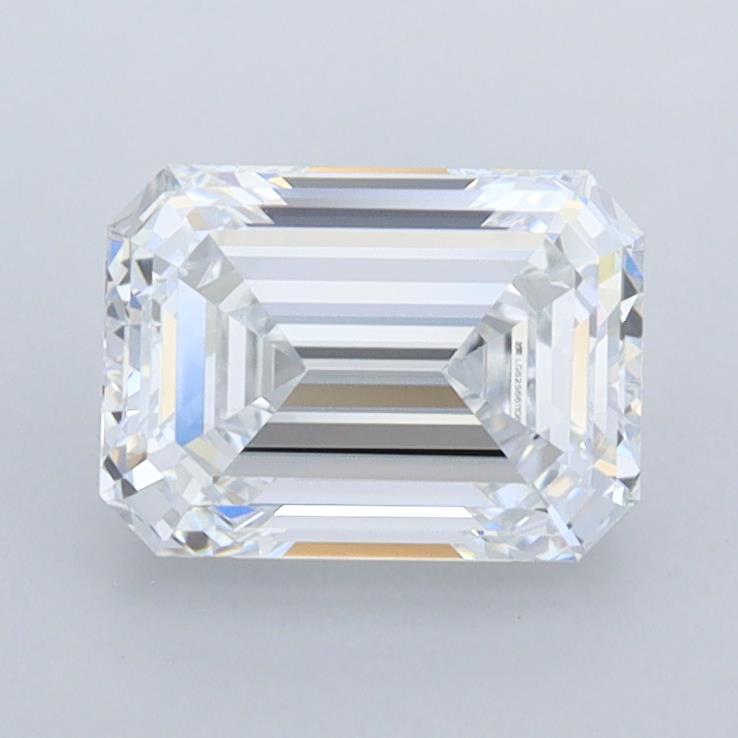
1.43 carat emerald diamond
$617 $1,234
FLAT 50% OFF
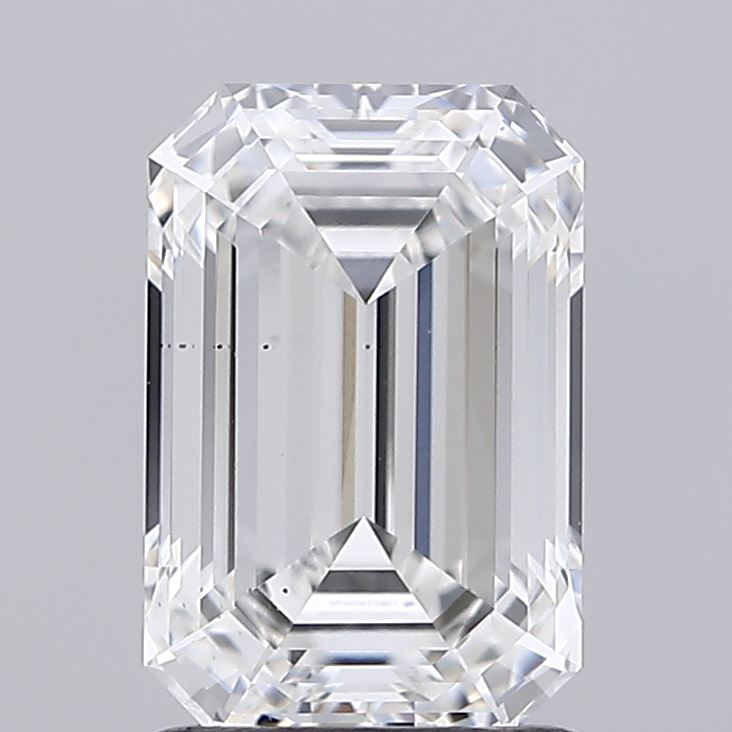
1.64 carat emerald diamond
$621 $1,242
FLAT 50% OFF
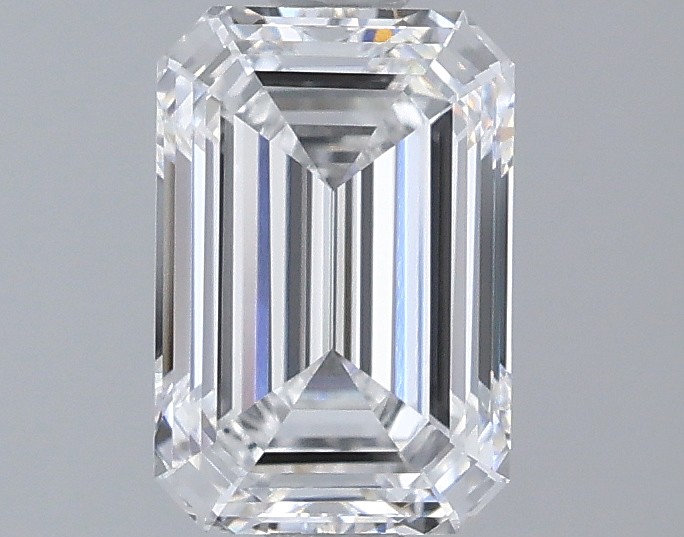
1.49 carat emerald diamond
$627 $1,254
FLAT 50% OFF
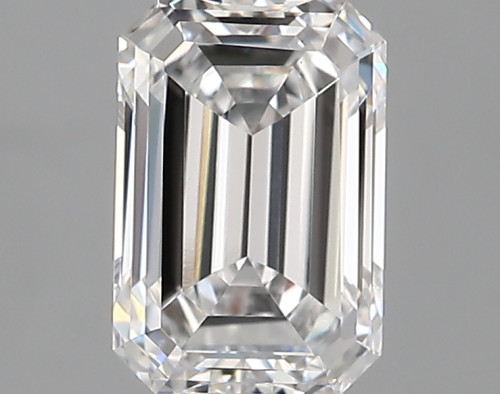
1.79 carat emerald diamond
$627 $1,254
FLAT 50% OFF
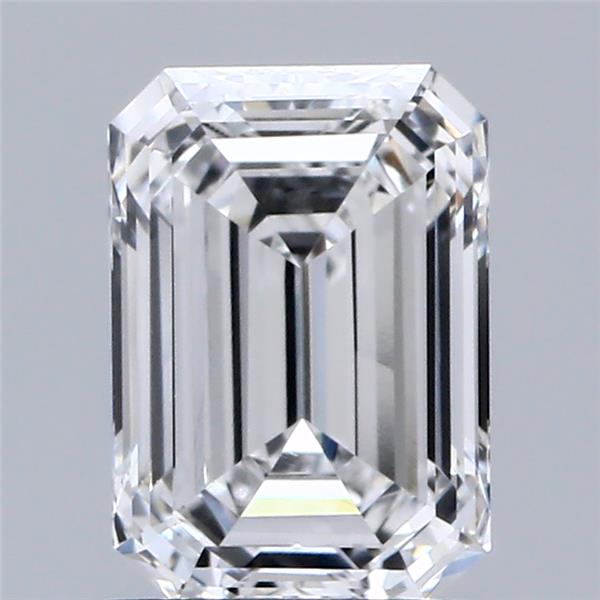
1.44 carat emerald diamond
$637 $1,274
FLAT 50% OFF
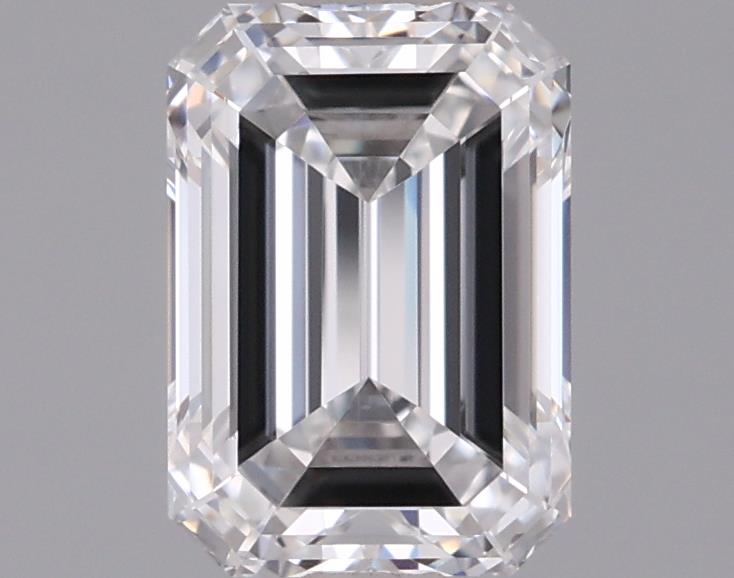
1.48 carat emerald diamond
$647 $1,294
FLAT 50% OFF
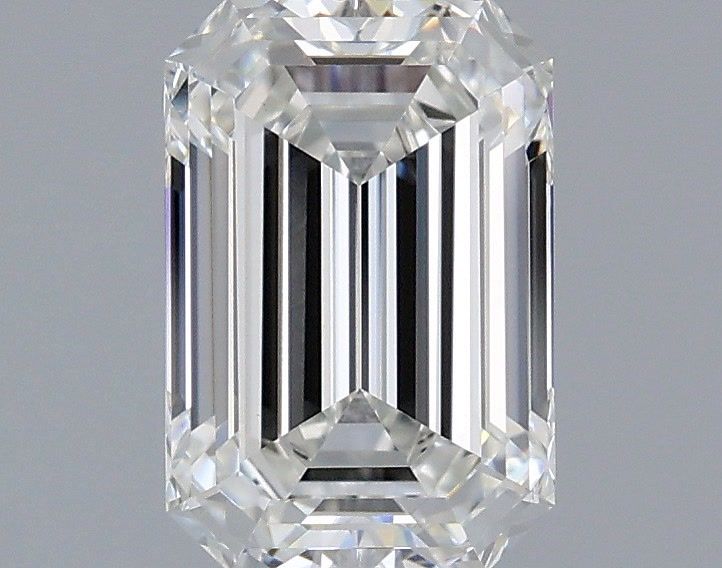
1.56 carat emerald diamond
$649 $1,298
FLAT 50% OFF
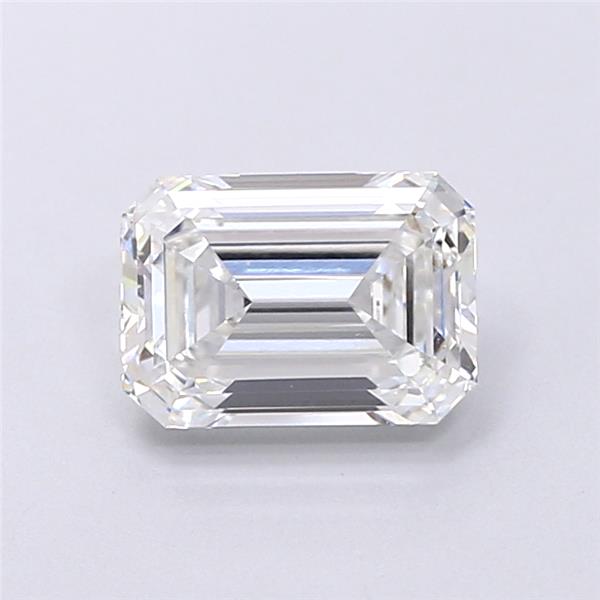
1.62 carat emerald diamond
$657 $1,314
FLAT 50% OFF
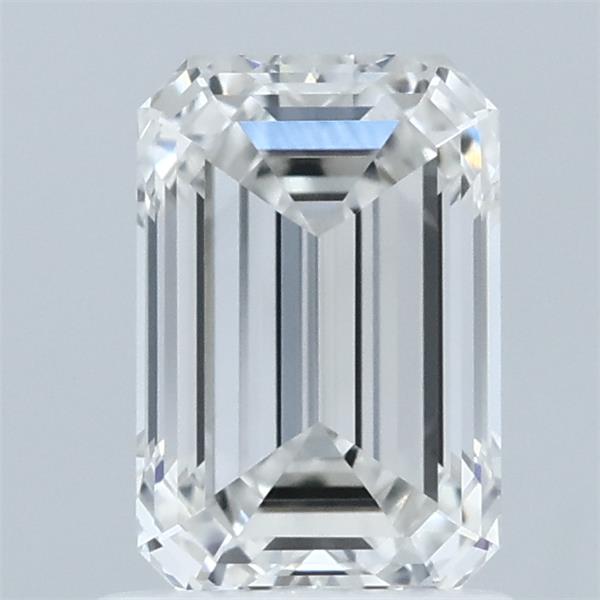
1.39 carat emerald diamond
$666 $1,332
FLAT 50% OFF
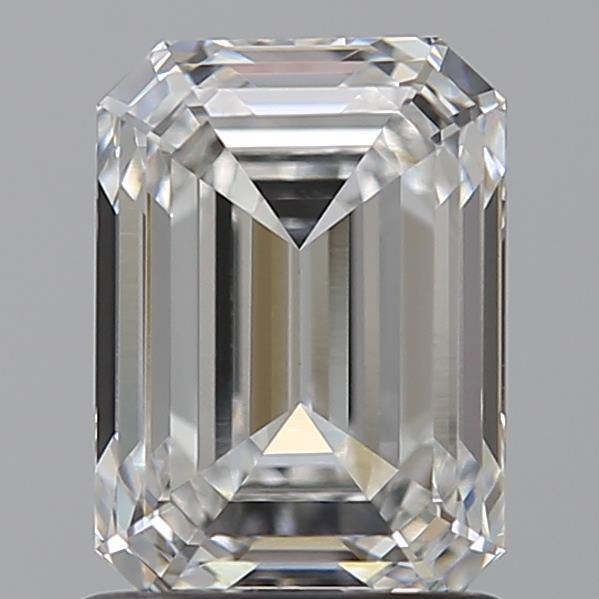
1.54 carat emerald diamond
$681 $1,362
FLAT 50% OFF

1.68 carat emerald diamond
$699 $1,398
FLAT 50% OFF

1.66 carat emerald diamond
$699 $1,398
FLAT 50% OFF

1.55 carat emerald diamond
$702 $1,404
FLAT 50% OFF
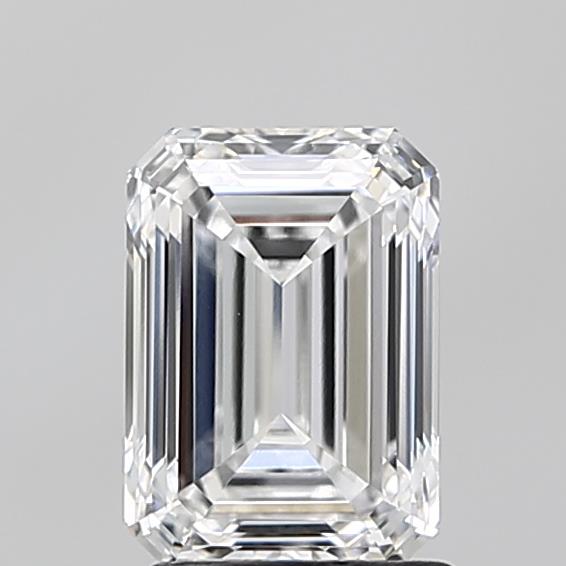
1.68 carat emerald diamond
$707 $1,414
FLAT 50% OFF
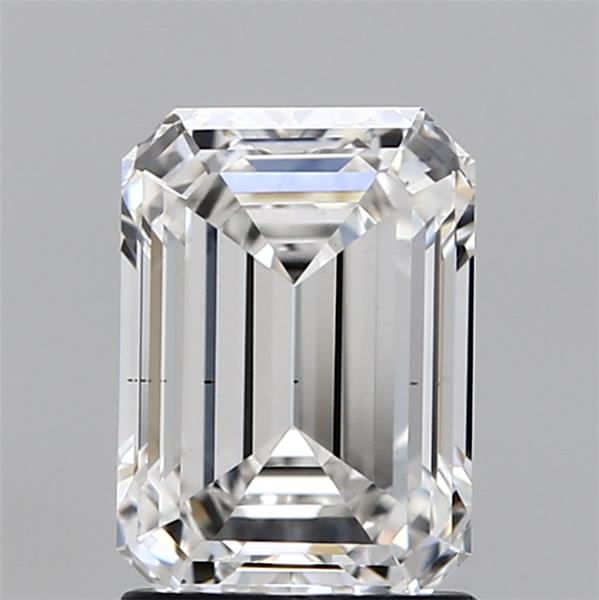
1.9 carat emerald diamond
$720 $1,440
FLAT 50% OFF
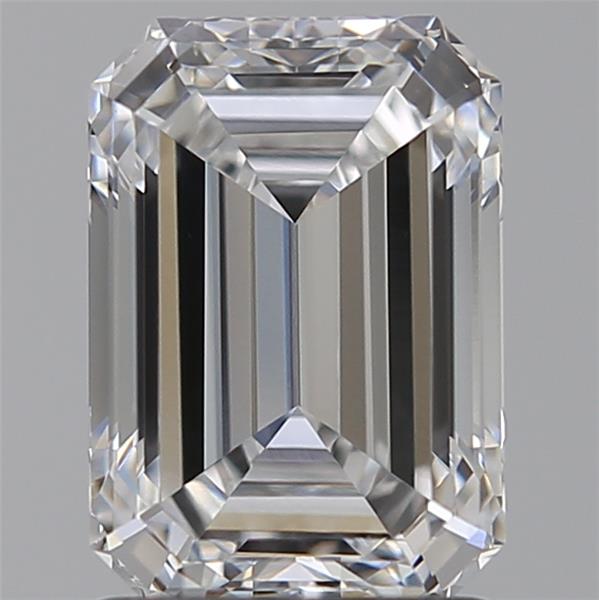
1.68 carat emerald diamond
$748 $1,496
FLAT 50% OFF
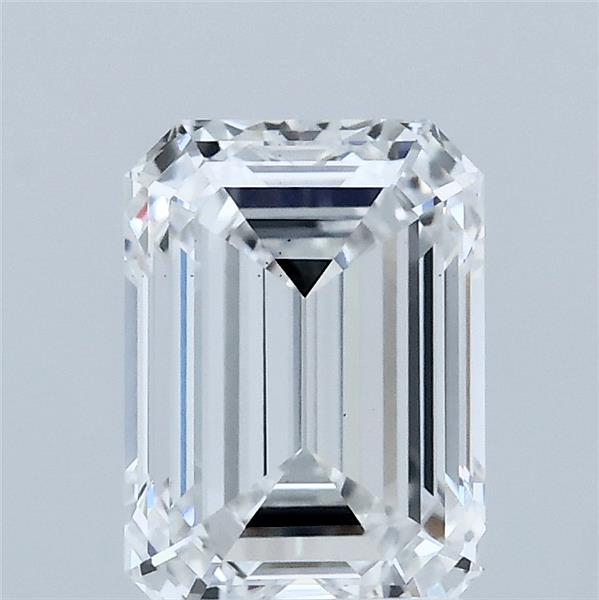
1.87 carat emerald diamond
$748 $1,496
FLAT 50% OFF
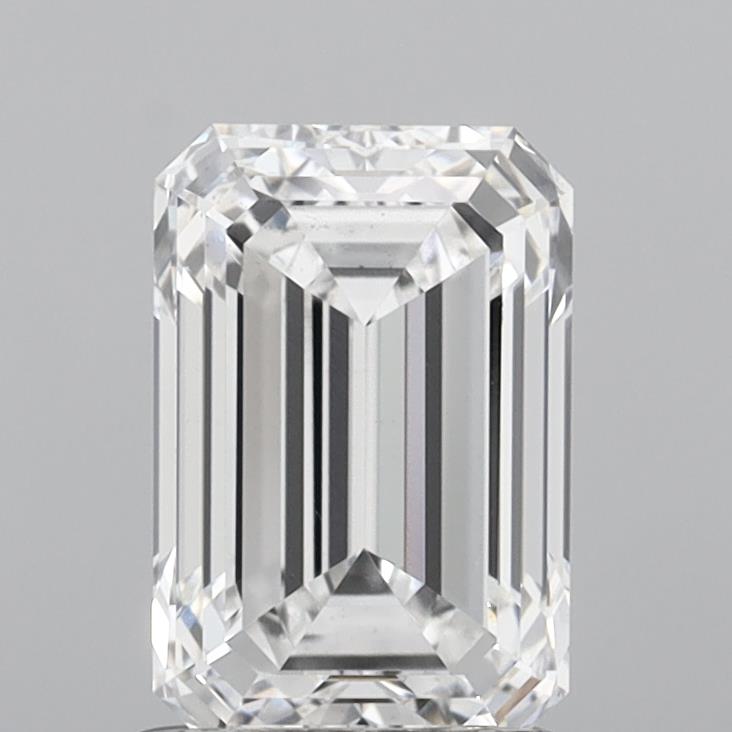
1.9 carat emerald diamond
$751 $1,502
FLAT 50% OFF
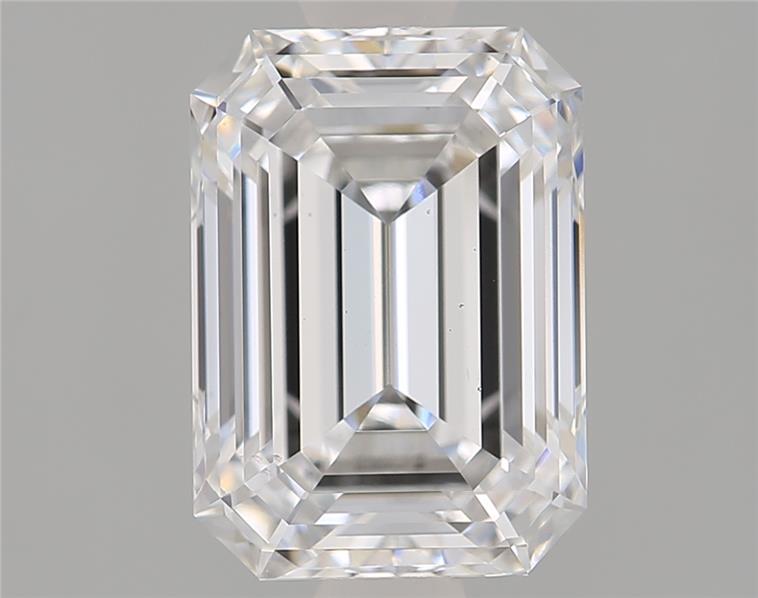
1.94 carat emerald diamond
$757 $1,514
FLAT 50% OFF
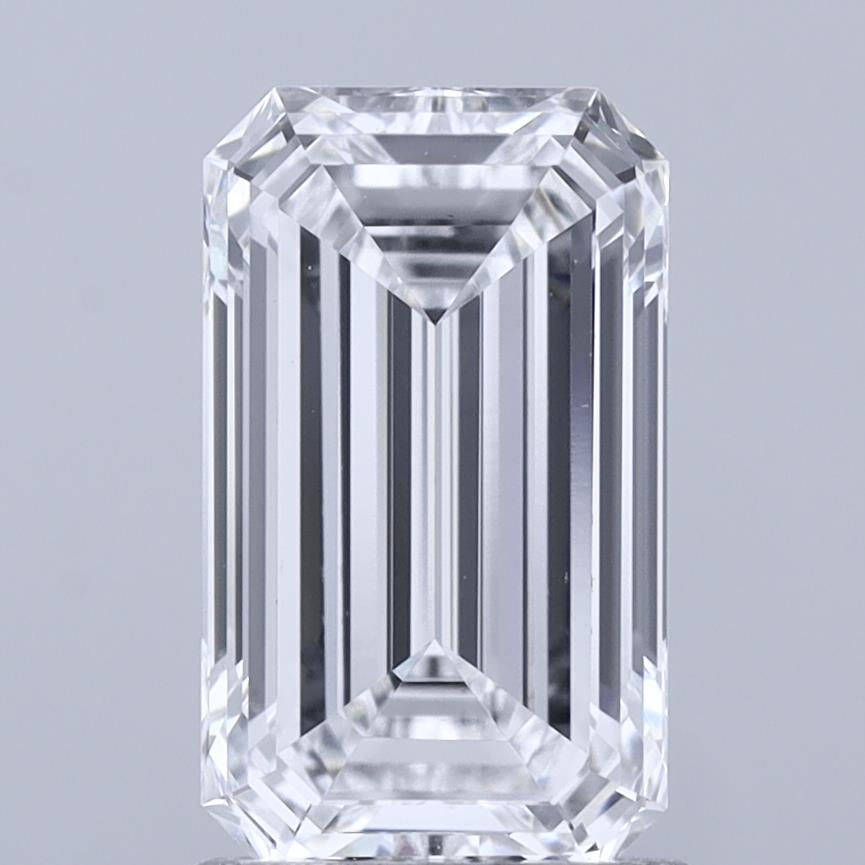
1.81 carat emerald diamond
$760 $1,520
FLAT 50% OFF

1.47 carat emerald diamond
$764 $1,528
FLAT 50% OFF
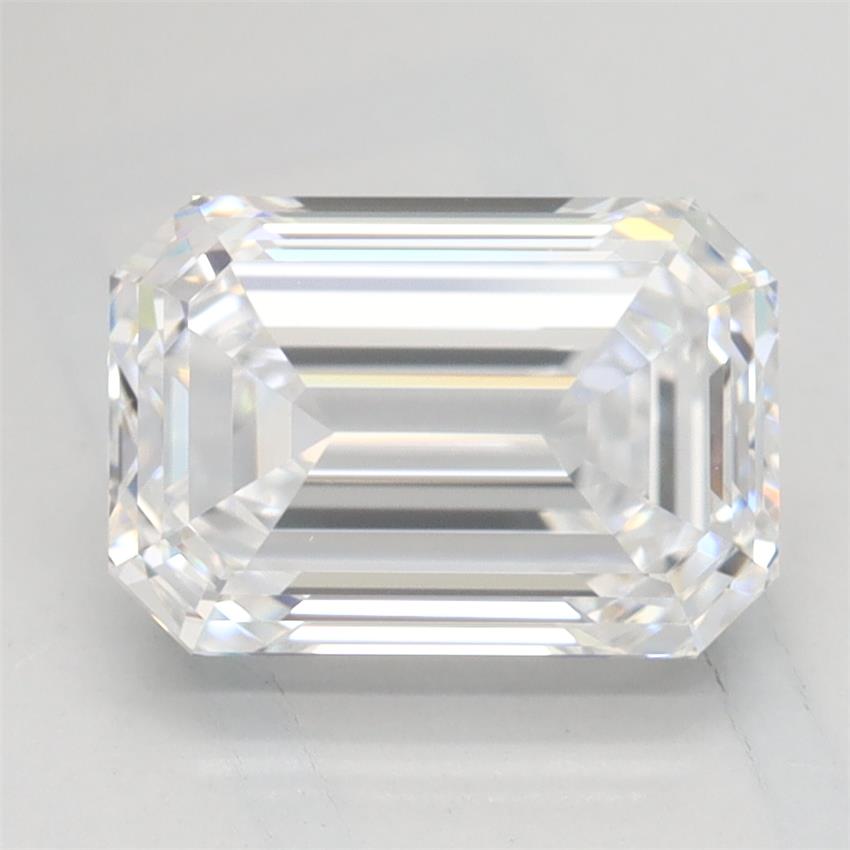
1.75 carat emerald diamond
$770 $1,540
FLAT 50% OFF
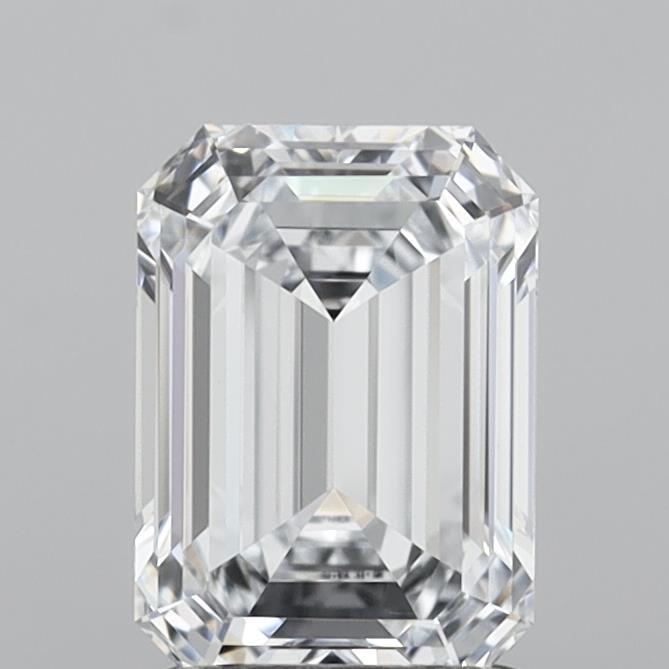
1.63 carat emerald diamond
$772 $1,544
FLAT 50% OFF
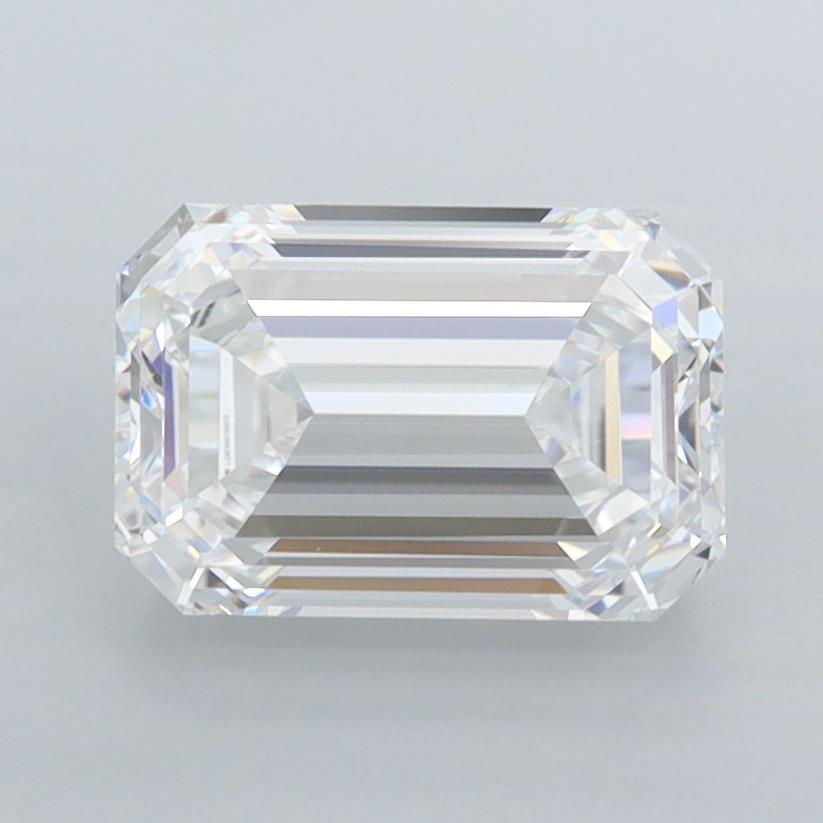
1.82 carat emerald diamond
$774 $1,548
FLAT 50% OFF
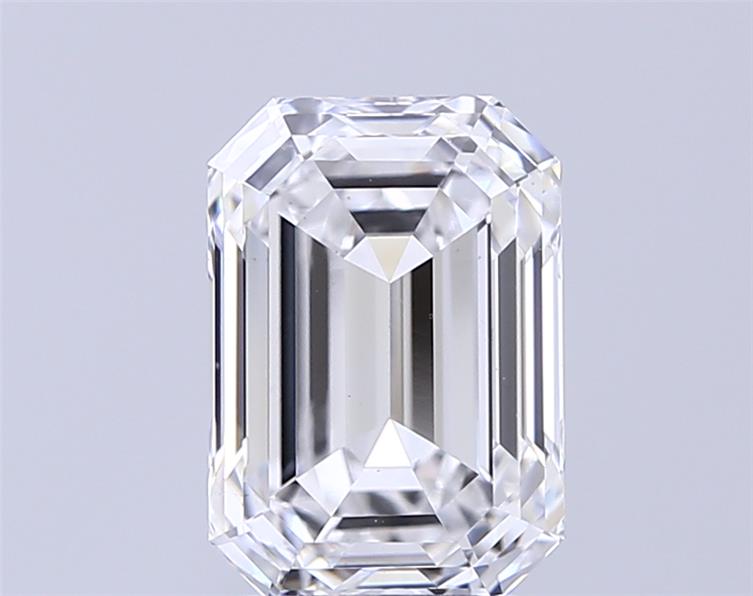
1.95 carat emerald diamond
$780 $1,560
FLAT 50% OFF
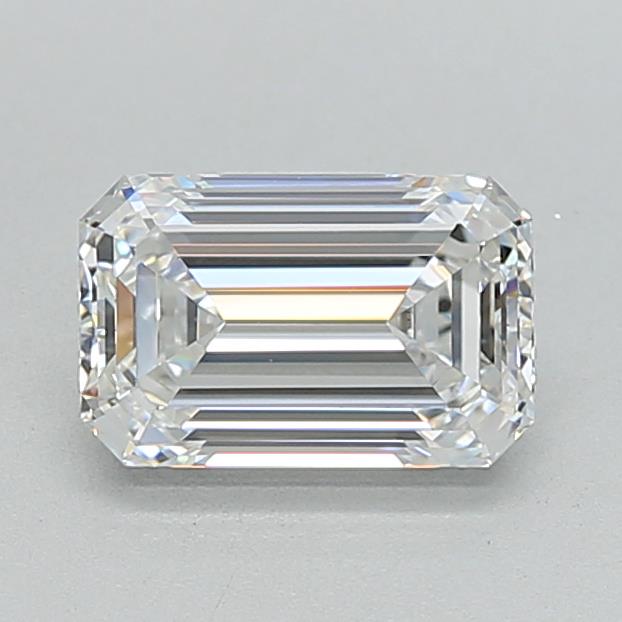
1.6 carat emerald diamond
$792 $1,584
FLAT 50% OFF
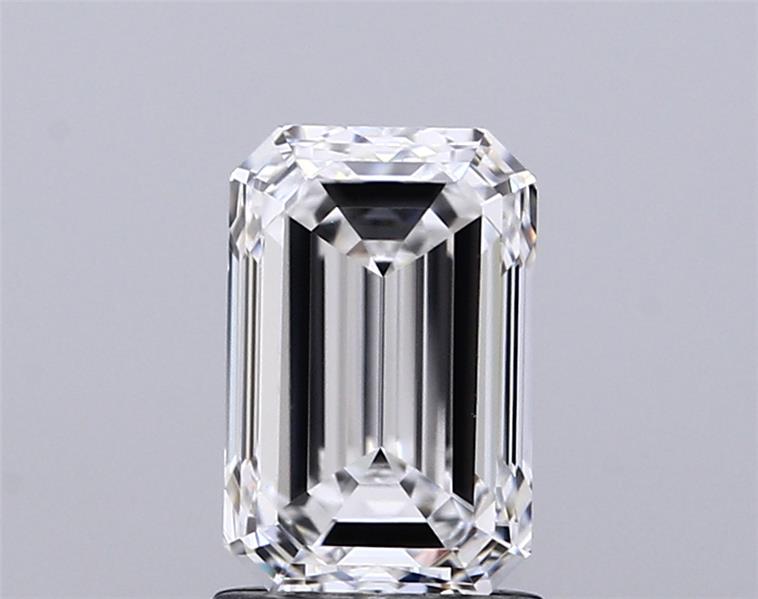
1.86 carat emerald diamond
$800 $1,600
FLAT 50% OFF
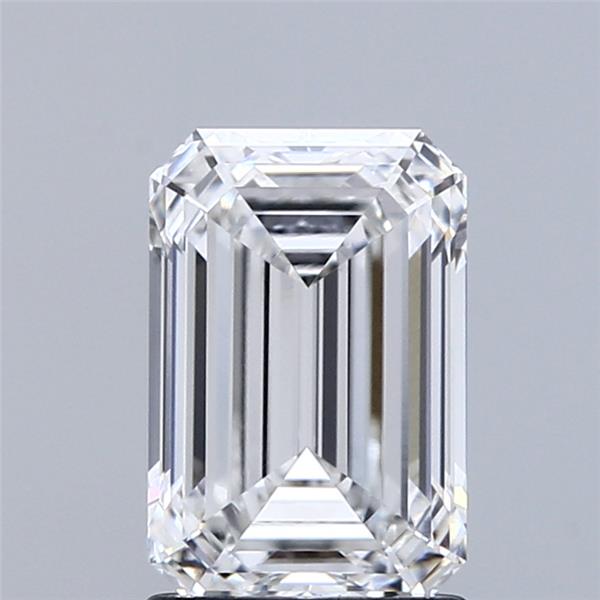
1.94 carat emerald diamond
$815 $1,630
FLAT 50% OFF
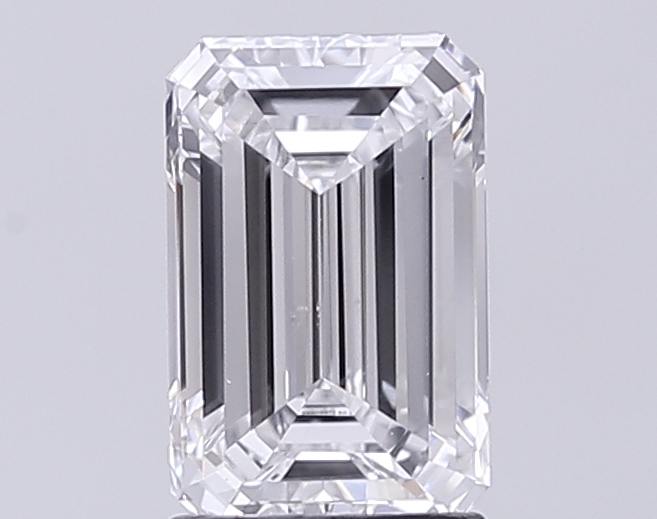
2.01 carat emerald diamond
$834 $1,668
FLAT 50% OFF
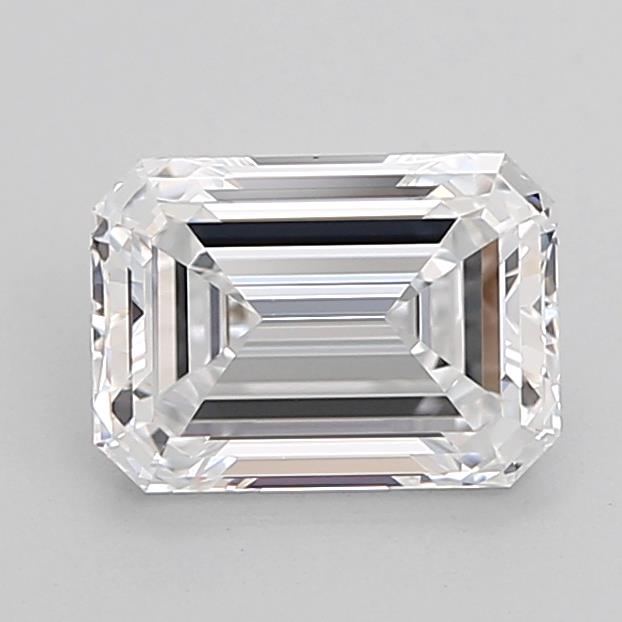
1.56 carat emerald diamond
$850 $1,700
FLAT 50% OFF
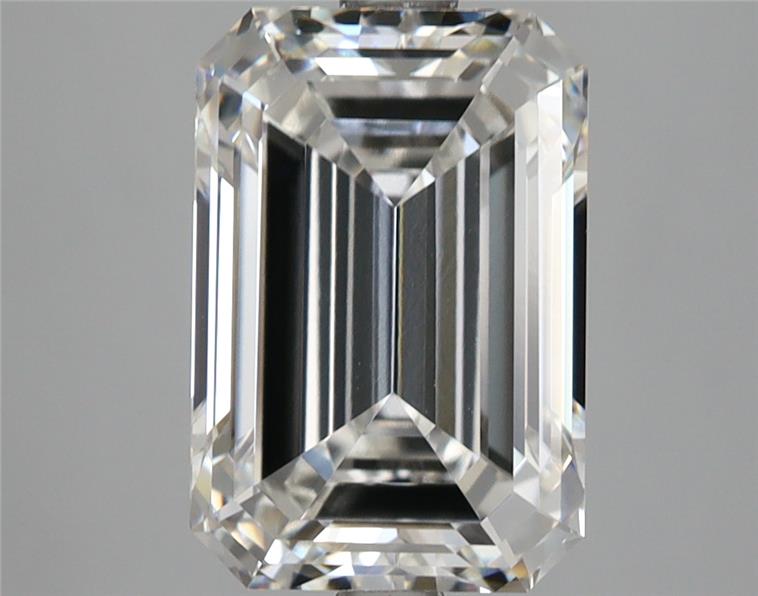
1.89 carat emerald diamond
$851 $1,702
FLAT 50% OFF
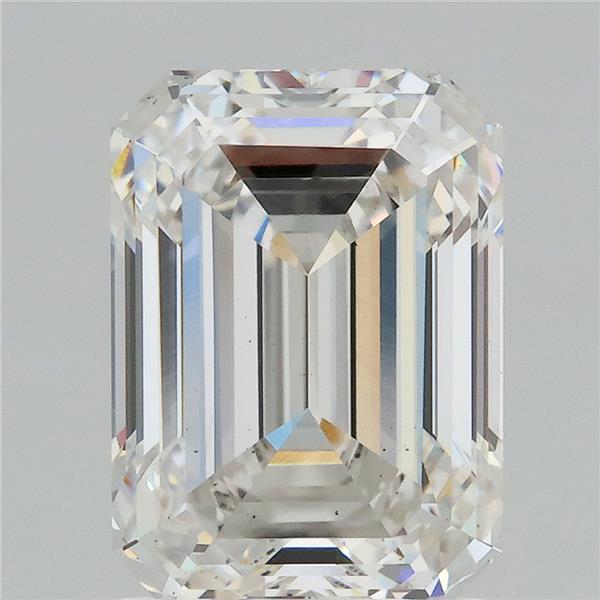
2.04 carat emerald diamond
$867 $1,734
FLAT 50% OFF
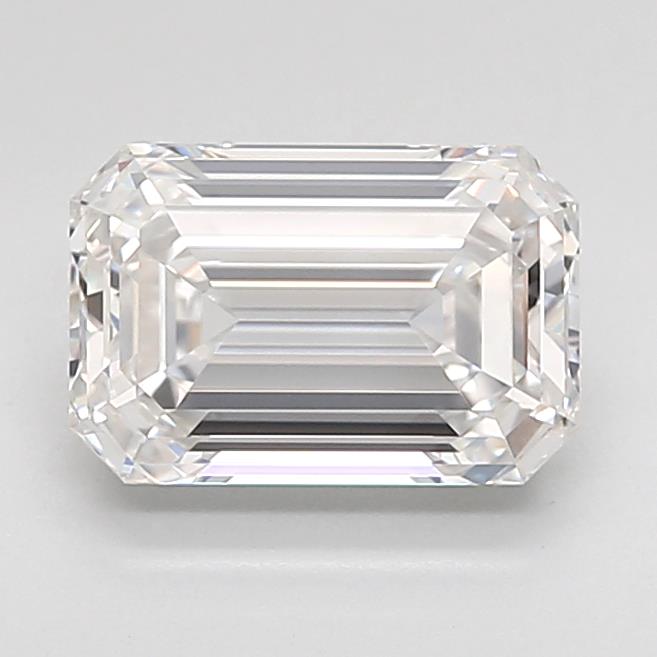
1.82 carat emerald diamond
$874 $1,748
FLAT 50% OFF
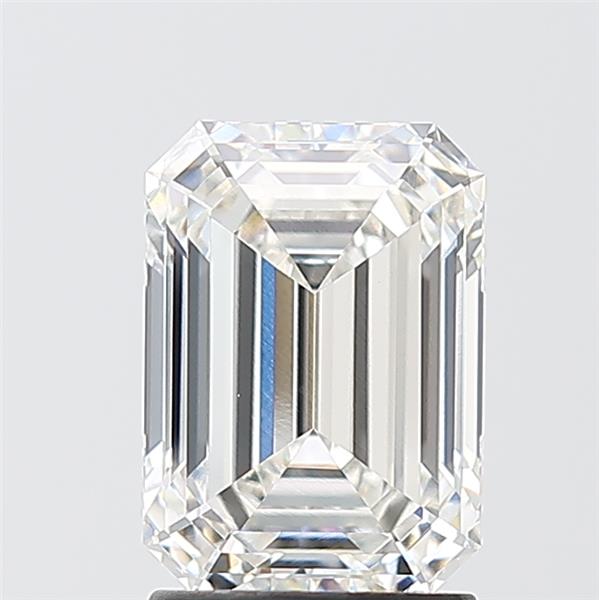
2.11 carat emerald diamond
$897 $1,794
FLAT 50% OFF
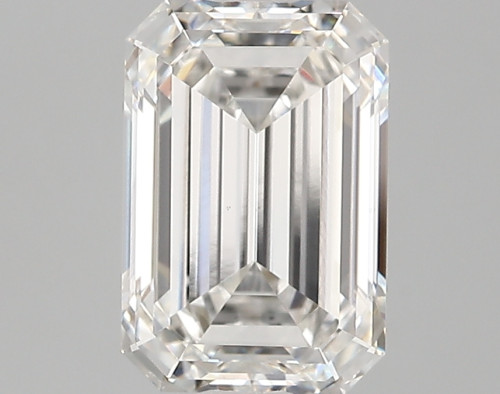
2.61 carat emerald diamond
$919 $1,838
FLAT 50% OFF
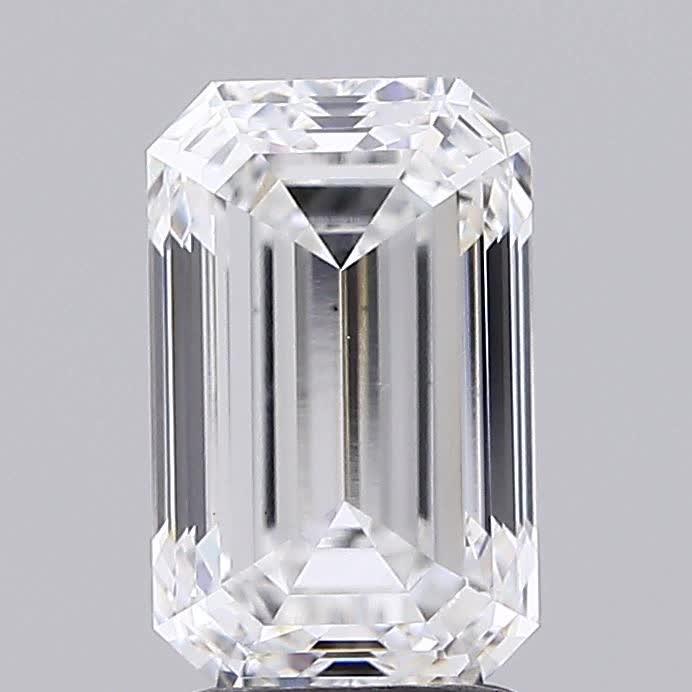
2.51 carat emerald diamond
$929 $1,858
FLAT 50% OFF
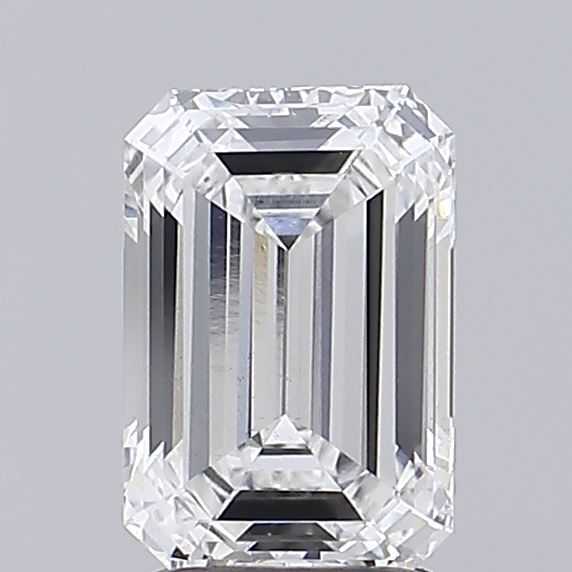
2.37 carat emerald diamond
$959 $1,918
FLAT 50% OFF
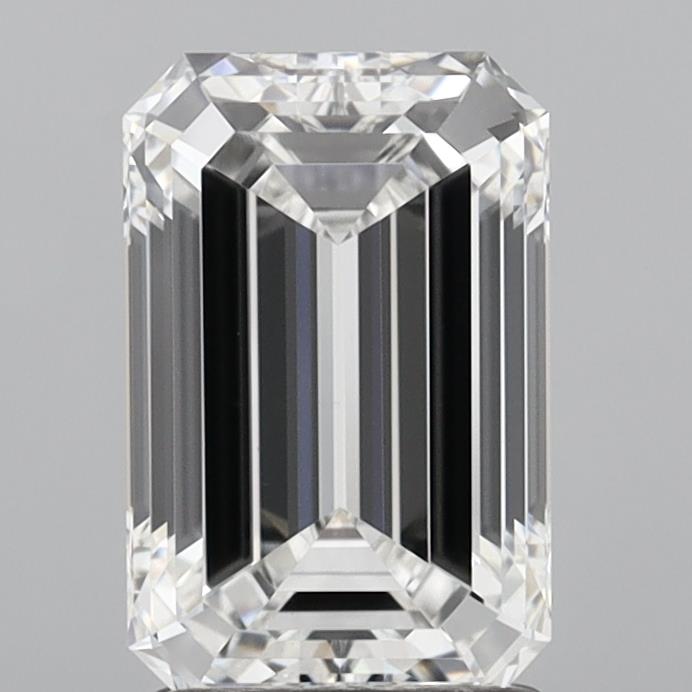
2.52 carat emerald diamond
$960 $1,920
FLAT 50% OFF
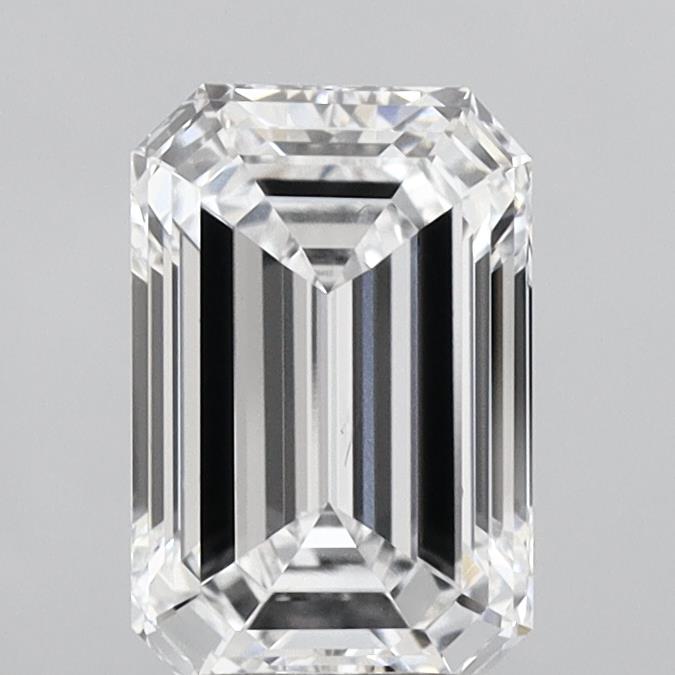
2.44 carat emerald diamond
$964 $1,928
FLAT 50% OFF
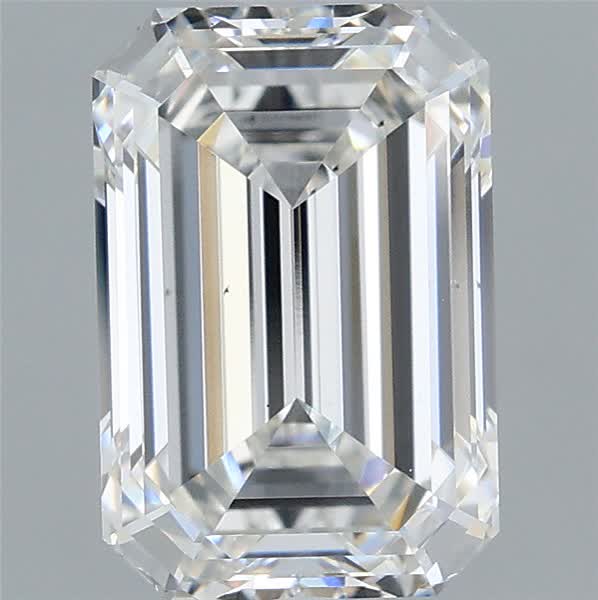
2.55 carat emerald diamond
$969 $1,938
FLAT 50% OFF
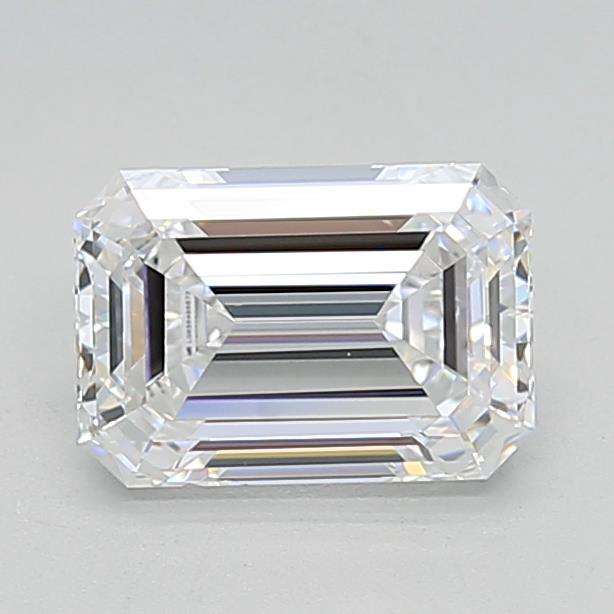
2.11 carat emerald diamond
$975 $1,950
FLAT 50% OFF
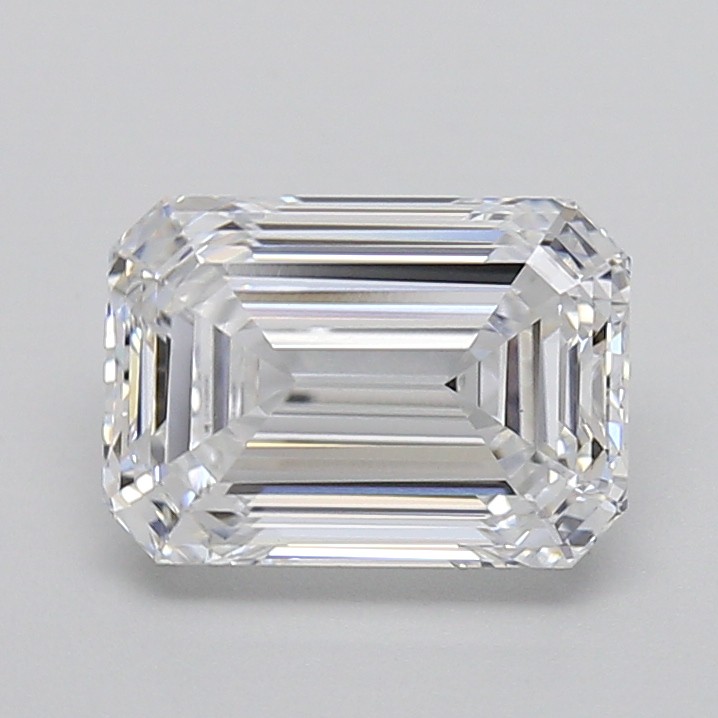
2.41 carat emerald diamond
$975 $1,950
FLAT 50% OFF
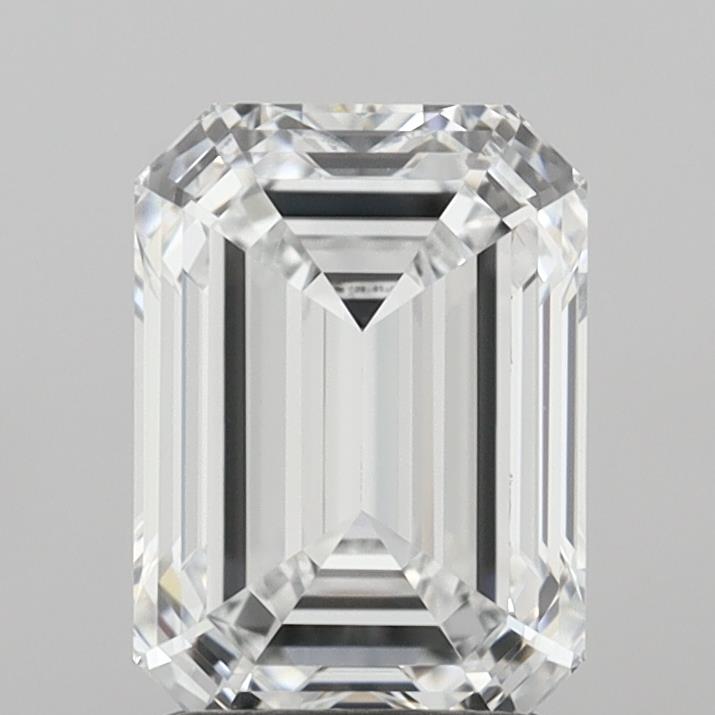
2.14 carat emerald diamond
$978 $1,956
FLAT 50% OFF
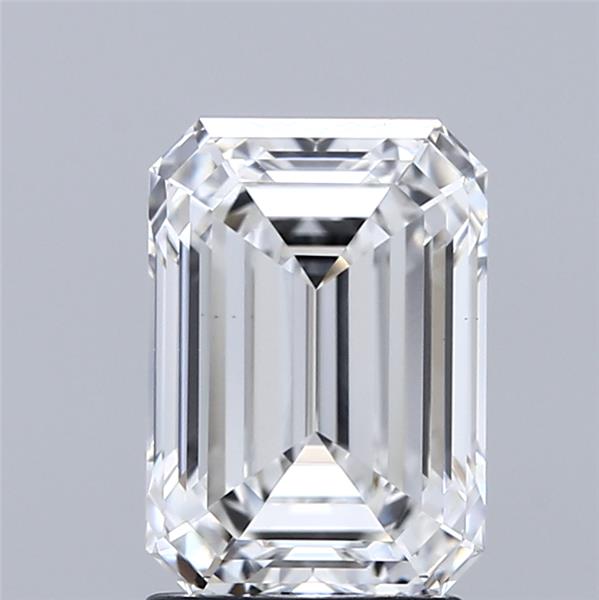
2.39 carat emerald diamond
$979 $1,958
FLAT 50% OFF
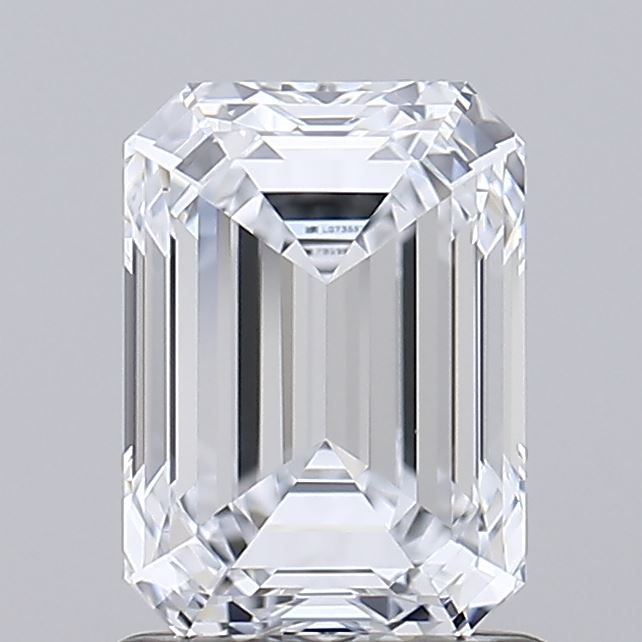
1.45 carat emerald diamond
$980 $1,960
FLAT 50% OFF
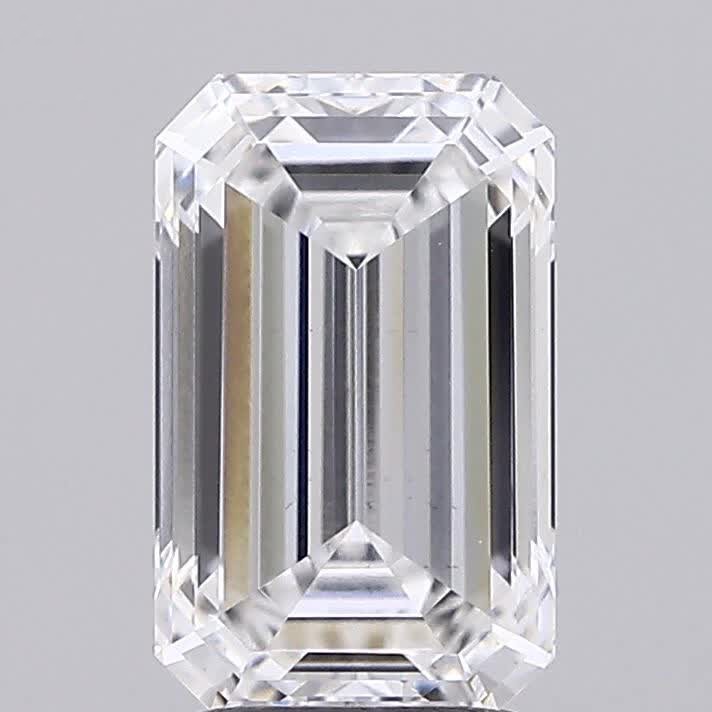
2.52 carat emerald diamond
$983 $1,966
FLAT 50% OFF
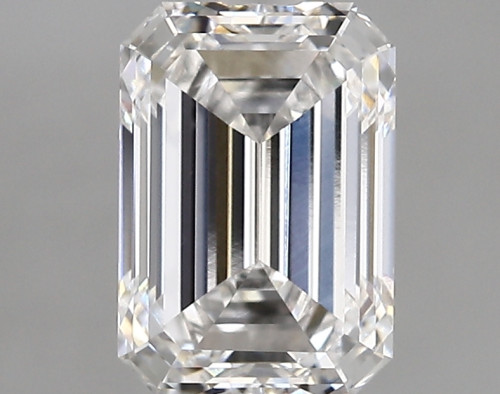
2.28 carat emerald diamond
$985 $1,970
FLAT 50% OFF
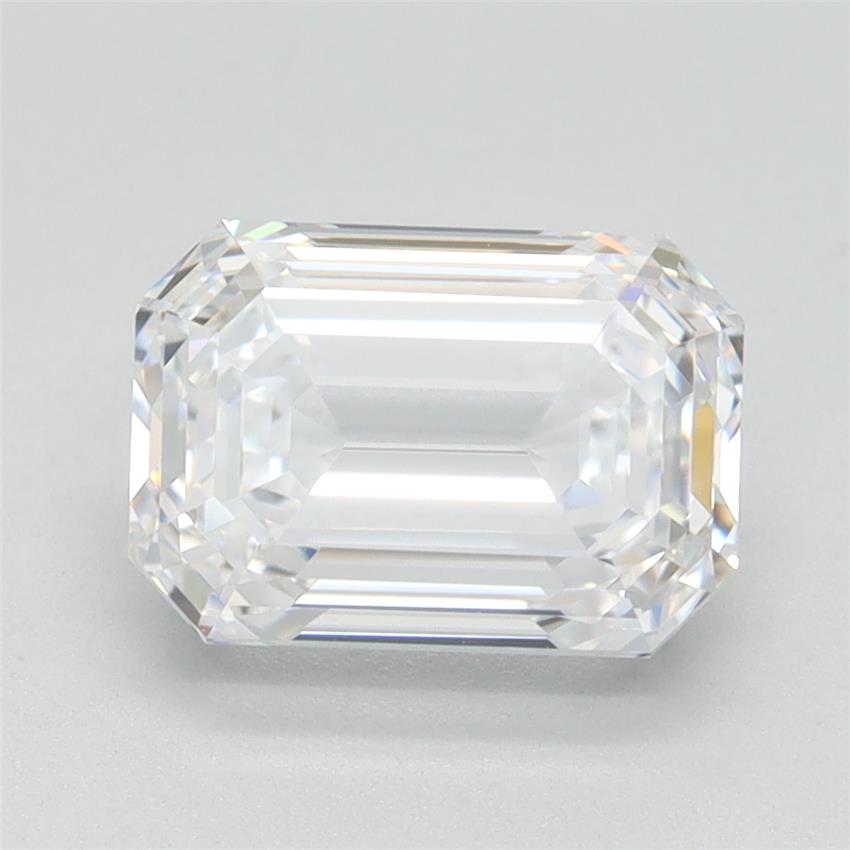
2.09 carat emerald diamond
$985 $1,970
FLAT 50% OFF
Shop Emerald Diamonds
What Is an Emerald-Cut Diamond?
An emerald-cut diamond is a rectangular stone with cut corners and parallel step-cut facets. The cut was originally used in emerald gemstones. However, it was later adapted for diamonds to make them more durable and visually pleasing to look at. Today, it is one of the most well-known diamond shapes utilized in the world of fine jewelry.
The key trait of an emerald cut is its large, open table. Rather than creating dramatic flashes of light, it creates broader flashes of light. This provides a serene and refined look that resonates with those looking for minimalist as well as refined design.
History and Origins of the Emerald Cut
Originally developed for emerald gemstones, this cut gained popularity during the 1920s Art Deco period for its geometric shapes and sleek lines. The emerald cut is still a classic choice for women who prefer a more understated look with a touch of vintage flair. The simplicity of its design has continued to shape contemporary engagement ring styles.
Step-Cut Facets and the Hall of Mirrors Effect
Emerald-cut diamonds feature step-cut facets and not brilliant-cut facets. These long rectangular facets are arranged in parallel rows, giving the impression of a structured as well as symmetrical appearance. As such, the cut creates wide flashes of light rather than bright sparks.
This optical effect creates a “hall of mirrors” effect. It takes place when the light shines on the diamond, enabling the facets to produce reflections that look like mirrored corridors. What you see as a reflection is sophisticated and very polished.
Since the facets are open as well as transparent, every detail of the diamond becomes more visible. Inclusions, body color, and cutting precision all influence the final appearance. This is why a poorly cut emerald diamond looks dark or glassy rather than lively.
Also, the hall of mirrors effect also gives a slimming look to the finger. Many women love this graceful silhouette because it looks elongated but not dramatic.
Now that you know about facets and effects of an emerald cut, let's learn the importance of the 4 C’s.
The 4 C’s for Emerald-Cut Diamonds
The 4Cs are used to evaluate the overall beauty and value of an emerald-cut diamond. Before you make your final selection, you ought to carefully examine the grading reports and certification.
1. Clarity
VS1 clarity or higher (inclusions show easily through the open table)
2. Color
G color or higher for a crisp white appearance.
3. Cut
No GIA grade provided. Look for symmetry or polish at ‘Excellent” or “Very Good."
4. Carat Weight
The elongated shape appears larger than round diamonds of the same carat weight.
Length-to-Width Ratio Guide
The length-to-width ratio affects how an emerald-cut diamond appears on your hand. This ratio decides the balance, length, width, or thickness of the diamond.
1. 1.30 to 1.40 Ratio
The classic emerald cut proportion is a ratio between 1.30 and 1.40. It produces a well-balanced rectangular look that is classic as well as sophisticated. Most engagement rings feature diamonds within this range.
2. Below 1.30 Ratio
Any diamonds smaller than 1.30 tend to be closer to a square shape. This form gives a slightly broader and more pronounced geometric effect. Some buyers appreciate this modern design for contemporary ring settings.
3. Above 1.40 Ratio
A ratio of more than 1.40 will create a longer, slender silhouette. These diamonds elongate the finger dramatically, creating a sleek effect. Narrow stones, however, might look less well-balanced.
Emerald Cut vs. Brilliant Cuts
Round brilliants have triangular and kite-shaped facets that maximize sparkle. Oval diamonds offer the same brilliance but create a more elongated look. Princess cuts are a mix of sharp corners, powerful fire, and scintillation.
Emerald-cut diamonds prioritize form and clarity over sparkle. Choose emerald cuts for refined, understated light performance.
Why Lab-Grown Emerald-Cut Diamonds Are the Smart Choice
Lab-grown emerald-cut diamonds exhibit the same physical, chemical, and optical characteristics as natural diamonds but cost way less. They are great value for money and let you prioritize clarity and color grades. Thus, you can choose higher grades for clarity (VS1+) and color (G+), both of which are important for step cuts where inclusions and tint are readily visible. You get a bigger, cleaner stone for your budget, along with IGI certification and ethical sourcing of the stones.
Once you've chosen your diamond, the type of setting is the next thing to focus on. After all, the right setting affects how the ring appears and feels in your hand.
Best Settings for Emerald Cut Engagement Rings
The setting can make or break the overall look of an emerald-cut engagement ring. This shape's emphasis is on structure and symmetry. And that means the setting should reinforce those elements.
1. Solitaire Settings: It allows the hall of mirrors effect and elongated silhouette to remain the focal point.
2. Halo Settings: Adds finger coverage and brilliance without hiding the step facets. Avoid thick facets that block light entry.
3. Three-Stone Settings: Uses trapezoid or baguette side stones that mirror the step-cut geometry for a well-balanced architectural look.
4. Bezel Settings: Protects the diamond’s vulnerable corners with a metal rim. Offers a secure fit for modern lifestyles.
Certification is still important, regardless of whether you go with a solitaire or a halo design. Hence, prior to purchase, buyers must compare IGI diamond details and IGI-certified emerald-cut diamond price ranges.
Emerald-Cut Diamond Prices by Grade
The emerald-cut diamond price can fluctuate according to clarity, color, carat weight, and certification. And since this cut emphasizes transparency, a higher grade will result in a higher price.
Diamonds in the D to G color grade and VS clarity or higher tend to be sharper and less tinted. As such, lower grades could show warmth or inclusions more clearly due to the open facets.
Lab-grown emerald-cut diamonds are generally cheaper than their mined counterparts of similar quality. This means you can afford a bigger carat size or a higher specification.
Certification also has an impact on prices. In fact, many buyers specifically opt for IGI-certified loose emerald-cut diamonds to verify quality and grading accuracy. Besides, reviewing an IGI lab-grown diamond report provides transparency regarding the diamond’s measurements as well as characteristics.
At Friendly Diamonds, the prices for emerald-cut lab-grown diamonds range from $183 to $65,345. The combination of the above factors will determine the final price of the stone.
How to Verify Cut Quality
GIA does not award a cut grade to emerald-cut diamonds. This implies proportions and visual performance must be taken into account. Here’s how you can verify cut quality:
| Step | Factor to check | What and why |
|---|---|---|
| 1 | Symmetry Grade | Check the IGI certificate to see if it states "Excellent" or "Very Good." Poor symmetry may result in irregular step faces. |
| 2 | Polish Grade | Check for "Excellent" or "Very Good." Poor polish reduces light reflection and clarity. |
| 3 | Depth Percentage | Ideal range: 60–70%. A windowing effect may occur if it is too shallow, and too deep will result in dark spots. |
| 4 | Table Percentage | Ideal range: 60–70%. A too-large table decreases the Hall of Mirrors effect. |
| 5 | Dark Spots | Tilt the diamond. Large dark or dead spots (bow-tie or extinction) should NOT be seen. |
| 6 | Even Light Distribution | The light should reflect equally from every facet and not just in the middle or on the sides. |
| 7 | Hall-of-Mirrors Clarity | Steps should reflect parallel and clean, showing mirrored corridors. |
| 8 | Corner Condition | Verify all 4 corners are sharp, even, and chipped-free. |
| 9 | Length-to-Width Ratio | Ensure the ratio (1.30–1.40 classic, 1.40+) is correct and is the same as the certificate measurement. |
Emerald Cut Diamond FAQs
Is clarity more important for emerald cut diamonds?
Why are emerald cut engagement rings so popular?
Are emerald-cut diamonds more expensive than other shapes?
Why are inclusions visible more easily in emerald-cut diamonds?
Which clarity grade is ideal for an emerald-cut diamond?
Which color grade is the right one for an emerald-cut diamond?
Do emerald-cut diamonds sparkle?
What is the "hall of mirrors" effect?
Is an emerald-cut diamond good for engagement rings?
What is the optimum length-to-width ratio for emerald cuts?
Is a lab-grown emerald-cut diamond a real diamond?
What makes IGI-certified emerald-cut lab-grown diamonds so popular?
What does an IGI lab-grown diamond report contain?
How does an IGI vs. GIA comparison affect buying decisions?
Does GIA grade emerald-cut diamonds?
What settings are best for emerald-cut engagement rings?
Can emerald-cut diamonds be worn every day?
Do emerald-cut diamonds look larger than round diamonds?
How to check the validity of an IGI diamond certification?
Is there significant variation in the price of an IGI-certified diamond?
Are IGI-certified diamonds trustworthy?
Should you choose emerald-cut or round brilliant diamonds?