Unlock FREE lab diamond jewelry on purchases over $1,000.



2 Carat Vs. 3 Carat Diamond: Which Diamond Size Is Right For Your Ring?
Written by Harry Spencer
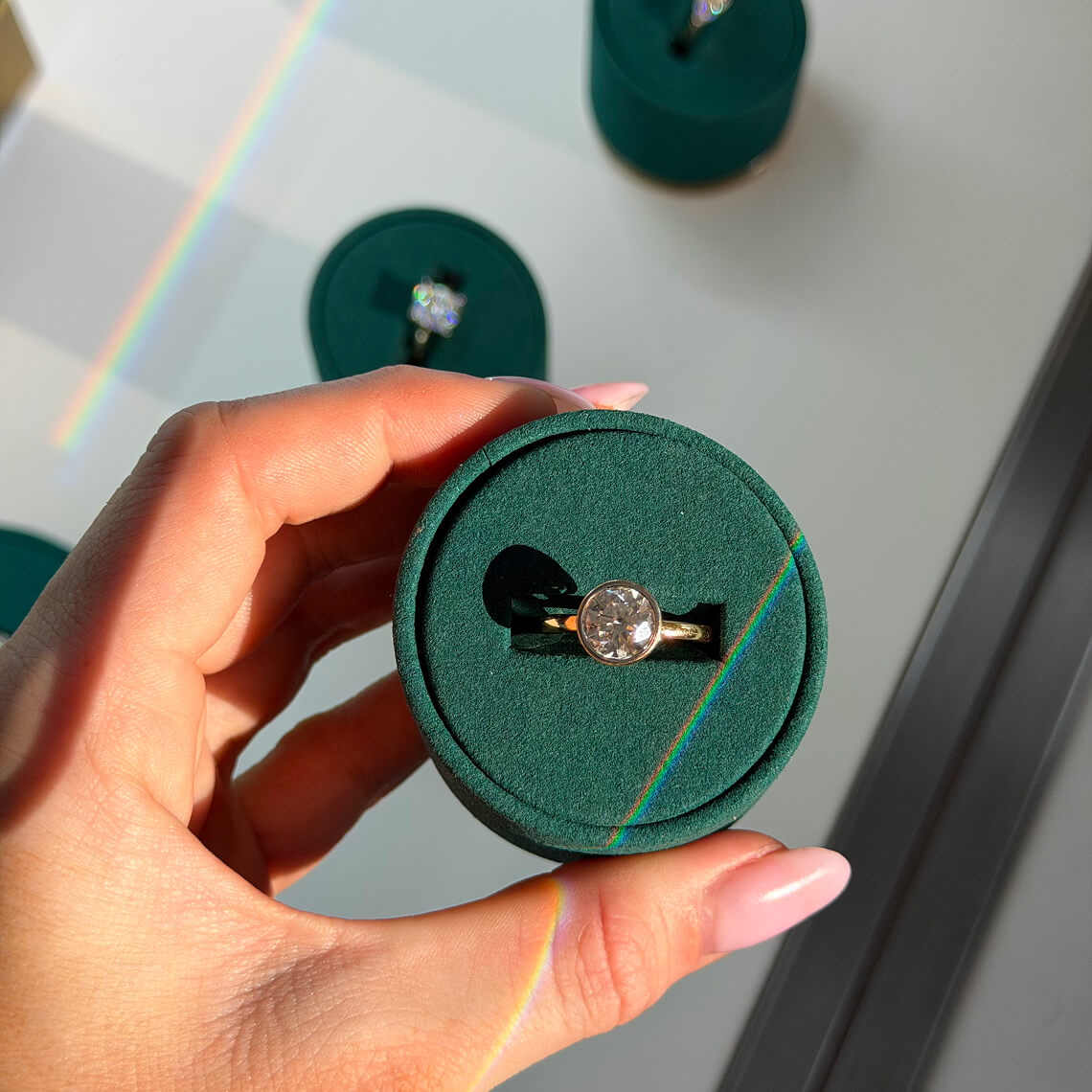
If the choice is between a 2-carat and a 3-carat diamond, the decision looks pretty simple, especially when you consider only one factor. When the bigger size means better value, then obviously, the choice would go to 3-carat diamonds. However, when consumers start considering actual rings, then the situation changes drastically.
Of course, the 3-carat diamond gives you more presence, but it requires more money for that. The 2-carat diamond, in its turn, can give you a lot of benefits, including value. This is the reason why the comparison of a 2-carat vs. a 3-carat diamond ring involves more factors than just the size. What really matters is whether the increased size is worth that extra value.
When you have to choose between 2 carat diamond rings and 3 carat diamond rings, there are a few factors that you have to consider.
Table of Content
- The Visual Difference Is Noticeable, But Not Always Dramatic
- When a 3-Carat Diamond Makes a Bigger Statement
- Why Many Buyers Prefer 2 Carat Diamond Rings
- The Ring Setting Can Change Everything
- Which One Looks Better on Different Hand Types?
- Is That Additional Carat Worth the Price?
- FAQs
The Visual Difference Is Noticeable, But Not Always Dramatic
One of the most common misconceptions about buying diamonds is that the 3-carat diamond should be 50% larger than the 2-carat one.
From the technical standpoint, this assumption is correct, since the 3-carat diamond is indeed 50% heavier than the 2-carat one. However, all this additional weight is distributed all around the whole stone, which means that part of it cannot be seen from the top view.
Therefore, the visible difference tends to be less pronounced than expected.
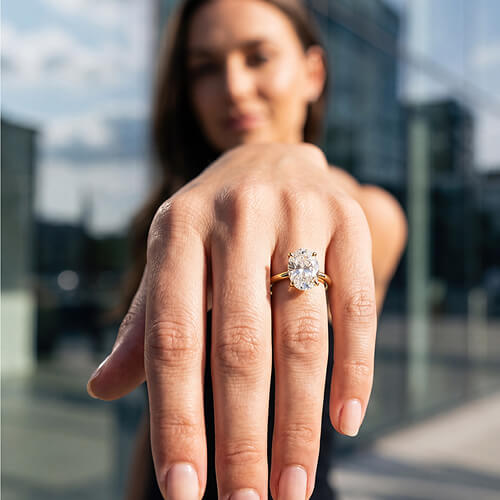
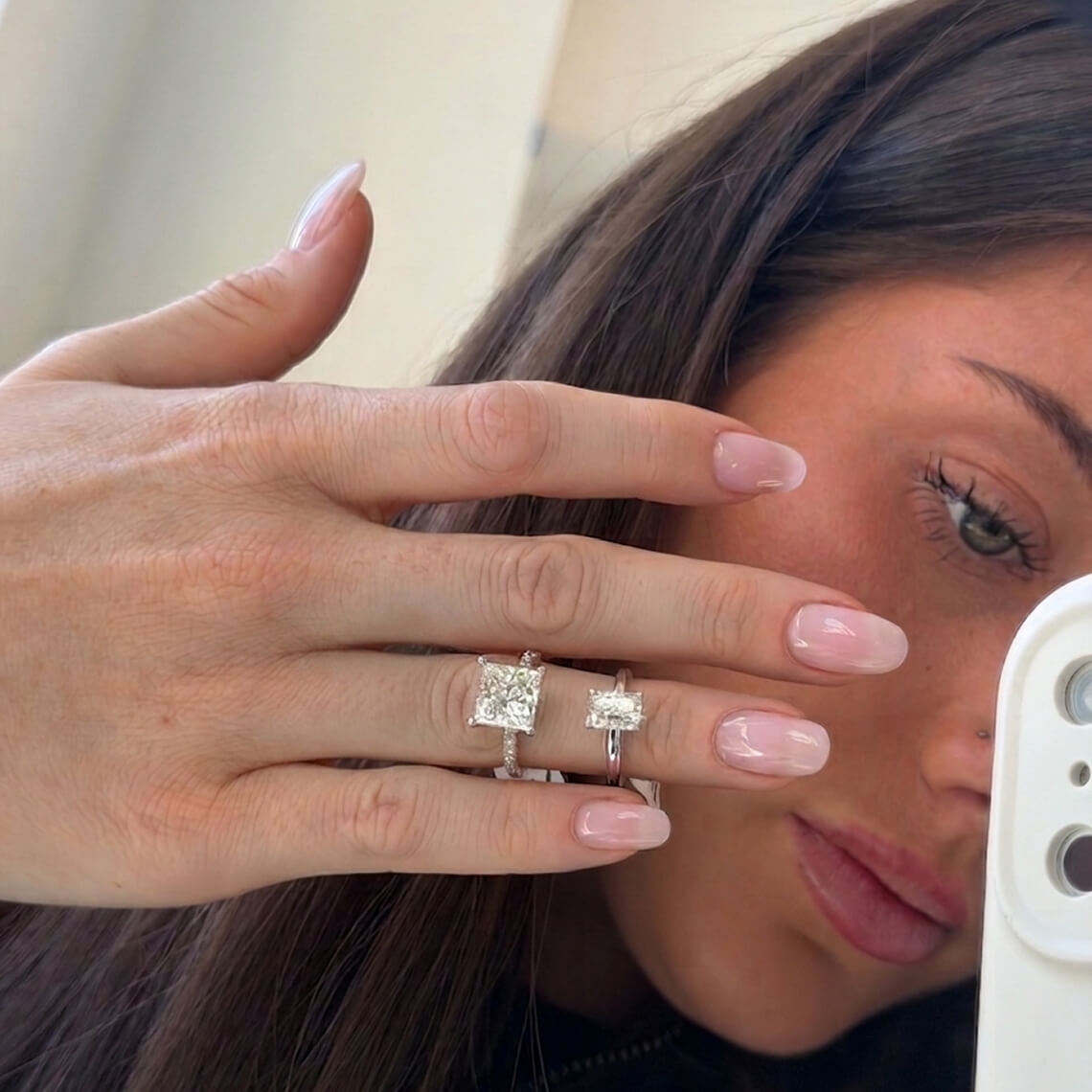
If compared side-by-side, the 3-carat round brilliant cut diamond will definitely look larger and have a more extensive coverage of the finger. But if one were to wear the 2-carat diamond alone, it would already be very impressive to the eye.
And that is why customers get quite a surprise when they see both diamonds. This difference exists, but it is never as obvious as it may seem in theory. Besides, the visible size of the diamond depends heavily on many other factors, such as cut quality, proportion, and diamond shape.
When a 3 Carat Diamond Makes a Bigger Statement
It is difficult to deny the effect of the 3-carat diamond. For consumers seeking a ring that immediately catches the eye, there is no denying that the 3-carat diamond will achieve this effect, where smaller diamonds do not.
This is because of the large size, which comes through strongly with some types of diamonds, including
-
Oval diamonds
-
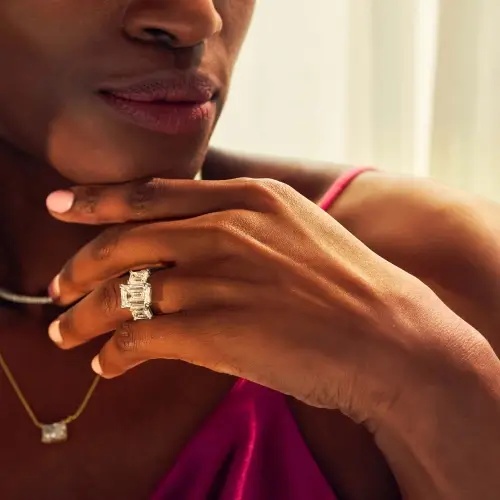
Emerald cut diamonds
-
Pear-shaped diamonds
-
Marquise diamond
These are all shapes that emphasize size and, when set at 3 carats, create a lot of finger coverage. The larger size also makes the diamond more dominant in the design, whether set in white gold, yellow gold, rose gold, or platinum.
For shoppers with a passion for making statements with their jewelry, the 3-carat diamond often seems worth the purchase.
Why Many Buyers Prefer 2 Carat Diamond Rings
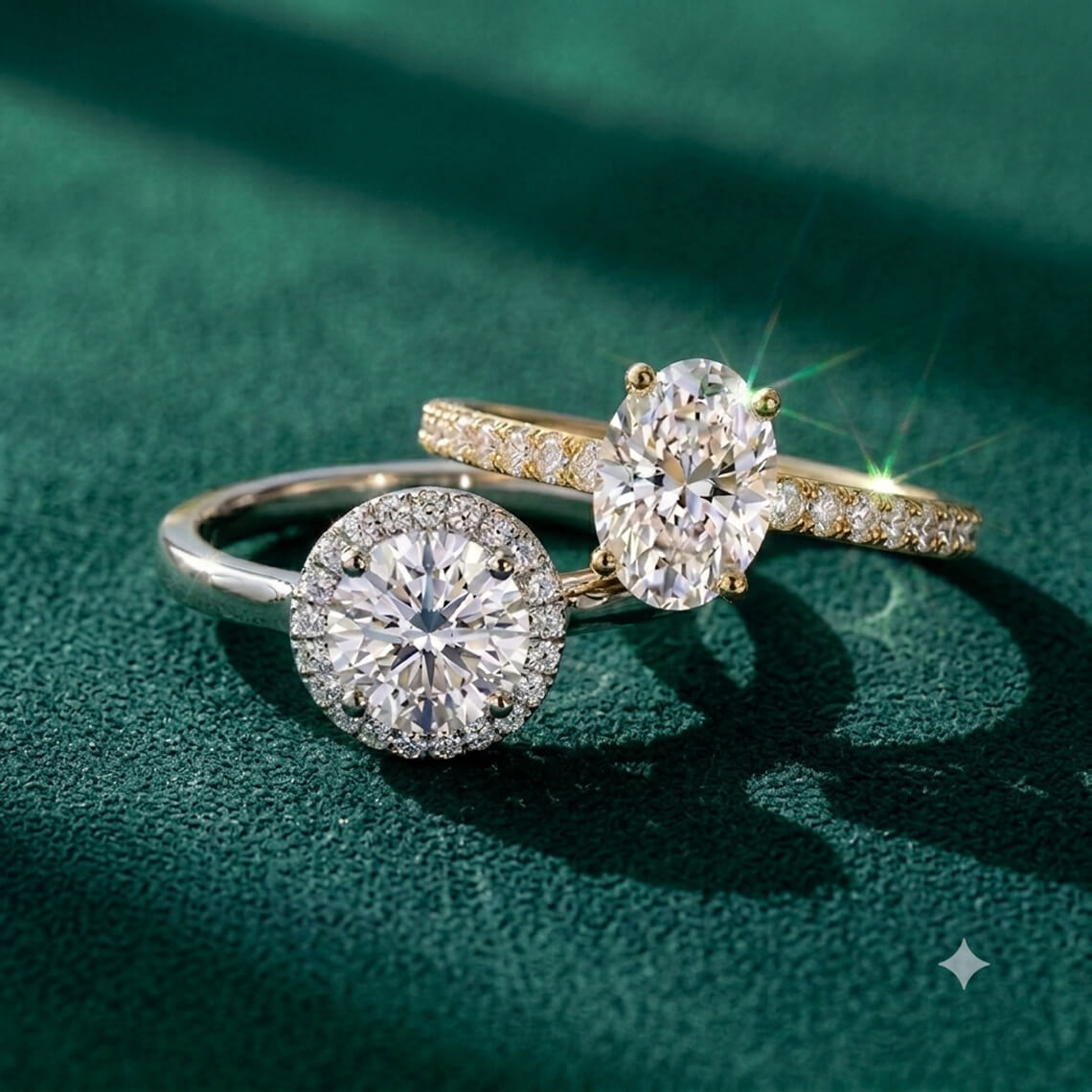
Curiously, many diamond analysts tend to observe that there is a 'sweet spot' for 2 carat diamonds.
With 2 carats of diamonds, you can get something that is significant but not hard to wear on a daily basis. With this, you get to have more money for other needs, such as getting a more colorful diamond or one with better clarity.
This is quite important since the prices for diamonds are not linear. As the diamond gets heavier, it means that the prices per carat will shoot up considerably. The fact is that the cost difference between a 2-carat diamond and a 3-carat one is much more than what meets the eye. Many customers eventually opt for 2-carat diamonds.
The Ring Setting Can Change Everything
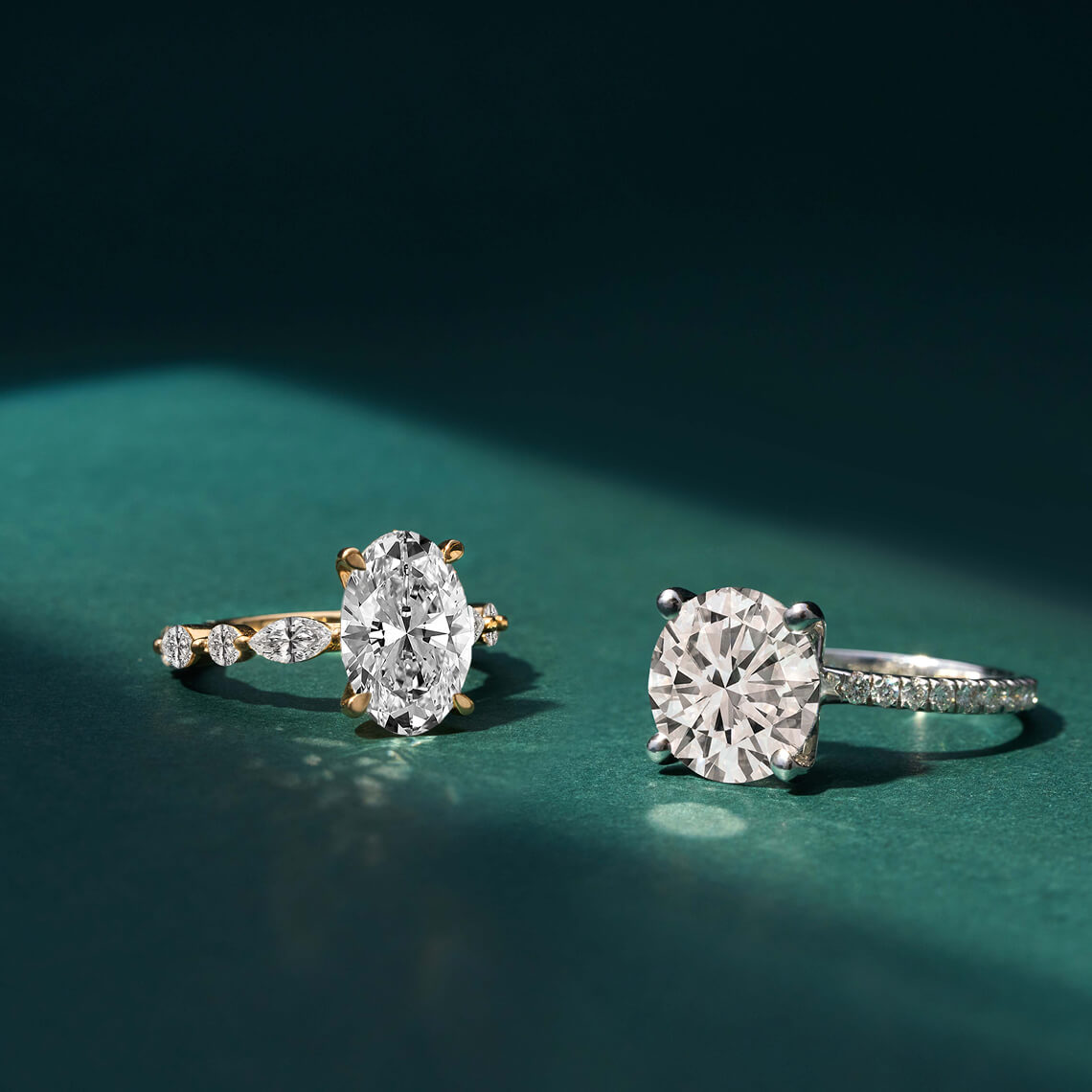
One thing that tends to get ignored when comparing a 2-carat and a 3-carat diamond is the setting.
The appropriate setting will affect the size of the diamond.
Solitaire Settings
In solitaire settings, all the focus is directed at the main diamond. The difference in size between the 2-carat diamond and the 3-carat diamond is more easily noticeable since no other diamonds distract from the main diamond.
Halo Settings
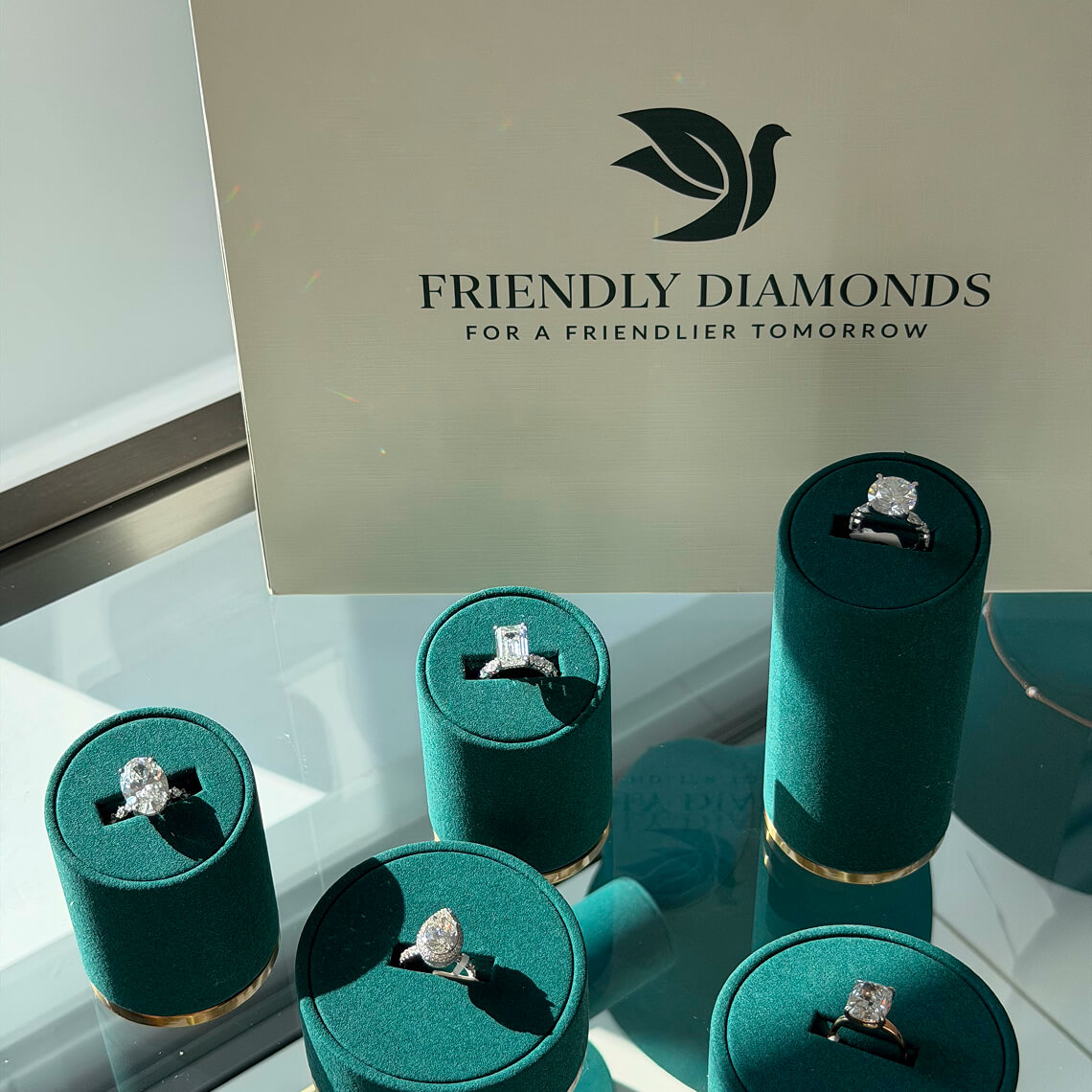
In halo settings, small stones surround the main stone to give an impression of a larger diamond.
A 2-carat diamond in a halo setting will usually give a face-up impression as if it were in a much larger solitaire ring. If maximizing the look is your main priority, then this may be an intelligent choice.
Band Width and Metal Used
A narrower band tends to make the center diamond seem larger by contrast, while a thicker band creates a more substantial overall impression.
The color grade of the metal also makes a difference to perception, white gold and platinum being harder to see than yellow gold.
Which One Looks Better on Different Hand Types?
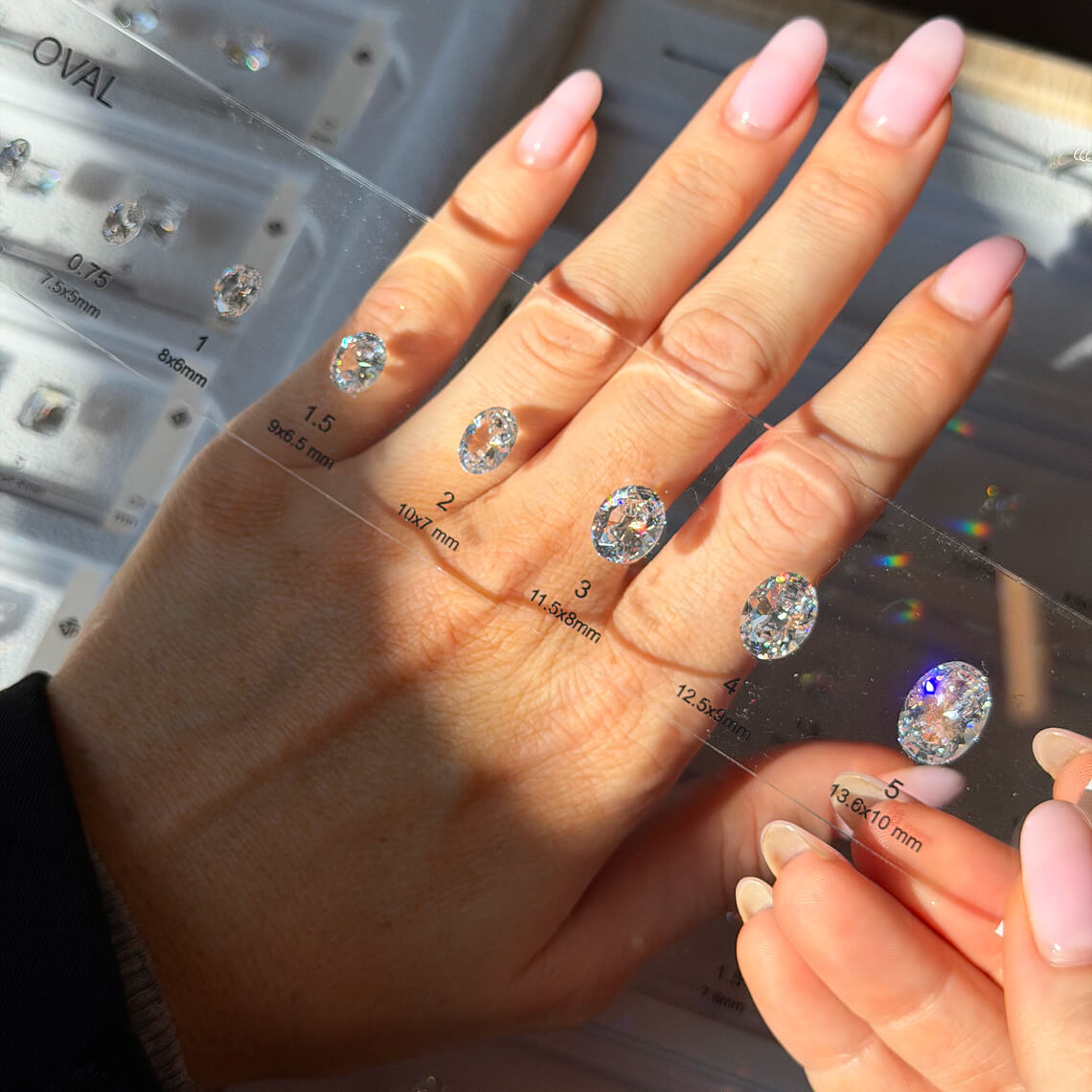
It varies from case to case since hand shape is the significant determining factor when it comes to choosing the diamond.
For small hands, usually, a 2-carat diamond gives you amazing coverage and still leaves everything balanced. While a 3-carat diamond seems dominating for some shoppers, especially if its setting is wide.
For large hands, a 3-carat diamond may look just right for those who want to feel its presence.
The shape is another important factor to be considered. For example, oval, pear, and marquise diamonds visually elongate your hand and make any hand size look great, whatever the carat is. That is why wearing a particular diamond and measuring it are two completely different things.
Is That Additional Carat Worth the Price?
It really comes down to what your priorities are. The 3-carat diamond will definitely give you some presence and coverage and will definitely make an impression. In cases where customers seek out something impressive, there's no doubt that this could be well worth the upgrade.
But in situations where you want to maximize size, quality, and budget, the 2-carat diamond can provide amazing value for money. You can get a lot of bang for your buck, with very little difference visually, but significantly better quality.
A great tip here would be to just ask yourself one question. Do you want the biggest diamond or the best diamond?
FAQs
Is a 3-carat diamond more sparkly than a 2-carat diamond?
No, it may not be. The sparkle of the diamond depends on how the diamond is cut and not on its carat weight. In some cases, a well-cut 2-carat diamond may have more sparkle than a poorly cut 3-carat diamond.
Is a 2-carat diamond big?
Yes. A 2-carat diamond is considered big and gives enough visual weight to a ring.
Why is a 3-carat diamond so costly?
The price of diamonds increases sharply with an increase in the carat weight.
Which shape of diamonds appears large according to carat size?
Elongated diamond shapes like oval-shaped, marquise-shaped, and pear-shaped tend to appear larger compared to round diamonds of equal carat size, owing to their elongated shape.
Should I opt for a bigger diamond or one with a better cut?
Opting for a higher-cut-quality diamond first would yield the most visible results for many buyers. A small but excellently cut diamond looks more attractive than a larger diamond with poor proportions.