Flat 50% OFF sitewide!
NOW & ON BLACK FRIDAY!
UNLOCK FREE LAB DIAMOND JEWELRY ON PURCHASES OVER $1000 


G vs. I Color Diamond: Which Is Better For Your Engagement Ring?
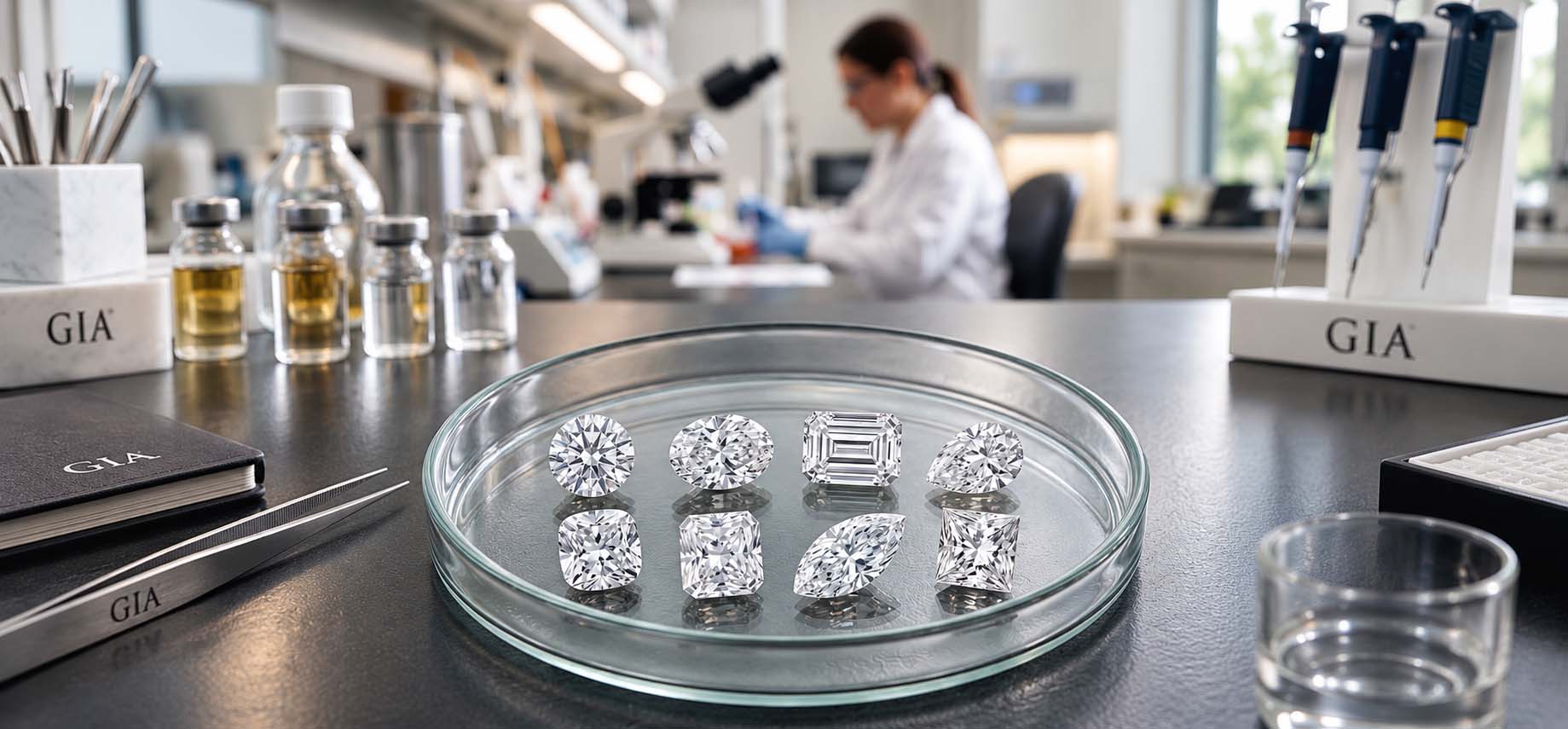
Finding the ideal diamond engagement ring begins with the 4Cs, but color is the factor that causes hesitation in most buyers' minds. The distinction between a G color diamond and an I color diamond might appear huge based on the grading certificate, but many find it difficult to discern the difference after the stone is mounted into a ring.
But does it make sense to splurge on a G-color diamond every time?
Definitely not. There's more to it than simply the grade of the diamond's color. Carat size, diamond cut, metal, and setting, among other factors, will determine how much color you see from your ring. For most buyers, an I-color diamond will look equally as stunning as a G-color diamond while still providing more flexibility within your budget.
This comprehensive diamond guide discusses where the differences can be spotted and what diamond color grade gives the ideal balance of beauty and value for your ring.
Table of Content
- Understanding G and I Color Diamonds & Key Differences
- How Carat Size Affects Color Visibility
- Choosing the Right Metal for a G- or I-Color Diamond
- G vs. I Color Diamond Price Comparison
- Which Color Grade Is Best for Your Engagement Ring?
Understanding G and I Color Diamonds & Key Differences
First of all, both G and I color diamonds have no visible yellow hue. But the two have certain differences.
If you opt for a G-color diamond, it will have a color close to the colorless colors on the diamond color chart, thus creating an almost ice-white look of the gemstone under any lighting condition. The grade is popular among diamond buyers due to its brightness and whiteness.
On the other hand, the I-color diamond is a bit lower in the spectrum and has a slight hue. As a standalone stone, the color is hardly noticeable, especially in properly cut round diamonds. However, one can see the difference when comparing the diamond with the stones with a higher color grade or when looking from the side.
Keep in mind that the lab report shows the differences that appear during the controlled examination process. Therefore, in your day-to-day life, these differences might not be so vivid anymore.
In other words, choosing between G and I color diamonds, you decide if the visual difference is significant enough for you to pay extra money for them.
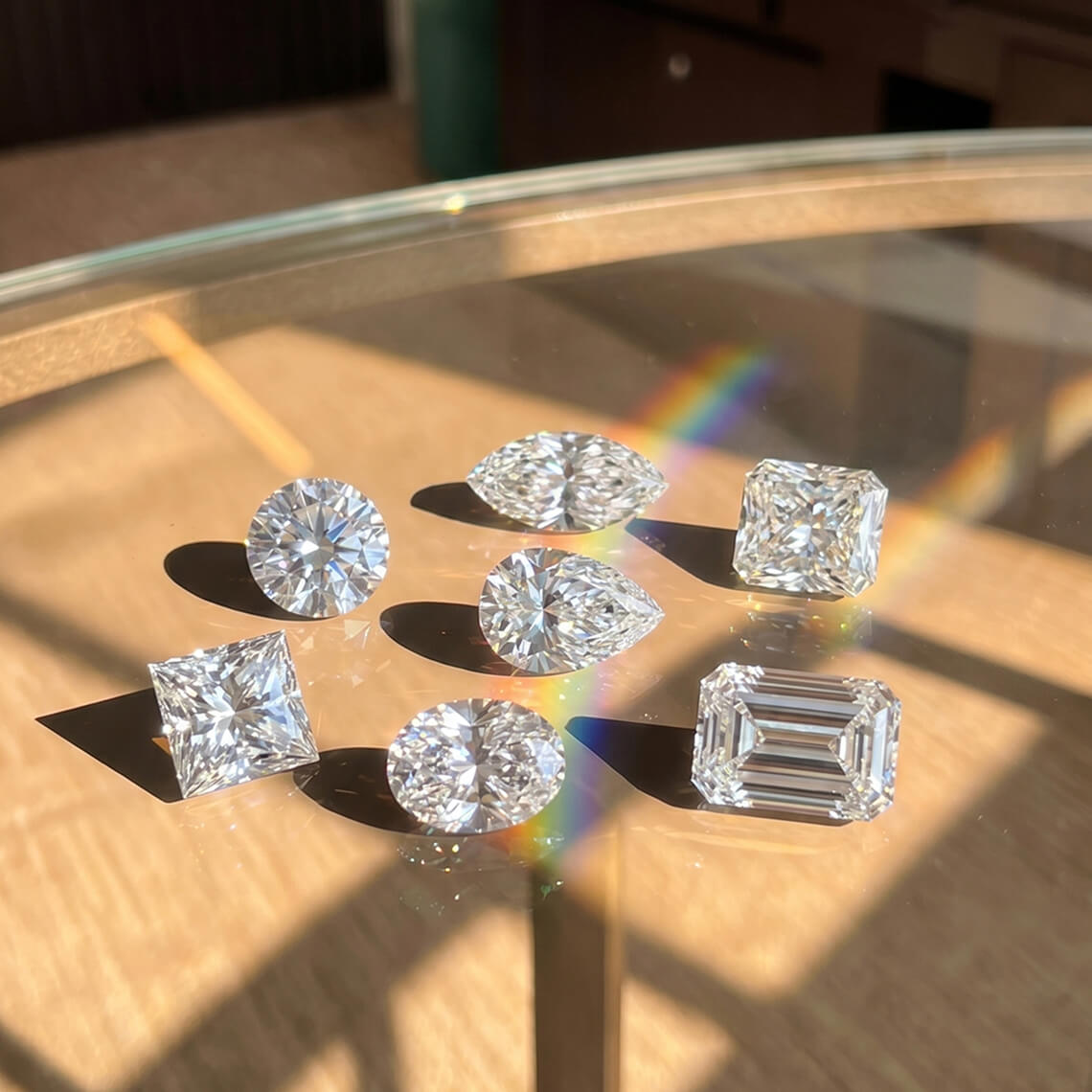
How Carat Size Affects Color Visibility
There is no denying that the weight of the diamonds impacts the clarity of the color more than it is assumed by buyers.
As the stones get bigger, light passes through much more matter. It makes all warmth much easier to notice, no matter how it is seen.
A good example is a one-carat I-color diamond with an excellent cut. It looks absolutely white in any engagement ring setting. However, when the same stone reaches three carats, it becomes warmer, especially in bright sunlight.
Diamond cut does matter, too.
Round diamonds with brilliants disguise the color best, as they reflect light in various directions. Step cuts (emerald, Asscher) have big and open facets that allow noticing the color more, which makes the choice of a G-color diamond preferable for such stones.
Oval, pear, and marquise shapes belong to the middle. They conceal the color less efficiently than round brilliant, but they can still show some warmth near their points.
While choosing the Color Diamond, pay attention not only to its grade but also to the combination of its size and cut.
Choosing the Right Metal for a G or I Color Diamond
Your choice of metal may have more of an impact on how white the diamond looks than you realize.
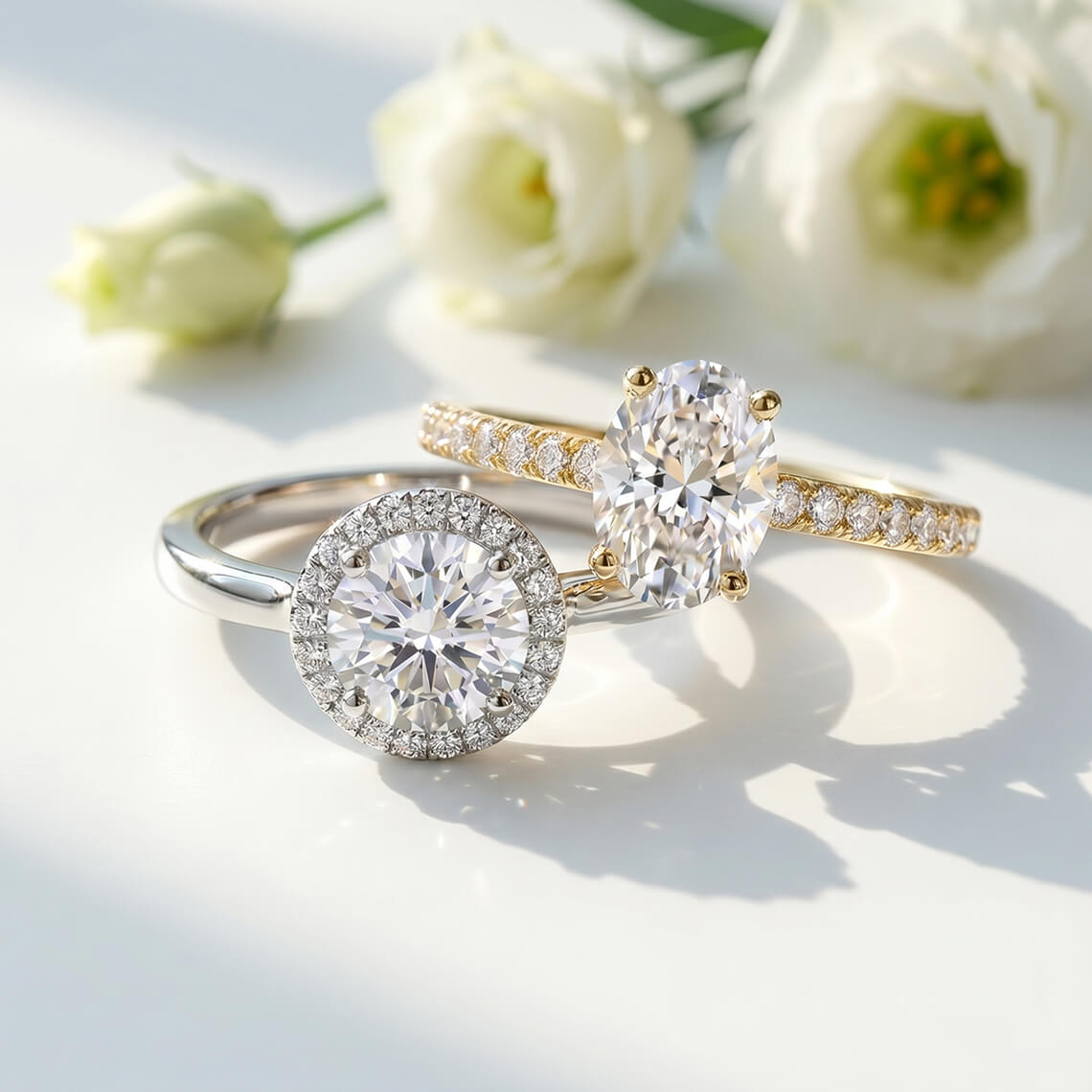
White gold and platinum provide a natural white background, and this means that small color differences are easy to see. In these types of settings, when selecting a large center diamond, opting for a G-colored diamond ensures that your diamond always looks white.
Yellow gold is different.
The warm nature of this metal means that any small color differences do not show up as easily. That is one of the reasons why jewelers will often advise choosing an I-colored diamond when setting a diamond in yellow gold.
Rose gold is not that different either. The delicate pink color of rose gold works beautifully with the warm glow of I-colored diamonds.
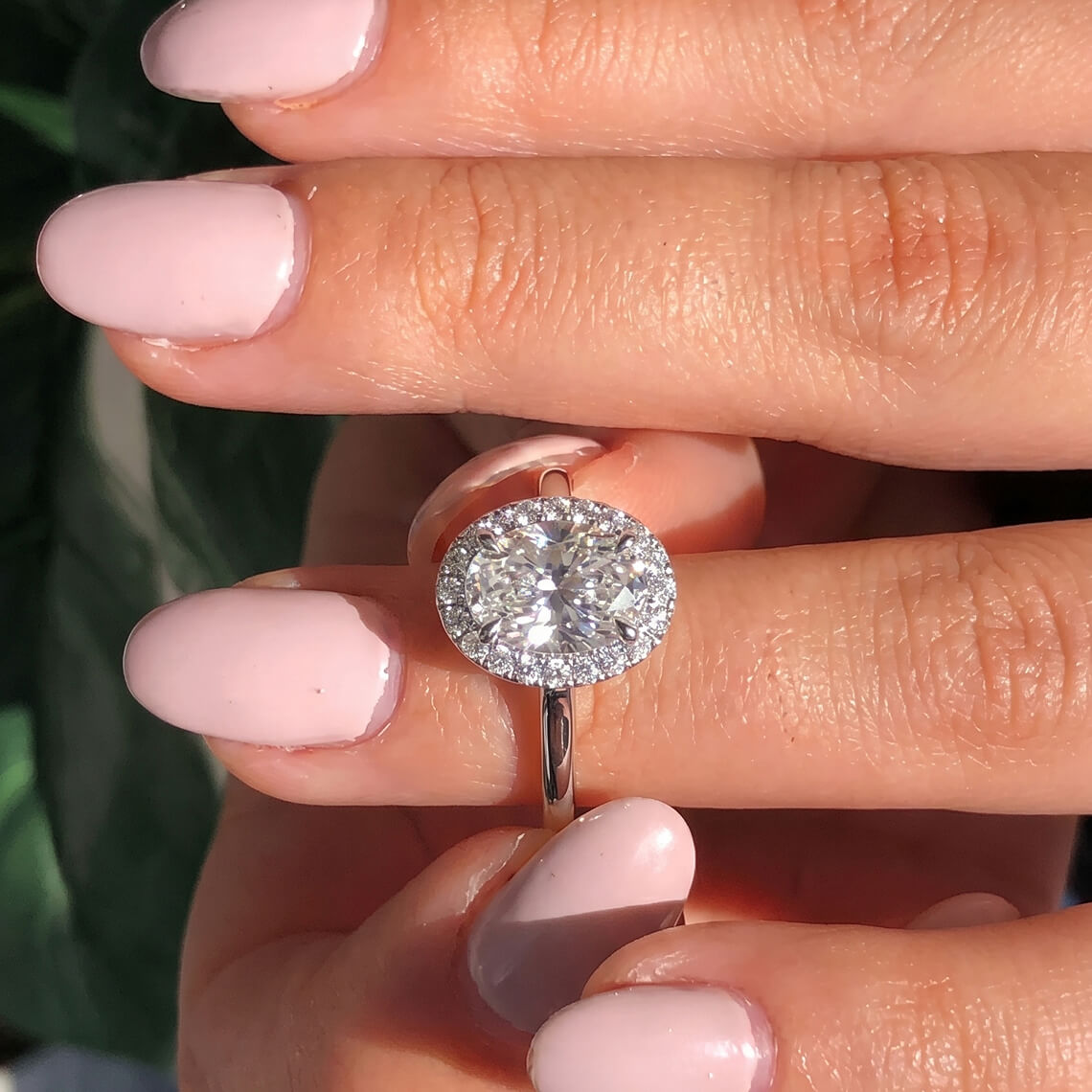
Your Engagement Ring Setting also makes a difference. Halo ring settings and other designs that have small diamonds around the center stone will make your center diamond shine even brighter, whereas solitaire ring settings show the diamond from all angles. G colored diamonds can be worth the price if you get a solitaire ring setting in platinum.
G vs. I Color Diamond Price Comparison
One of the largest benefits of an I-color diamond is not just that it is cheaper, but what else you can do with that extra money.
Rather than using your full budget to get a better color grade, you can use the money saved from getting a G- vs. I-color diamond in a number of ways:
-
Increase carat weight
-
Get an excellent cut instead of a very good cut
-
Get a more complex setting design
-
Buy a diamond with better clarity if that is important to you
Often, all of these choices will make a bigger difference in how a ring looks than getting a G- vs. I-color diamond.
However, when your budget allows you to buy the ring you are looking for, opting for a G color diamond provides added security and peace of mind, especially if you're buying a larger diamond in white metal.
Not everything worth having is the least expensive option; it's the one that makes the most visual sense.
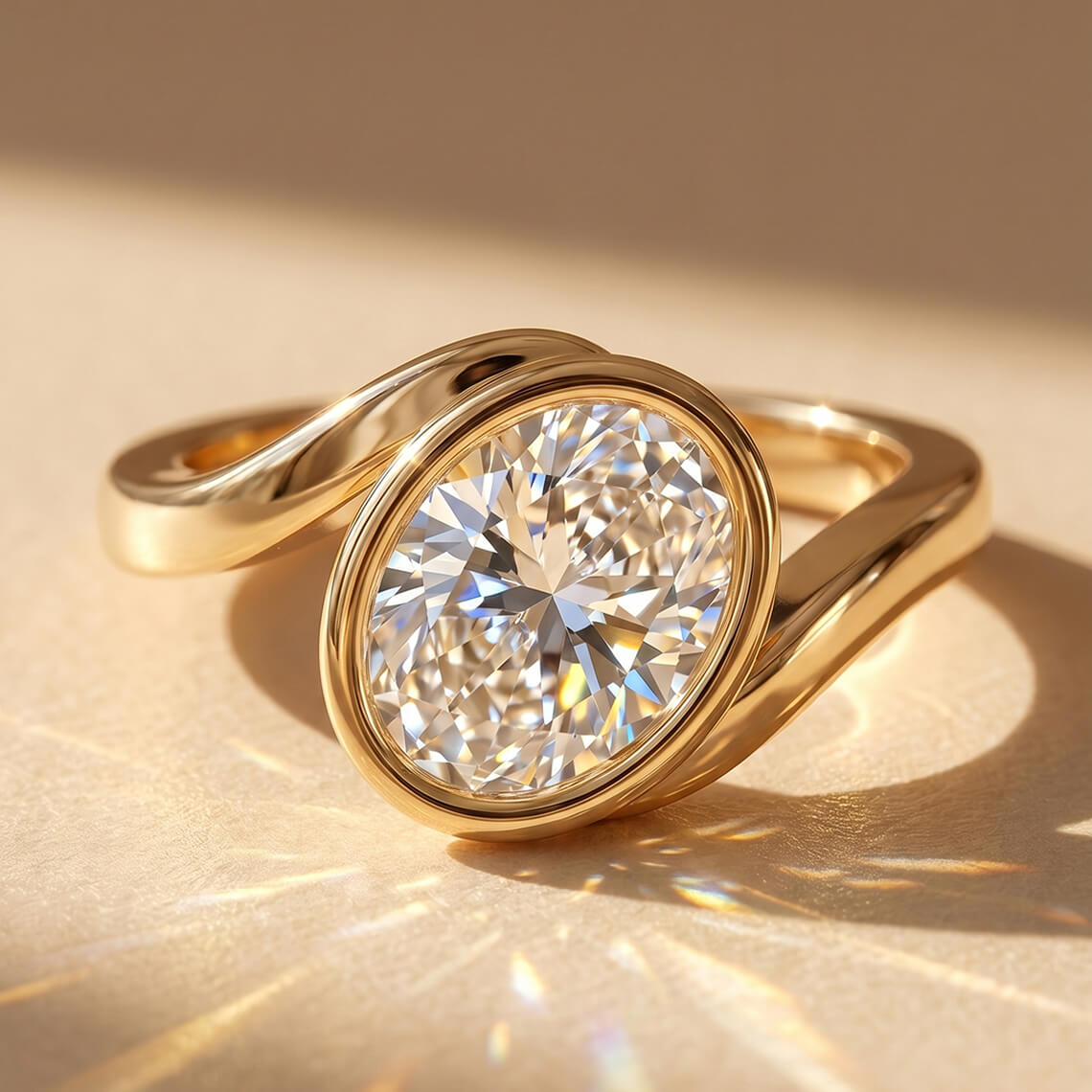
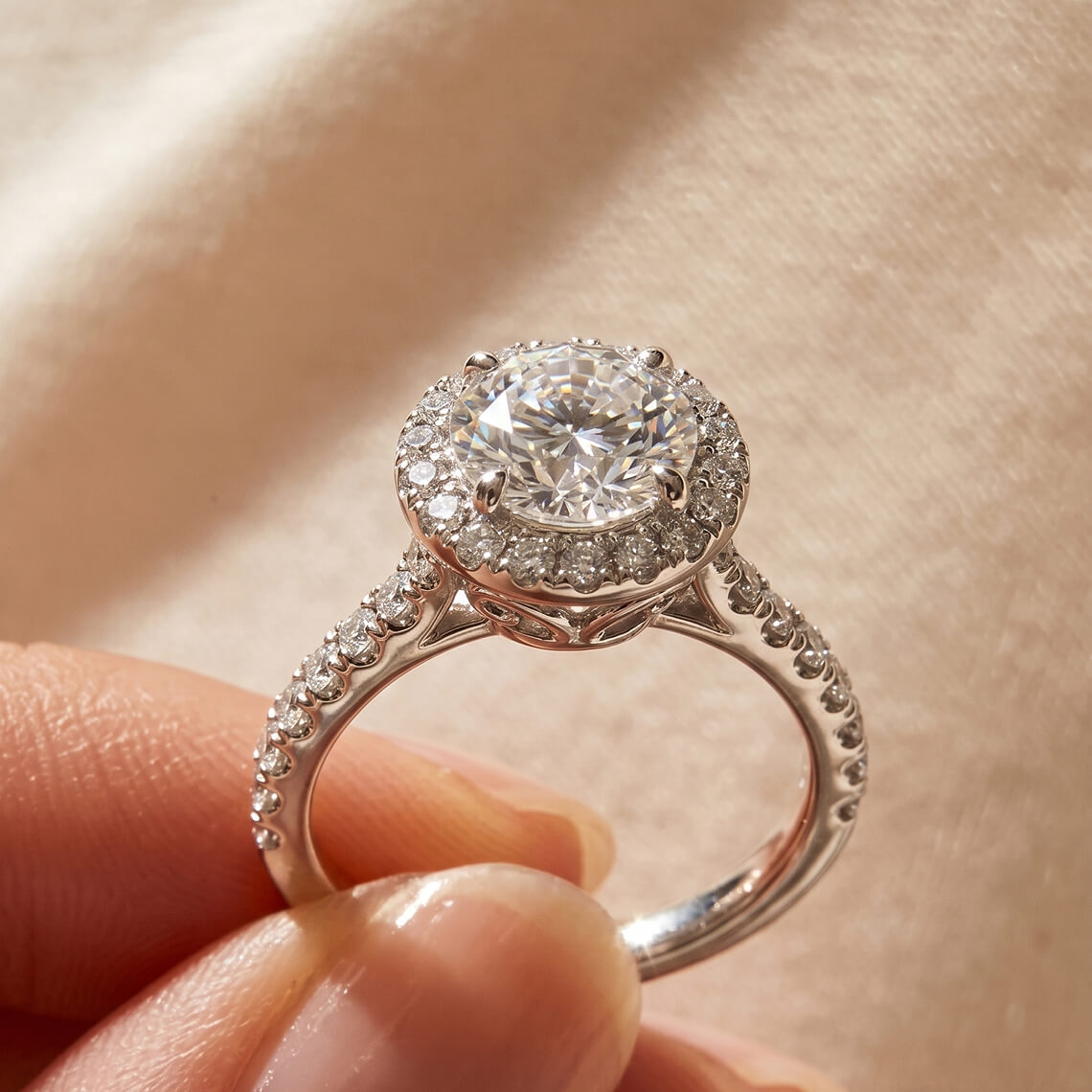
SHOP Ava Crest Lab Diamond Ring
Which Color Grade Is Best for Your Engagement Ring?
There is no general victor in the G vs. I color diamond comparison, as everything depends on your needs.
G color diamonds should be selected by those who:
-
Need a bright and white look.
-
Selecting a diamond bigger than two carats
-
Like the emerald, Asscher, or other step-cut diamonds.
-
Want to set the diamond in platinum or white gold.
-
Can afford to spend extra money on color.
I color diamonds should be chosen by those who
-
Need an optimal combination of beauty and value.
-
Buying a round brilliant diamond less than two carats
-
Want yellow or rose gold metal
-
Need to spend their budget on a bigger stone or a better cut.
-
Want a gorgeous engagement ring without paying additional money for differences in color that may not be noticeable
For most people, the optimal choice will not be the higher color grade but the grade that would look good in the ring they need to wear.
FAQs
Is a G-color diamond obviously superior to an I-color diamond?
Does the cut shape of a diamond influence its color appearance?
What metal would match a diamond with an I color?
Is it worth it to pay for a G-color diamond?
Do I have to choose between color and cut?