Flat 50% OFF sitewide!
NOW & ON BLACK FRIDAY!
UNLOCK FREE LAB DIAMOND JEWELRY ON PURCHASES OVER $1000 


A Buyer's Guide To Choosing The Right Metal For Your Ring Setting
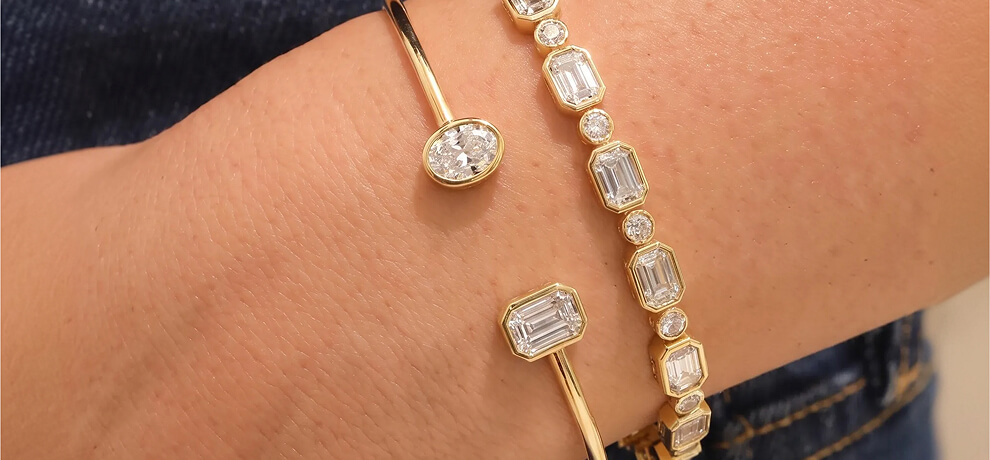
Every year, InStore magazine asks independent jewelry store owners across the country what they think the next big trend will be, as part of its 2026 Big Survey. Most of them gave the same answer before anything else. Gold is too expensive right now, and buyers are going to look for workarounds. Jewelers named silver, gold-filled pieces, plated jewelry, and low-karat gold as the likely beneficiaries, along with two-tone designs that mix silver and gold in the same piece. Lab-grown diamonds came in as the other top pick, with jewelers predicting bigger center stones and more colored lab diamonds making their way into cases.
Not everyone surveyed was thrilled. One jeweler predicted lightweight, hollow gold construction and said plainly they weren't a fan. A few still think yellow gold has room to run.
Gold alternatives and lab-grown diamonds are showing up together in these predictions because both let you get a ring that looks and feels substantial without paying a premium driven by raw material cost. Metal and stone are the two decisions in front of you, and working through them together beats picking one first and backing into the other.
Table of content
- What Karat Means for Your Ring
- 10kt Gold
- 14kt Gold
- Platinum and Other Alternative Metals
- Where Your Lab-Grown Diamond Fits Into This Decision
- Conclusion
What Karat Means for Your Ring
Karat tells you how much pure gold is mixed into the metal your ring is made of. Pure gold is 24kt, but it's too soft to hold a diamond securely on its own, so jewelers alloy it with harder metals like copper, silver, or palladium. The karat number is the ratio. 14kt gold is 14 parts gold out of 24, with the rest made up of those stronger metals.
More gold content means a warmer, richer yellow color, but also a softer metal that scratches and bends more easily. Less gold content trades some of that richness for a harder-wearing ring at a lower price, with a slightly paler or more muted gold tone.
10kt Gold
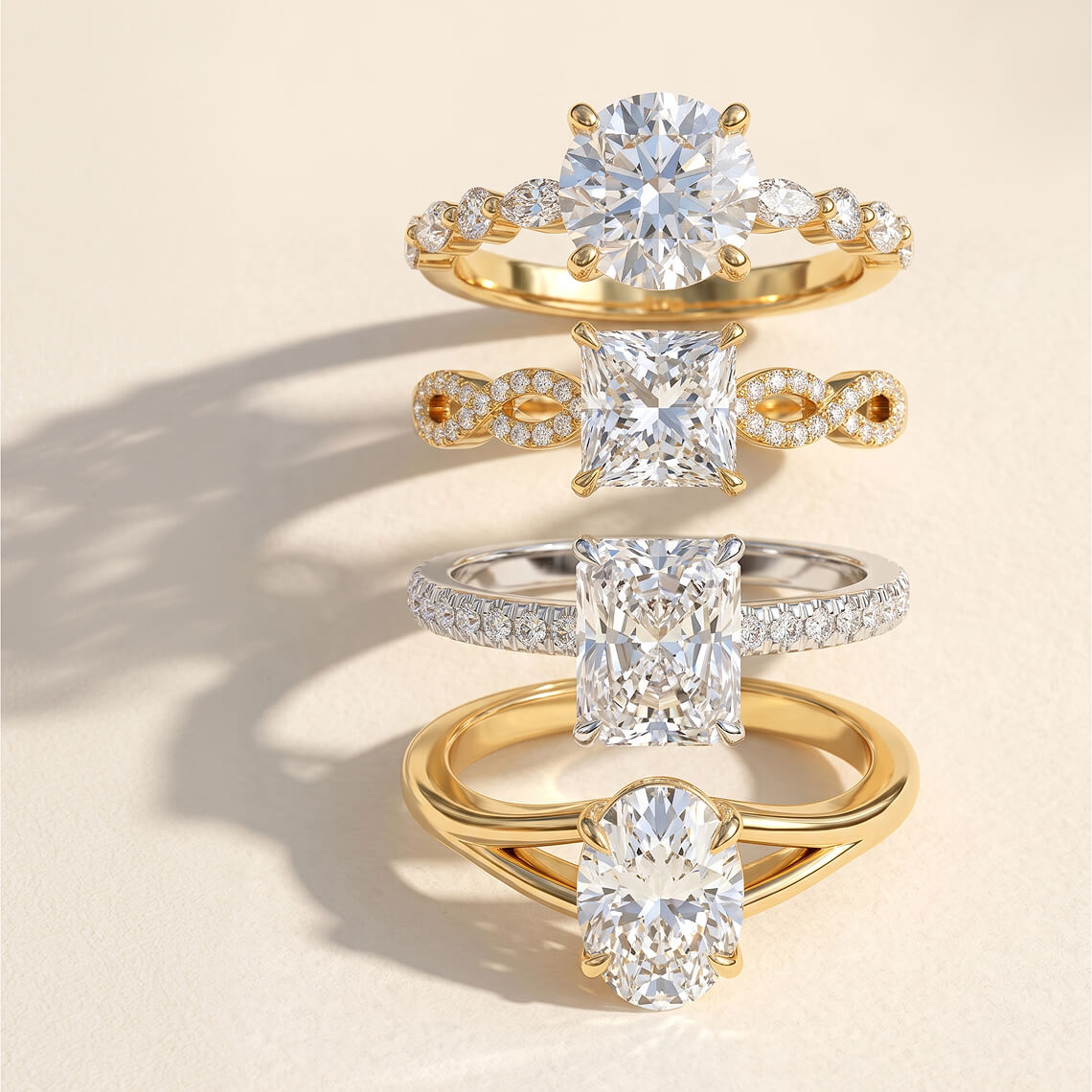
10kt gold is 10 parts pure gold out of 24, or about 41.7% gold. It's the lowest karat you'll typically find in fine jewelry, and the legal minimum for something to be sold as gold in the US.
Pros
-
Most affordable karat option, since less actual gold goes into each piece
-
Hardest and most scratch-resistant of the common karats, good to know if you take your ring off rarely
-
Holds its shape well under daily knocks, from gym bags to kitchen counters
Cons
- Paler, less rich color than higher karats
-
Higher percentage of alloy metals, which can bother people with nickel sensitivities
-
Lower resale value if you ever trade it in
If your ring rarely comes off and you want something that can take a beating without babying it, look closely at 10kt.
14kt Gold
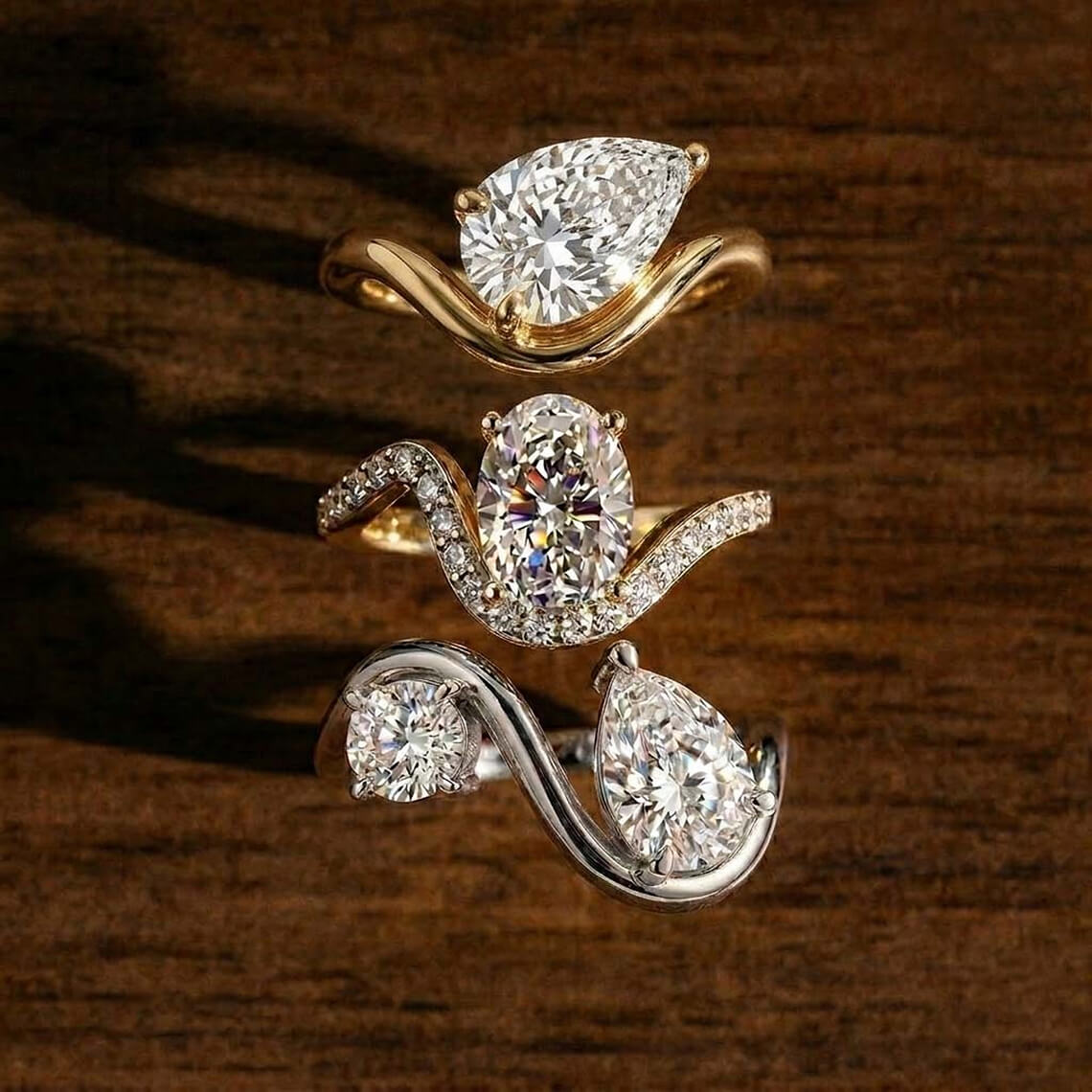
14kt gold sits at 58.3% pure gold, and it's the most common karat for engagement rings and wedding bands sold in the US. It's the middle ground, with more gold than 10kt for a warmer color and fewer alloy metals, but still hard enough for daily wear.
Pros
-
Noticeably warmer, richer color than 10kt, especially in yellow and rose gold
-
Durable enough for everyday rings, including engagement rings worn constantly
-
Easier to resize and repair without the metal becoming brittle
Cons
-
Costs more than 10kt for the same design
-
Still softer than 10kt, so it will show wear over years of daily use
If you're buying a single everyday ring you'll wear for decades, 14kt gives you the best balance between looking right and lasting.
Platinum and Other Alternative Metals
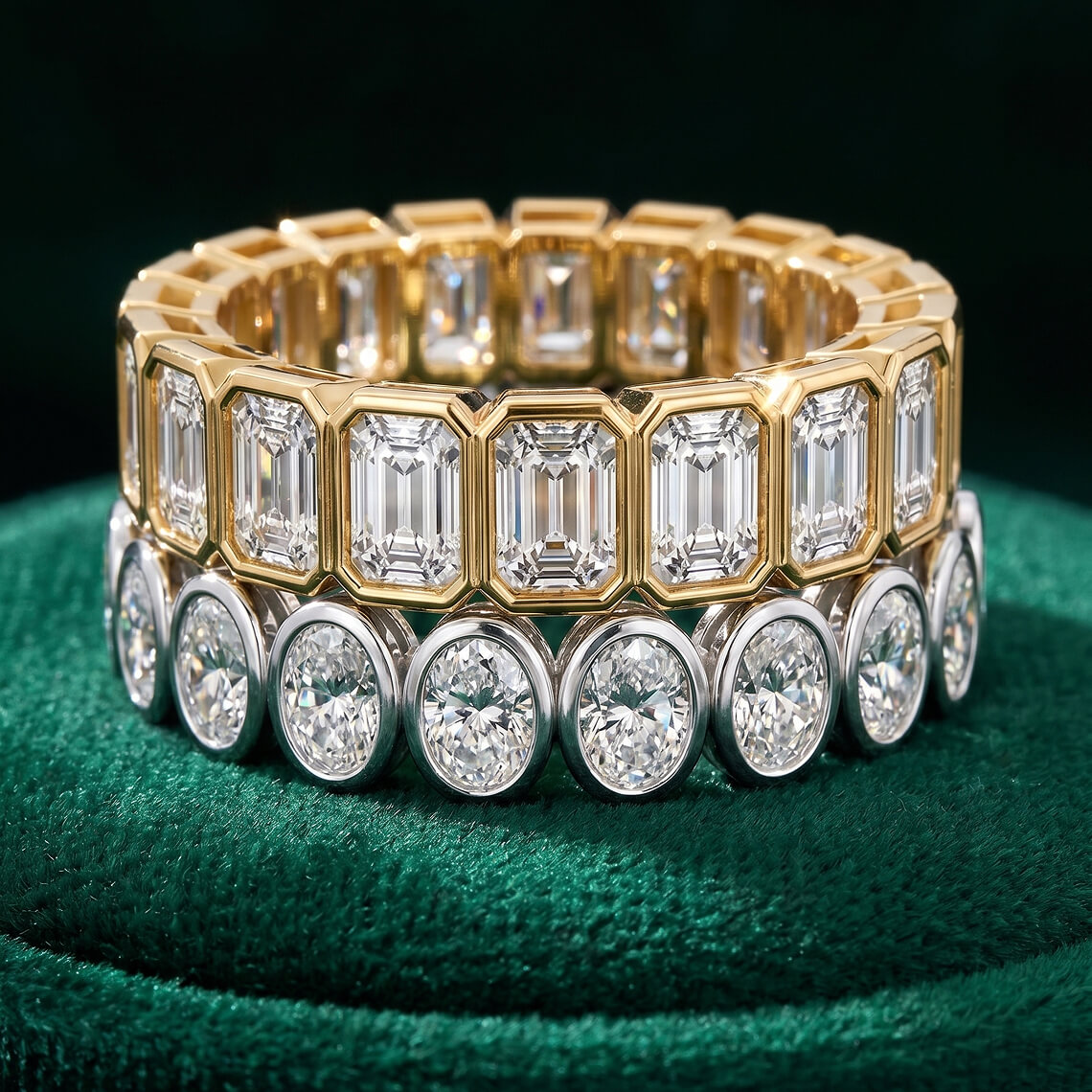
Platinum is a separate, naturally white metal, denser and heavier in the hand than gold. It keeps its color on its own, unlike white gold, which gets its look from a rhodium coating that needs replating once it wears off.
Gold-filled and plated pieces answer the same problem behind InStore's survey: real gold costs more right now. Gold-filled jewelry bonds a thick layer of actual gold to a base metal underneath, giving you real gold color and some durability at a fraction of solid gold's cost. Plated pieces use a much thinner layer that wears down faster, so they suit fashion jewelry you'll eventually replace more than a ring you plan to wear every day for life.
Pros
-
Platinum's density adds a substantial, solid feel that many people prefer for a ring worn daily.
-
Gold-filled pieces let you get real gold color at a lower price point
-
No rhodium replating needed for platinum, unlike white gold
Cons
-
Platinum costs more upfront than any karat of gold
-
Platinum develops a soft patina over time, which some people love, and others want polished off
-
Gold-filled and plated pieces aren't built for a lifetime of daily wear the way solid gold or platinum is
Platinum suits you if you want that low-maintenance color and don't mind paying for it.
Where Your Lab-Grown Diamond Fits Into This Decision
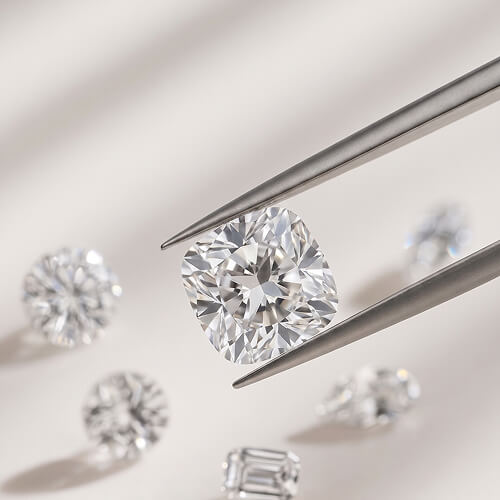
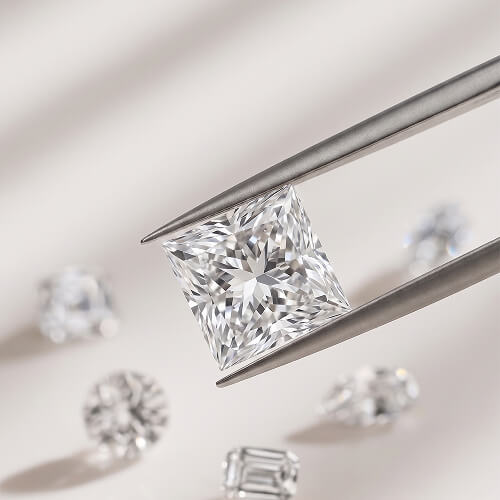
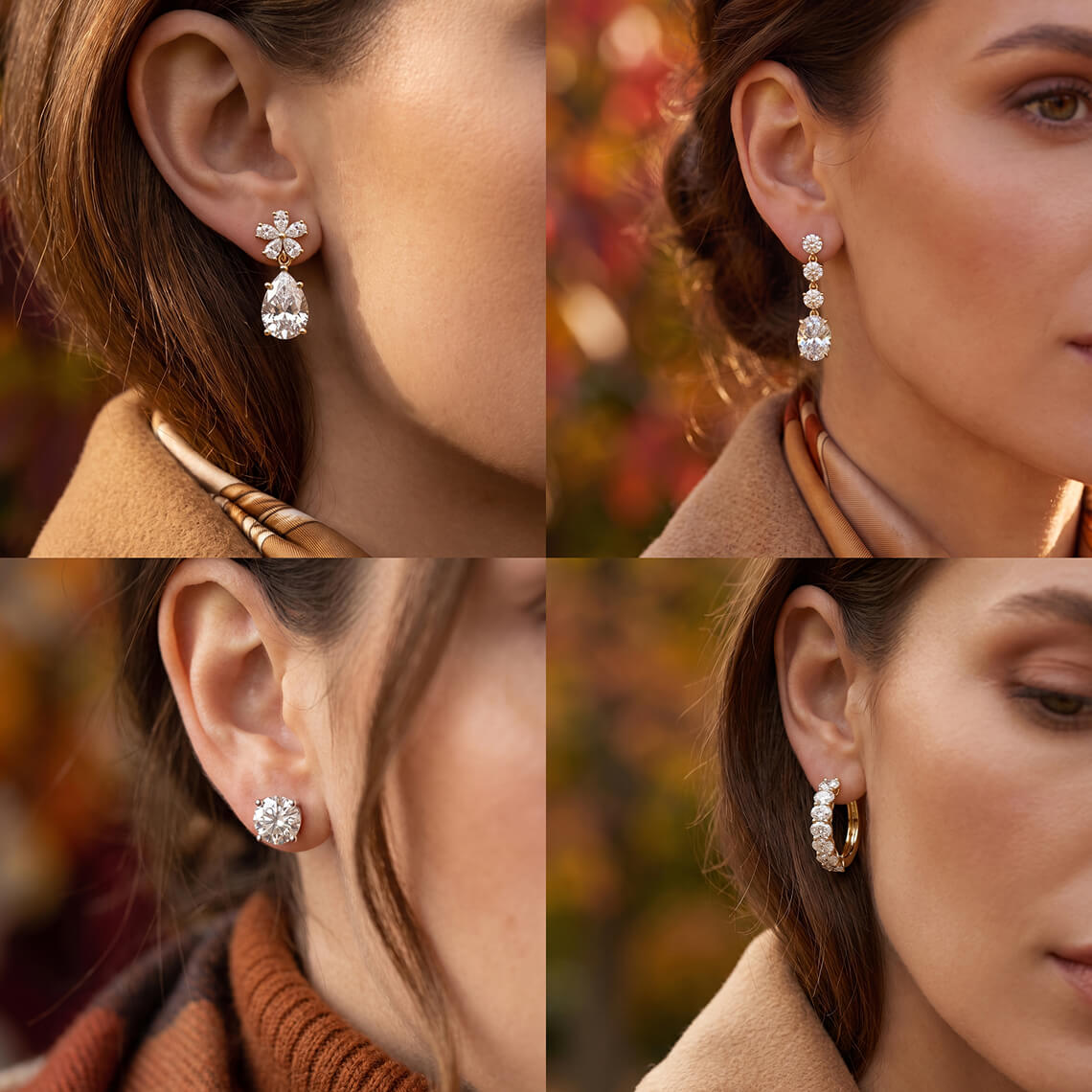
The cost of a lab-grown diamond is much less than a mined diamond of the same size and quality, since it's grown in a lab using the same carbon crystal structure rather than pulled out of the ground. Metal workarounds and lab-grown diamonds, the two trends InStore flagged, both free up budget you can put elsewhere.
Choosing 10kt gold over 14kt, or a gold-filled band over solid gold, puts less of your total budget into the metal. That savings can go toward a larger center stone, a higher color grade (how colorless the diamond is, graded D through Z, with D being closest to colorless), or better cut, which does more for sparkle than size or clarity. Either way, a certified lab-grown diamond engagement ring from a reputable retailer, like Friendly Diamonds, comes with an IGI or GIA grading report, so you know exactly what you're paying for no matter what metal you land on.
Decide what matters more to you, a flashier stone or a heavier, higher-karat setting, before you start browsing rings.
Conclusion
Jewelers surveyed by InStore are watching two trends line up at once. Gold prices are pushing people toward lower karats and alternative metals, while the lab-grown diamonds trend keeps growing as the center stone of choice. Pick the karat or metal that fits how you'll wear the ring day to day, then put what you save toward the diamond itself.
FAQs
Is 10kt or 14kt gold better for an engagement ring?
Why are jewelers predicting a shift away from solid gold right now?
Is gold-filled jewelry the same as gold plated?