Flat 50% OFF sitewide!
NOW & ON BLACK FRIDAY!
UNLOCK FREE LAB DIAMOND JEWELRY ON PURCHASES OVER $1000 


London Jewelers 20.26-Carat D Flawless Diamond Explained
Long Island retailer London Jewelers marked its 100th anniversary with a diamond built for the occasion. Working with Grandview Klein Diamonds, the company cut a 63-carat rough stone from Botswana into a finished 20.26-carat D Flawless diamond in an old mine cushion cut. The final weight was chosen to echo the company's 2026 centennial, according to InStore. The stone's path from rough to polished was tracked through a De Beers provenance program that documents where a diamond came from and how it was cut. The grading terms behind this once-in-a-century stone, D and Flawless, apply to every diamond you'll ever shop for, including the one you're picking out right now.
Table of Content
- What D Flawless Means
- Do You Need a D Flawless Diamond?
- Getting the Same Grades in Lab-Grown, for a Fraction of the Price
- Conclusion
What D Flawless Means
Every diamond gets graded on four things: carat, cut, color, and clarity. Color and clarity sit on separate scales, and D Flawless means a diamond hit the top mark on both at once.
Color: Why D Is the Top
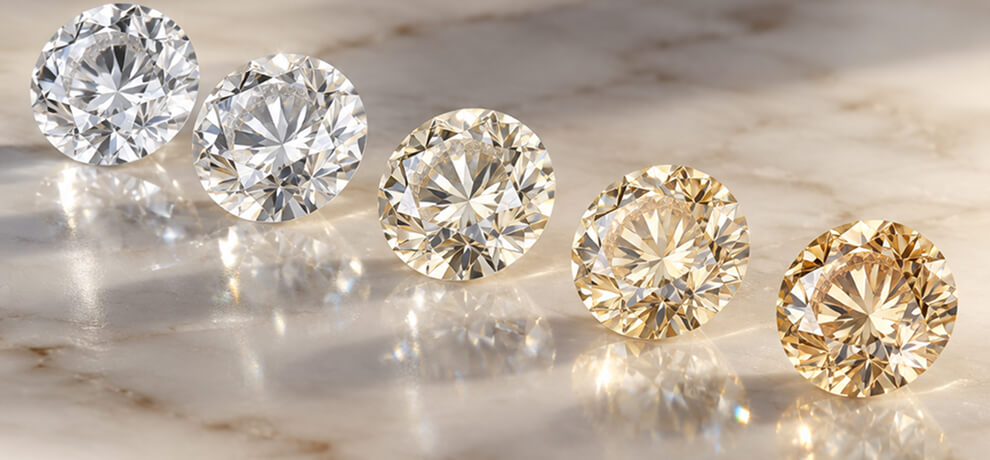
The color scale runs from D to Z, and it measures the absence of color, not the presence of it. No detectable tint shows in a D color diamond, even to a trained grader comparing it against master stones under controlled lighting. Most engagement rings are set with G through I color diamonds, which still look colorless to the eye once mounted. D just confirms there's nothing there to see, even under a jeweler's scrutiny.
Clarity: Why Flawless Is the Top
Clarity measures internal and surface characteristics called inclusions and blemishes, basically nature's fingerprints left behind during formation. It's graded on a separate scale, running from Flawless, then Internally Flawless, VVS, VS, SI, and I. Flawless means a gemologist finds nothing, inside or outside the stone, under 10x magnification. VS clarity diamonds, a few rungs down, are already clean enough that you'd need a loupe and a trained eye to find anything at all.
Put the two together and D Flawless becomes a milestone grade rather than a routine one. Very few rough stones come out of the ground clean and colorless enough to survive cutting without a single mark or trace of tint. That scarcity is a big part of why a 20.26 carat D flawless diamond example was worth building an entire anniversary story around.
Do You Need a D Flawless Diamond?
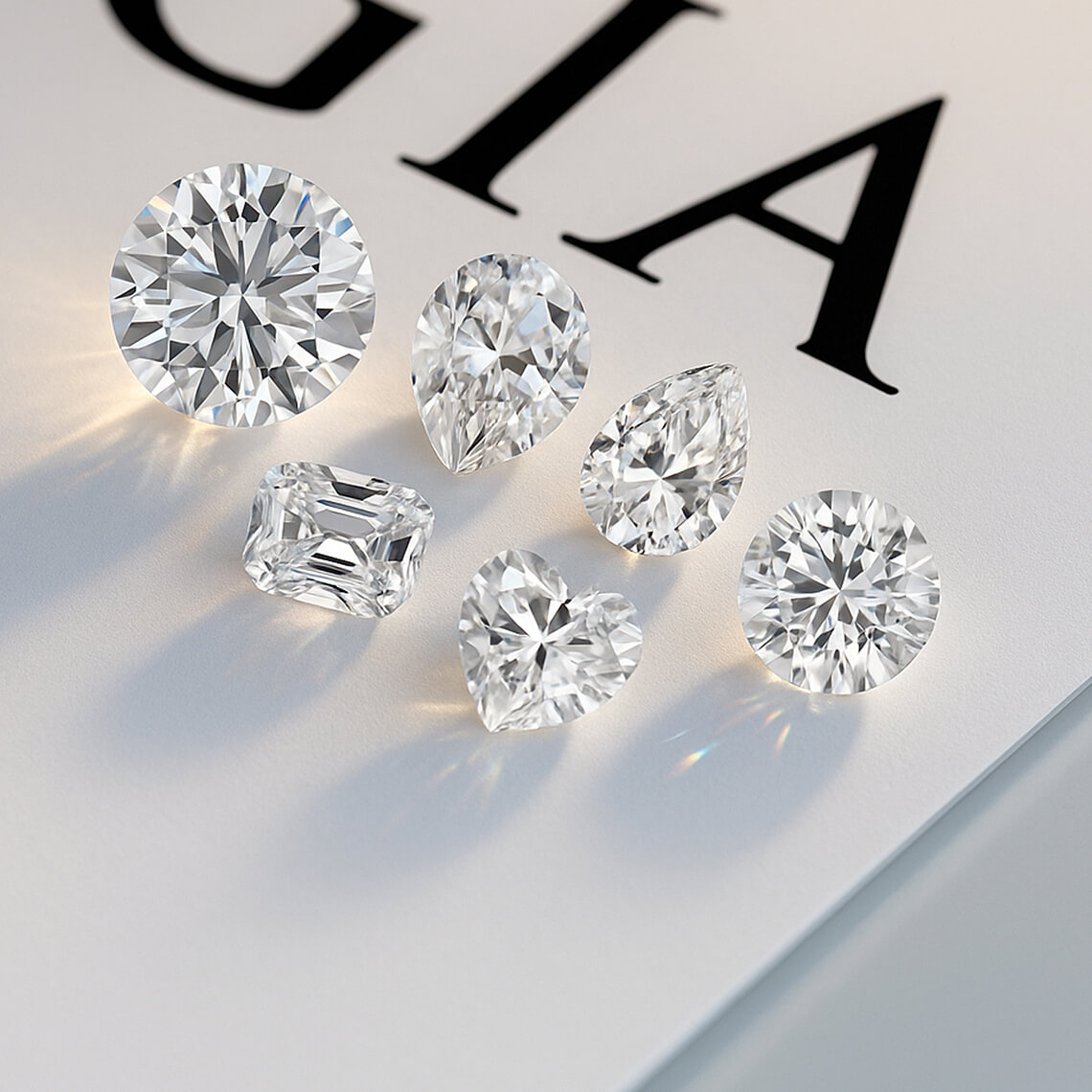
The honest answer is rarely, at least not at normal ring sizes. Once a diamond is set on a hand, the difference between D and F color, or between Flawless and VS clarity, disappears to the naked eye. You end up paying a steep premium for grading distinctions that a jeweler's loupe can see and you can't.
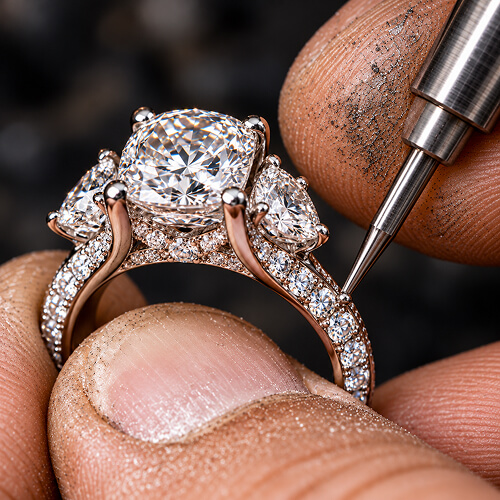
Cut matters too. A stone's body color and clarity show more openly in a cut-cornered, step-faceted shape like a cushion-cut diamond than in a round brilliant, since its larger, flatter facets don't scatter light in the same busy pattern. If you're shopping for a cushion cut specifically, be a little more deliberate about color and clarity. You don't have to go as high as D Flawless diamond to land a stone that looks clean and white.
Getting the Same Grades in Lab-Grown, for a Fraction of the Price
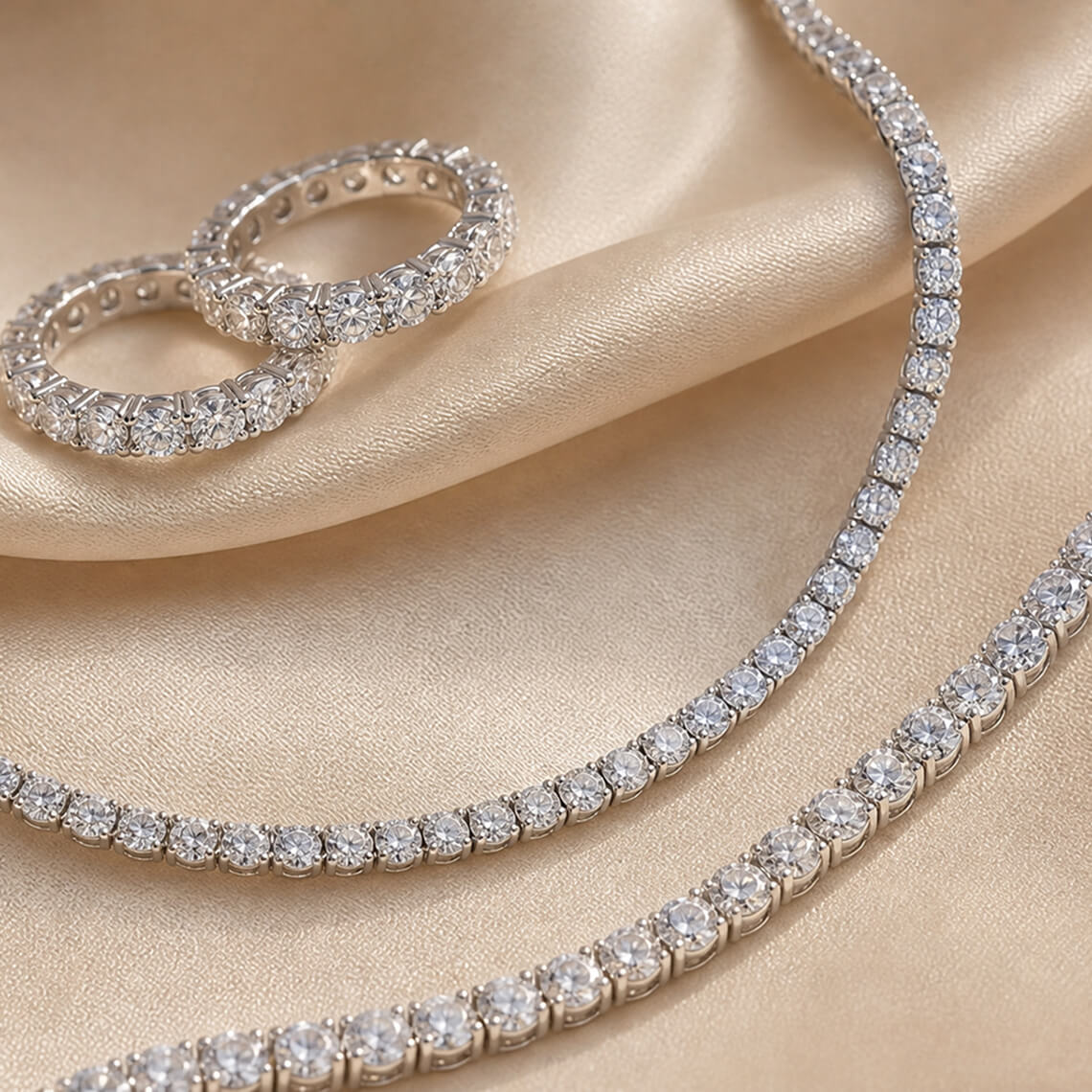
The exact same color and clarity scales apply to a lab-grown diamond as to a natural one, graded by the same labs, GIA and IGI. A lab-grown stone can reach D color. It can reach Flawless clarity too. Hitting both at once is possible, just like the stone London Jewelers commissioned, because the grading system doesn't care where the carbon came from.
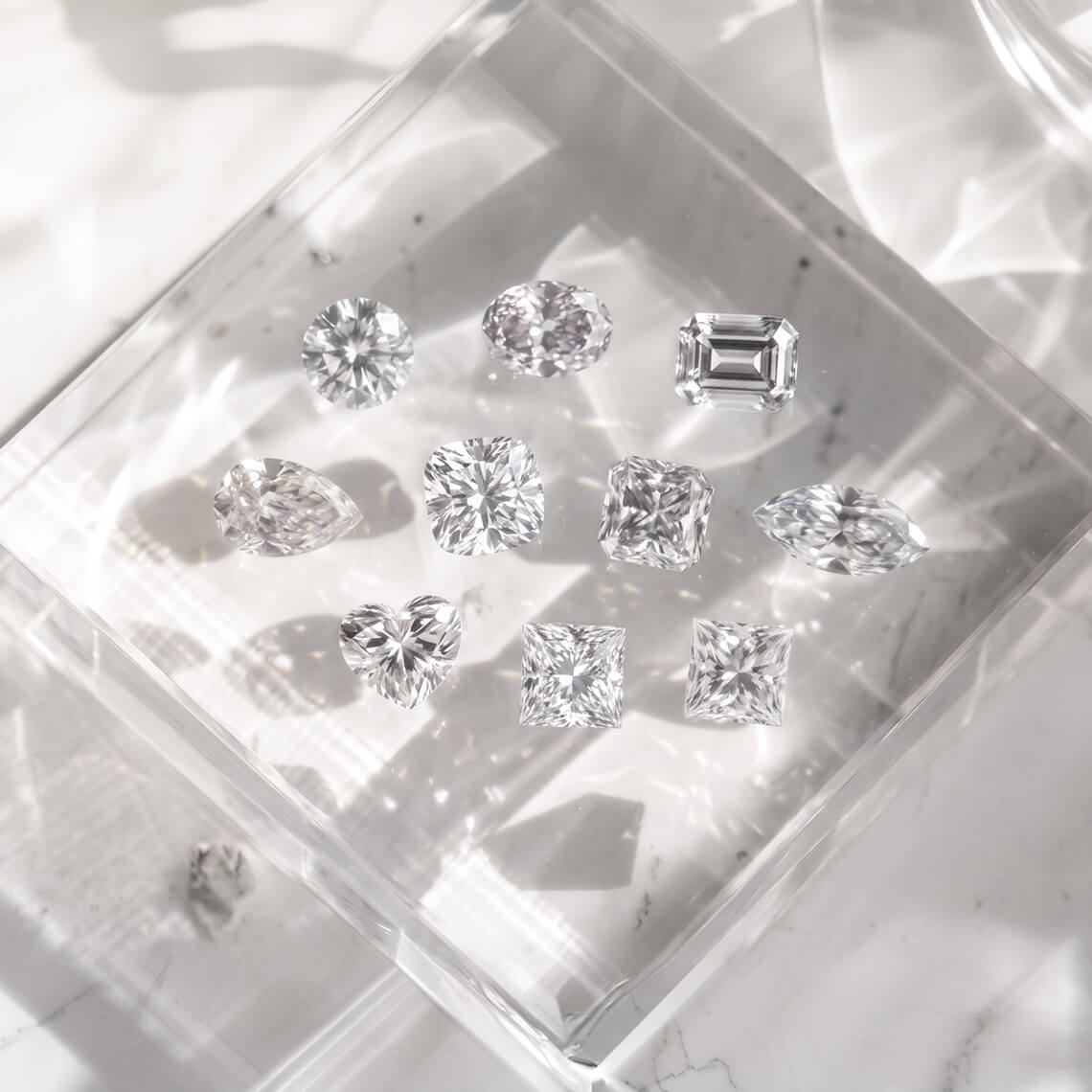
The gap is entirely in price. Natural diamonds anywhere close to D Flawless, especially a high-quality natural diamond at a meaningful carat weight, command a serious premium precisely because stones that clean are so rare to find in the ground. Those same grades in a lab-grown diamond don't carry that scarcity premium, since it's grown under controlled conditions rather than found. That's a core reason Friendly Diamonds exists: you can choose the grades you want, including a D Flawless cushion-cut diamond, without paying for a rarity that doesn't show once the ring is on.
If you're shopping for a cushion-cut diamond and want that clean, bright look the shape is known for, aim for D to F color and VS2 or better clarity in lab-grown. Then put what you save toward a larger center stone or a better setting. Every diamond you buy should come with a certificate from GIA or IGI stating these exact grades in writing, so you know precisely what you're getting before you commit.
Conclusion
D Flawless is the grading equivalent of a perfect score: color with zero tint, clarity with zero marks. It's rare enough that a single stone like London Jewelers' 20.26 carat cushion-cut diamond becomes a hundred-year milestone. Aim for a diamond that looks just as white and clean as a D Flawless stone, sized and priced to fit your life, and lab-grown gets you there.
FAQs
What does D Flawless mean on a diamond certificate?
Is a D Flawless diamond worth it for an engagement ring?
Can a lab-grown diamond be D Flawless?
Why do color and clarity matter more on a cushion-cut diamond?