Flat 50% OFF sitewide! BLACK FRIDAY sale live now! 




Can You Resell Lab-Grown Diamonds? A Realistic Guide to Their Value
When Valerie from Montrose, Houston, thought of selling her lab-grown diamond engagement ring, she had a question: “How much of the original price can I recover?” This is a common question that comes to the minds of many jewelry owners.
She was surprised to know that some jewelers provide great trade-in opportunities, although the cash resale for jewelry might be relatively modest.
This situation highlights an important distinction. The resale price of lab-grown diamonds varies depending on how and where you sell them. Even the current market price and retailer policies may have a say in the matter.
Table of Content
Can Lab-Grown Diamonds Have Resale Value?
Why Do Lab-Grown Diamonds Have Low Resale Value?
How Much Can You Resell a Lab-Grown Diamond For?
What Factors Affect Lab-Grown Diamond Resale Value?
Lab-Grown Diamond Resale Value vs Natural Diamond Resale Value
Can You Trade-In Or Upgrade a Lab-Grown Diamond?
How to Get the Best Possible Resale Price for a Lab-Grown Diamond
Should Resale Value Impact Your Lab-Grown Diamond Purchase Decision?
Can Lab-Grown Diamonds Have Resale Value?
Yes, you can sell lab-grown diamonds. But you would be unlikely to recoup their original retail value.
Here are three terms to be familiar with:
• Resale value: The amount of money you can get when you resell your diamond.
• Trade-in value: Credit offered by a jeweler toward a new purchase.
• Market value: The price buyers would be willing to pay for a diamond under current market conditions.
A diamond may have resale value without bringing in a lot of cash. Neither lab-made nor mined diamonds can be bought with guaranteed investment expectations.
Why Do Lab-Grown Diamonds Have Low Resale Value?
Manufacturers can now create lab-grown diamonds with established technologies. Hence, there has been a growing supply in the marketplace. Wholesale prices have decreased due to increased supply and a decrease in production costs.
Jewelry industry publication JCK reports that the average wholesale price of lab-grown diamonds fell 13% year over year in Q2 2026.
This has an impact on second-hand demand. The growing availability of lab-grown diamonds and changes in production costs have contributed to pricing pressure in the market. Setting costs, the craftsmanship, business costs, and margins of the retailer are also part of retail prices. Such costs may not be recovered at resale.
How Much Can You Resell a Lab-Grown Diamond For?
There is no reliable fixed percentage of the original purchase price that every seller can expect. The jeweler will either offer a modest amount or refuse to buy the stone. Private buyers may offer a higher price, but finding one can take time.
Take into account the various ways of selling:
• Local jeweler - Easy to assess, but limited interest in buying.
• Online marketplace - Greater control over asking price, fees, and buyer negotiations.
• Private sale - More responsibility for you to verify the buyer and complete the transaction safely.
• Retailer trade-in - Store credit toward another purchase, based on retailer terms and conditions
Online asking prices may not be evidence of completed sales. You need to research options before calculating the value of your diamond.
What Factors Affect Lab-Grown Diamond Resale Value?
There are a number of factors that will determine whether or not a buyer will consider your diamond and what they may offer it.
• Carat weight - Bigger diamonds may generate interest. But supply and current replacement prices can affect offers.
• Cut, color, and clarity - Well-cut stones with desirable grades could be easier to market.
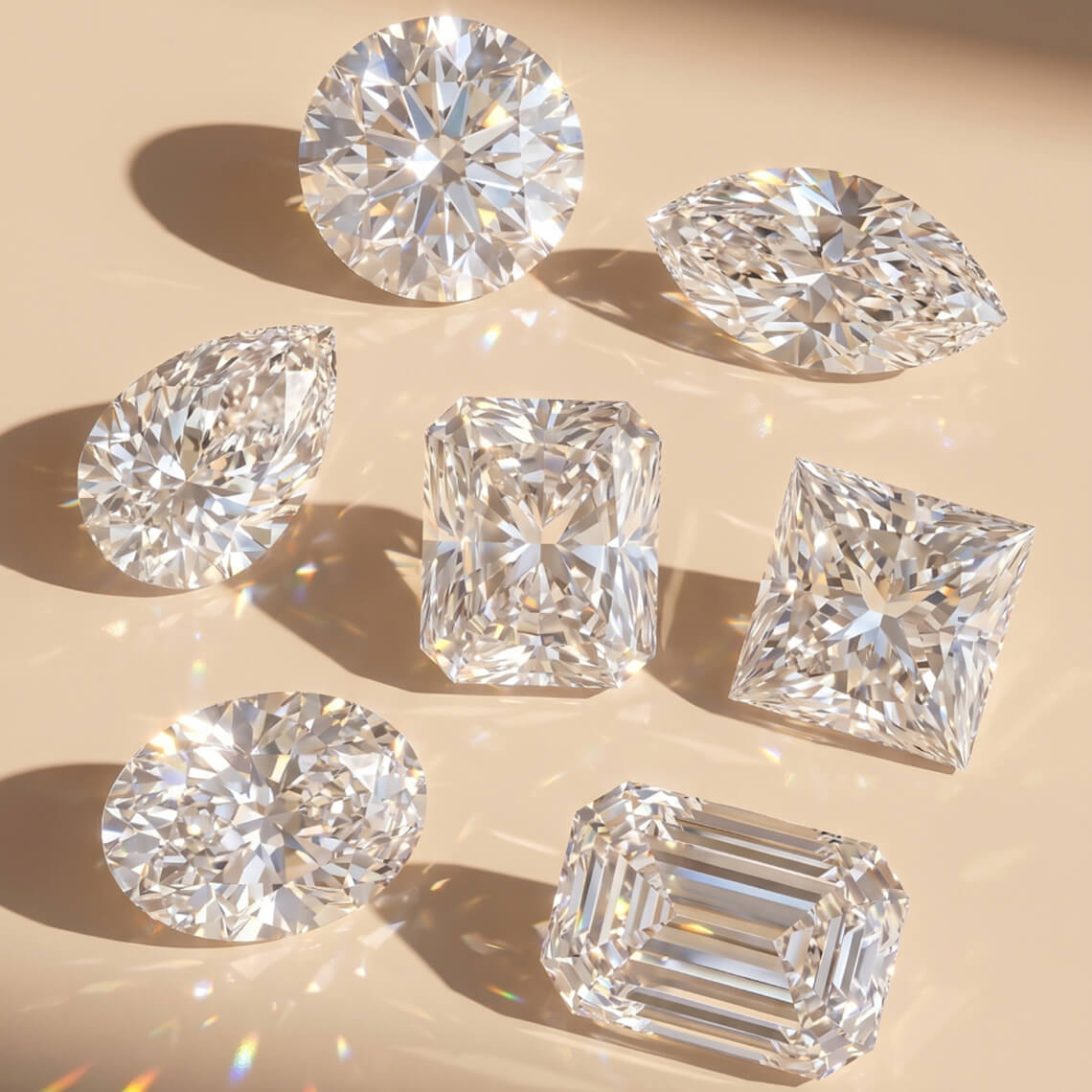
• Shape - Round, oval, emerald, and other shapes appeal to various buyers.
• Certification - IGI provides grading reports that document a lab-grown diamond's identity and quality characteristics. GIA also offers quality assessments for lab-grown diamonds.
• Condition - Interest may go down due to chips, scratches, or damaged settings.
• Brand and design - Distinguishable designs can draw certain customers.
• Market timing - Resale offers will be affected by the current prices of similar new diamonds.
A grading report can help in checking specifications but does not guarantee a specific resale amount.
Can You Trade-In Or Upgrade a Lab-Grown Diamond?
A trade-in programme can be provided as an alternative where cash resale is not particularly valuable.
Friendly Diamonds has a Lifetime Trade-In and Upgrade Service for qualifying purchases of diamonds. Under the current policy, customers receive store credit equivalent to the original purchase price once the returned item passes the required quality check. The new item must be worth at least twice the credit value.
For example, a qualifying purchase originally worth $4,000 could receive $4,000 in store credit toward a new item worth at least $8,000. The service is subject to conditions and exclusions, so customers should review the full policy before proceeding.
There are exclusions, documentation requirements, and other conditions for the programme, and it needs to be quality-checked. Store credit can’t be considered as cash resale proceeds.
How to Get the Best Possible Resale Price for a Lab-Grown Diamond
With a little preparation, you’ll be in a better position to get a good offer.
• Gather the original grading report, invoice, and purchase records.
• Compare retail prices of diamonds with similar specifications.
• Request multiple offers from independent buyers.
• Compare cash offers with eligible retailer trade-in offers.
• Determine marketplace commissions, shipping, insurance, and other selling costs.
When selling a whole ring, you can ask if the purchaser is interested in valuing the diamond, precious metal, and setting separately.
Should Resale Value Impact Your Lab-Grown Diamond Purchase Decision?
Before buying a lab-grown diamond, you need to think about how much you might recover if you decide to sell it later. However, your decision should focus more on the diamond’s beauty, quality, affordability, and how long you intend to wear it.
Consider expectations for resale, especially when buying something big. They shouldn’t be the main consideration in your diamond selection, though.
Lab-created diamonds exhibit all the core physical, chemical, and optical characteristics of mined diamonds and at a much lower initial cost. This cost-effectiveness may enable you to use a bigger stone or higher grades and still be within your budget.
Its personal value and the value that you place on it may be more important than the resale value, if you plan to wear and treasure the jewelry for years.
Conclusion
Lab-grown diamonds can have resale value. But different factors decide the amount you can recoup. These factors include market conditions, buyer demand, and selling arrangements. You can compare cash offers, trade-in potential, and avoid assuming future appreciation. You can choose a lab-grown diamond for its dazzling sparkle, quality, and affordability.
FAQs
Do lab-grown diamonds lose value over time?
Are lab-grown diamonds harder to resell than natural diamonds?
Does a certificate from an IGI or GIA add value to a diamond's resale price?
Can you resell a lab-grown diamond engagement ring?
Are lab-grown diamonds a good investment?
Is it better to sell a lab-grown diamond loose or as a ring?