Flat 50% OFF sitewide!
NOW & ON BLACK FRIDAY!
UNLOCK FREE LAB DIAMOND JEWELRY ON PURCHASES OVER $1000 


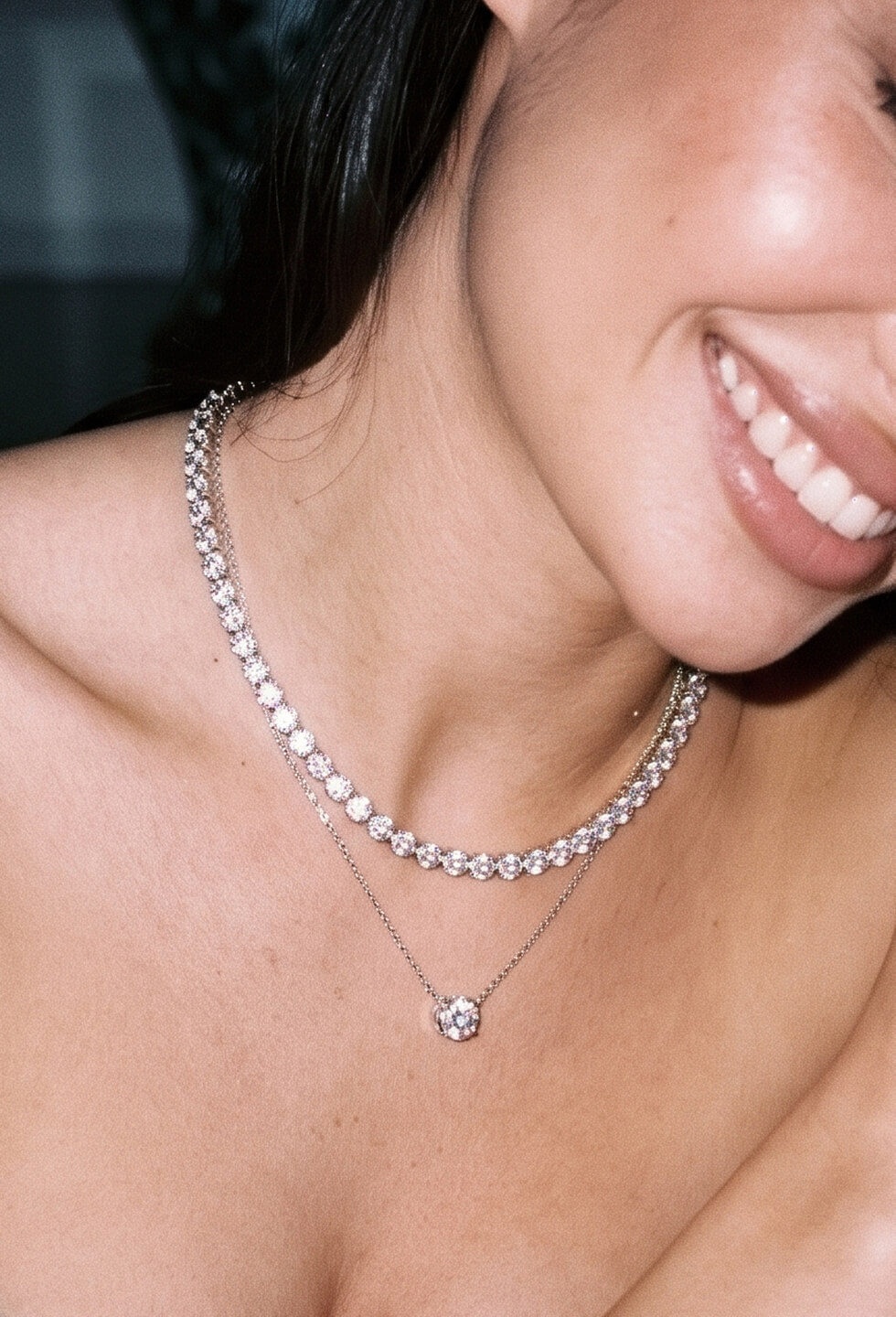


Pendant Vs. Necklace - What Is The Difference And Which Should You Buy?
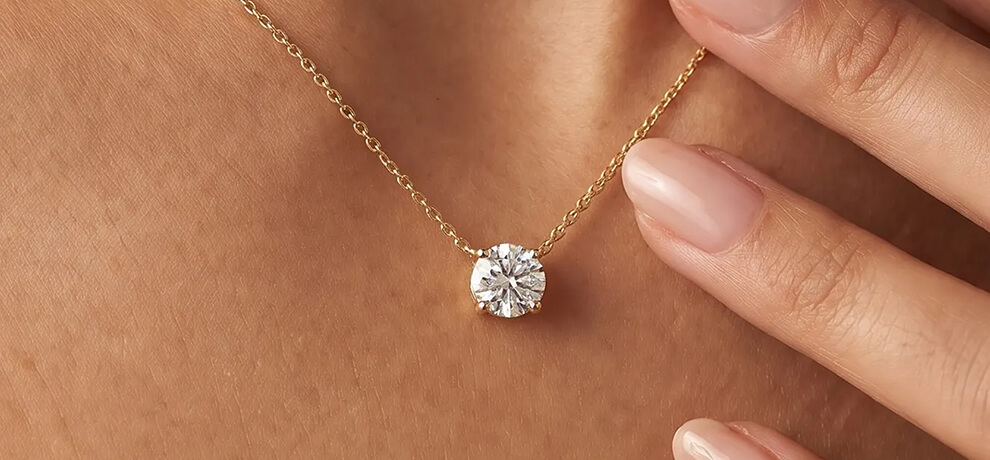
A subtle diamond pendant can provide a touch of elegance for your daily wardrobe. A diamond necklace can make a greater statement at a formal gathering. Both are beautiful additions to a jewelry collection. But they differ in design, versatility, and how you wear them.
If you're confused about choosing between a pendant vs necklace, this guide will help you understand the differences and decide which is right for you.
Table of Content
- What is a Pendant?
- What is a necklace?
- Pendant vs Necklace - The Difference
- Pendant vs Necklace - Which Should You Buy?
- Choosing the Ideal Pendant or Necklace
- What to Check Before Buying a Pendant or Necklace
- Conclusion
What is a Pendant?
Pendants are jewelry pieces that hang from a chain, cord, or ribbon. They feature a bail or a small loop that allows the chain to pass through the bail. Many pendants come off, while some can stay attached to the chain.
Popular Pendant Styles
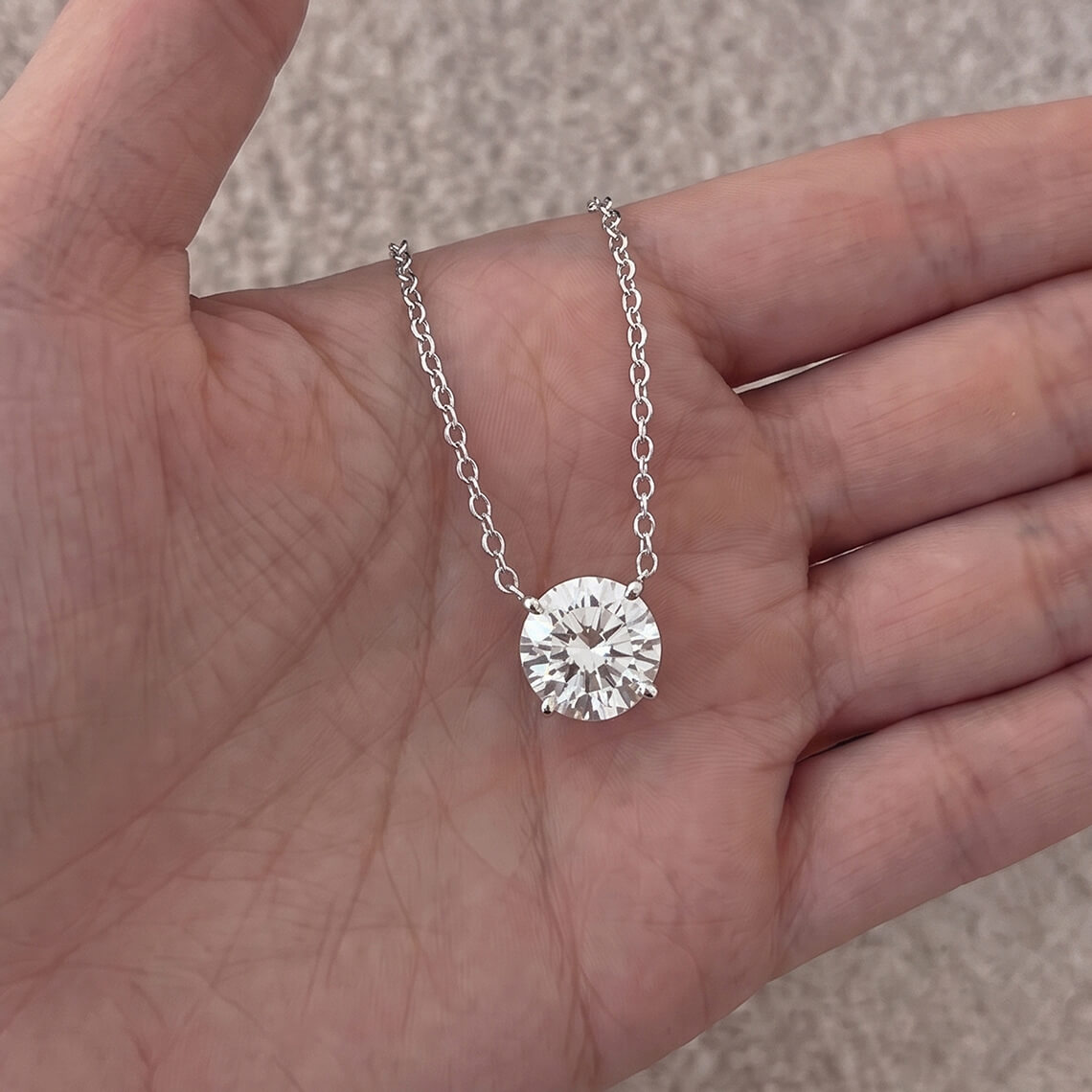
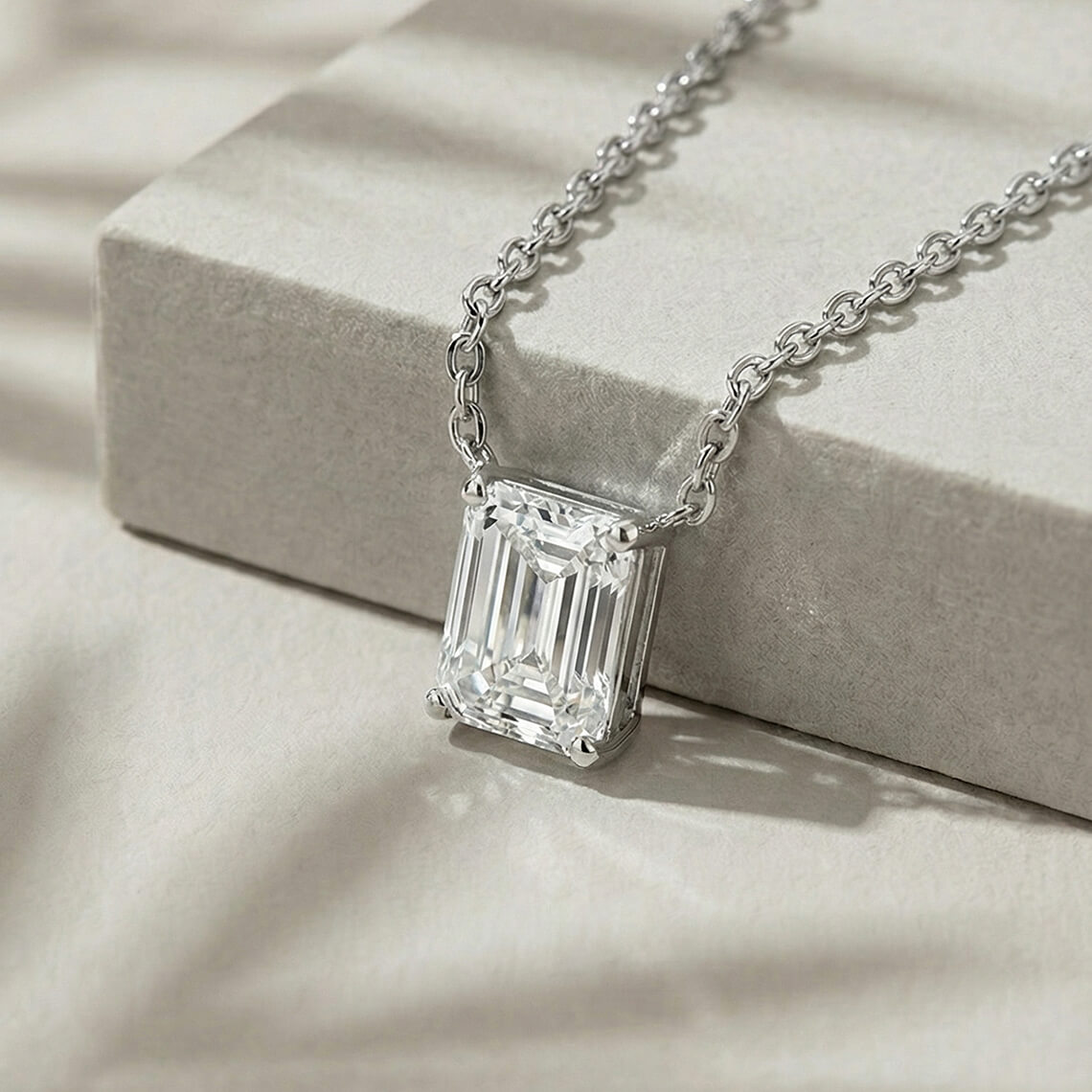
• Solitaire diamond pendants
They feature a single diamond. Hence, the stone’s shape and brilliance remain the focal point.
• Halo pendants
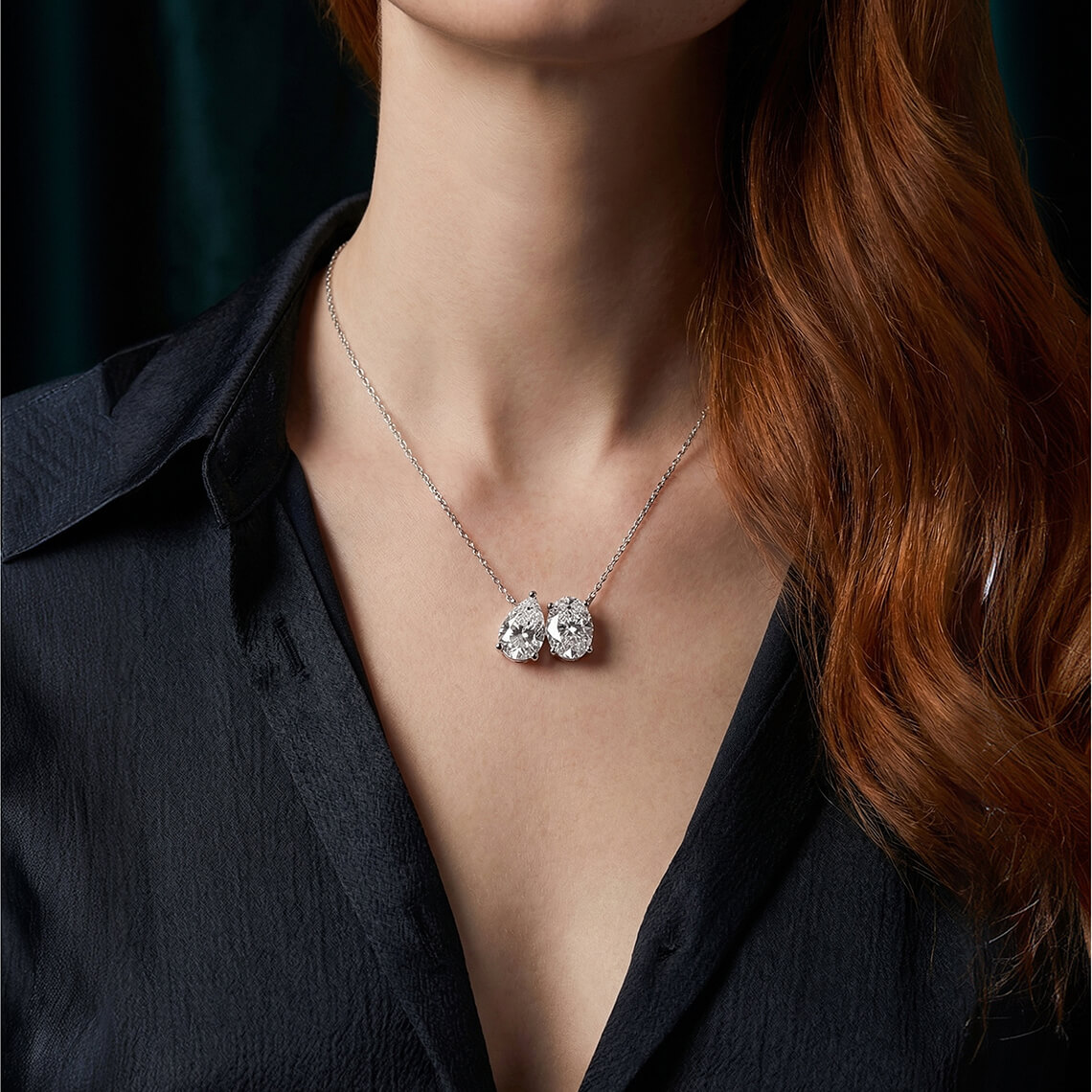
The center stone is set with additional smaller diamonds for extra sparkle and more visual volume.
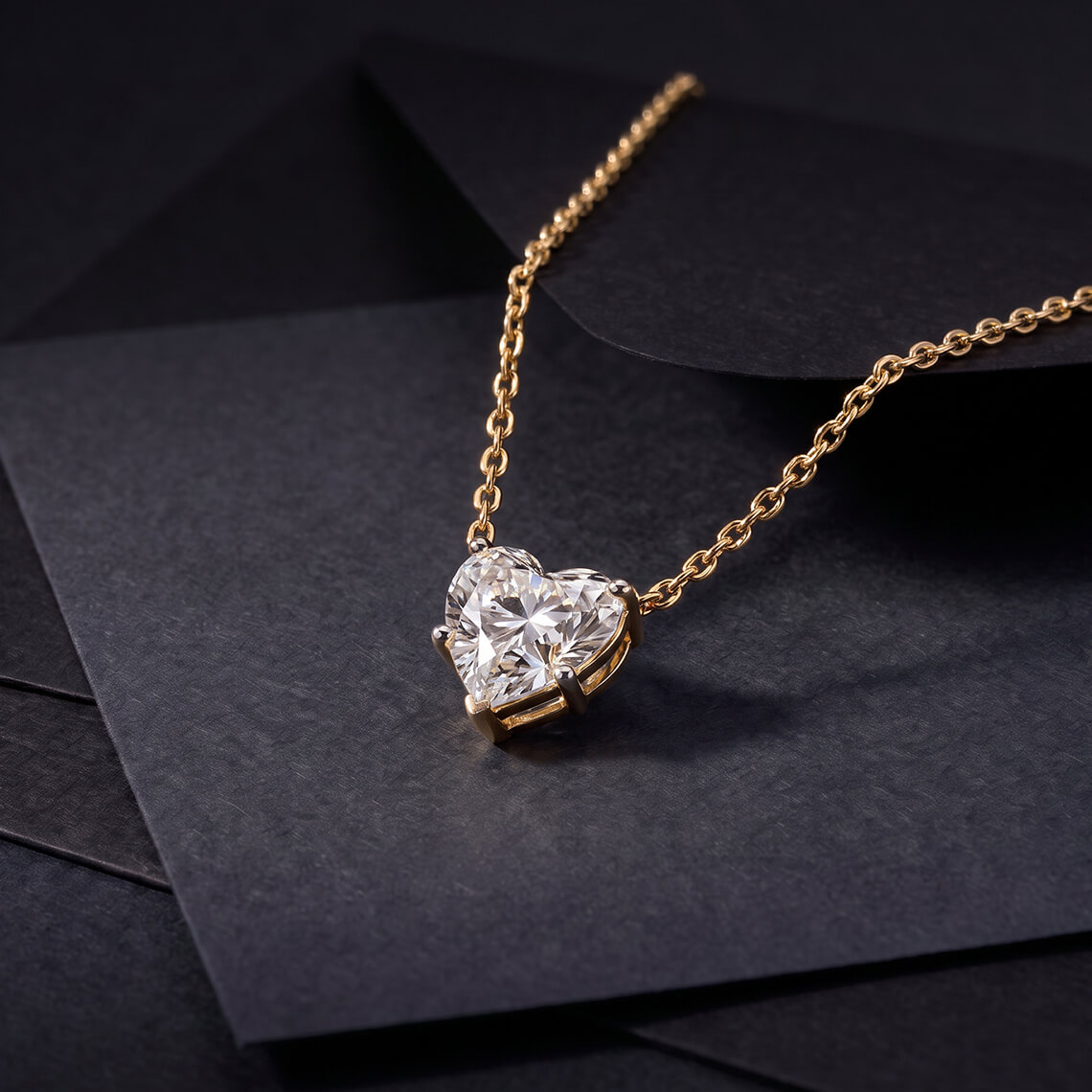
• Heart pendants
Symbolize love and care, especially as a gift for an anniversary or Valentine's Day.
• Initial pendants
Feature letters that spell your name or a soulmate’s name.
• Locket pendants
Pendants open to store a picture or personal keepsake.
What is a necklace?
A necklace is a complete piece of jewelry worn around the neck. It can feature a simple chain, diamonds, gemstones, or other decorative elements. Unlike a pendant, which is an individual decorative piece, a necklace is the complete jewelry item. Some necklaces also feature pendants as part of their design.
Types of Necklaces
• Chain Necklaces
Different interconnected metal links, such as cable chains, box chains, and more.
• Choker Necklaces
These necklaces rest very close to the base of your throat and look best with lower necklines.
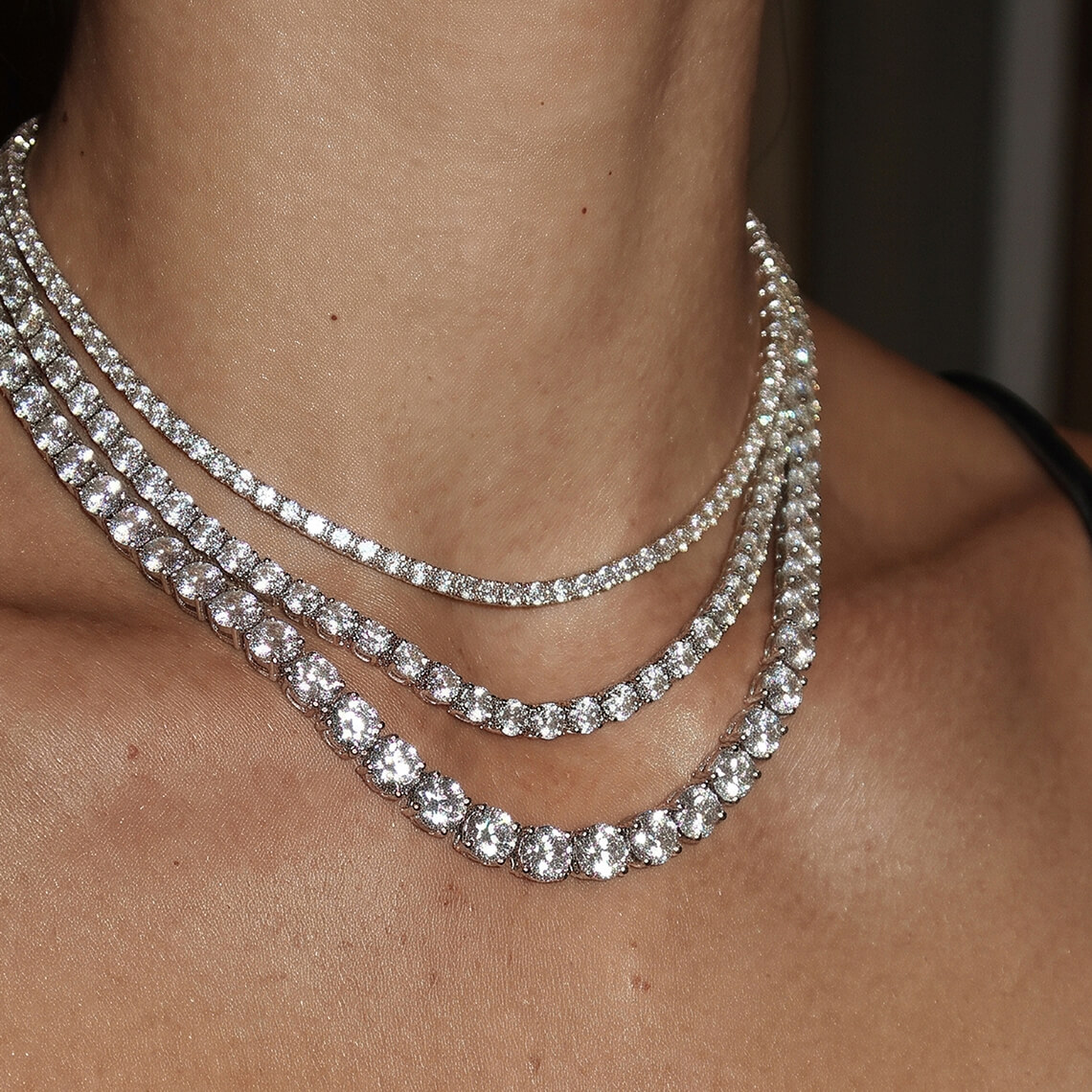
• Tennis Necklaces
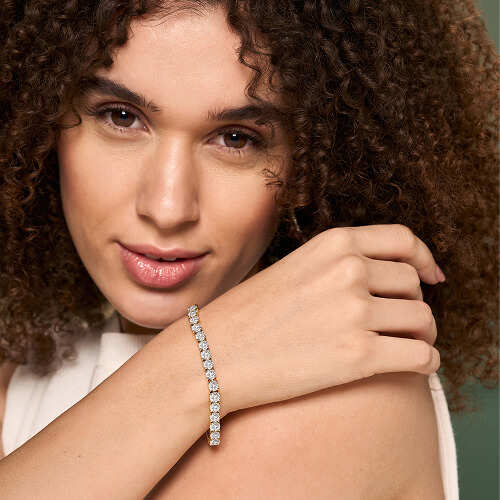
These are necklaces lined with diamonds. The stones are usually set one next to another, forming an unbroken row of sparkle.
• Station Necklaces
These contain gemstones or other decorative elements set along the length of a chain. There are typically larger spaces in between them.
• Statement Necklaces
These necklaces are much more intricate than the other styles mentioned. Big, flashy gems are often included in statement necklaces. They come with elaborate and heavy metalwork with unique design features.
Pendant vs Necklace - The Difference
The distinction lies primarily in how the jewelry is constructed and worn. A pendant is a decorative element. A necklace is the whole wearable piece of jewelry.
Here are some key differences.
|
Feature |
Pendant |
Necklace |
|
Definition |
A hanging decorative element |
A complete piece of neck jewelry |
|
Design |
Usually features a central motif or gemstone |
Can feature diamonds, gemstones, or metal links throughout |
|
Chain requirement |
Generally requires a chain or cord |
Designed to be worn independently |
|
Customization |
Removable designs allow chain changes |
Usually has an established design |
|
Styling |
Creates a focal point |
Can provide detail across the neckline |
|
Cost |
May require a separate chain purchase |
Typically priced as a complete piece |
|
Versatility |
Can be paired with compatible chains |
Depends on the necklace's design |
When you combine a pendant with a chain, the finished piece becomes a pendant necklace.
Pendant vs Necklace - Which Should You Buy?
To make a decision between the two options, think about how you will be wearing the jewelry. If you have some compatible chains, pendants offer an advantage of flexibility. If you would prefer a design that you didn't have to match the individual components to the necklace, then a standalone necklace might be best.
|
Your Preference or Purpose |
Recommended Jewelry |
|
Simple yet sophisticated style for daily attire |
Solitaire diamond necklace |
|
Formal events |
Diamond tennis necklace |
|
Sentimental gifting |
Heart pendant, Initial, Birthstone pendant |
|
Layering with existing jewelry |
Fine chain or a station necklace |
|
A unique evening piece |
Halo pendant or statement necklace |
|
Flexibility to change chains |
Removable pendant |
|
A complete jewelry design |
A stand-alone necklace. |
When comparing necklace vs pendant costs, be sure to include the price of a suitable chain if the pendant is sold separately.
Choosing the Ideal Pendant or Necklace
When picking out fine jewelry, think about more than its visible appearance. You should also consider how comfortable it is and how often you can wear it. This insight will be a boon. It will help you pick the ideal jewelry with the right proportions, materials, construction, and fit. Here are some factors to keep in mind.
Design
A simple solitaire necklace is an excellent choice for both office and casual settings. A tennis necklace will provide more emphasis, and a halo pendant will provide more visual detail. If you want something more sentimental, an initial pendant or engraved locket is the ideal choice.
Metal
Select a metal that complements your existing jewelry and suits your care preferences. Yellow gold offers a classic, warm look, while rose gold has a softer, rosy tone. Colorless diamonds look beautiful in both white gold and platinum settings. Rhodium-plated white gold may need replating over time as the coating wears away. Platinum, on the other hand, can develop a natural patina with regular wear and may need polishing to restore its original finish.
Diamond and Gemstone Options
The diamond’s quality is an integral part of any diamond pendant buying guide. When shopping, check out cut, color, clarity, and carat weight.
Lab-created diamonds are typically more flexible in size and quality for a specific budget compared to natural diamonds. Furthermore, examine the stone's size and dimensions to see the actual size of the stone and not just the carat weight.
Chain Length
Chain length determines where a necklace sits on your chest and how it pairs with different necklines. Shorter chains sit closer to the neck, while longer chains fall lower on the chest. Consider your preferred fit, the neckline of your outfits, and whether you plan to wear the necklace on its own or layer it with other pieces.
|
Chain length |
Approximate position |
Suitable styling |
|
14–16 inches |
Around the neck or the base of the neck |
Chokers, delicate pendants |
|
18 inches |
Around the collarbone |
Everyday diamond pendants |
|
20 inches |
Under collarbone |
Open-necked shirts and layering |
|
22-24 inches |
Upper to mid-chest |
Larger pendants and higher necklines |
|
30 inches and above |
Lower chest |
Statement pendants and long necklaces |
The pendant size, your body proportions, and your neck size will help you choose the right chain length. Before you choose a necklace length, first measure a necklace that you currently own that fits well.
Chain type and thickness
Lightweight pendants can be paired with fine cable chains and box chains. Larger or heavier pendants may require a thicker, sturdier chain to support their weight safely.
Ask your jeweler whether the chain is suitable for your pendant. Along with thickness, consider its construction and metal quality, as these also affect its strength and durability.
Setting and Security
The setting plays an important role in both the appearance and security of a diamond pendant. Prong settings use small metal claws to hold the diamond in place while allowing more of the stone to remain visible. Bezel settings use a metal rim around the diamond's perimeter, offering additional edge protection and a sleek profile.
For pear-shaped or marquise diamonds, make sure the setting adequately protects the pointed ends, as these areas can be more vulnerable to damage.
Versatility
Take into account how the piece matches your other jewels such as necklaces, bracelets, and earrings. If layering is your thing, opt for a variety of chain lengths so that each piece will remain easily seen and won't tend to tangle.
What to Check Before Buying a Pendant or Necklace
|
Buying Factor |
What To Look Out For |
|
Chain included or not |
Check if the chain is included in the pendant's listing price or not |
|
Bail size |
Make sure that the chain and end fittings will go through the pendant's bail |
|
Weight compatibility |
Ensure the chain design is capable of safely carrying the pendant |
|
Metal purity |
Look for quality marks like 14KT, 18KT, or 950 platinum |
|
Clasp quality |
See if the clasp is secure and moves easily |
|
Diamond weight |
Understand the difference between single diamond weight and total carat weight for multiple stones |
|
Return policy |
Check the retailer's return and refund policy before purchasing. Pay particular attention to any exclusions for custom-made or personalized jewelry, as these items may not be eligible for returns. |
|
Warranty and aftercare |
Check the warranty and aftercare scope of repair for clasps, loose stones, and manufacturing defects. |
Furthermore, the US Federal Trade Commission suggests referring to the quality markings of precious metal, information about the seller of fine jewelry, and written return policies prior to buying.
Conclusion
The pendant vs necklace decision is all about how you want to wear the jewelry. Pendants can add personalization and flexibility to an ensemble. Standalone necklaces offer a complete design.
When buying, you should take into account the materials used, the length of the chain, the quality of the gems, and how comfortable they will be to wear every day. The item must not only blend with your style, but also stay relevant for different occasions.
FAQs
Is a pendant the same as a necklace?
Can you wear a pendant without a chain?
Does every necklace have a pendant?
Does a pendant come with a chain?
Can you put any pendant on any chain?
What is the difference between a pendant necklace and a chain necklace?
Is a pendant or a necklace better for wearing daily?
Are diamond pendants a good gift?