Flat 50% OFF sitewide!
NOW & ON BLACK FRIDAY!
UNLOCK FREE LAB DIAMOND JEWELRY ON PURCHASES OVER $1000 


The Science Behind Lab Grown Diamonds
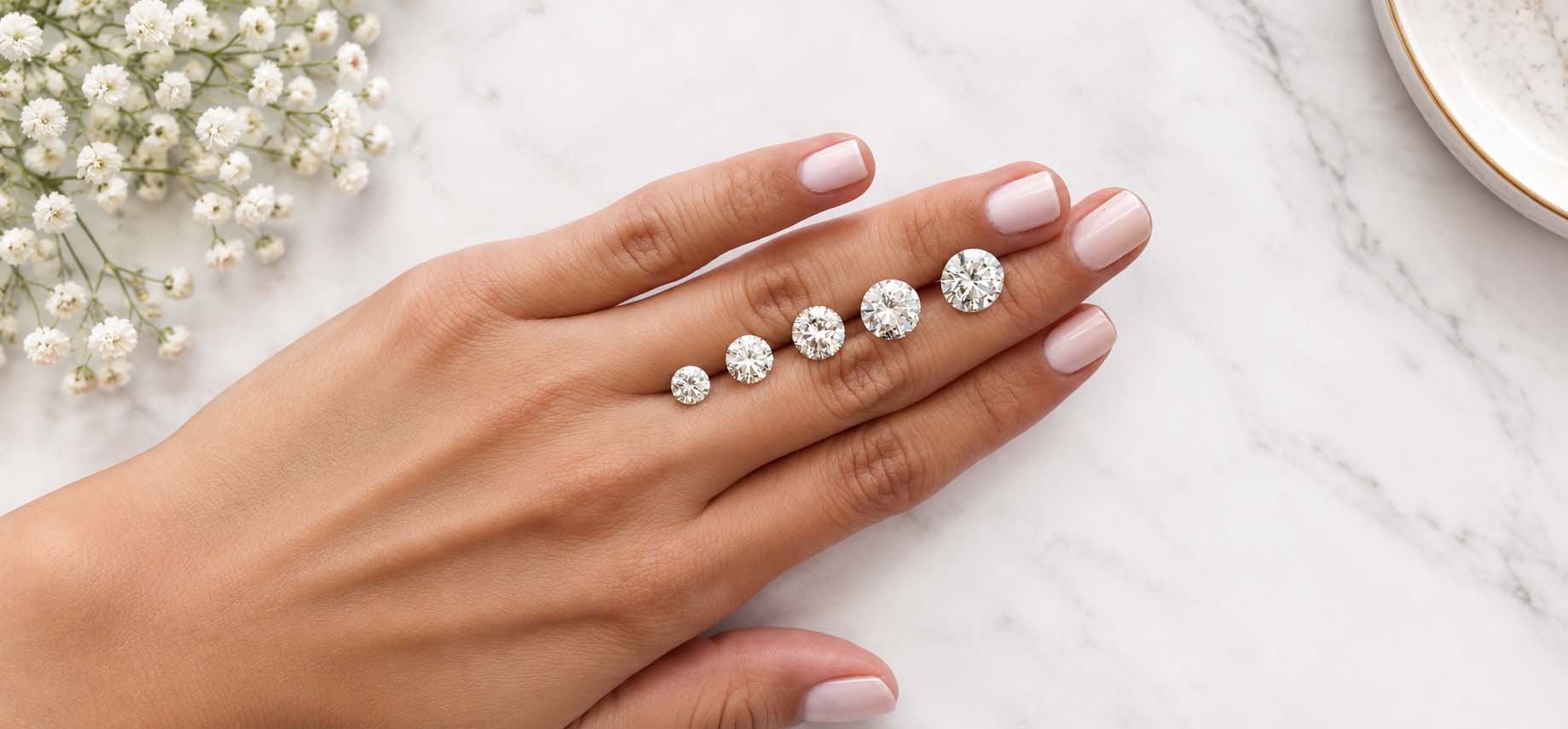
Imagine this scenario: two diamonds sitting next to each other on a jeweler’s table. One was pulled from deep inside the earth after forming over billions of years. The other one was grown in a lab over the course of a few weeks. A trained gemologist looks at both and cannot tell which is which without specialized equipment.
That is not a sales pitch. That is just what science shows.
Lab grown diamonds have gone from a niche conversation to a mainstream choice. But there are still people out there who don’t know much about lab grown diamonds. There is genuine curiosity out there and also a fair amount of misinformation. Words like “lab grown” or “man-made” can make them sound lesser when they really are not. And that gap between perception and reality is exactly what we want to close here.
This is a straightforward guide to the science behind lab grown diamonds. Let us get into it:
Table of Content
- What Exactly Is a Lab Grown Diamond?
- How Lab Grown Diamonds Are Made?
- Myth vs. Fact
- Durability Comparison
- What Certification Means and Why Does It Matter?
- International Gemological Institute
- Gemological Institute of America
- To Conclude
What Exactly Is a Lab Grown Diamond?
We are going to start with the most important thing. A lab grown diamond is a real diamond. It is not a knockoff and definitely not a piece of glass with a good cut. It is a diamond and is made up of the same carbon atoms arranged in the same structure as a diamond formed deep in the earth over billions of years.
The only difference is where it came from. A natural diamond forms under extreme heat and pressure miles below the earth’s surface. It takes sometimes millions or even billions of years. The lab grown diamonds process replicates those exact same conditions in a controlled environment. The end result is chemically, physically, and optically identical.
Ever wondered how diamonds are made in a lab? Let’s break down the magic and the method behind the sparkle.
How Lab Grown Diamonds Are Made?
There are two methods used to grow diamonds in a lab. They both replicate the natural diamond formation process. But it happens on a faster timeline. When you understand the lab grown diamond process, it will help you understand how the end result is just as real and durable as a mined diamond.
Method 1. High Pressure High Temperature
This was the first method ever used to successfully grow a diamond. It was pioneered by General Electric in 1954. HPHT mimics the natural conditions under which diamonds form in the earth’s mantle.
A small diamond seed is placed inside a metal chamber. Along with it, there is carbon source material and a catalyst. The chamber is then subjected to those high-pressure and high-temperature conditions. The carbon melts and begins to form around the seed. It slowly crystallizes into a diamond over a period of days/weeks.
The result? A fully formed diamond crystal that is then cut, polished, and graded just like any other diamond.
Method 2. Chemical Vapor Deposition
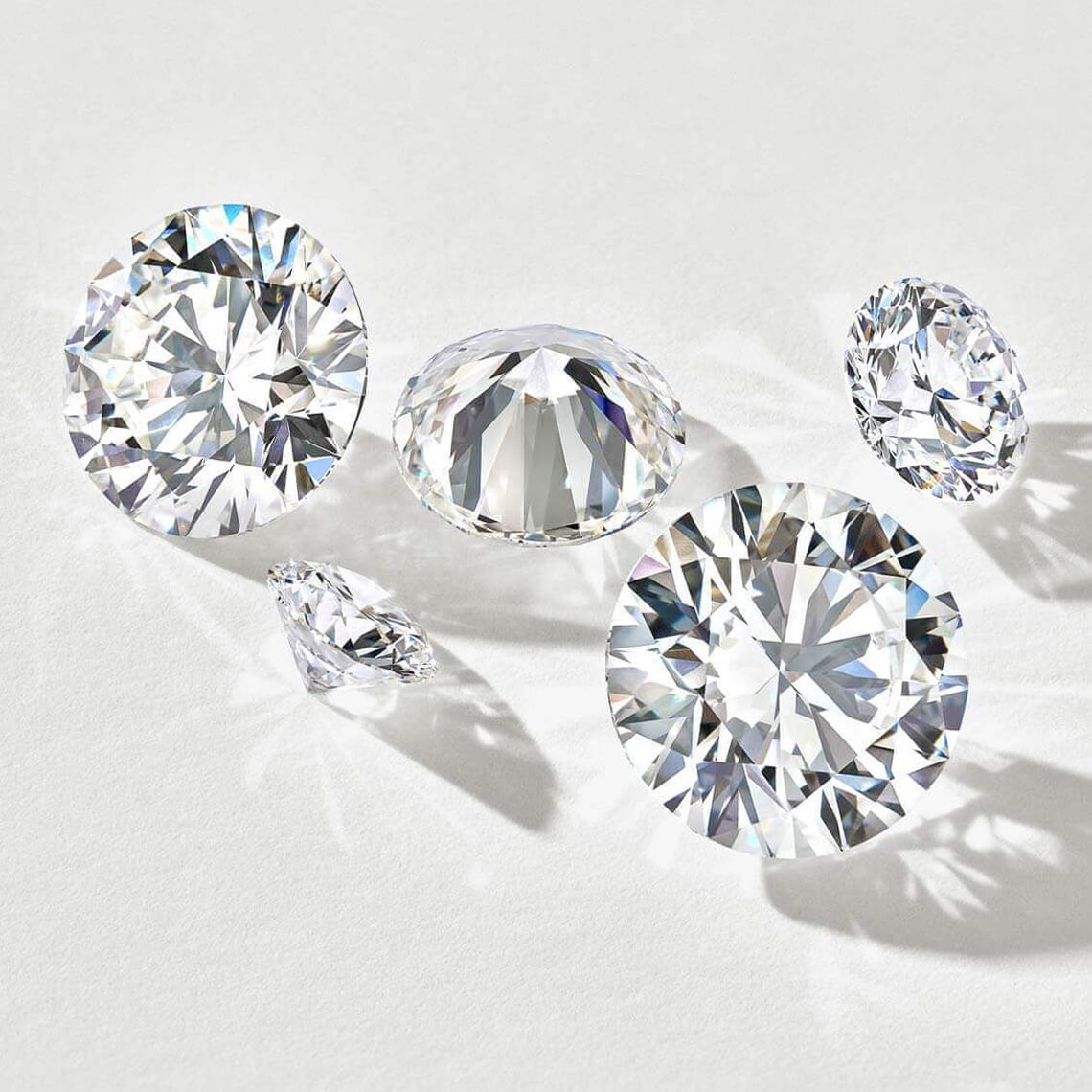
CVD is the more modern of the two methods. It is now widely used in the industry. It is also the process that best illustrates how lab grown diamonds are made at a molecular level.
A thin diamond seed is placed inside a sealed chamber. This chamber is then filled with carbon-rich gases. These gases are mostly methane and hydrogen. The chamber is then heated to around 1,400 to 1,600 degrees Fahrenheit. All this causes the gases to ionize into plasma. This breaks down the molecular bonds in the gas and allows pure carbon atoms to attach to the diamond seed. Layer by layer it builds the crystal upward over several weeks.
From rough to ring: Once the rough diamond has been grown, it gets cut by skilled craftsmen. It is polished to bring out the brilliance and then graded. Only after all this, it is set into any jewelry. There is no shortcut taken here.
Myth vs. Fact
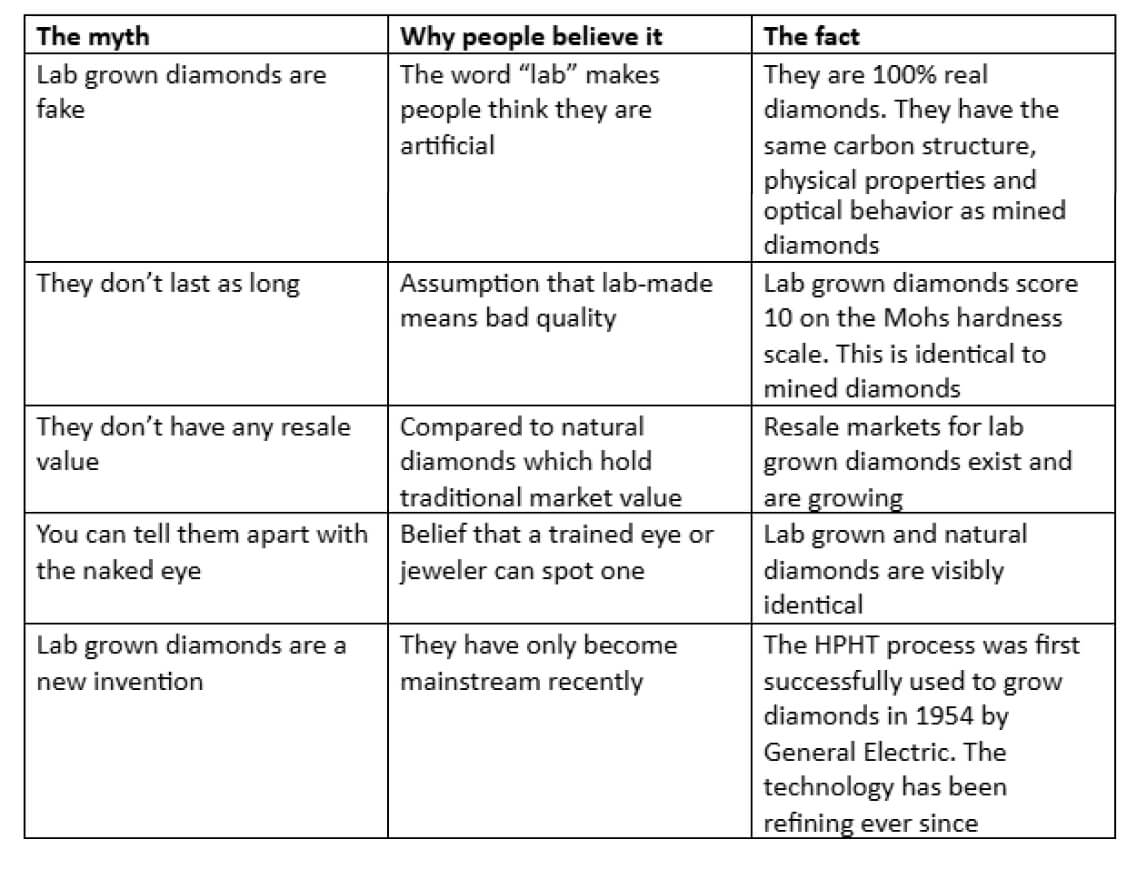
There is a lot of misinformation floating around about lab grown diamonds. Some of it stems from outdated assumptions and some from industry bias. Let’s clear it up:
Durability Comparison
This is one of the most common concerns people have. Durability really matters when you want something that you will wear for the rest of your life. Here is how the two compare across every relevant property:
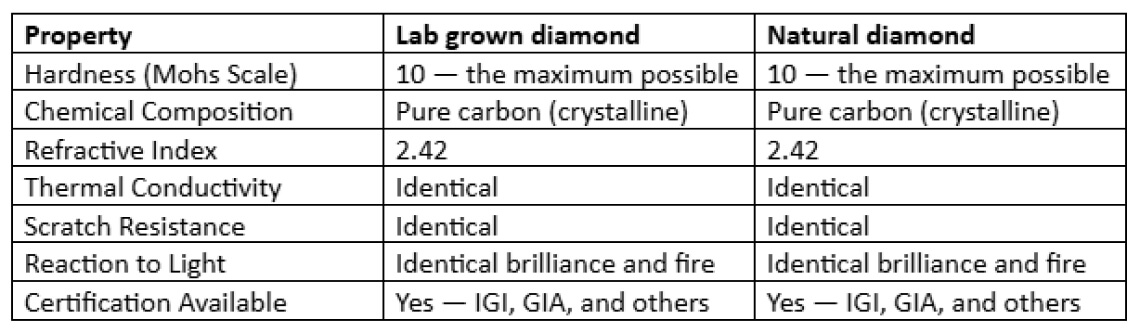
The numbers here don’t lie. Lab grown diamonds are not softer, nor less brilliant. They are diamonds. They behave exactly the way diamonds should behave.
What Certification Means and Why Does It Matter?
Whenever you think of buying a diamond, whether it is mined or man-made, you should make sure it comes with a grading report from a reputable gemological laboratory. This is not a marketing document. It is an independent and scientific assessment of the diamond's quality. It is produced by trained gemologists who have no stake in the sale. Certification really matters because it removes subjectivity from the buying process entirely.
SHOP IGI-Certified LOose LAB DIAMONDS
International Gemological Institute
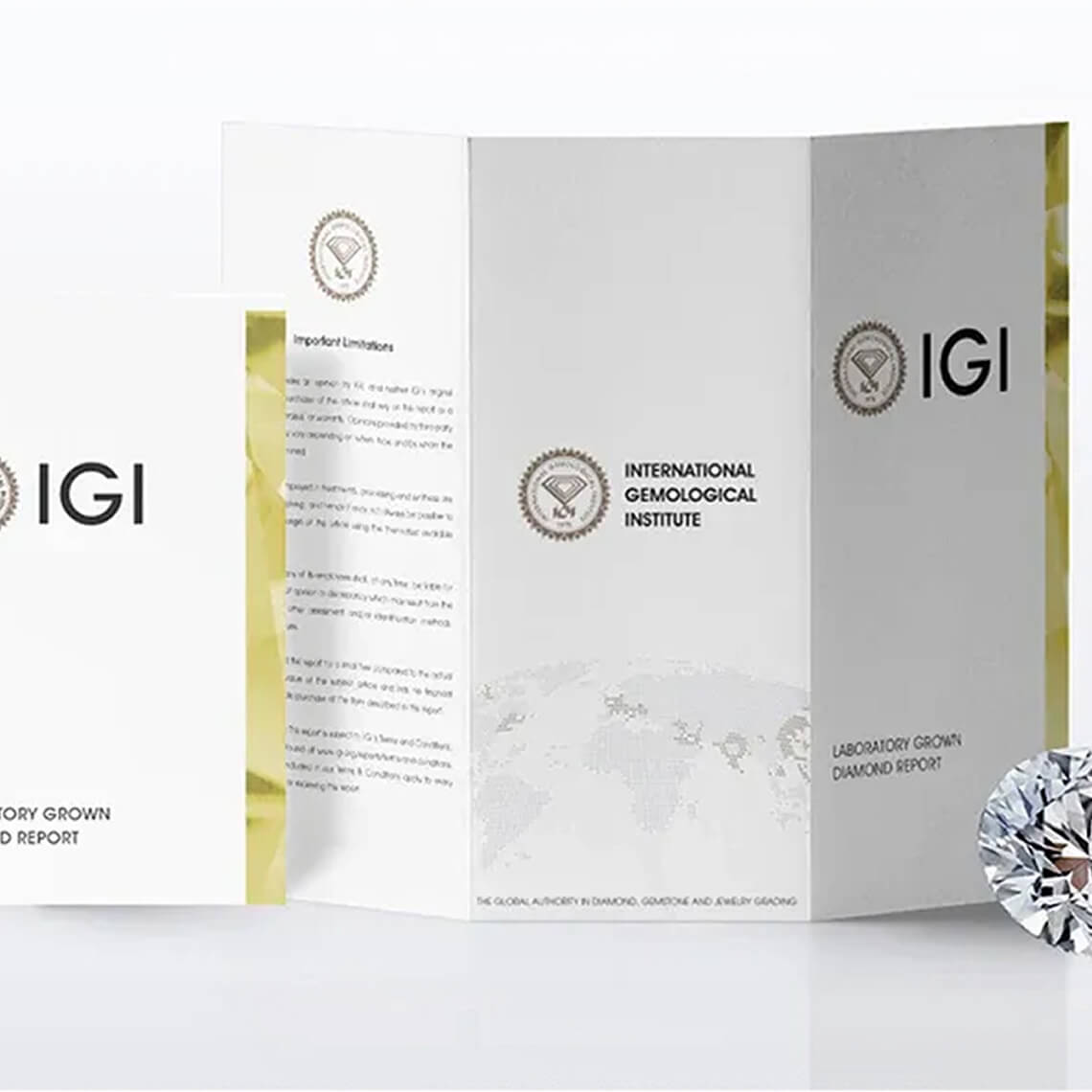
IGI is one of the most widely recognized grading laboratories in the world. It is currently the leading certifying body of lab diamonds. An IGI report covers the 4 C’s along with their measurements. When you buy a certified loose lab diamond from us at Friendly Diamonds, you will get a certificate of authenticity with all of the required information about your diamond.
Gemological Institute of America
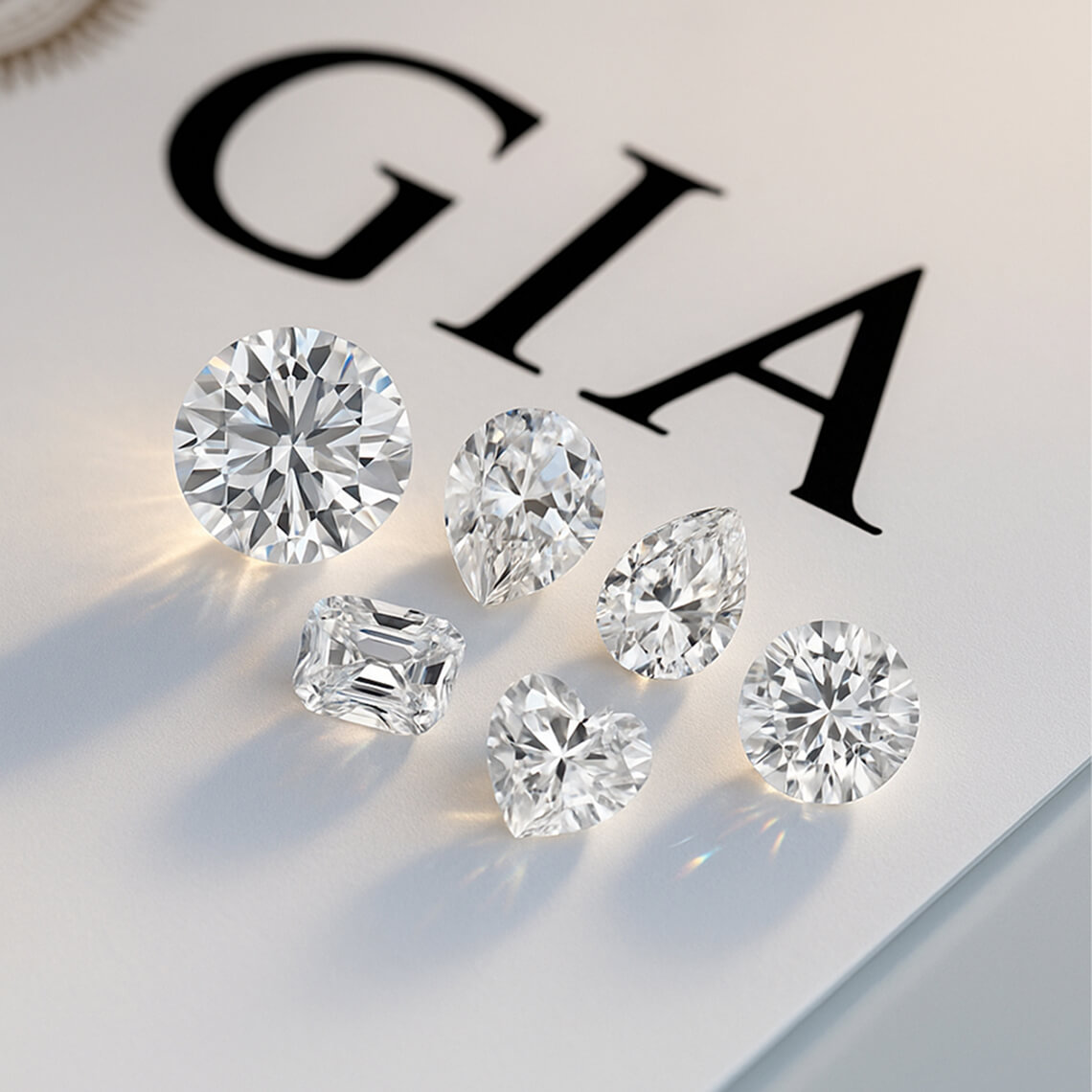
GIA is the most globally known name in diamond grading. It is the organization that created the 4 C’s grading system as we know it today in the 1950s. GIA began issuing grading reports for lab grown diamonds in 2007 and upgraded its format in 2020 to include the same descriptive trading terms used for natural diamonds.
A GIA report for lab grown diamonds carries the same weight and credibility as one for a natural diamond. When you buy lab diamond jewelry from Friendly Diamonds, you get the guarantee of the best GIA-certified diamond.
To Conclude
Understanding the science behind lab grown diamonds does not require a background in chemistry. What it comes down to is that they have the same carbon, the same crystal structure, the same hardness, and the same brilliance. Just the origin story is different. Lab grown diamonds are not a compromise but a great choice.
You can find amazing lab grown diamonds at Friendly Diamonds. They come with full certification from IGI or GIA and a team that is genuinely happy to help you out.
SHOP GIA-CERTIFIED Loose LAB DIAMONDS
FAQs
Are lab-grown diamonds graded the same way as natural diamonds?
Can a jeweler tell the difference between man-made and mined diamonds?
Do lab-grown diamonds come with warranties or guarantees?