Flat 50% OFF sitewide!
NOW & ON BLACK FRIDAY!
UNLOCK FREE LAB DIAMOND JEWELRY ON PURCHASES OVER $1000 


Pavé vs. Channel Setting: All You Need to Know
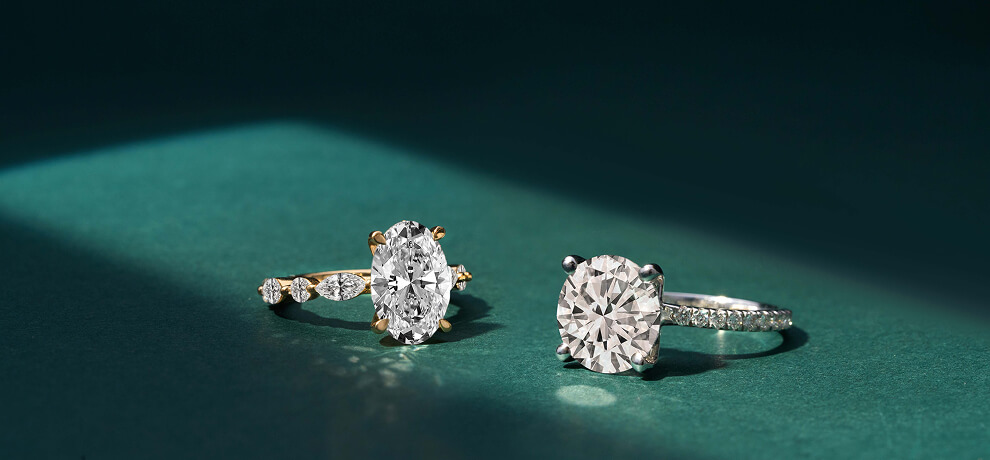
Small diamonds have the power to transform an engagement ring or wedding band completely. In some cases, small diamonds may be set over the shank of the ring, known as pavé setting, while in others, they are placed in a neat line inside the metal, known as channel setting. Both pavé and channel settings give you two different looks, but there are other factors involved as well. Knowing the pavé vs. channel setting will ensure that you get your dream ring.
Table of Content
- What Is Pavé Setting?
- What Is Channel Setting?
- Channel Set vs. Pavé - What Is the Main Difference?
- Which One Should You Choose?
- Pavé vs. Channel Setting: Advantages and Disadvantages
- What Kind of Setting Fits Your Lifestyle?
What Is Pavé Setting?
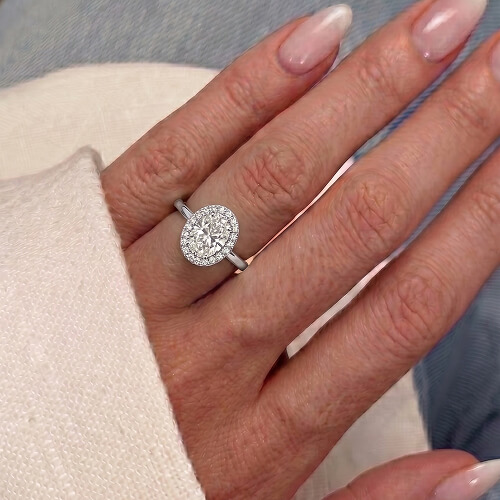
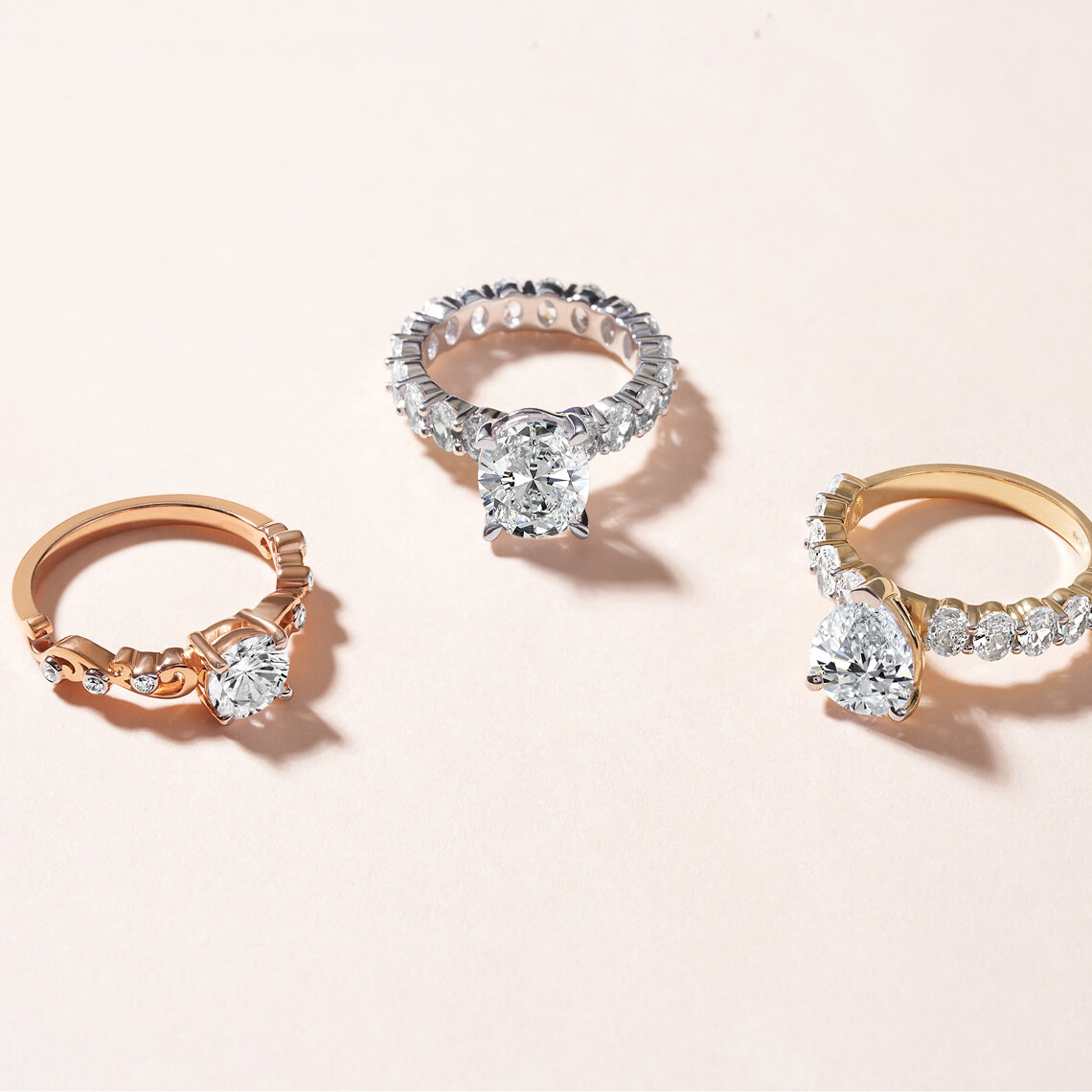
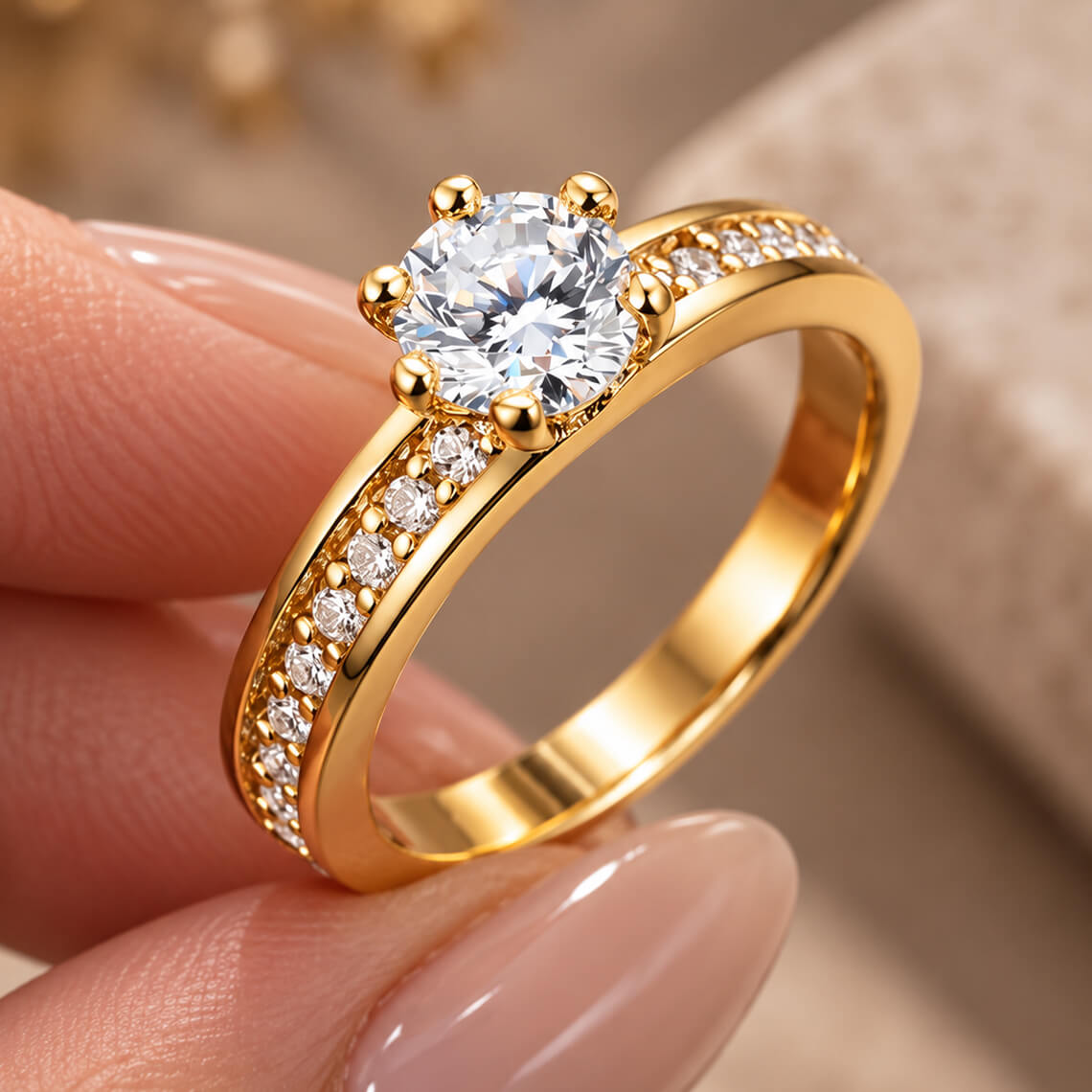
In a pavé setting, small diamonds are set close together using small metal beads or prongs that are made of the same metal as the rest of the ring. The diamonds lie across the surface of the ring, giving the illusion of an uninterrupted sparkle with very little metal in between.
Pavé engagement rings usually consist of a single diamond in the middle surrounded by smaller diamonds on the sides. In some cases, there may be pavé diamonds across the whole ring, but in other cases, the sparkle will only be on the upper part of the band.
The most appealing feature of pavé rings is how the small diamonds sparkle at various angles. However, the tiny prongs require proper care since they are responsible for holding each individual diamond.
What Is Channel Setting?
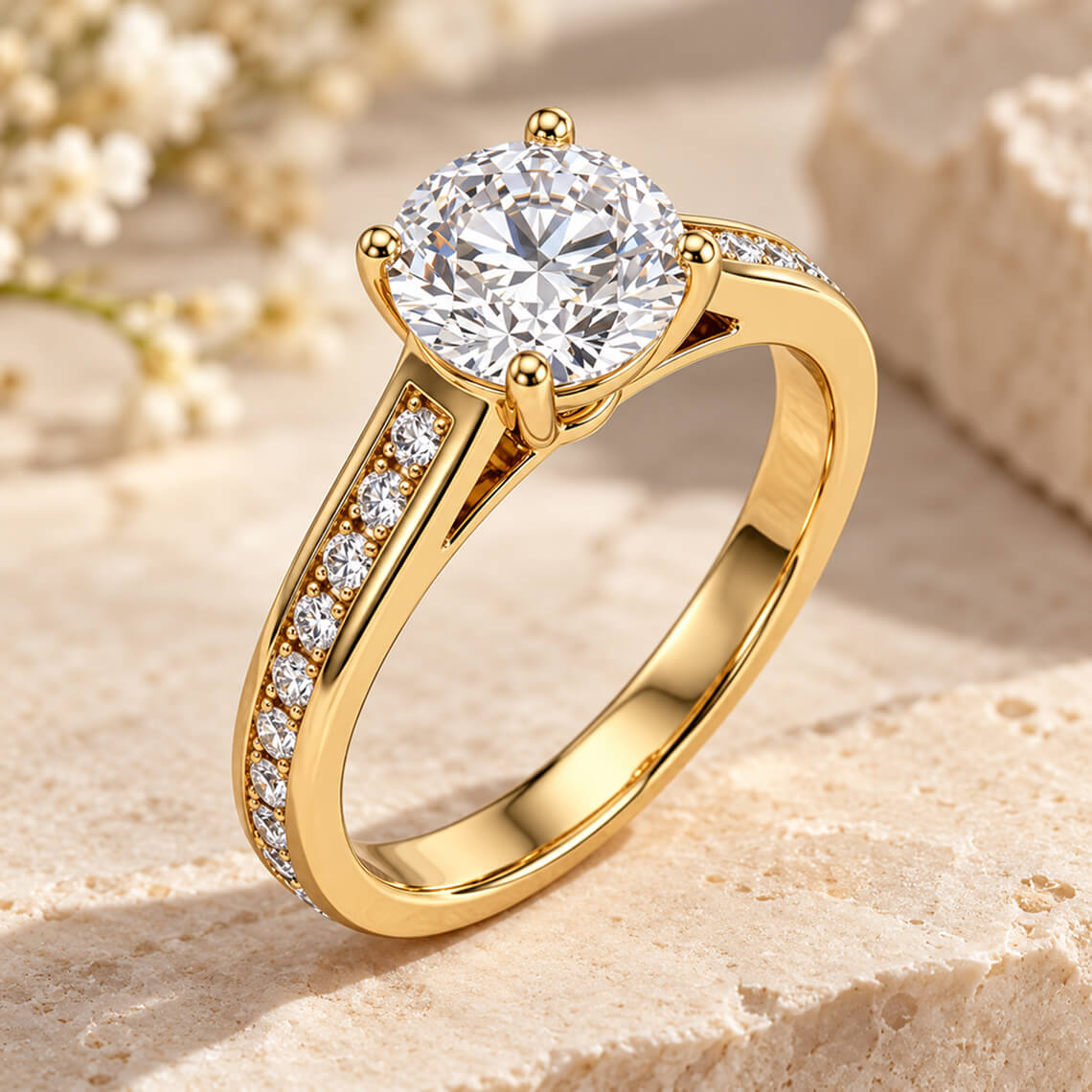
In a channel setting, diamonds are set between two parallel walls of metal. Instead of setting each diamond with its own bead or prong, the metal is set on both sides of the row, forming a smooth and well-defined look.
A channel set ring usually has the same-size diamonds in a line. It is very popular in wedding and anniversary bands but is also seen in engagement rings. Since the diamonds are set within the walls of the metal, they get more protection from being knocked into from the sides compared to diamonds in many pavé settings. As a result, the diamonds have a smooth finish with no metal visible between them.
Channel settings require regular checking since the metal walls can get worn out and the diamond can get loose.
Channel Set vs. Pavé - What Is the Main Difference?
The main difference between pavé vs. channel settings comes in the way that the diamonds are set and the amount of metal that surrounds them.
|
Feature |
Pavé Setting |
Channel Setting |
|
Appearance |
Sparkle from several diamonds in a line |
Line of diamonds surrounded by metal walls |
|
Diamonds Security |
Individual stones held by small beads or prongs |
Metal walls protecting diamonds on the side |
|
Brilliance |
Many small diamonds give an overall sparkling look |
Diamonds in a neat line create a defined sparkle |
|
Everyday Wear |
Prongs may break or scratch |
Metal walls provide extra protection for diamonds |
|
Maintaining |
Regular inspection of prongs required |
Regular inspection of walls and diamond arrangement required |
|
Size changing |
Challenging process, depending on diamond positioning |
Challenging process depending on the arrangement of diamonds around the ring |
How Pavé Setting Works
When it comes to pavé engagement ring settings, each diamond is fixed by small metal beads or prongs. The diamonds are positioned quite close to each other, which means that the band looks completely covered in diamonds.
The design provides a lot of shine, yet the open diamonds and small fixation points need to be considered. If your ring keeps catching on clothes or hard surfaces, you will have to check it regularly.
How Channel Setting Works
When it comes to channel setting, diamonds are fixed in a groove between two metal walls. The walls keep the diamonds in place and protect their sides from daily wear.
The design makes the ring look more structured. However, the diamonds must be firmly fixed in the channel, and any damage to the metal can cause the diamonds to fall out.
Which One Should You Choose?
Your best choice depends on what you expect from your engagement ring and how you want to wear it.
Style preference: If you prefer a lot of light reflection and sparkle around the band, then pavé is definitely the choice for you. The channel setting is for people who like a sleeker look without as much detailing and who value simplicity.
Durability: The channel setting ring adds extra durability on the side of the diamonds. Smaller securing points that hold diamonds on the pavé band are prone to wearing out. Nevertheless, neither of these settings is unbreakable and depends greatly on the quality of jewelry-making.
Future resizing: The debate around channel set vs pav takes a rest when it comes to resizing, as neither of these settings allows easy resizing. It will require removing the pavé diamonds that surround the band and replacing them afterwards. Adjusting the channel setting can also create problems since changing the band's form may cause problems for the channel or for the diamonds.
Maintenance: The channel setting tends to have fewer edges, which means you'll have less trouble getting tangled in your clothes while wearing the jewelry. It might be harder to maintain the pavé because of all the small prongs.

Pavé vs. Channel Setting: Advantages and Disadvantages
Both settings have their strengths, but knowing the drawbacks will make the selection process a lot simpler.
Pavé setting
Advantages
-
Produces a sparkling effect with little metal showing.
-
Does not compete with the center stone.
-
Fits complex designs for engagement rings and bands.
Disadvantages
-
The small prongs can get caught in fabrics and wear out.
-
Any loose stones might need to be fixed professionally.
-
The stones can be tricky to clean.
Channel setting
Advantages
-
Gives a neat and organized line of diamonds.
-
Metal walls help protect the sides of the stones from damage.
-
Smooth edges make it easy to wear.
Disadvantages
-
Any damage to the channel will affect many stones.
-
Resizing needs specialized techniques.
-
Dirt might accumulate in the diamonds and channels.
What Kind of Setting Fits Your Lifestyle?
Just like the looks of the ring, your everyday life plays an equally important role.
Everyday wear and active lifestyle
Channel set or pavé really matters when it comes to choosing jewelry for everyday wear. If you work with your hands or use equipment on a regular basis, think about how your ring will deal with impacts. The channel-setting ring can be a good choice here since metal walls will guard the sides of the diamonds.
Pavé may still be suitable for everyday wear, but you will have to take off the ring when participating in activities that might hurt its delicate prongs or make the diamonds subject to strong impacts.
Choosing based on style and maintenance preferences
Consider what kind of look you would like to have on your finger each day. The pavé setting will give you a more dazzling diamond band setting, while the channel setting will provide you with a row of diamonds that looks less flashy. Think about maintenance as well.
If you do not like having many exposed surfaces, the channel setting might be preferable for you. If you are looking for maximum sparkle and willing to have your jewelry checked on a regular basis, the pavé setting is worth considering.
FAQs
Is pavé more expensive than channel setting?
Do pavé diamonds come off easily?
Which setting is more secure, pavé or channel?
Which setting is better for a wedding band?