Unlock FREE lab diamond jewelry on purchases over $1,000.


Mistakes I Made Building Friendly Diamonds
Written by Ayushi

Mistakes I made building Friendly Diamonds and what I wish someone had told me earlier.
I've been sitting on writing this for a while. Not because I don't know what to say, but because owning your mistakes publicly is uncomfortable. But if it helps even one founder avoid what I went through, it's worth it.
1. Trying to do everything myself
In the early days, I was in every meeting, every decision, every email thread. I told myself it was because I cared. Honestly, it was because I didn't fully trust the process of letting go. It slowed us down massively. Real scale only started when I stopped asking "what's happening" and started asking "who owns this."
2. Hiring people instead of hiring the right people
This one stings. When AI started changing creative workflows, I had a full team in editing and graphic design that we didn't need at the scale we'd hired for. I held on too long, restructured too late, and kept delaying hiring one exceptional Creative Director who could actually own our brand storytelling end-to-end. That delay cost us years in brand building. One great creative leader is worth ten average ones. I know that now.

3. Underestimating the brand. Badly.
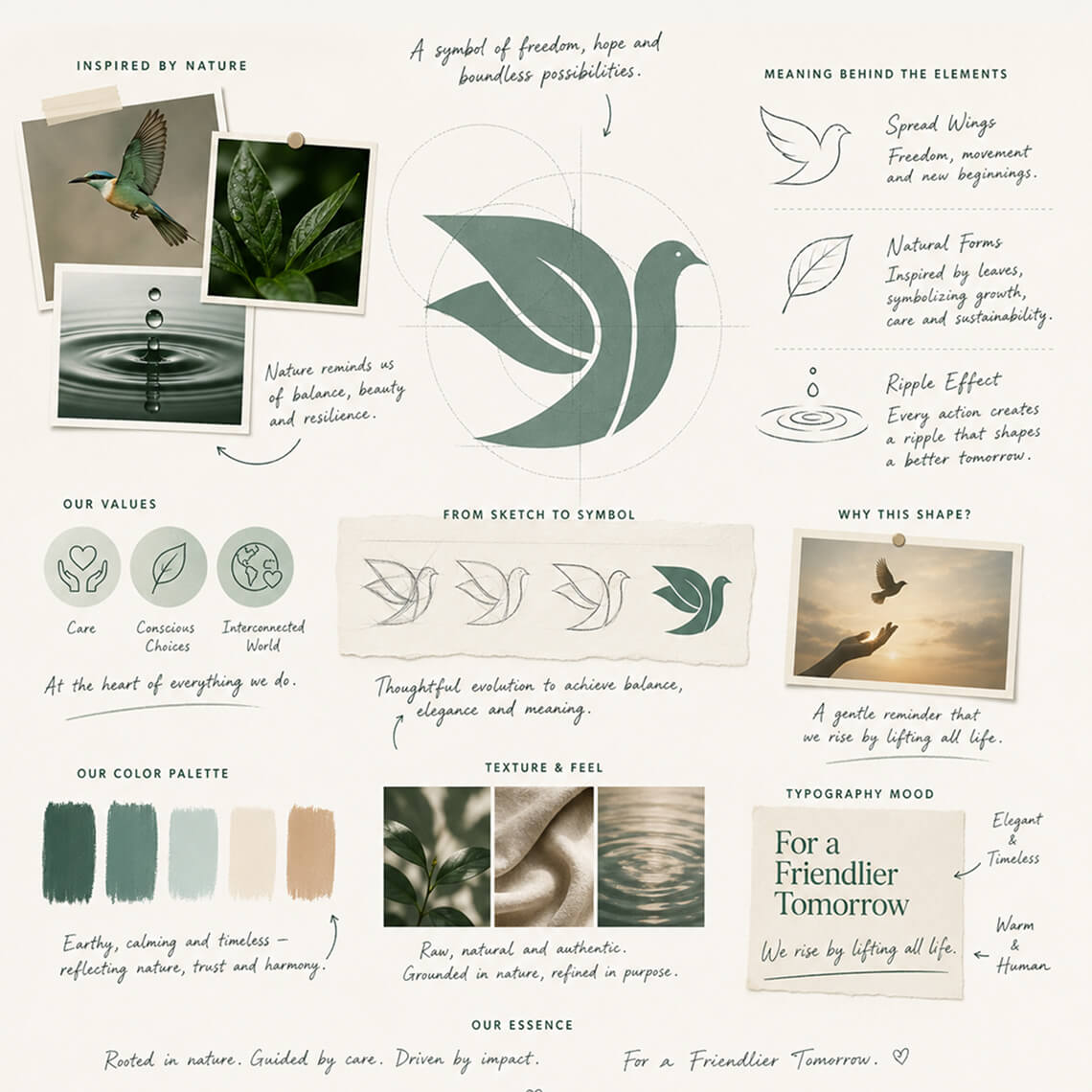
I was obsessed with the product and price. I thought if the diamond was great and the price was right, people would come. That belief started to break when sales stopped growing, and revenue plateaued, even though our pricing was competitive and the product was strong. That’s when it hit me, this wasn’t a product problem. What I didn’t understand was that in a trust-deficit category like lab-grown diamonds, people don’t just buy a product; they buy a story, a feeling, a belief. We had to go back and build that from scratch. And that was an expensive lesson.
4. Procrastinating on building systems
For the first three years of Friendly Diamonds, I was addicted to performance marketing numbers. ROAS, CPAs, CTRs. I lived in those dashboards. But I kept pushing off building the actual backbone of the business: inventory management, order management, and supply chain systems. I told myself "we'll do it when we're bigger." Then we got bigger, and the chaos caught up with us fast. Managing growing order volumes without robust systems is like trying to fill a bucket with holes in it.
5. Not making data-backed decisions
For too long, the only data I looked at was what performance marketing platforms fed me. I wasn't studying what new products the market actually wanted, how competitors were pricing, or what customers were searching for but not finding us on. I was guessing. Today, that's completely flipped. My team cannot walk into a room and suggest a new product, a new feature, or a pricing change without data to back it up. Data is the founder's most underrated asset. If you're not building that muscle early, you're guessing. And guessing at scale is expensive.
6. Thinking the product was the product
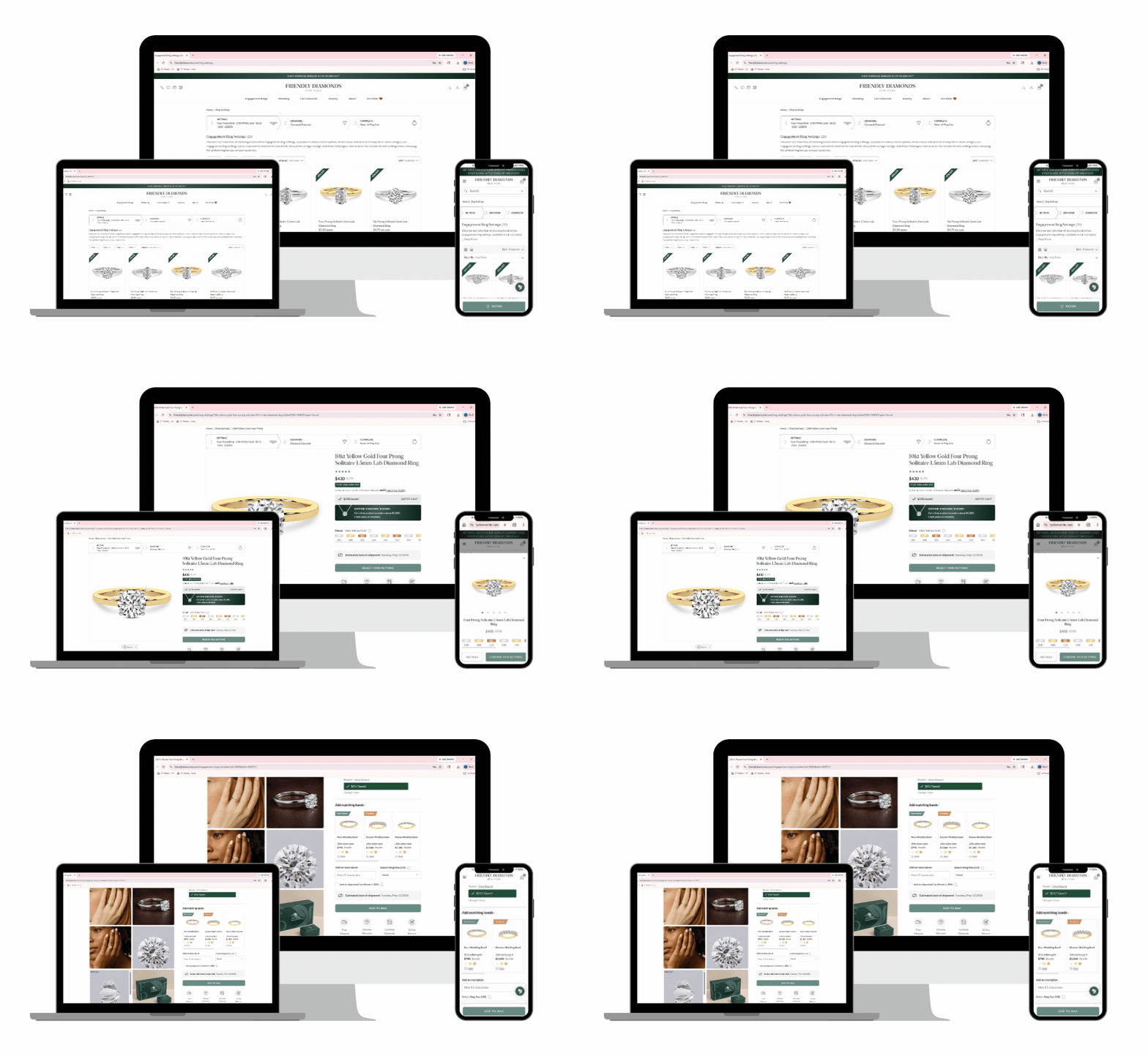
I didn't set out to just build a jewelry company online. But for too long, that's essentially what I was doing: selling beautiful diamonds through a website. What I learned the hard way is that your hero product isn't what you're selling. It's your tech. The experience IS the product. I wanted to build a brand that could offer a genuinely seamless, beautiful digital experience. That meant obsessing over UI/UX, over how a customer moves through the site, over how they feel at every touchpoint. I learned this the hard way. Tech is what separates a real e-commerce brand from a store that happens to be online.
7. Thinking customer service was about replying to emails
Early on, customer service at Friendly Diamonds meant responding to order queries and sending templated replies. I'm embarrassed to even type that. I slowly realized that every single customer interaction is a brand moment. The person responding to a complaint or a query IS the face of Friendly Diamonds to that customer. They needed to speak the way I speak: with warmth, with knowledge, with genuine care, not with a copy-paste response. Building a customer service culture that actually reflects your brand values is hard, slow work. But it's what makes customers come back and tell others.
There's no clean playbook for building something from zero. You will get things wrong. The only real mistake is not being honest enough with yourself to see them clearly and fix them.
And one thing I'd say to every founder right now: incorporating AI into every department, not just marketing, is no longer optional. The founders who treat AI as a tool only for content or ads are missing the bigger picture entirely. It's infrastructure. Treat it that way.
Friendly Diamonds is still very much a work in progress. But it's better for every one of these hard lessons.
About the Author